
Morning — History & Facts
The delicate interplay of light and shadow in art can reveal hidden depths, transforming simple landscapes into profound reflections of human experience. Look to the foreground, where a soft golden hue bathes the rolling hills of this serene vista. Notice how the sunlight spills across the scene, illuminating the vibrant greens while casting gentle, elongated shadows that dance along the contours of the land. The contrast between the bright, lively patches and the cool, dark recesses creates a visual rhythm that draws the eye deeper, inviting contemplation. Beneath the surface of this tranquil landscape lies a tension between hope and melancholy.
The golden light symbolizes the radiance of new beginnings, while the shadows hint at the inevitable presence of loss and uncertainty. Each brushstroke captures a fleeting moment of morning, suggesting a world awakening yet concealing the darkness that lingers in our hearts. This delicate balance speaks to the duality of existence—a reminder that beauty often coexists with pain. In 1769, Paul Sandby painted this piece during a transformative period in British art, as the burgeoning Romantic movement began to embrace nature with both admiration and introspection.
Living in London, Sandby was influenced by the picturesque landscapes of the British countryside, and his work marked a shift from classical to more expressive representations of the natural world. This painting exemplifies his ability to weave emotion into the very fabric of the landscape, inviting viewers to reflect on their own connections to beauty and shadow.
More Artworks by Paul Sandby
Browse all →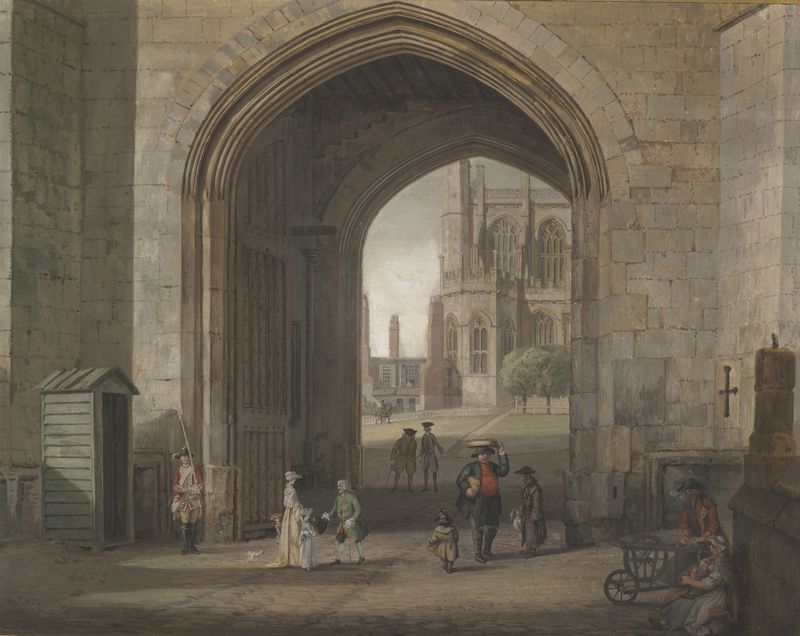
The Tower Gate at Windsor Castle
Paul Sandby

A Distant View of Maidstone, from Lower Bell Inn, Boxley Hill
Paul Sandby
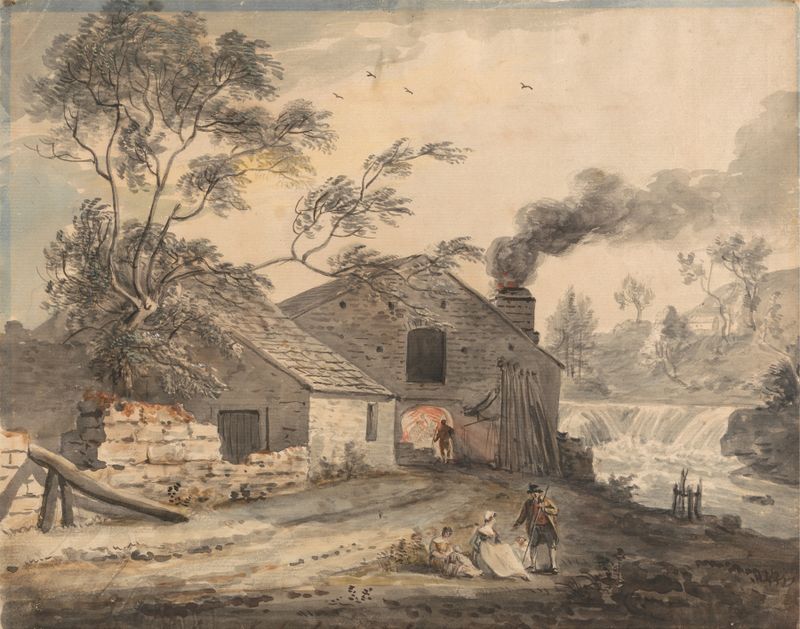
Iron Forge on the River Kent, Westmorland
Paul Sandby
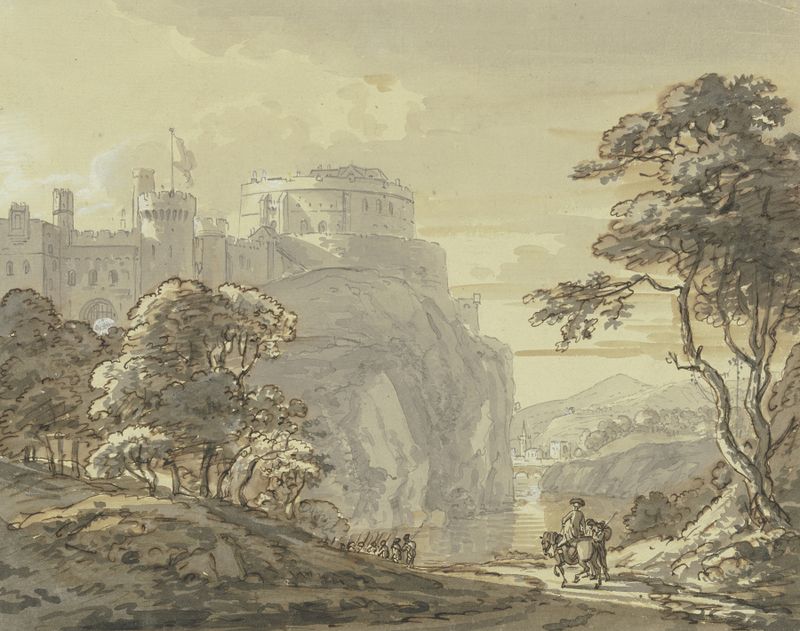
View of Windsor Castle
Paul Sandby

Hackwood Park, Hampshire
Paul Sandby

Roslin Castle, Midlothian
Paul Sandby
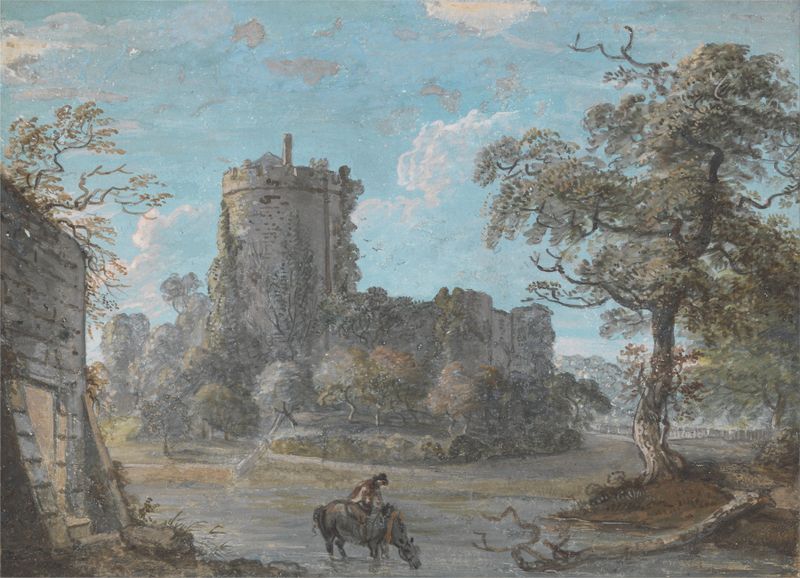
The Entrance to Chepstow Castle
Paul Sandby
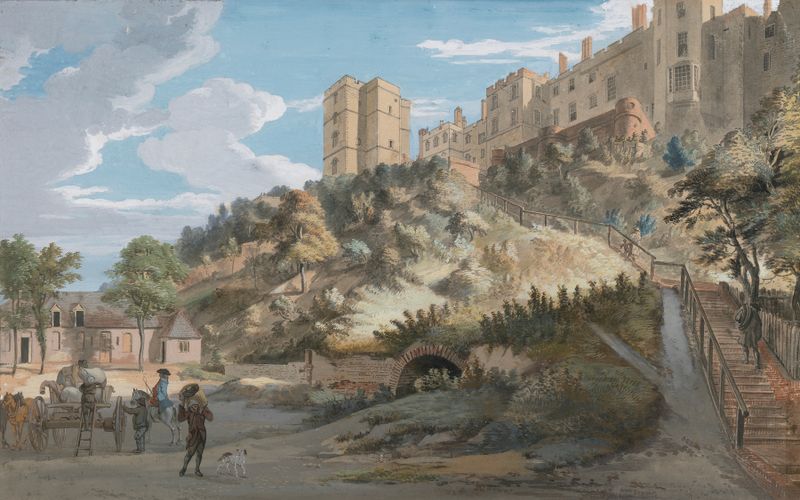
The Hundred Steps and Winchester Tower, Windsor Castle, Berkshire
Paul Sandby

Brook End, Essex
Paul Sandby
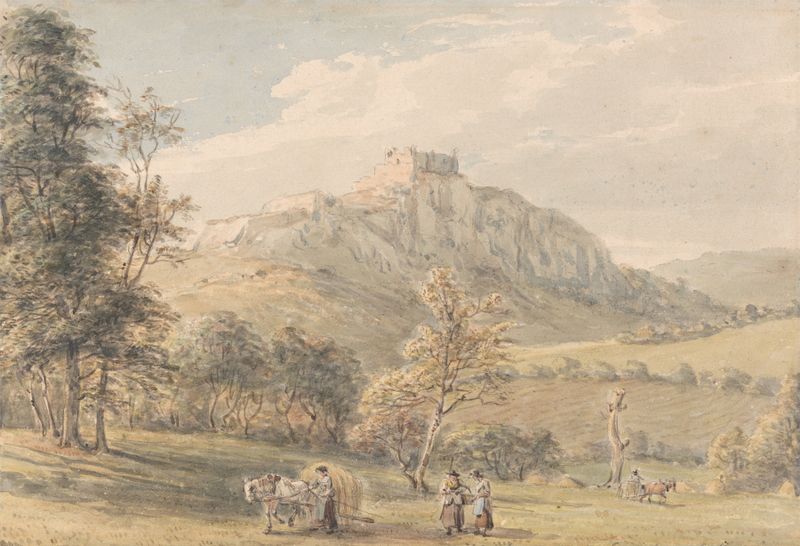
Carreg Cennen Castle
Paul Sandby





