
Morning Crack Session — History & Facts
What draws the eye first is not the old man’s pipe, but the way morning light slips across the kitchen tiles and finds the faces gathered around the table. The scene is intimate, yet quietly bustling: a man, weathered and at ease, sits preparing his pipe, while a young woman and a boy pause in their morning routine. The baskets of crisp lettuce and carrots at their feet do more than signal the day’s work—they root the family in a world of labor and simple pleasures.
The woman’s gesture, hand to her chin, suggests a moment of thought or conversation, while the boy, half-hidden, looks on with a shy curiosity. Every object, from the jug she carries to the gleaming brass pan on the wall, tells us this is a household that finds dignity in the ordinary. Painted in 1796, Morning Crack Session by Adriaan de Lelie belongs to a tradition of Dutch genre scenes that flourished in the late eighteenth century, when artists turned their attention to the rituals of daily life. Such works were prized by a rising middle class eager to see their own values—domestic order, industriousness, and family—reflected on canvas.
The kitchen interior, with its tiled hearth and sturdy furniture, speaks to a world where comfort and routine are hard-won. While little is recorded about this specific painting’s early history, its presence in the Rijksmuseum collection today lets us glimpse a moment suspended between work and rest, inviting us to linger where the morning light falls.
More Artworks by Adriaan de Lelie
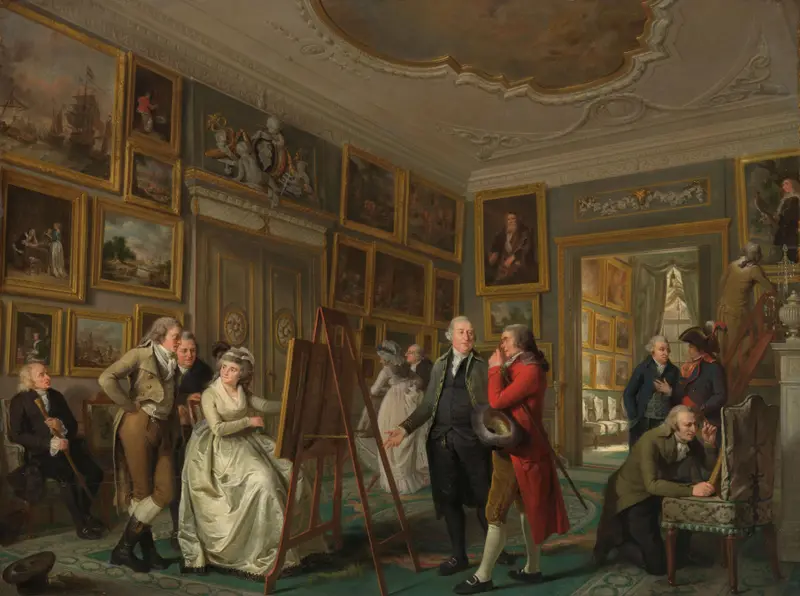
The Art Gallery of Jan Gildemeester Jansz
Adriaan de Lelie
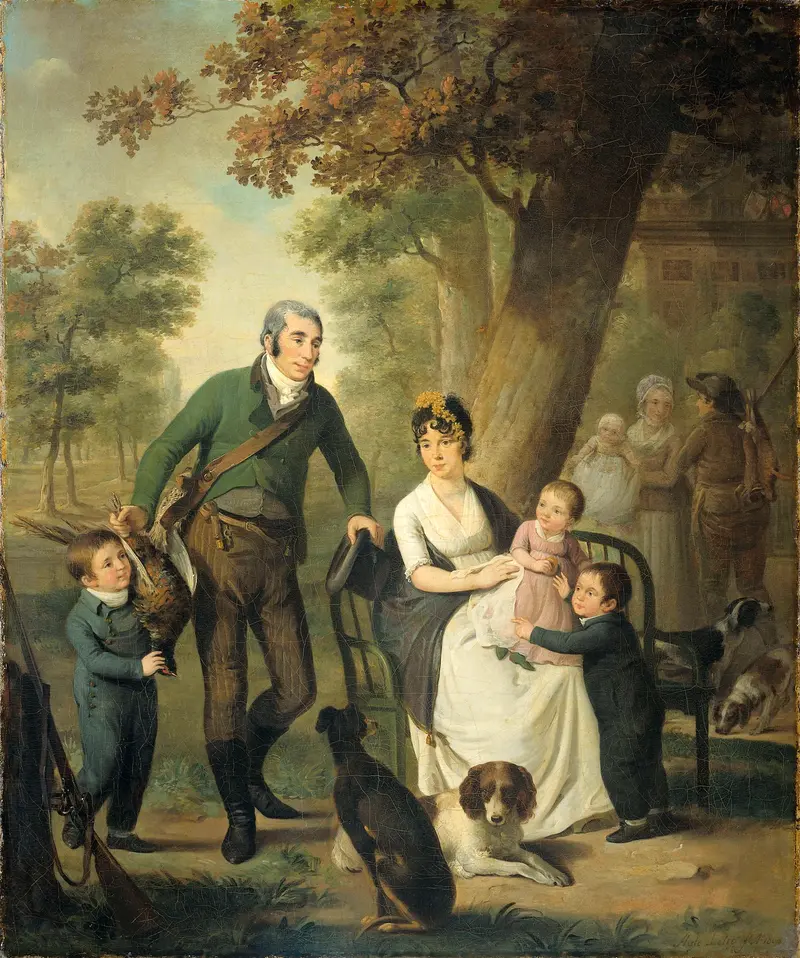
Jonkheer Gysbert Carel Rutger Reinier van Brienen van Ramerus(1771-1821), with his Wife and four of their Children
Adriaan de Lelie
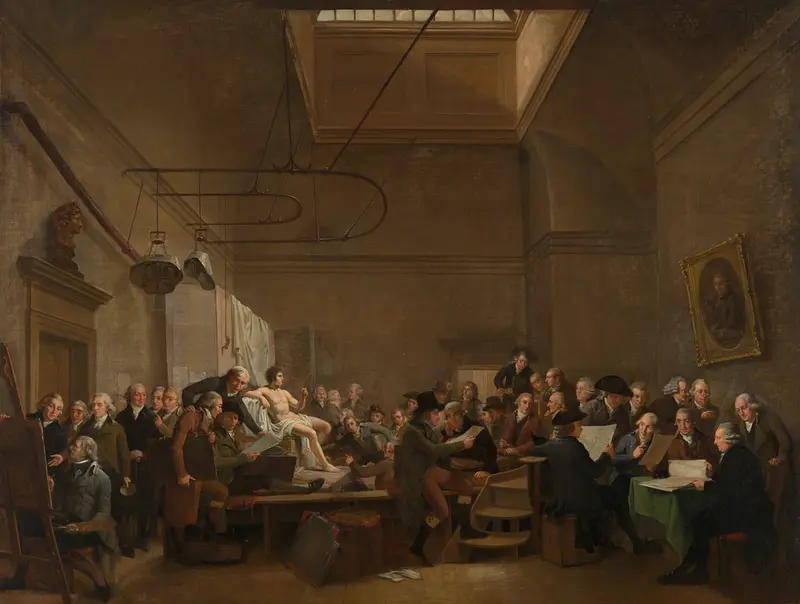
The Drawing Gallery of the Felix Meritis Society
Adriaan de Lelie
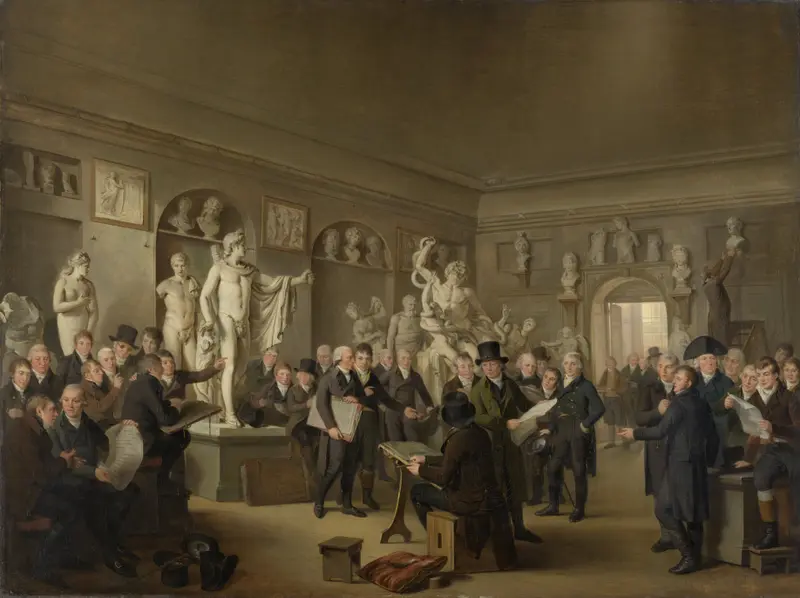
The Sculpture Gallery of the Felix Meritis Society
Adriaan de Lelie
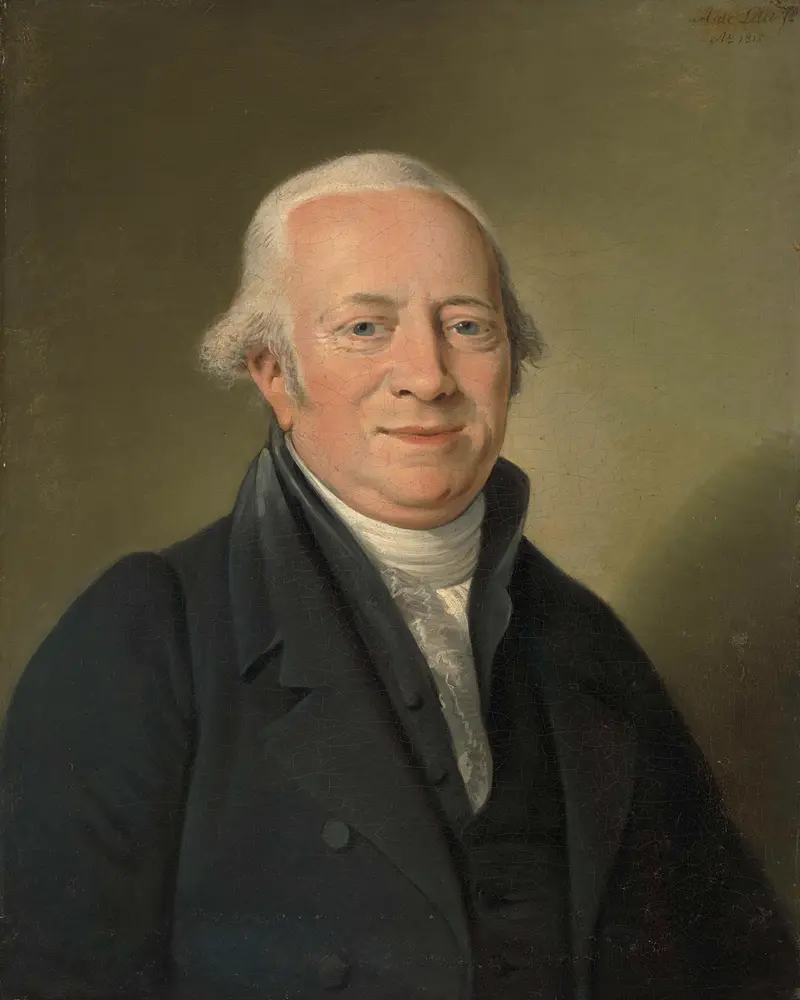
Cornelis Sebille Roos (1754-1820), Amsterdam Art Dealer and Keeper of the Nationale Konst-Gallery in Huis ten Bosch, The Hague
Adriaan de Lelie
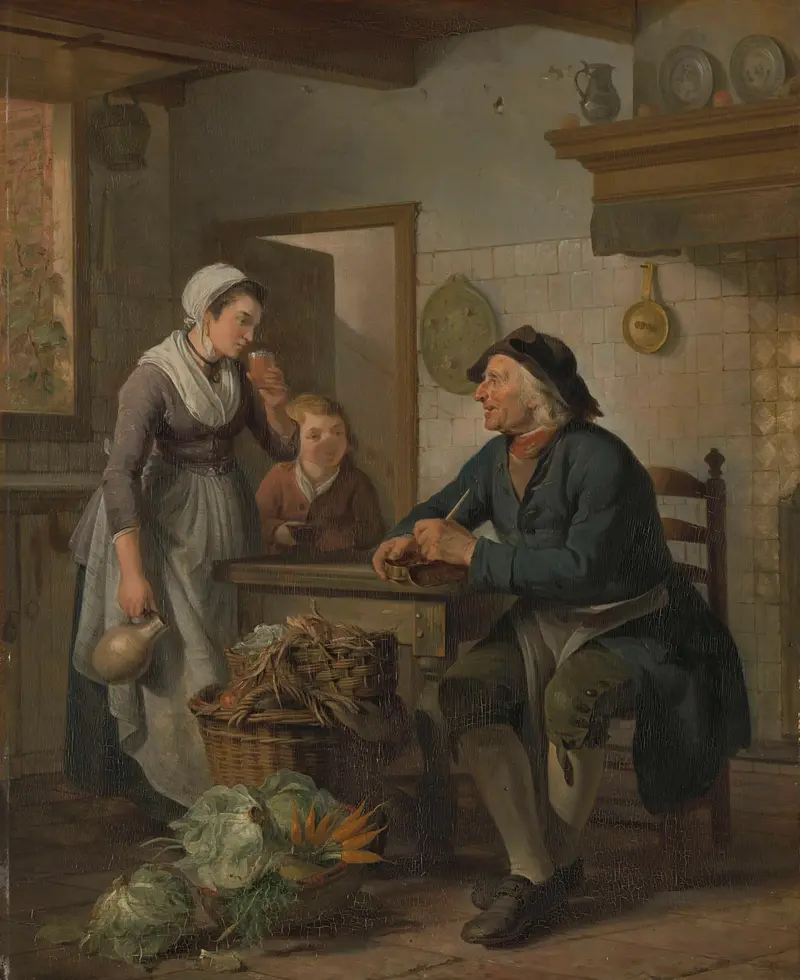
Morning Visit
Adriaan de Lelie
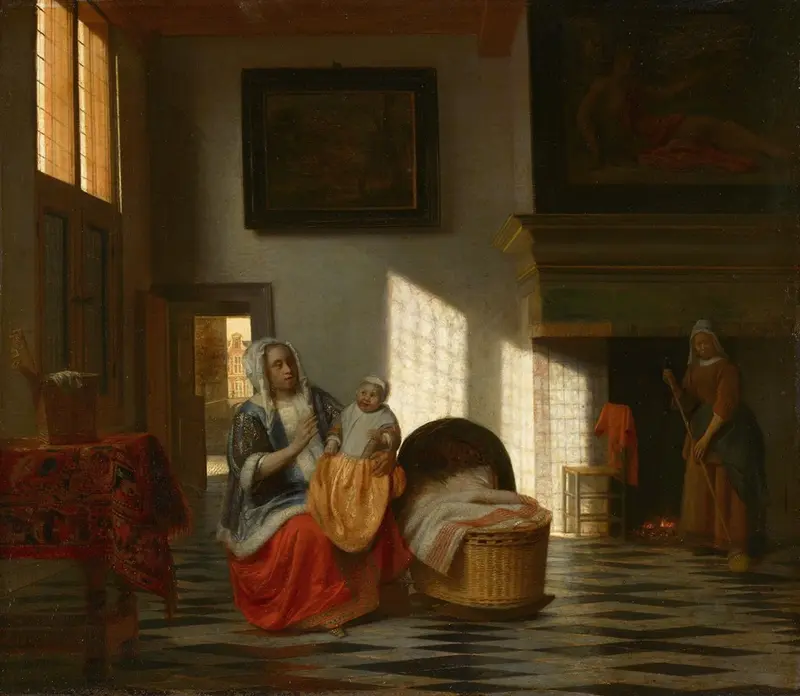
Mother and Two Children with Still Life
Adriaan de Lelie
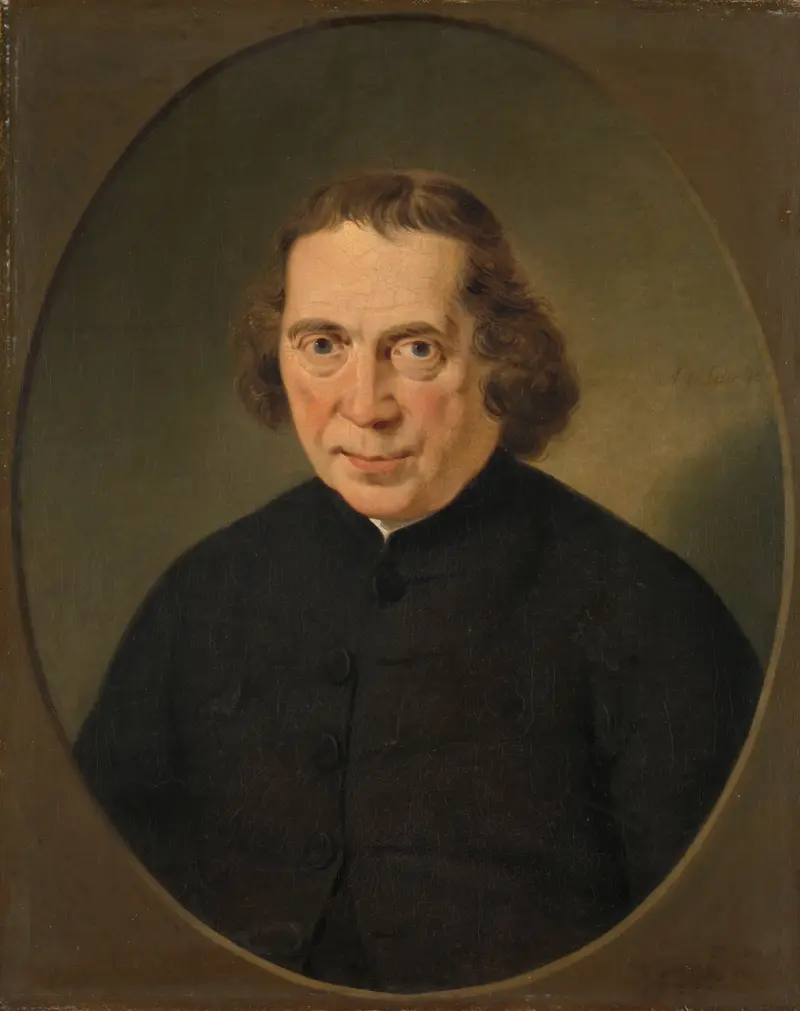
Portrait of Jan Nieuwenhuyzen
Adriaan de Lelie
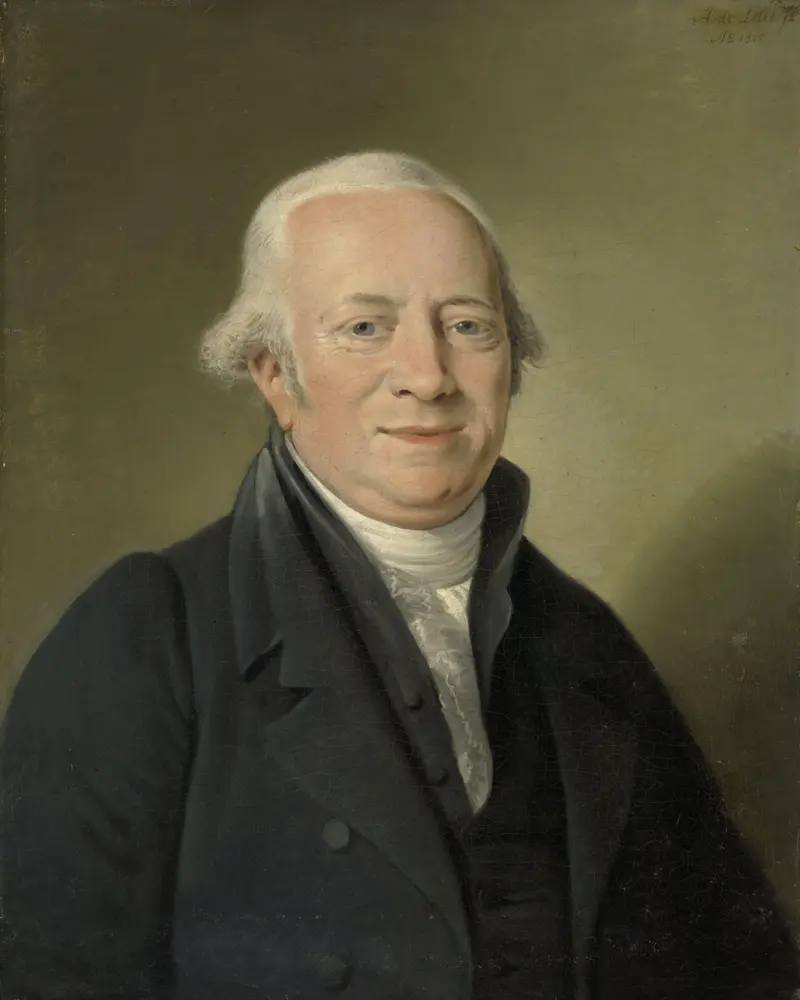
Portrait of Cornelis Sebille Roos, Art Dealer in Amsterdam and Inspector of the National Konst-Gallery and the Huis ten Bosch in The Hague
Adriaan de Lelie
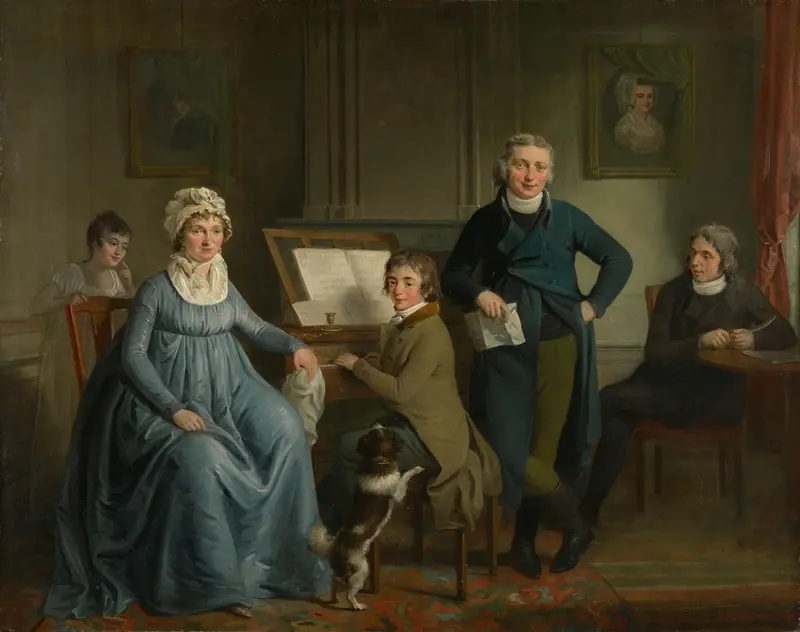
Musical family
Adriaan de Lelie
More Genre Scene Art

Banquet of the Officers of the St George Civic Guard
Frans Hals

Rembrandt and Saskia in the Scene of the Prodigal Son
Rembrandt van Rijn

Bal du moulin de la Galette
Pierre-Auguste Renoir

Quadrille at the Moulin Rouge
Henri de Toulouse-Lautrec

A Burial at Ornans
Gustave Courbet

When Will You Marry?
Paul Gauguin