
Morning Star — History & Facts
Can paint confess what words never could? In Morning Star, the turmoil of the human psyche finds refuge in the ethereal beauty of nature, reflecting the delicate dance between sanity and madness. Look to the center, where a radiant dawn breaks over a tranquil landscape, casting a warm glow upon the wakeful figures. Notice the meticulous brushwork that captures the subtle interplay of light and shadow, breathing life into the horizon. The palette of soft oranges and gentle blues evokes a sense of serenity, yet the restless waves rippling through the foreground whisper of hidden anxieties, inviting the viewer to explore deeper narratives within this idyllic scene. As you gaze, consider the juxtaposition of the serene landscape against the fragile figures within it.
The farmer, with his weathered hands poised in a moment of contemplation, embodies the tension between labor and reflection—a reminder of the madness that can accompany daily toil. Look closer at the delicate flowers scattered at his feet; they symbolize fleeting beauty amid life's relentless grind, suggesting a deeper conversation about mental fragility in the tapestry of existence. In 1891, Jozef Chelmonski painted this piece during a period marked by a burgeoning interest in realism and naturalism. Living in Poland, he was influenced by the richness of rural life while grappling with his own personal challenges.
This work emerged amid a broader artistic exploration that sought to blend the tangible with the emotional, capturing the essence of human experience through the lens of nature.
More Artworks by Jozef Chelmonski
Browse all →
Landscape; Meadow with Marsh-Marigolds
Jozef Chelmonski
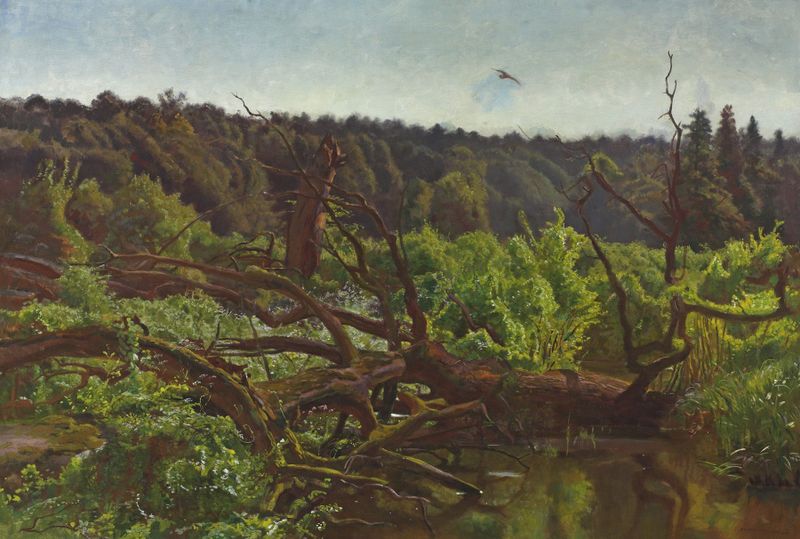
Deep forest – Windthrows
Jozef Chelmonski

Winter Sunset
Jozef Chelmonski
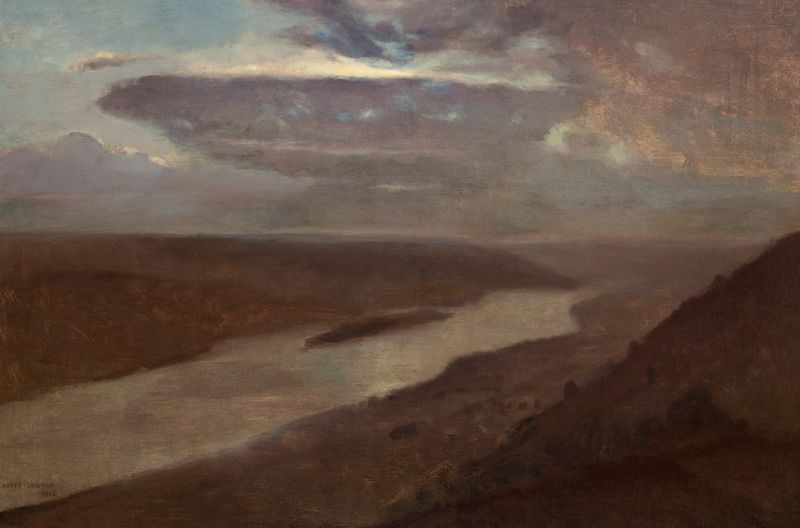
The Dniester River at Night
Jozef Chelmonski
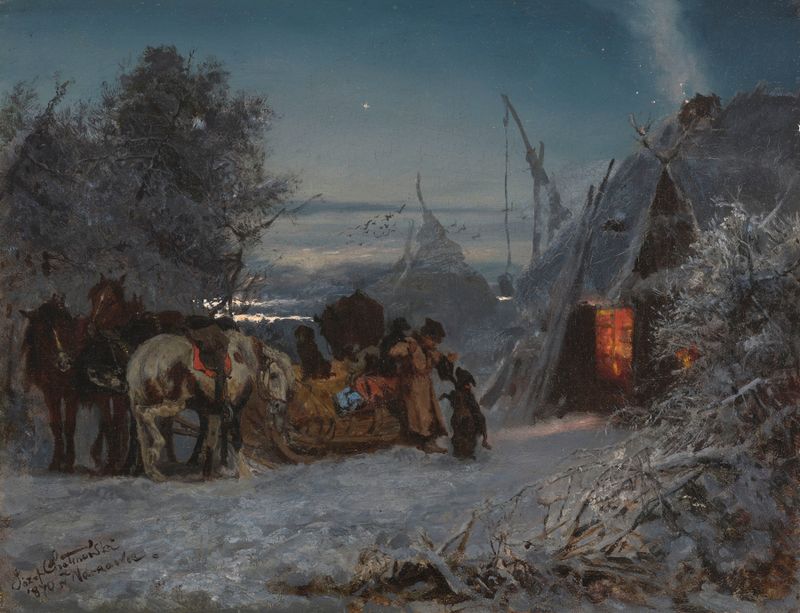
Morning in the Forest
Jozef Chelmonski
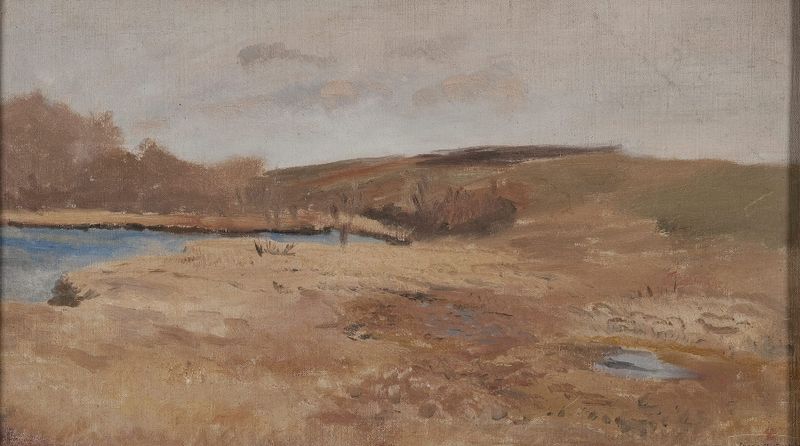
Autumn landscape
Jozef Chelmonski
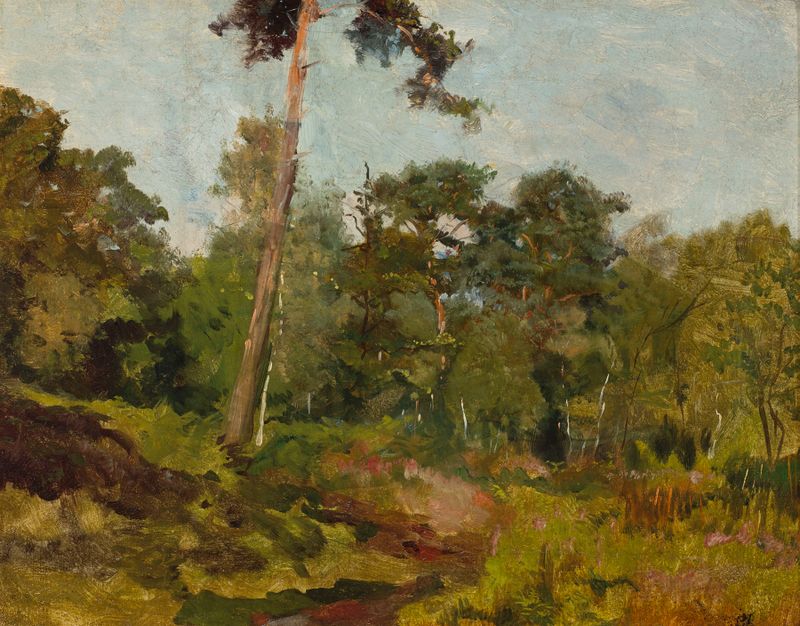
Lasek Buloński
Jozef Chelmonski

Episode from the Uprising of 1863
Jozef Chelmonski

Dawn
Jozef Chelmonski

Village by the Water
Jozef Chelmonski





