
Morskie Oko — History & Facts
Is this a mirror — or a memory? In Morskie Oko, the haunting beauty of the water reflects not just the landscape, but the essence of longing and nostalgia that lingers in the viewer’s heart. Each brushstroke seems to whisper secrets of past summers and tranquil moments lost to time, inviting a deep emotional connection with what is seen. Look to the left at the serene expanse of the lake, where the gentle ripple of water hints at the presence of a breeze. The soft blues and greens blend seamlessly, creating a harmony that draws the eye across the canvas.
Notice how the light dances upon the surface, illuminating patches where vivid hues collide, evoking a sense of tranquility that invites contemplation. The contrasting dark silhouettes of the surrounding mountains serve to heighten the feeling of isolation, emphasizing the lake’s allure as a refuge from the chaos of life. Delve deeper into the composition, and the interplay of light and shadow suggests an internal struggle. The bright reflections on the water contrast with the deep, looming mountains, symbolizing the tension between hope and despair.
Each element of nature—be it the pristine lake or the formidable peaks—exists in a delicate balance that mirrors the complexities of human emotion, drawing the viewer into a world that is both enchanting and melancholic. Painted in 1910 during a time of immense transformation in Poland, Władysław Skoczylas found himself influenced by the burgeoning movement of national identity in art. As he captured the enchanting beauty of Morskie Oko, he sought to express a connection to the land and its heritage amidst the dual challenges of modernity and tradition. This work reflects both his personal journey and the broader cultural shifts of his era.
More Artworks by Władysław Skoczylas
Browse all →
Motyw ze Starego Miasta
Władysław Skoczylas
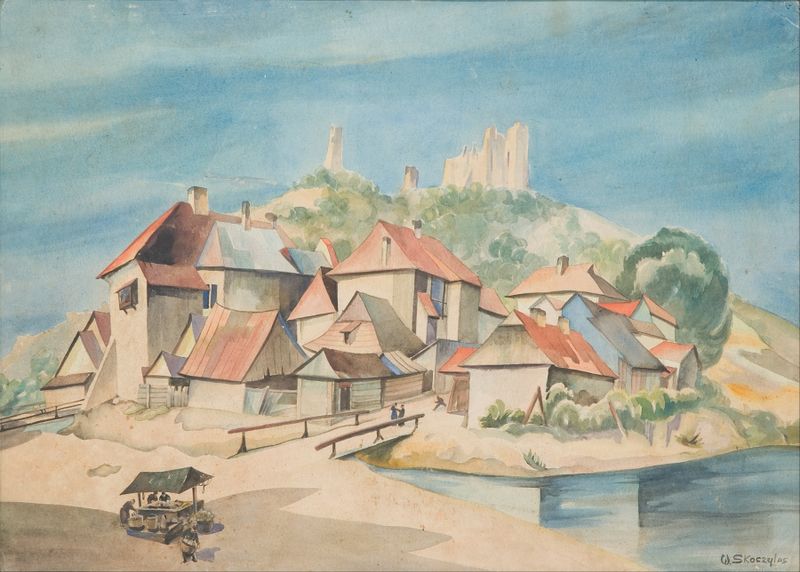
Widok Kazimierza nad Wisłą
Władysław Skoczylas
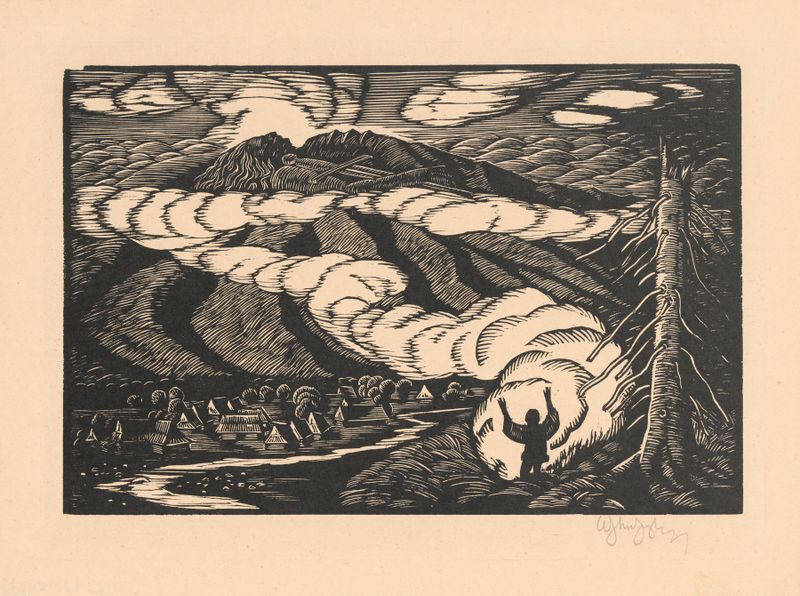
Giewont
Władysław Skoczylas
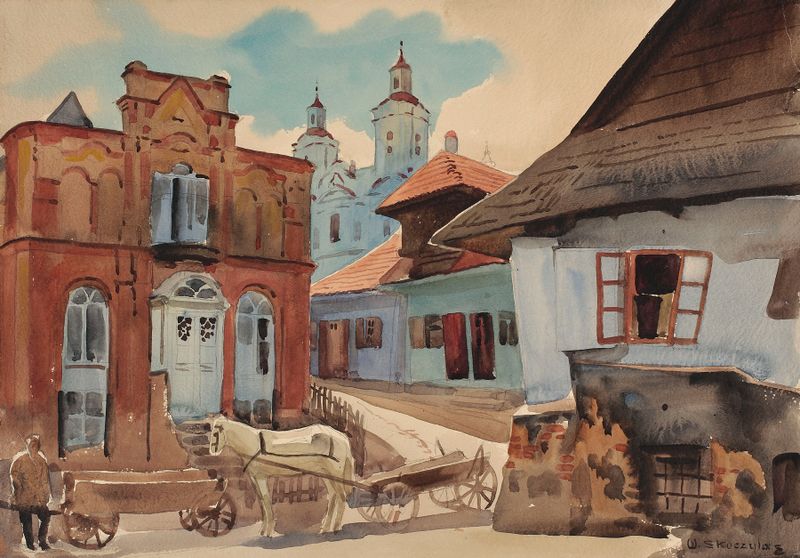
Fragment miasteczka
Władysław Skoczylas

Kościół w Dębnie
Władysław Skoczylas

Ulica w Kazimierzu
Władysław Skoczylas

Rynek w Kazimierzu nad Wisłą
Władysław Skoczylas
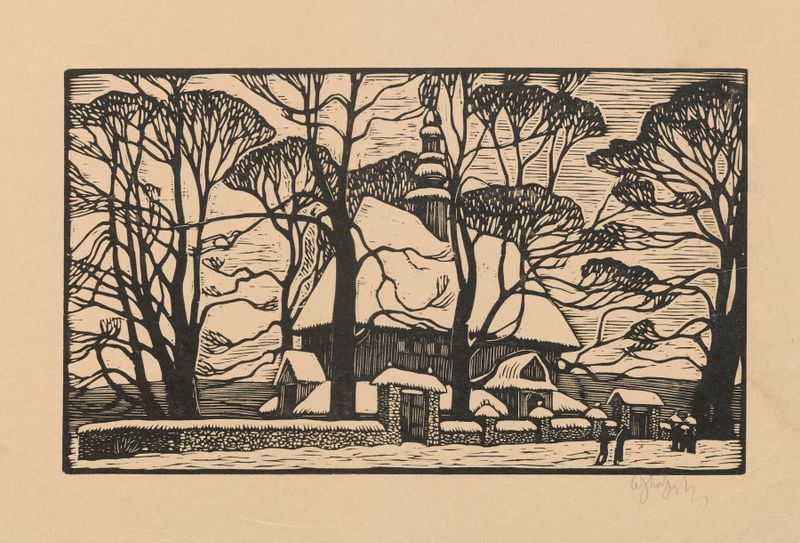
Kościółek w zimie
Władysław Skoczylas

Kolumna Zygmunta
Władysław Skoczylas
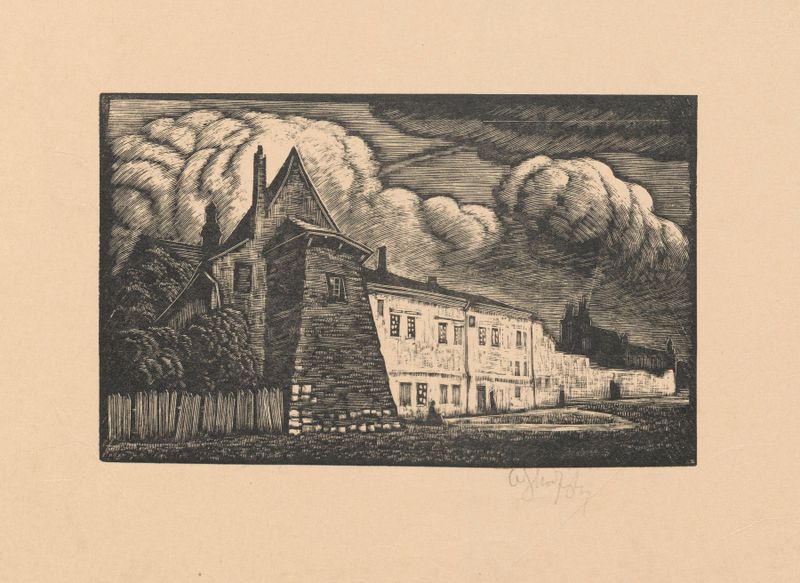
Motyw z Krakowa; Baszta Augustianów
Władysław Skoczylas





