
Mosque at Latachia — History & Facts
In Mosque at Latachia, the transient beauty of architecture meets the permanence of memory, inviting us to contemplate our fleeting existence. Look at the luminous dome that commands the center of the canvas, bathed in soft, golden light that dances as the sun sets in the background. Notice how the artist’s brushstrokes create a delicate interplay of shadows along the ornate details that frame the structure, suggesting both grandeur and intimacy. The cool blues and warm earth tones harmonize, creating a sense of serenity that contrasts with the complexity of life beyond the painted surface. The mosque stands not merely as a building, but as a testament to the passage of time and the stories contained within its walls.
The slight wear on the intricate patterns hints at the hands that have touched them, linking the past with the present in a poignant embrace of memory and mortality. The distant mountains, shrouded in mist, evoke a sense of mystery, inviting the viewer to ponder what lies beyond the visible, a reminder that beauty is often accompanied by impermanence. Luigi Mayer painted Mosque at Latachia in 1810 during a time of personal exploration and artistic growth. Living in a politically charged environment, he was influenced by both the Enlightenment and the emerging Romantic movement, which sought deeper emotional engagement in art.
This period marked a shift towards capturing the sublime and the ephemeral, reflecting the changing tides of society and his own journey as an artist.
More Artworks by Luigi Mayer
Browse all →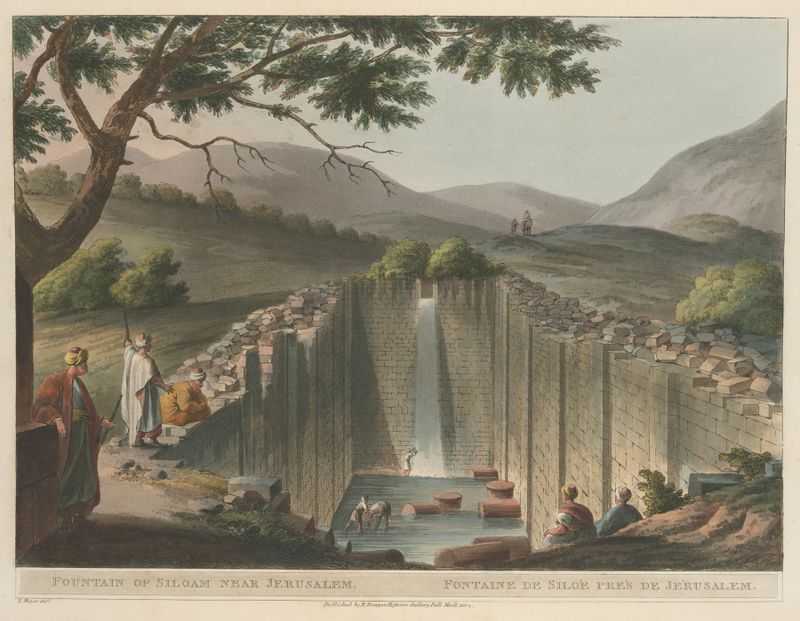
Fountain of Siloam Near Jerusalem
Luigi Mayer

View of the Dardanelles
Luigi Mayer
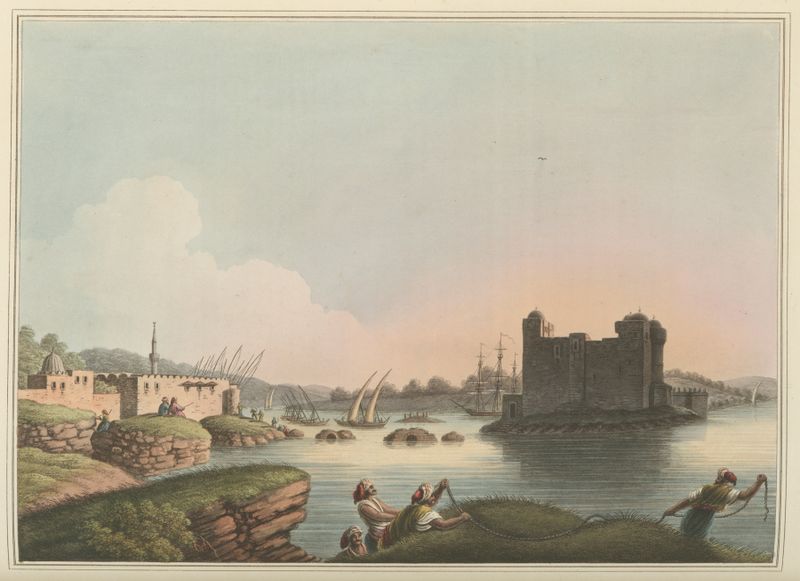
Port of Latachia
Luigi Mayer

Stadium at Ephesus
Luigi Mayer

Ancient Temples at Agrigentum
Luigi Mayer
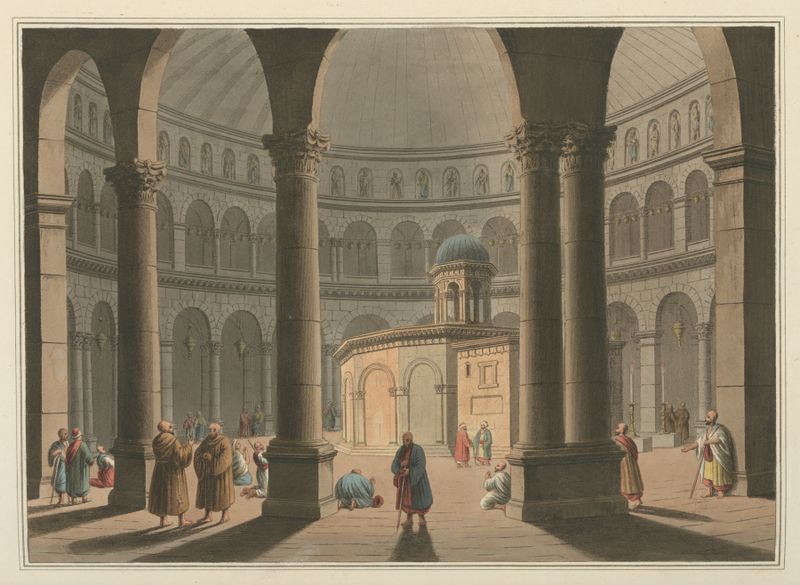
Church of the Holy Sepulchre
Luigi Mayer
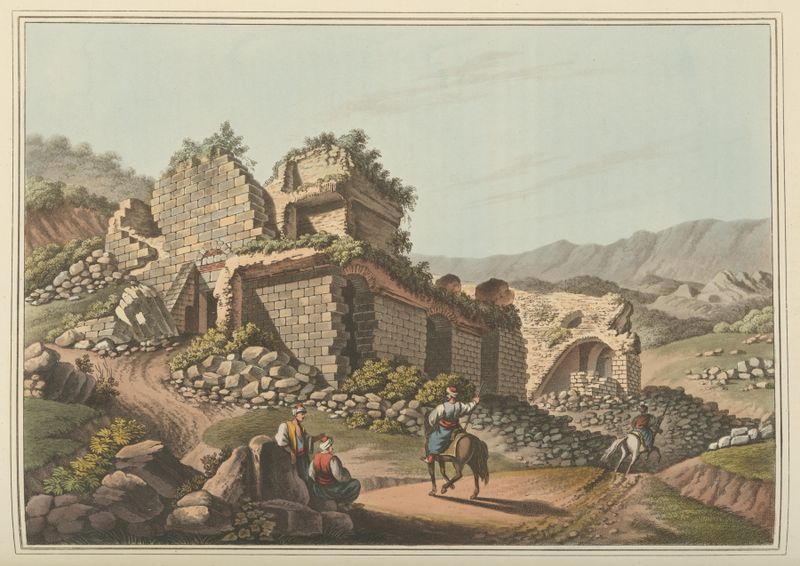
Theatre at Ephesus
Luigi Mayer
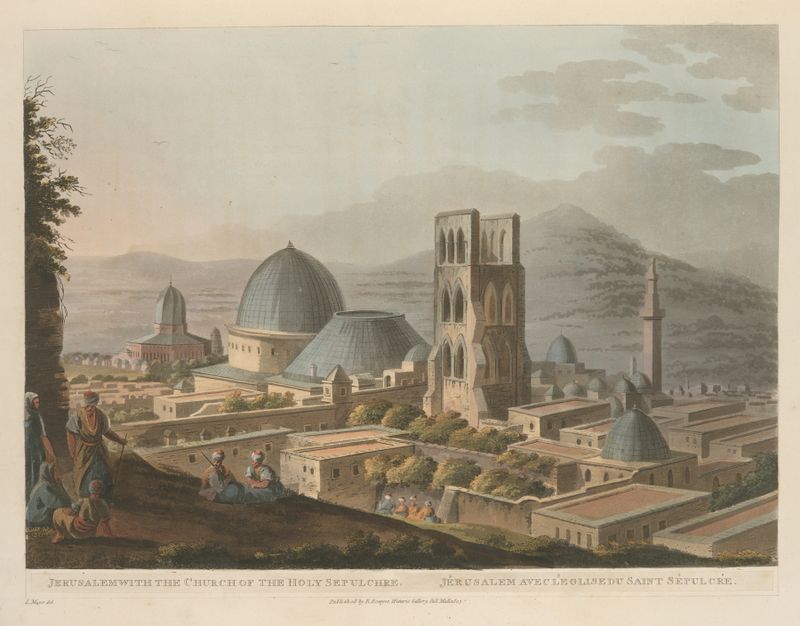
Jerusalem with the Church of the Holy Sepulchre
Luigi Mayer
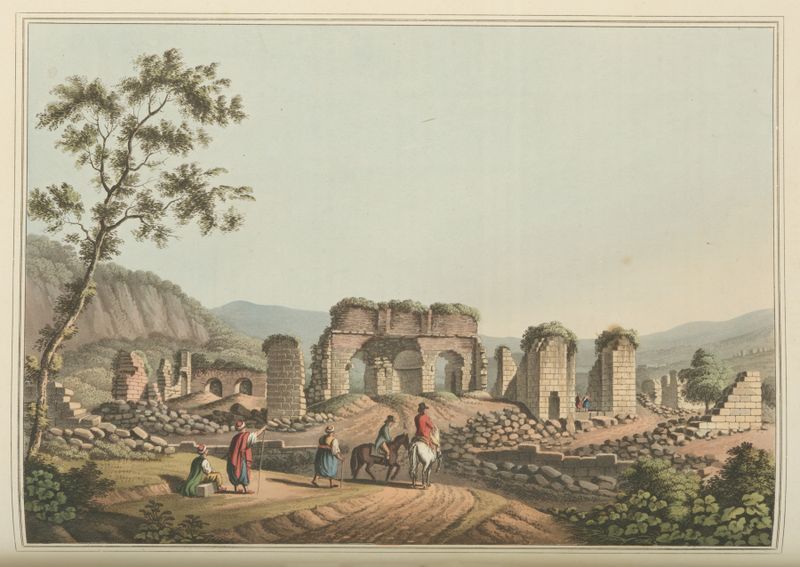
Ruins of the Temple of Diana at Ephesus
Luigi Mayer

Crater in the Island of Volcano
Luigi Mayer
More Architecture Art
Browse all →
The statue of Liberty
Frédéric Auguste Bartholdi

View of Houses in Delft, Known as ‘The Little Street’
Johannes Vermeer

View of Houses in Delft, Known as ‘The Little Street’
Johannes Vermeer

The Cathedral in Rouen. The portal, Grey Weather
Claude Monet

The yellow house
Vincent van Gogh

The Church in Auvers-sur-Oise, View from the Chevet
Vincent van Gogh