
Mossy Stones — History & Facts
What draws the eye in Mossy Stones by August Cappelen is the quiet insistence of nature’s slow work: stone faces softened by moss, a fallen tree bridging the chasm between rock and earth, and the sense that time here is measured in centuries, not moments. The muted palette—greys, ochres, and mossy greens—sets a contemplative mood, inviting the viewer to linger over each patch of lichen and the subtle shifts of shadow. The rocks rise like ancient monuments, their surfaces alive with the memory of water and wind, while the scattered greenery hints at resilience in harsh terrain.
Light is diffused, with no clear sky or sun, which draws attention to the textures and forms rather than any dramatic event. The composition leads the gaze upward and inward, suggesting a landscape both intimate and immense. Painted sometime between 1827 and 1852, this work belongs to a period when Nordic artists like Cappelen turned their attention to the wild, unspoiled corners of their homeland. Landscape painting in this era was not just a celebration of scenery, but a meditation on the forces that shaped both land and national identity.
Such works were often commissioned for private collections or national institutions eager to claim a visual record of the region’s character. Today, Mossy Stones resides in the National Museum of Art, Architecture and Design, a quiet testament to the era’s fascination with the overlooked poetry of rocks and roots. The painting invites us to see the grandeur in the ordinary, and to wonder how many stories lie hidden in the moss.
More Artworks by August Cappelen

Landscape Study with a Precipice
August Cappelen

Decaying forest
August Cappelen
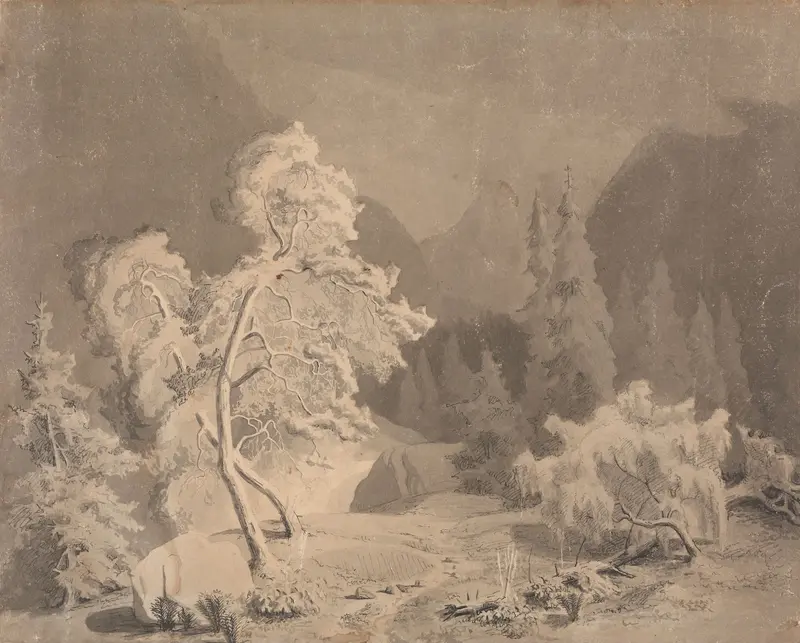
Forest Landscape
August Cappelen
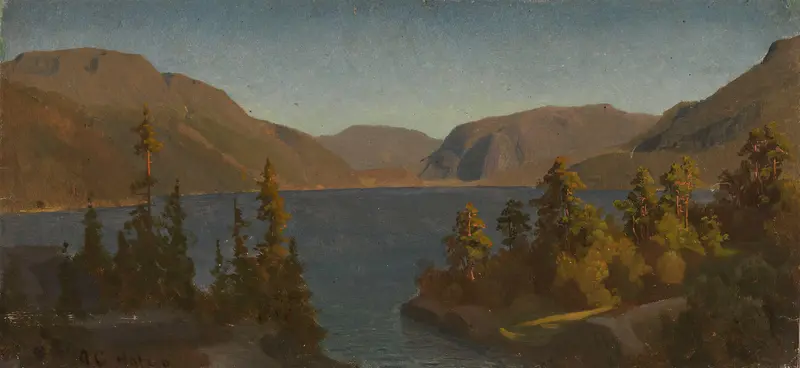
Lake in Telemark
August Cappelen
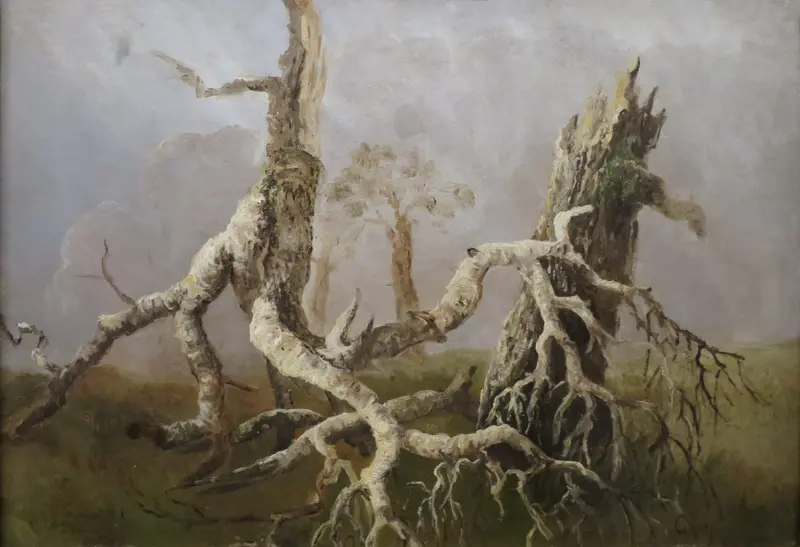
Dying Trees
August Cappelen
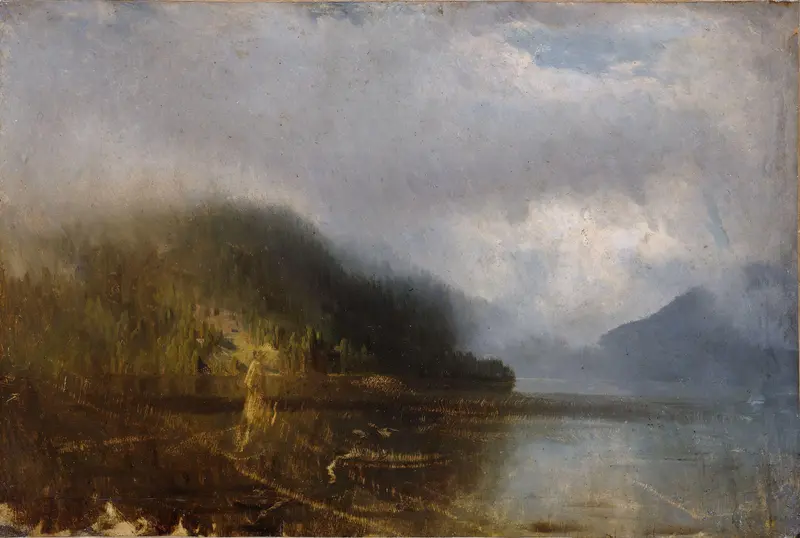
Lake in Fog
August Cappelen
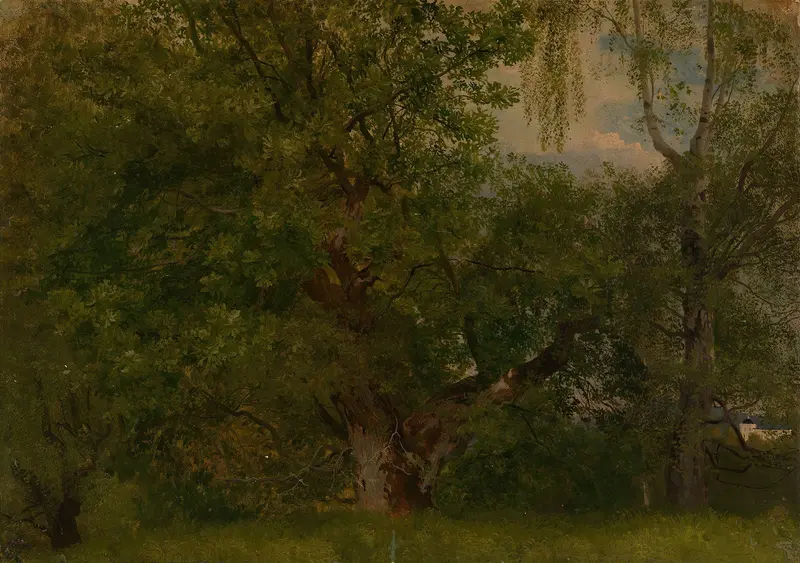
Wood near Ulefoss
August Cappelen
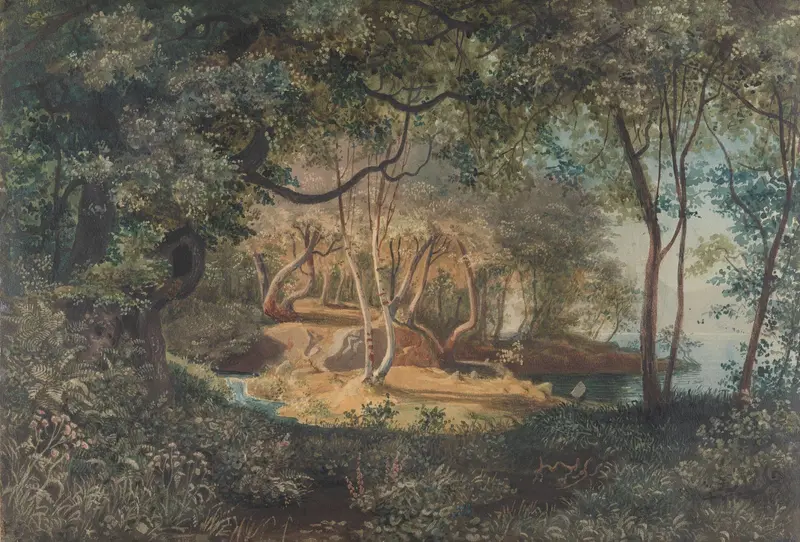
Woodland by the Fjord
August Cappelen
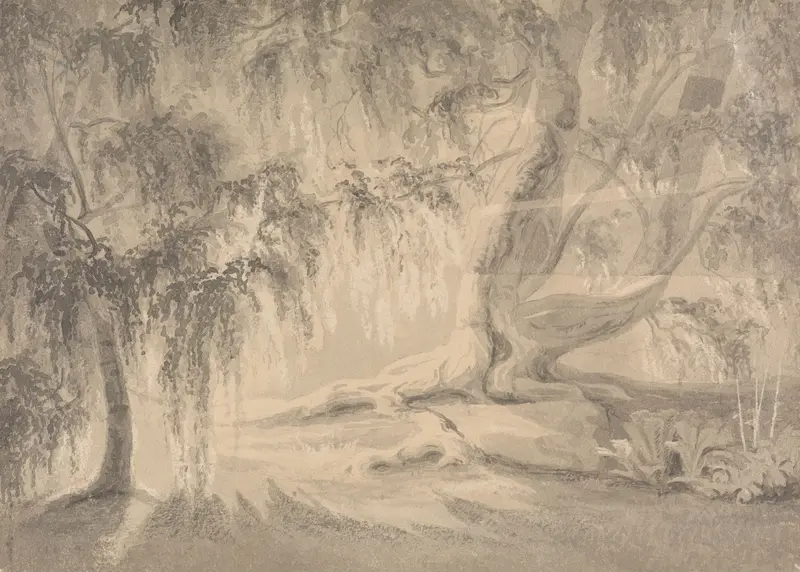
Forest Landscape with Sun Rays
August Cappelen
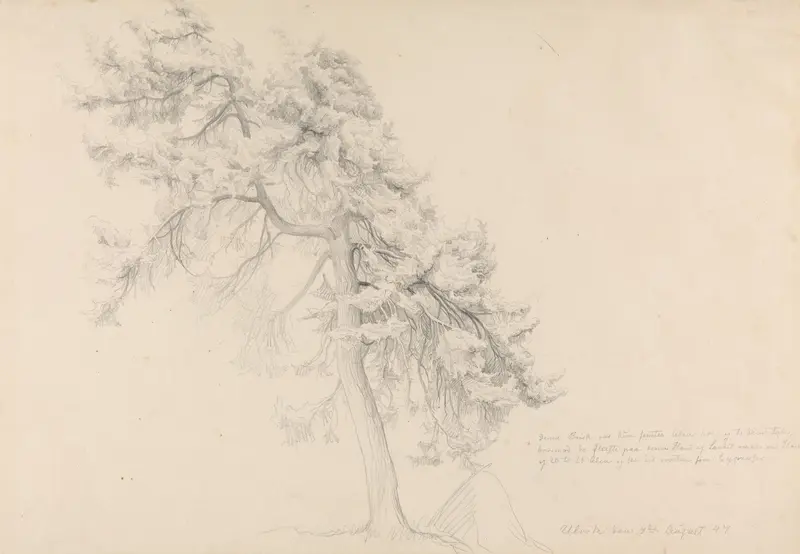
Juniper, Ulvik
August Cappelen
More Landscape Art

The Starry Night
Vincent van Gogh

View of Delft
Johannes Vermeer

Water Lilies
Claude Monet

The Grand Canal, Venice, looking north-west from the Ca' Corner to the Ca' Contarini degli Scrigni, with the campanile of Santa Maria della Carità
Canaletto

Windsor Castle
Canaletto

The Grand Canal looking North-East from the Palazzo Dolfin-Manin to the Rialto Bridge
Canaletto