
Most v Paríži — History & Facts
In the intricate worlds of art and obsession, the two often dance a delicate waltz, revealing shadows of longing behind shimmering surfaces. Look closely at the vibrant hues that weave through the composition, guiding your eyes to the swirling forms in the background. Notice how the warm tones mingle with cooler shades, creating a tension that suggests both harmony and struggle. The meticulous brushwork captures a sense of motion, as if the entire scene vibrates with the pulse of an unspoken desire.
The central figures, draped in rich textures, pull you into their elaborate tapestry of emotions, inviting you to uncover the layers beneath their opulent façade. Delve deeper into the details—the glimmering gold accents that outline the figures evoke a sense of allure, yet they also echo the emptiness of obsession. The juxtaposition of beauty and melancholy leads to a profound commentary on love and desire, exploring how attachment can entrap the heart rather than liberate it. Amid the glitz, the viewer senses an underlying ache, a reminder that true beauty often masks heart-wrenching truths. Zolo Palugyay created this work in 1930, a time when he was immersed in the vibrant artistic movements of interwar Europe.
Living in Paris, he navigated a world filled with avant-garde experimentation and fervent expression, seeking to capture the complexities of human emotion through his art. This period was marked by the rise of modernism, challenging artists to explore new realities and push boundaries, a quest echoed within the intricate layers of this piece.
More Artworks by Zolo Palugyay
Browse all →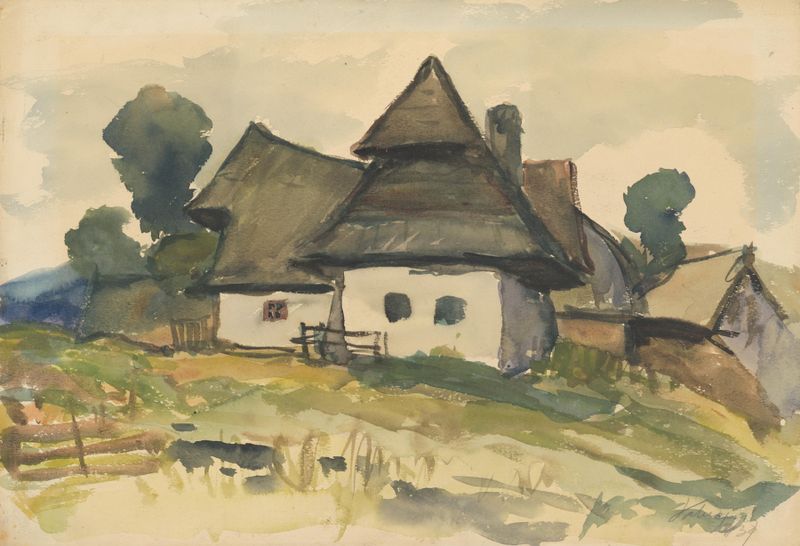
Dedinský motív
Zolo Palugyay
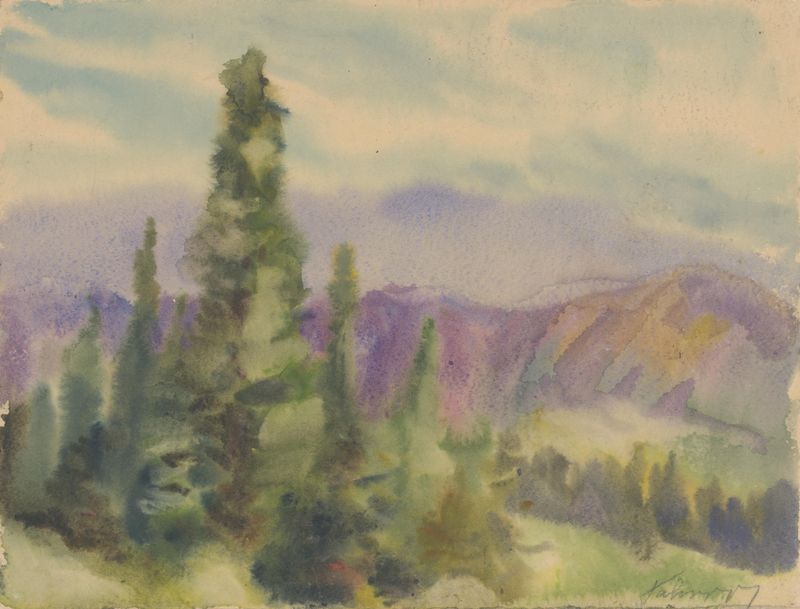
Motif from Liptov Mountains
Zolo Palugyay
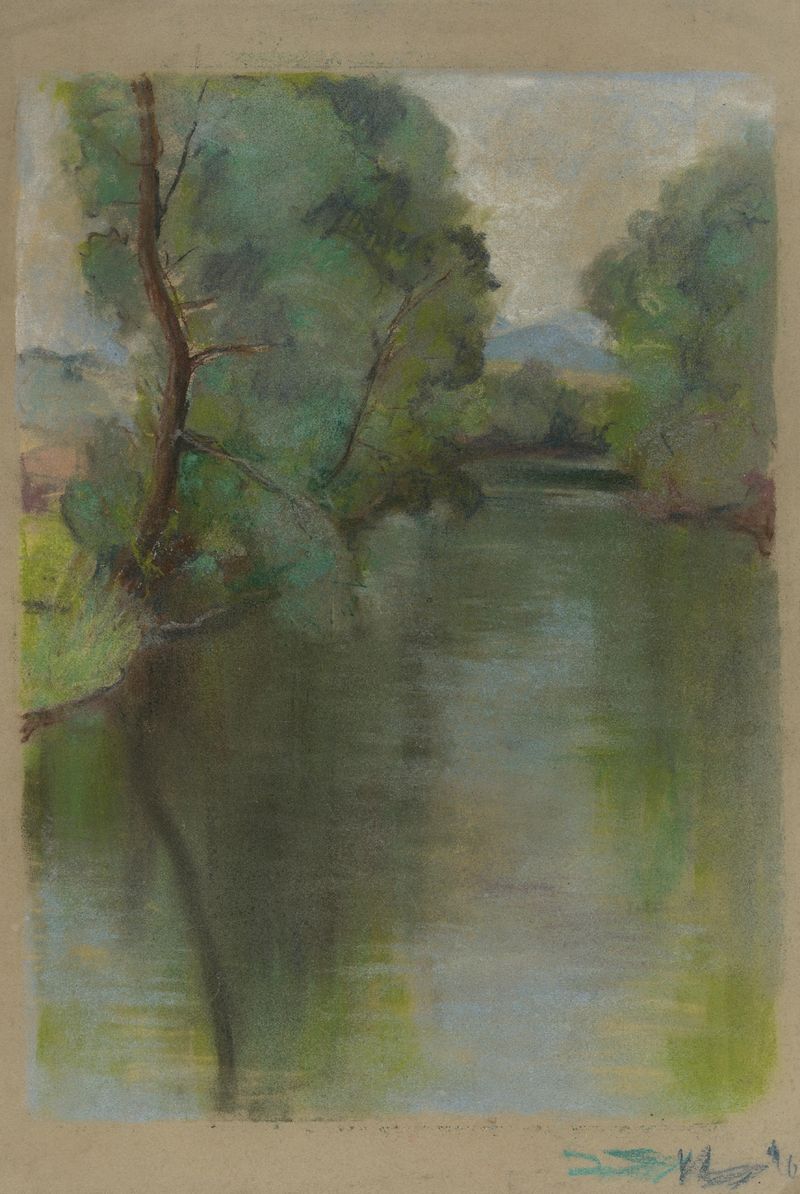
Silent River
Zolo Palugyay
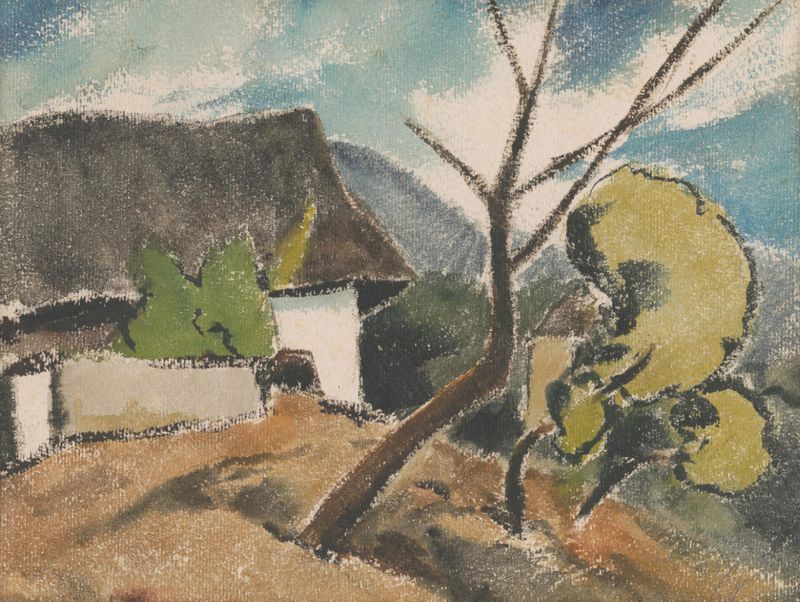
Oravská chalupa
Zolo Palugyay
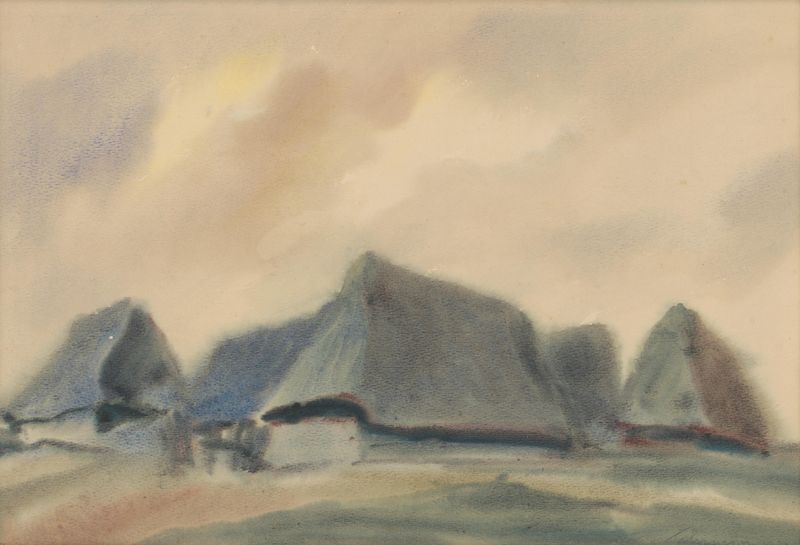
Modré chalupy
Zolo Palugyay
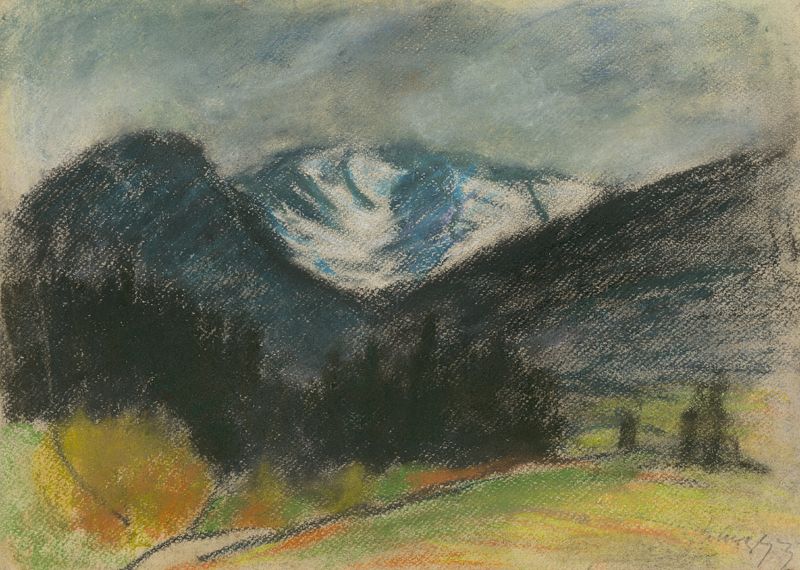
Mountain Landscape with Snowy Peaks
Zolo Palugyay
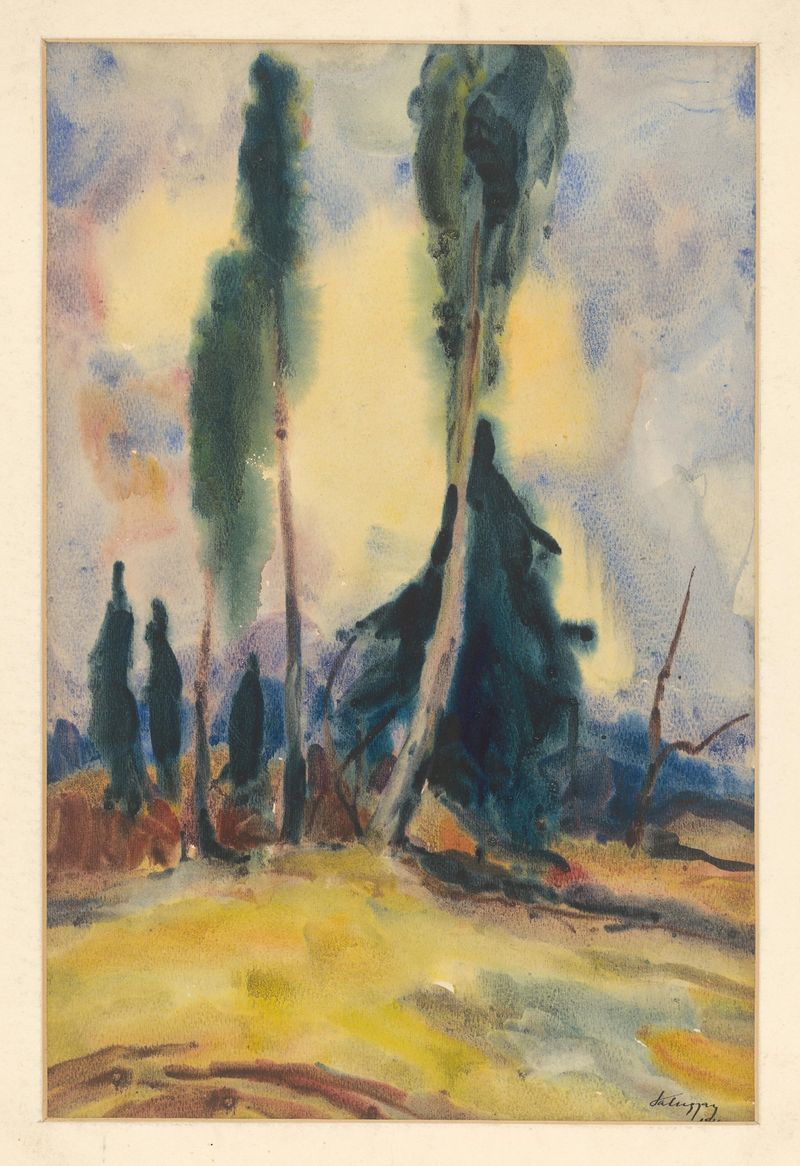
Three Trees on a Plain
Zolo Palugyay
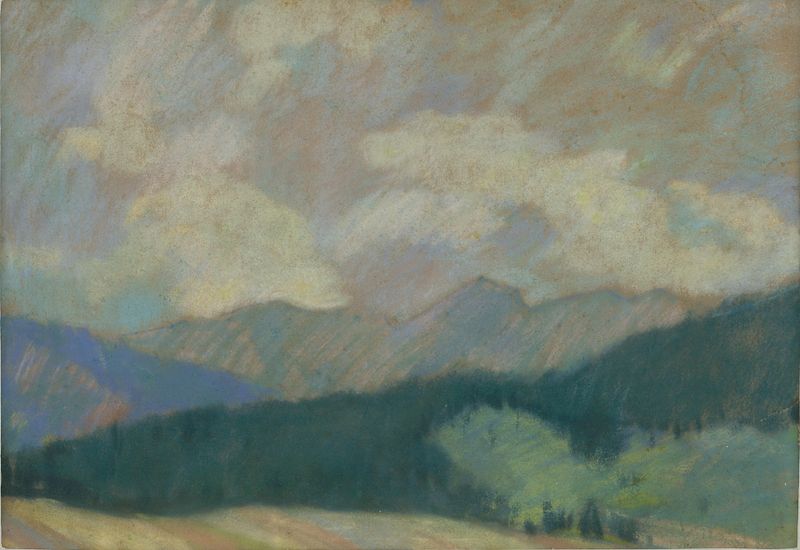
Horská krajina
Zolo Palugyay
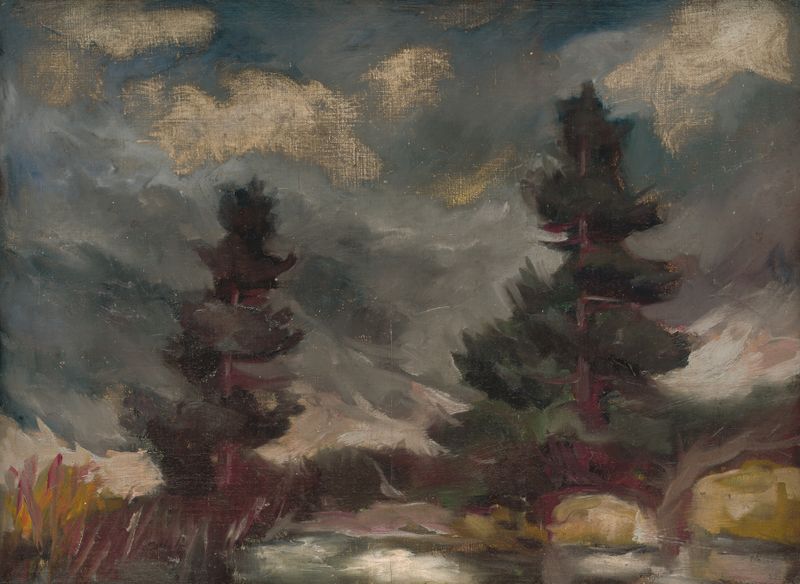
Tatra Landscape
Zolo Palugyay
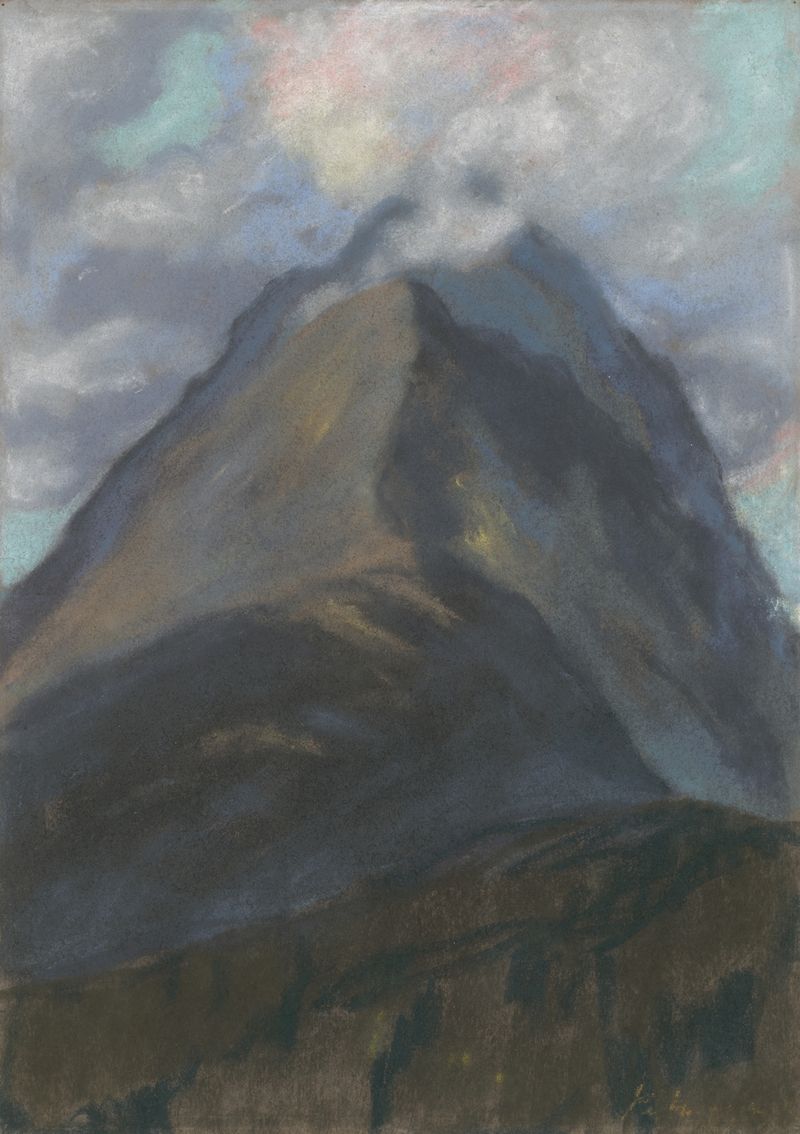
Spring Landscape
Zolo Palugyay





