
Most X. J. Poniatowskiego — History & Facts
The shimmering allure of light often masks the shadows lurking beneath, revealing life’s bittersweet complexity. Look to the center of the canvas where a radiant beam cascades, illuminating a delicate figure enshrined in intricate golden patterns. The artist's skillful brushwork creates a dance of textures, where the interplay of light and shadow draws the eye to the fragile beauty of the subject. Surrounding her, soft hues of blue and muted earth tones create an ethereal atmosphere that contrasts sharply with the vibrant gold, enhancing the figure's poignant isolation. As one absorbs the work, hidden narratives emerge within the layers of color.
The interplay of light symbolizes hope, while the subdued background suggests a deep yearning or sorrow. Each brushstroke conveys a sense of fragility; the golden embellishments may represent aspirations or dreams, tinged with an awareness of impermanence. This duality invites viewers to reflect on their own experiences of joy interwoven with pain, challenging them to find solace amidst the struggle. Tadeusz Cieślewski painted this piece in 1930, during a period marked by significant artistic experimentation in Poland.
Emerging from a backdrop of political upheaval and social change, he sought to capture the intricacies of human emotion through vibrant colors and expressive forms. This era left its imprint on his work, weaving a sense of historical urgency into the intimate portrayals that define his artistic legacy.
More Artworks by Tadeusz Cieślewski
Browse all →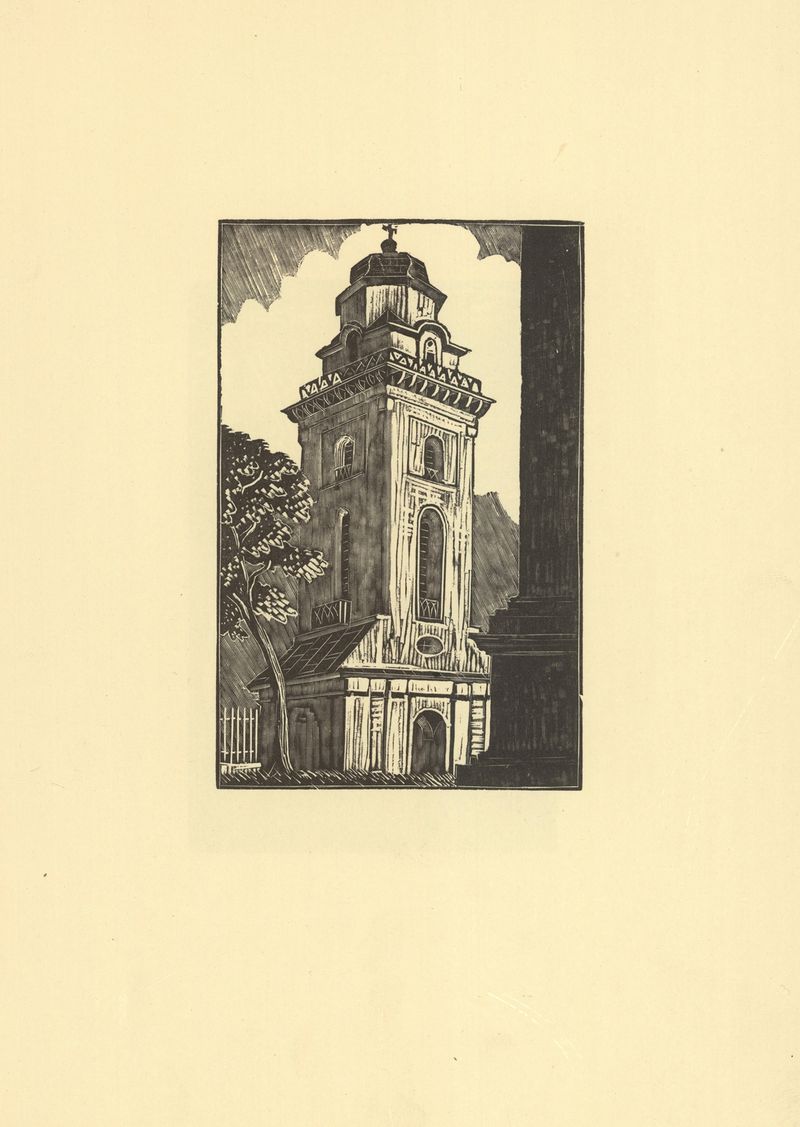
Zamość Pl.2
Tadeusz Cieślewski

Dwanaście widoków Warszawy – Title page
Tadeusz Cieślewski

Mountainous landscape with a river
Tadeusz Cieślewski
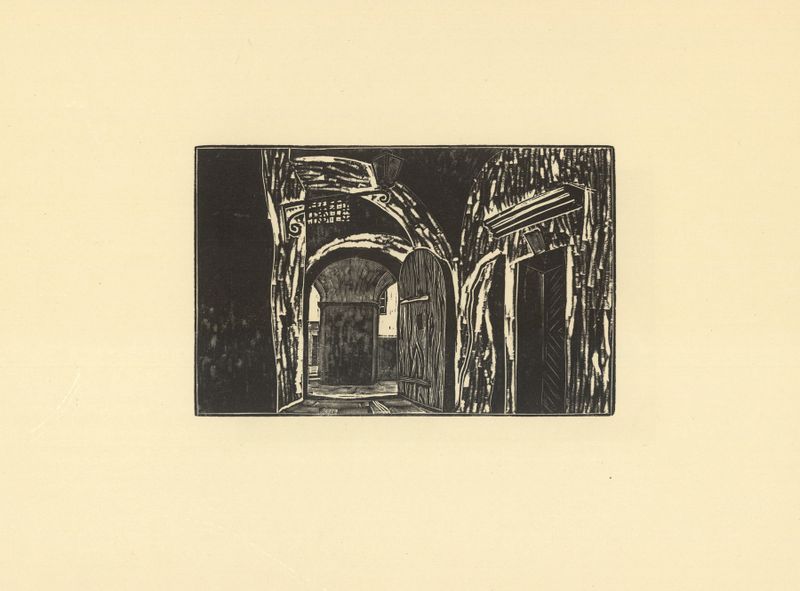
Zamość Pl.3
Tadeusz Cieślewski
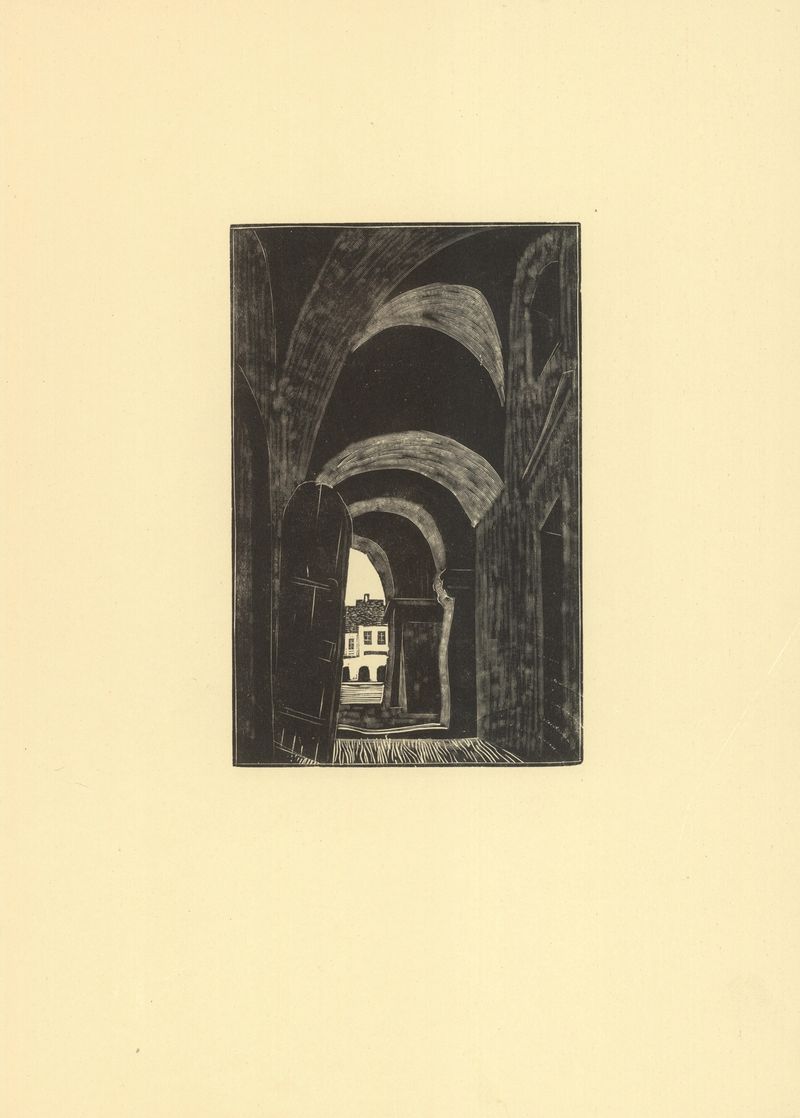
Zamość Pl.5
Tadeusz Cieślewski
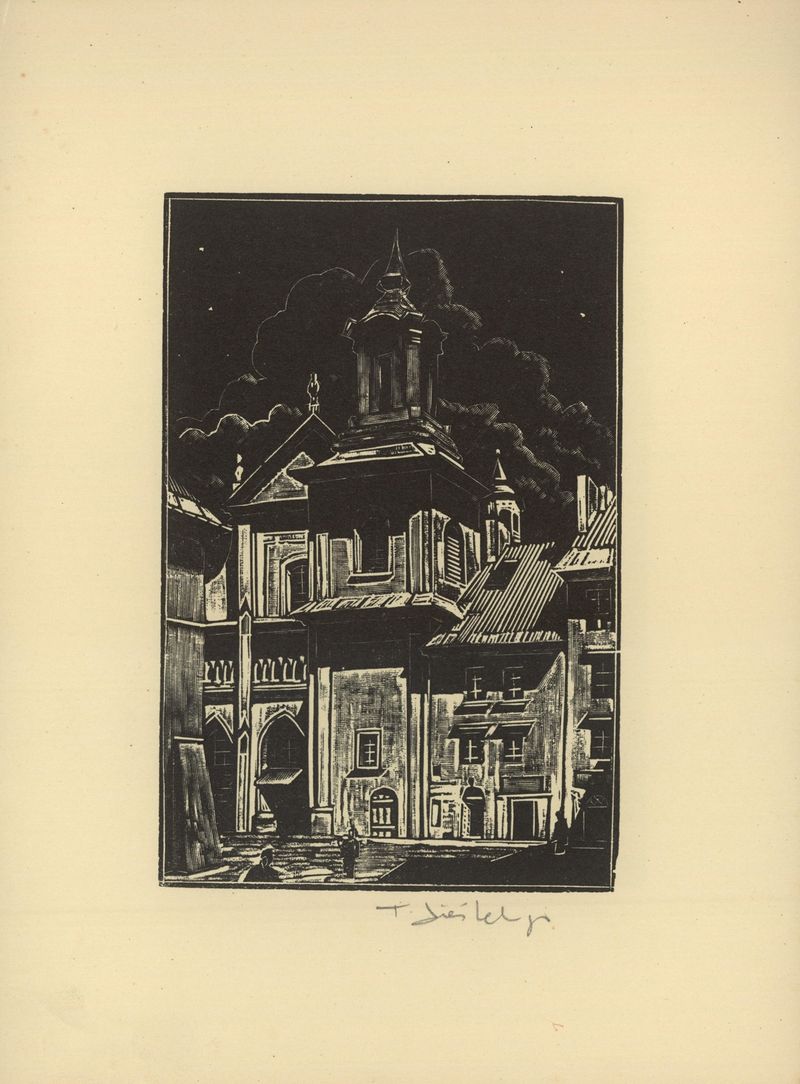
Kościół Dominikanów
Tadeusz Cieślewski

Pomnik Kopernika
Tadeusz Cieślewski
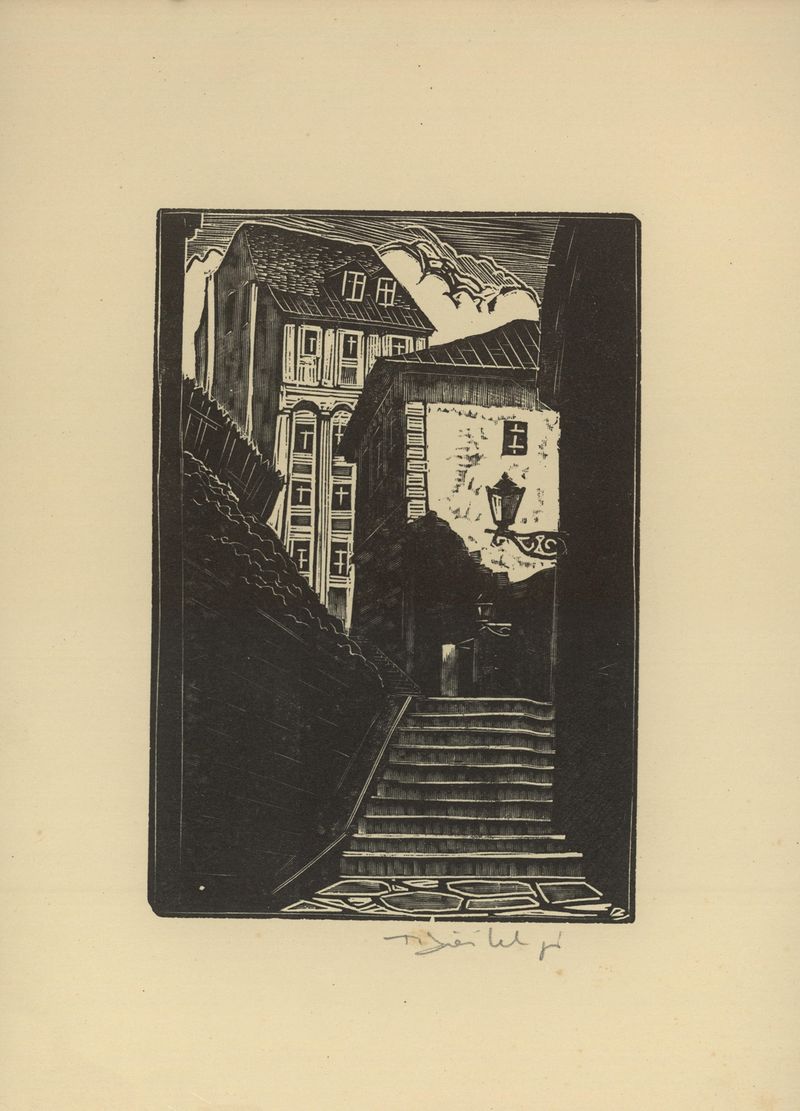
Kamienne Schodki
Tadeusz Cieślewski
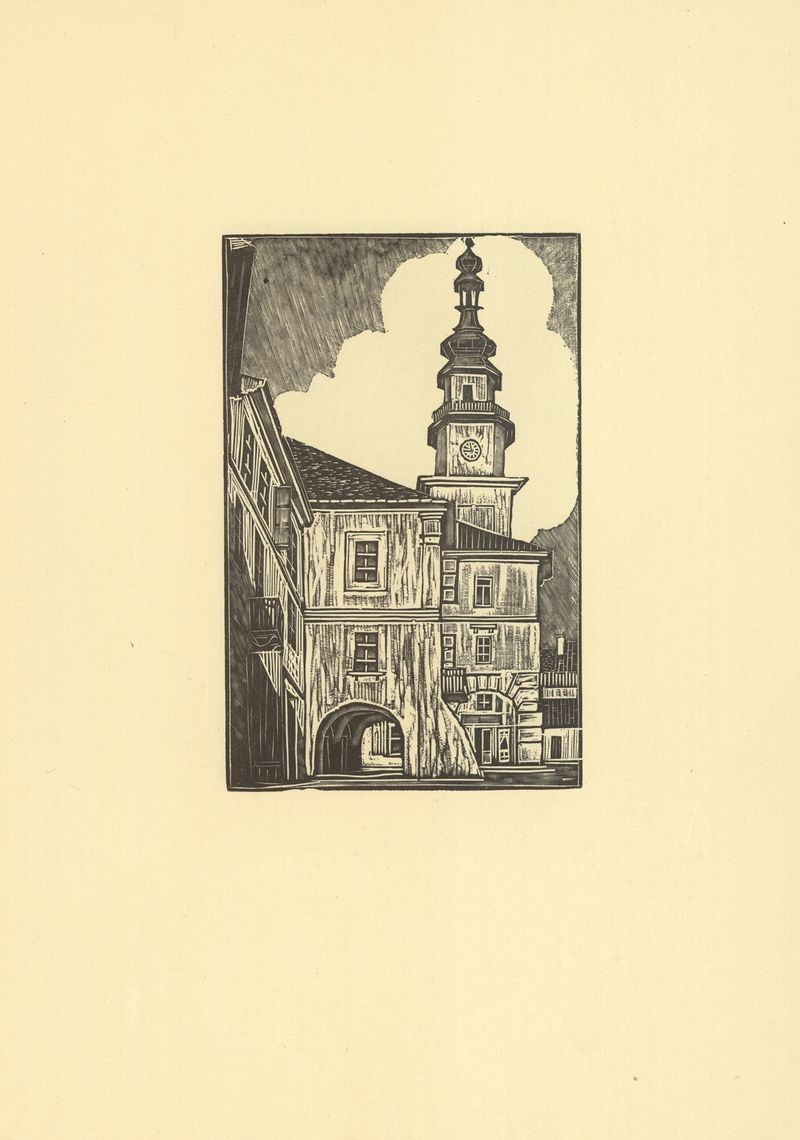
Zamość Pl.4
Tadeusz Cieślewski
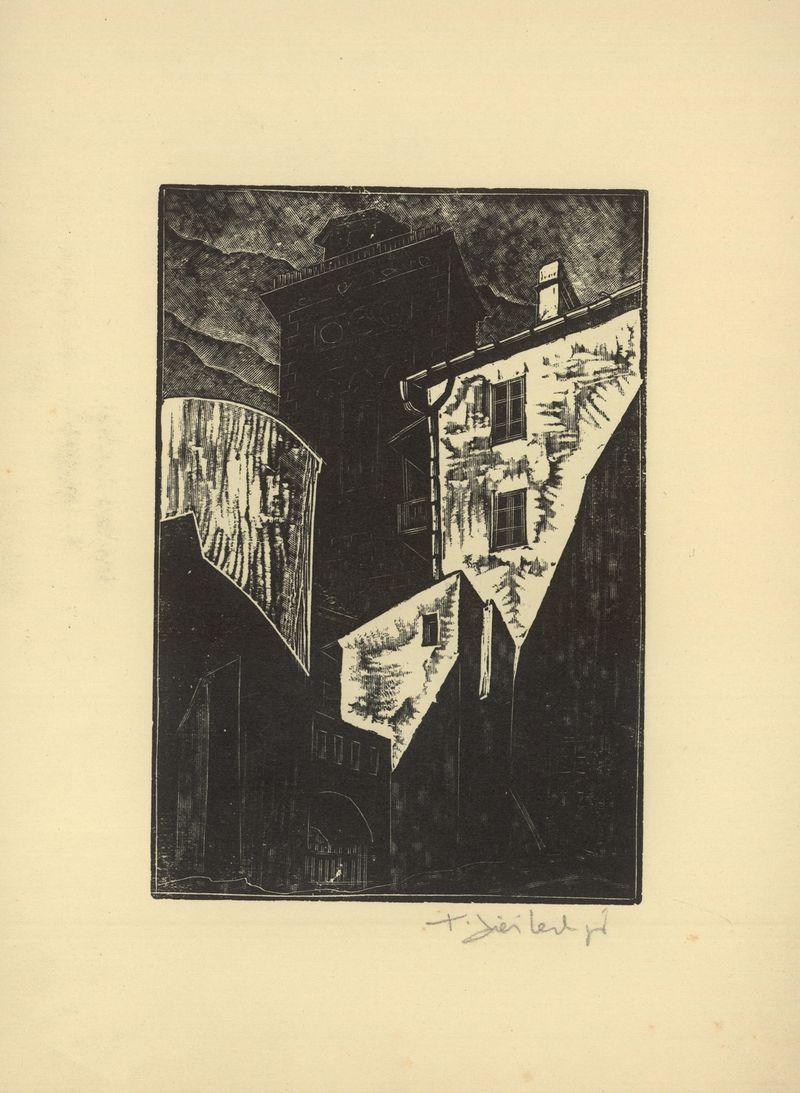
Wieża Bernardynów
Tadeusz Cieślewski





