Mot, vier vlinders, twee hommels en twee andere insekten — History & Facts
Can beauty exist without sorrow? In Mot, vier vlinders, twee hommels en twee andere insekten, the delicate interplay between life and decay whispers of the transient nature of existence, inviting contemplation on the bittersweet essence of nature’s tapestry. Look to the center of the composition, where a striking moth spreads its wings, its intricate patterns shimmering against the muted backdrop. The artist’s meticulous attention to detail draws your eye to the fluttering butterflies flanking the moth, their vibrant colors contrasting with the somber tones that surround them. Soft strokes and natural light create a tranquil atmosphere, while the subtle use of shadow emphasizes the fragility of these creatures, hinting at the ephemeral beauty of life itself. Beneath the surface, a deeper narrative unfolds.
Each insect embodies the duality of life and death, suggesting a moment frozen in time before inevitable decay. The poignant presence of two bumblebees adds to this emotional complexity; they buzz with life yet also signify the fragility of existence. The arrangement reflects a serene stillness, yet the viewer can sense the underlying melancholy—a reminder of nature’s cycle, where beauty and sorrow coexist in eternal harmony. Wenceslaus Hollar created this work during a period of great change in Europe, between 1644 and 1652, amidst the backdrop of the Thirty Years' War.
Living in Antwerp and later London, Hollar was deeply influenced by the Baroque movement’s fascination with realism and detail. His exploration of natural forms not only showcases his technical prowess but also reflects the cultural and artistic shifts of the time, embodying a moment where the beauty of life was often shadowed by the chaos of the world around him.
More Artworks by Wenceslaus Hollar
Browse all →
Portret van Anna Boleyn, koningin van Engeland
Wenceslaus Hollar
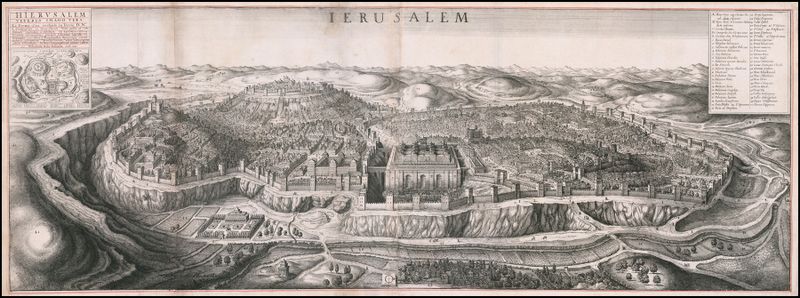
Bird’s eye view of Jerusalem
Wenceslaus Hollar
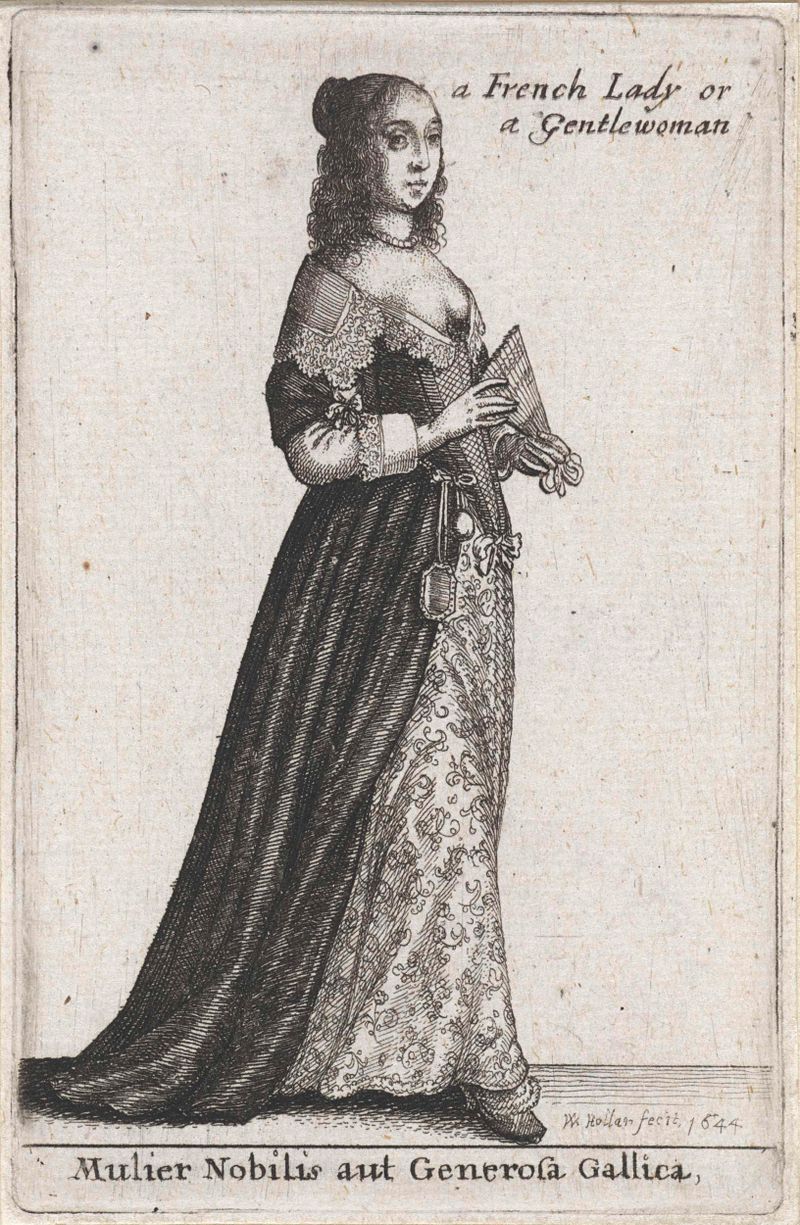
Mulier Nobilis aut Generosa Gallica / a French Lady or Gentlewoman
Wenceslaus Hollar
Titelprent voor: Ornatus Muliebris Anglicanus
Wenceslaus Hollar
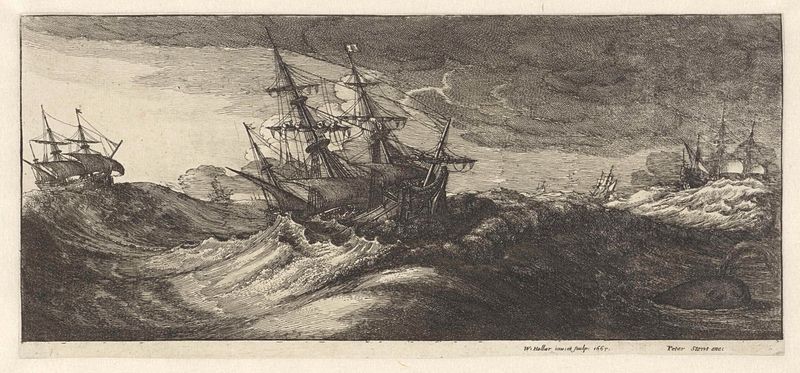
Oorlogsschepen en een walvis in een zeestorm
Wenceslaus Hollar
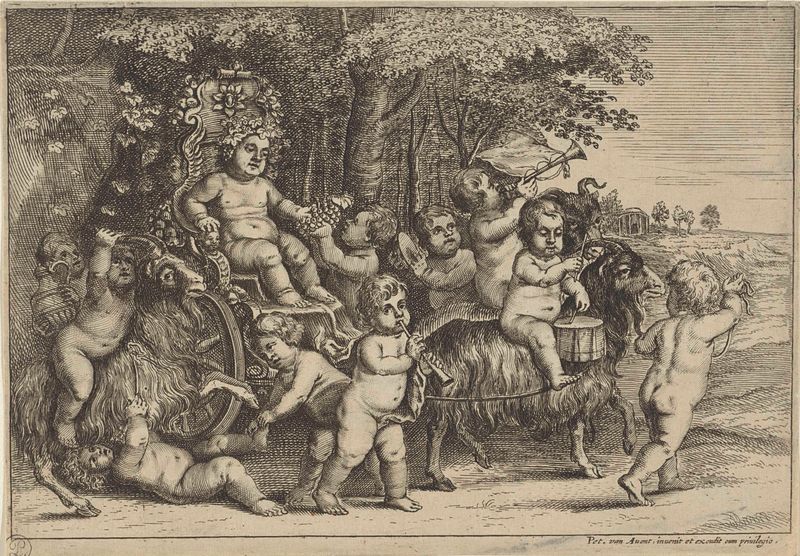
Optocht van bacchant en jongetjes op geiten
Wenceslaus Hollar
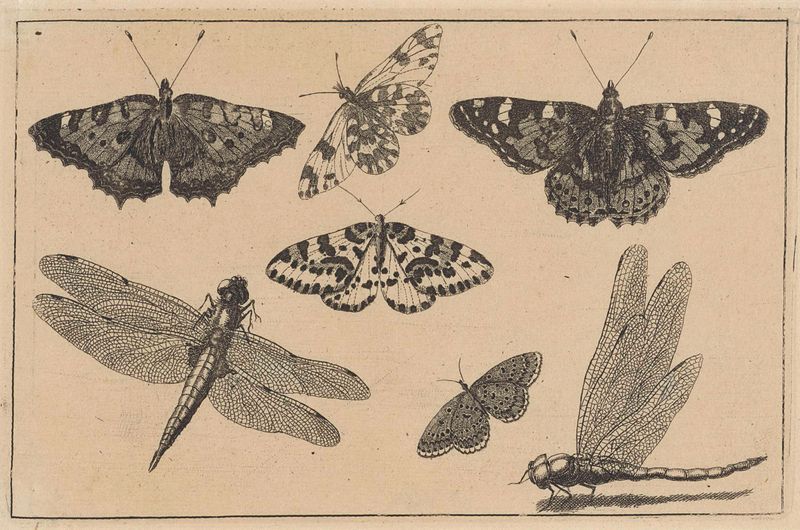
Twee libellen en vijf vlinders
Wenceslaus Hollar
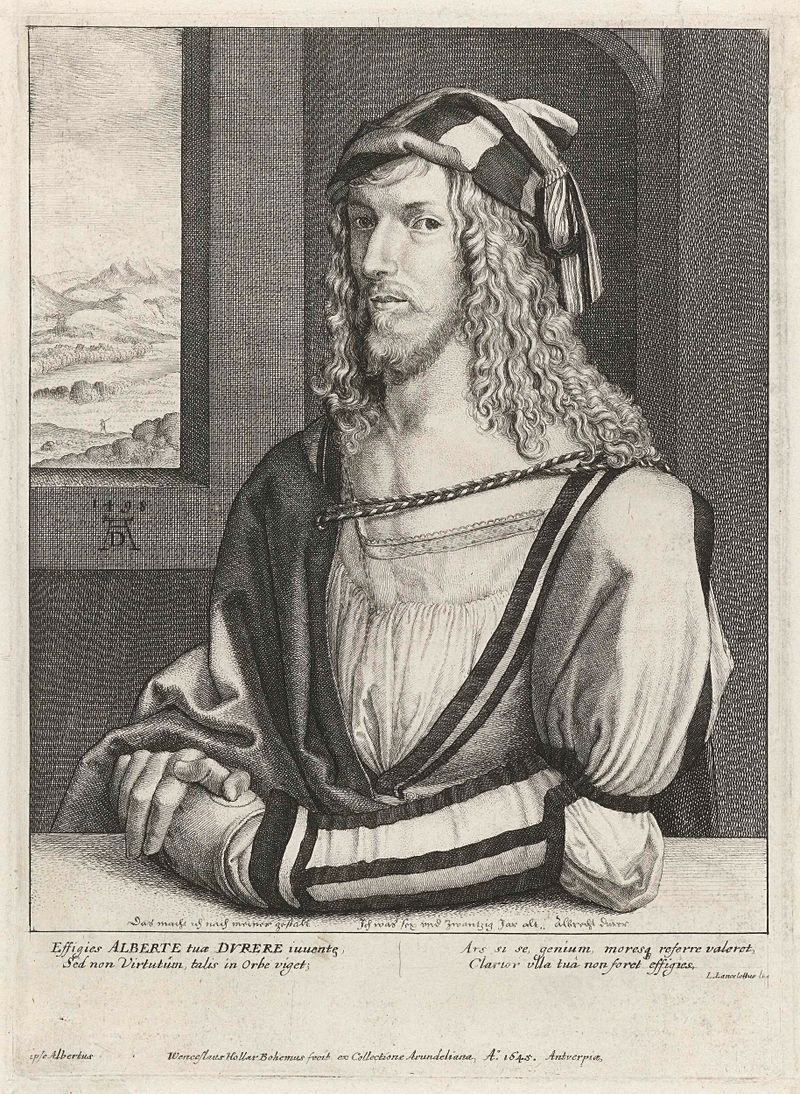
Portret van Albrecht Dürer
Wenceslaus Hollar
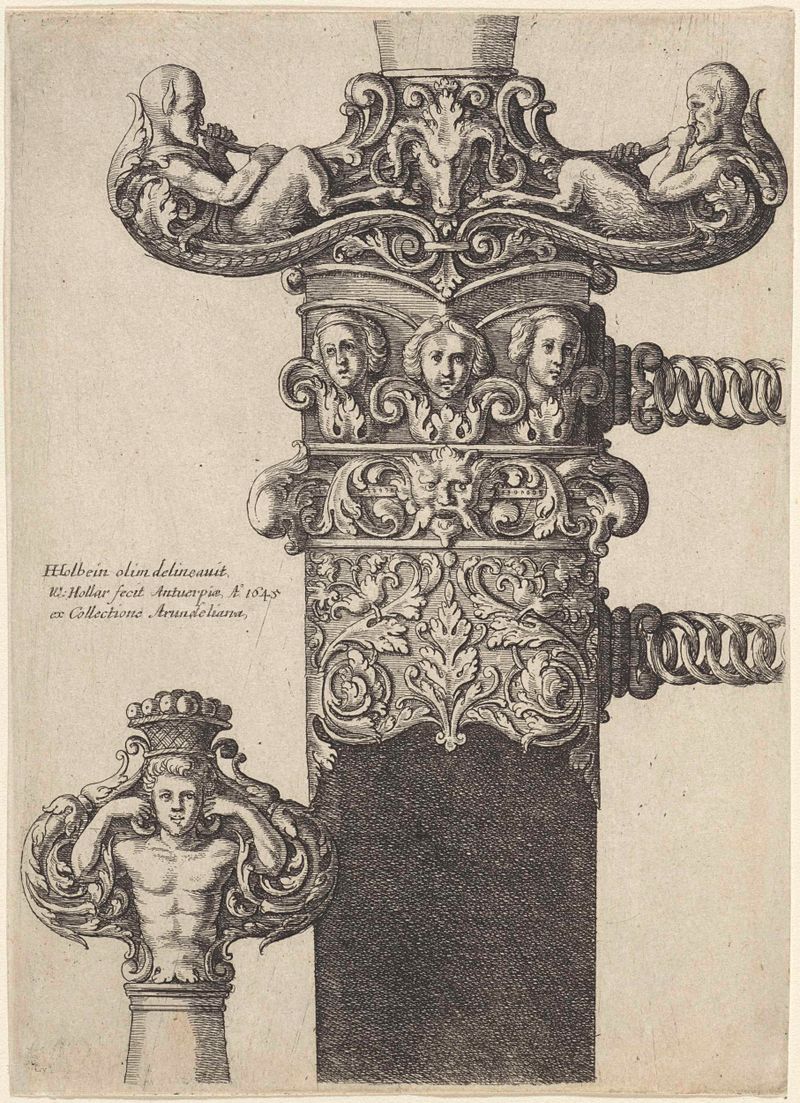
Ornamenteel ontwerp voor een dolk
Wenceslaus Hollar
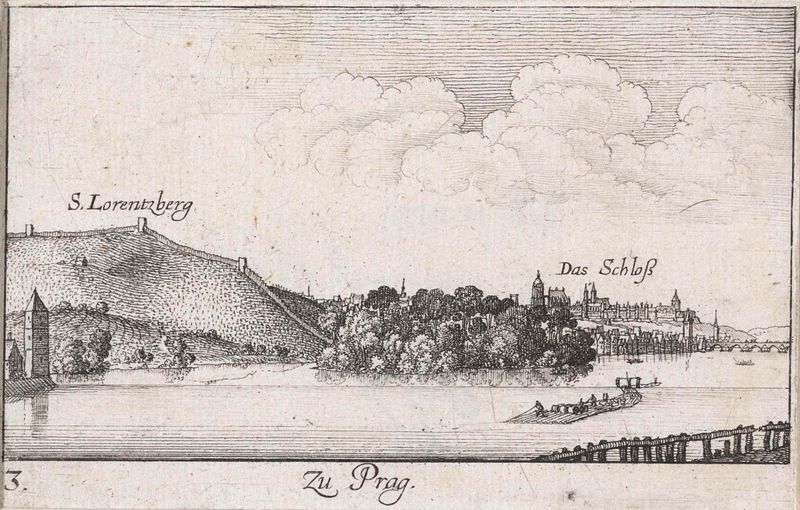
Gezicht op Praag vanaf de Moldau
Wenceslaus Hollar