Mother and daughter — History & Facts
Two faces emerge from the darkness, their features caught in a beam of light that seems almost to weigh upon them. The older woman’s gaze is steady, her mouth set in a line that hints at both endurance and care, while the younger’s eyes—softer, almost questioning—look outward as if searching for reassurance. The hands, rough and honest, cradle a book, its pages just visible at the edge of the frame, suggesting a moment of shared reading or learning.
The palette is somber, dominated by browns and shadow, yet the faces glow with a quiet intensity, drawing the viewer into the intimacy of the scene. Every brushstroke seems to insist on the reality of these two lives, their bond rendered palpable in the space between their shoulders. Works like Mother and daughter by Augustin Théodule Ribot belong to a tradition of 19th-century French realism that sought dignity in the ordinary and the overlooked. Ribot, often compared to Chardin and the Spanish masters he admired, was known for his unvarnished depictions of humble people, painted with a gravity usually reserved for saints or kings.
Such paintings were rarely grand commissions; instead, they answered a growing appetite among collectors and critics for images of everyday virtue and struggle. This particular work, documented as photographed on 11 November 2021 and held in a private collection, is a reminder that history has kept few traces of many such intimate moments—yet here, in paint and shadow, the quiet drama of family endures.
More Artworks by Augustin Théodule Ribot

The Scullion
Augustin Théodule Ribot
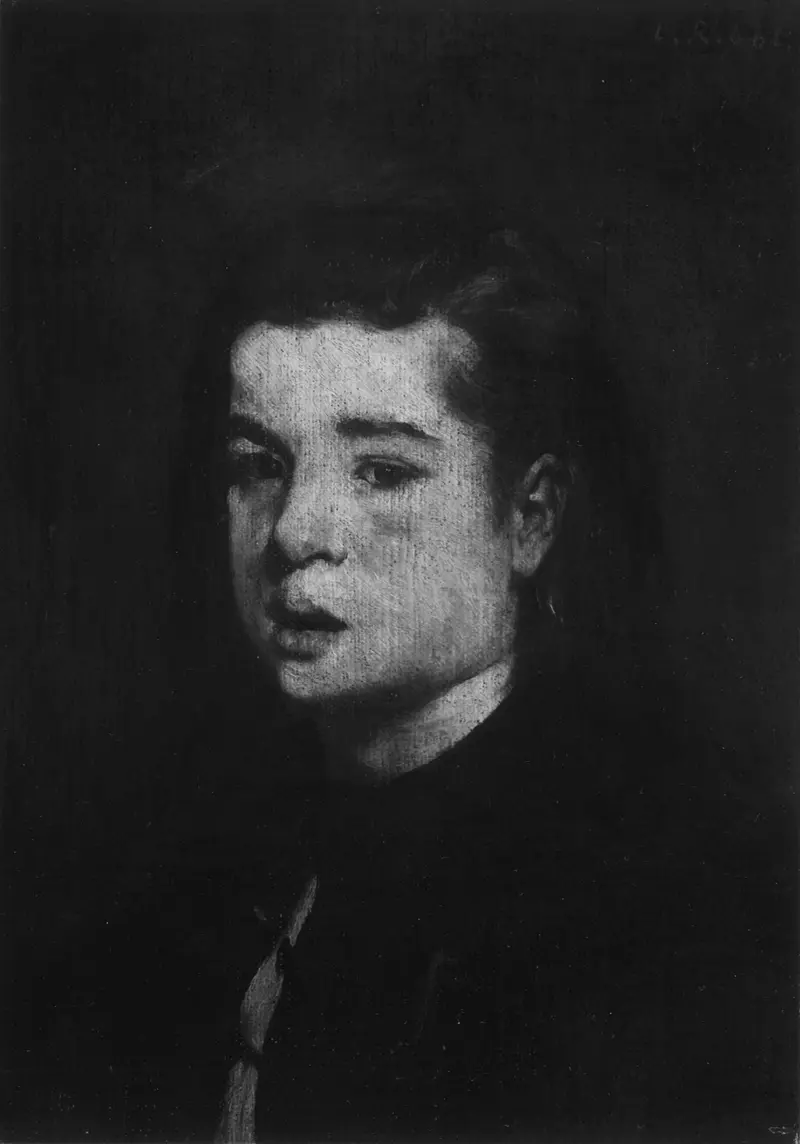
The Artist's Daughter
Augustin Théodule Ribot
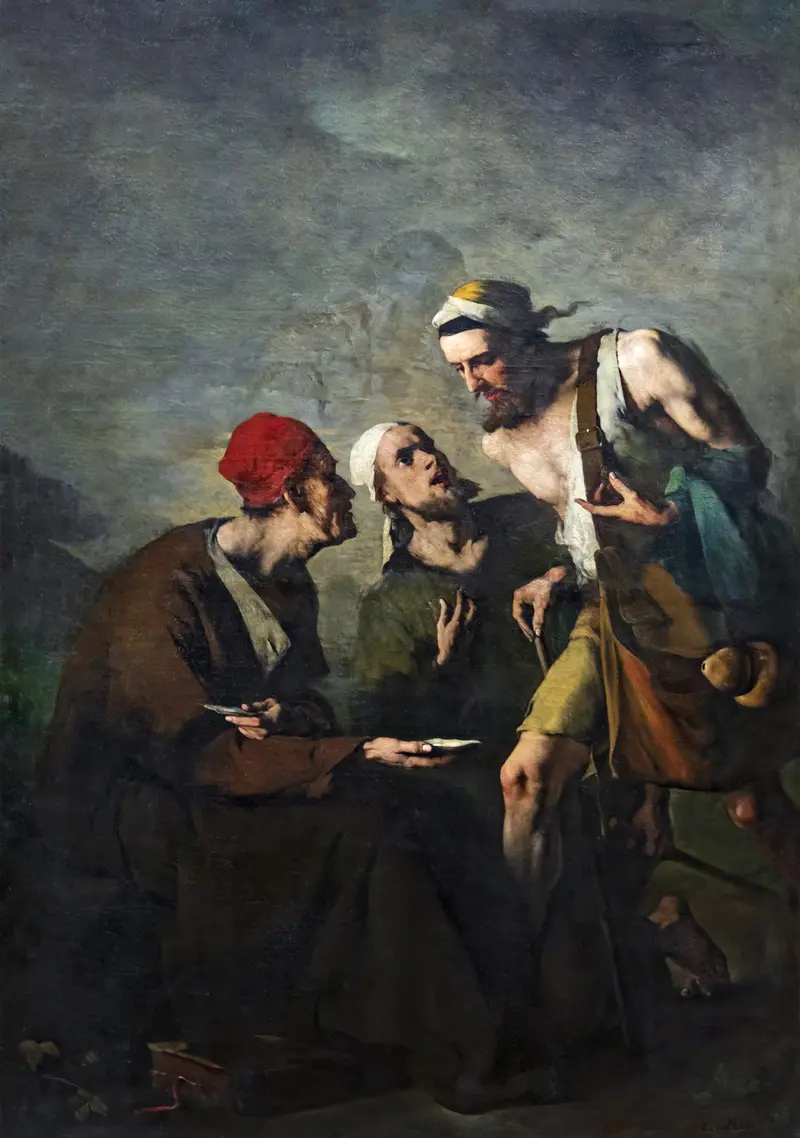
The oyster and the Litigant's
Augustin Théodule Ribot
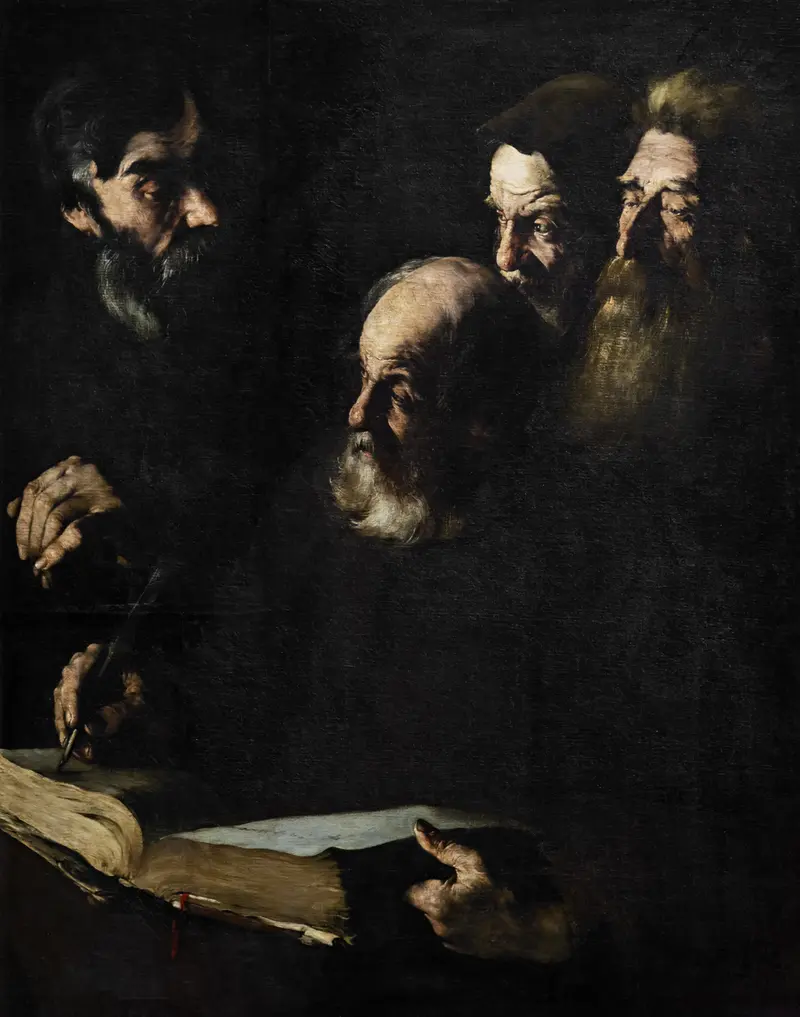
The philosophers
Augustin Théodule Ribot
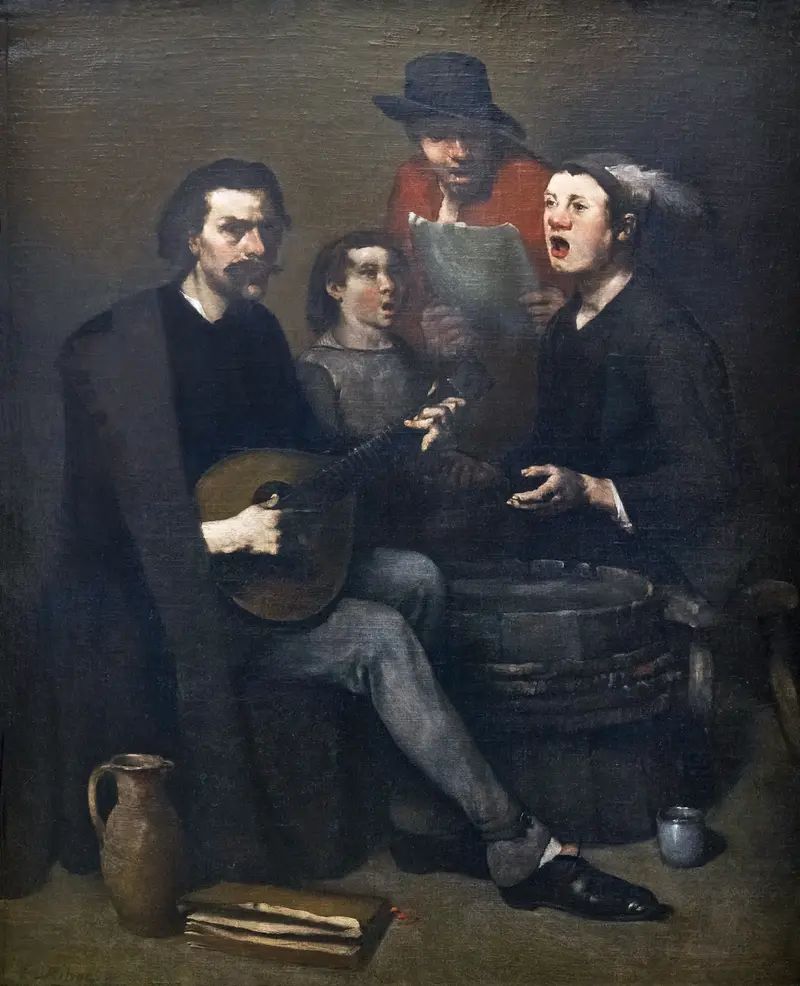
Singers
Augustin Théodule Ribot
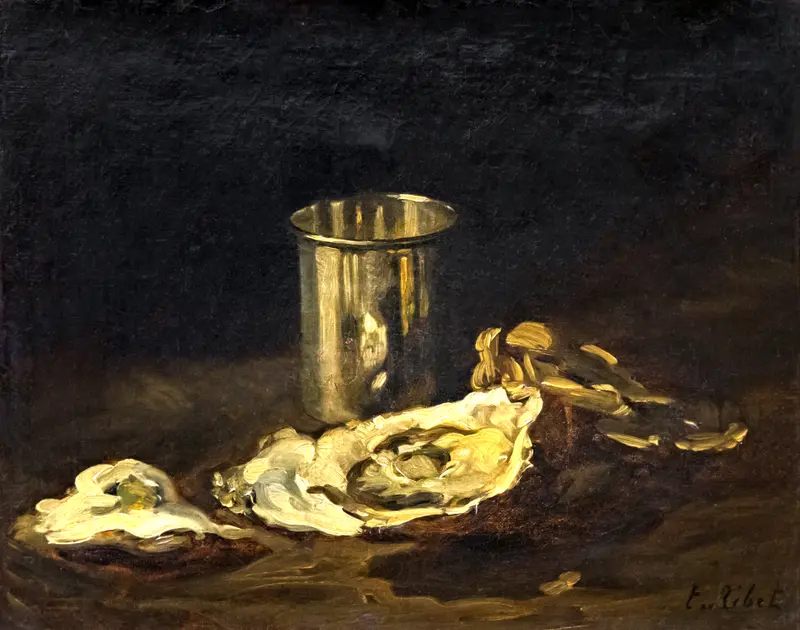
Oyster and timbale
Augustin Théodule Ribot
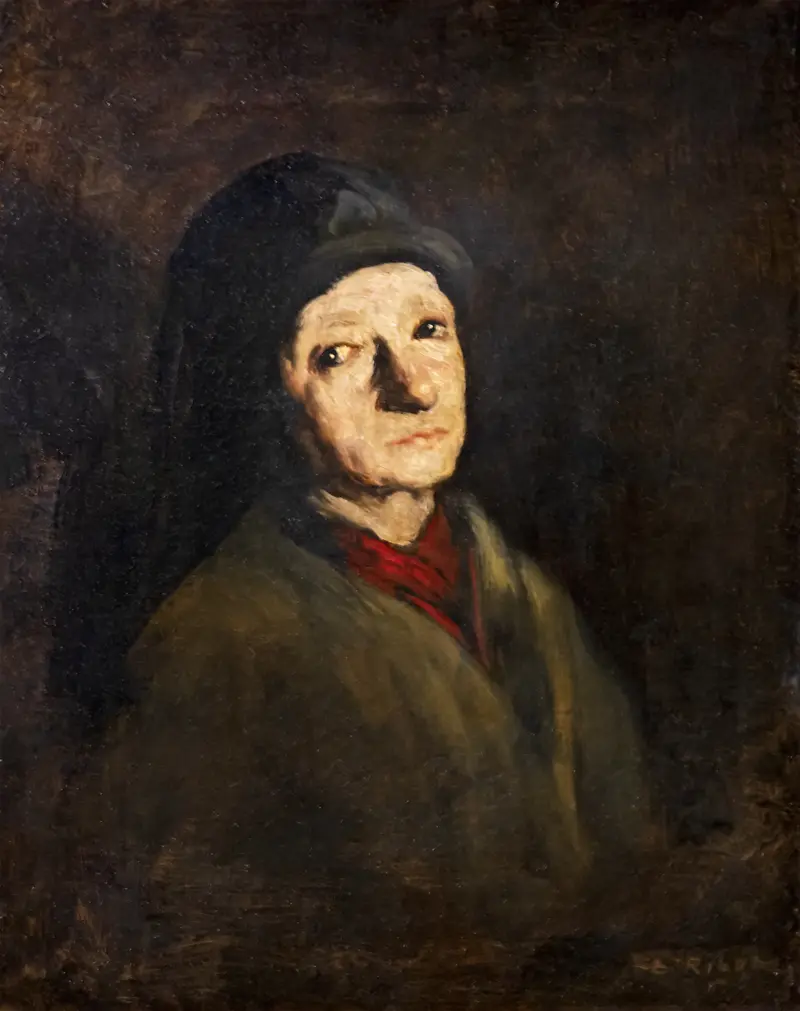
Portrait of the artist's mother
Augustin Théodule Ribot
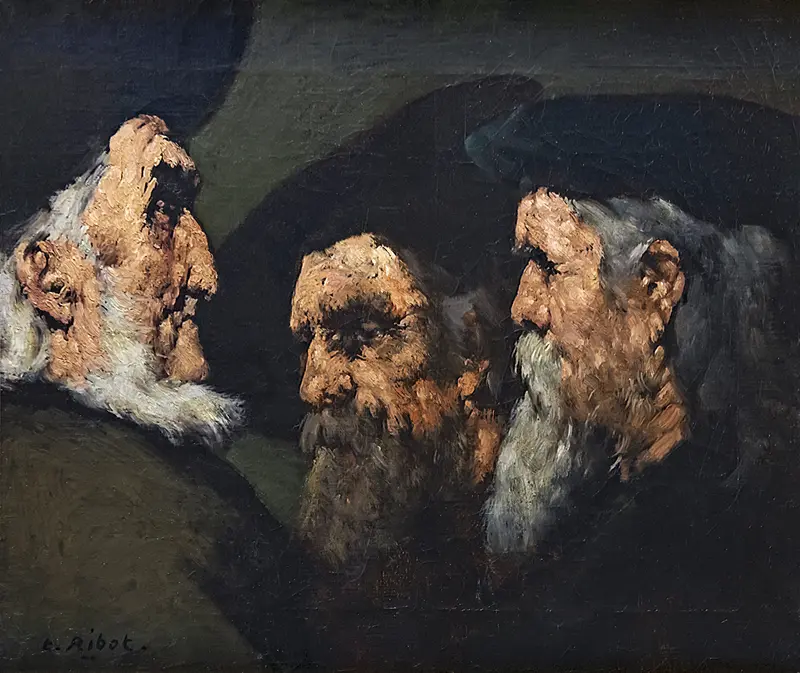
Three old jews
Augustin Théodule Ribot
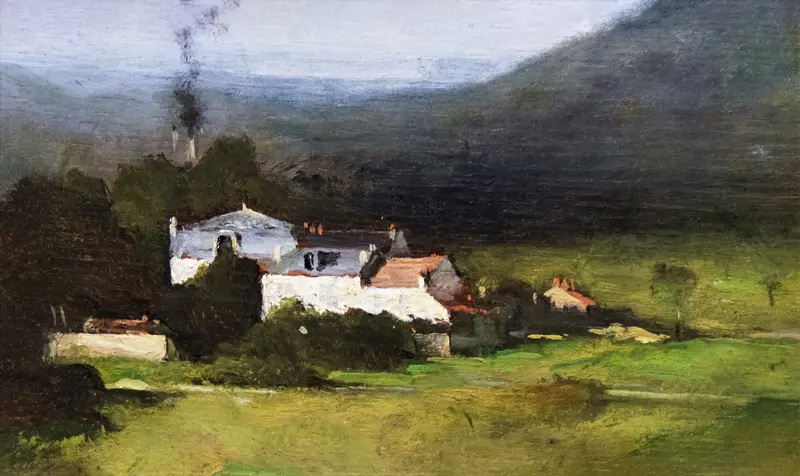
' Landscape ', known as ' La Maison de Corot in Ville-d'Avray '
Augustin Théodule Ribot
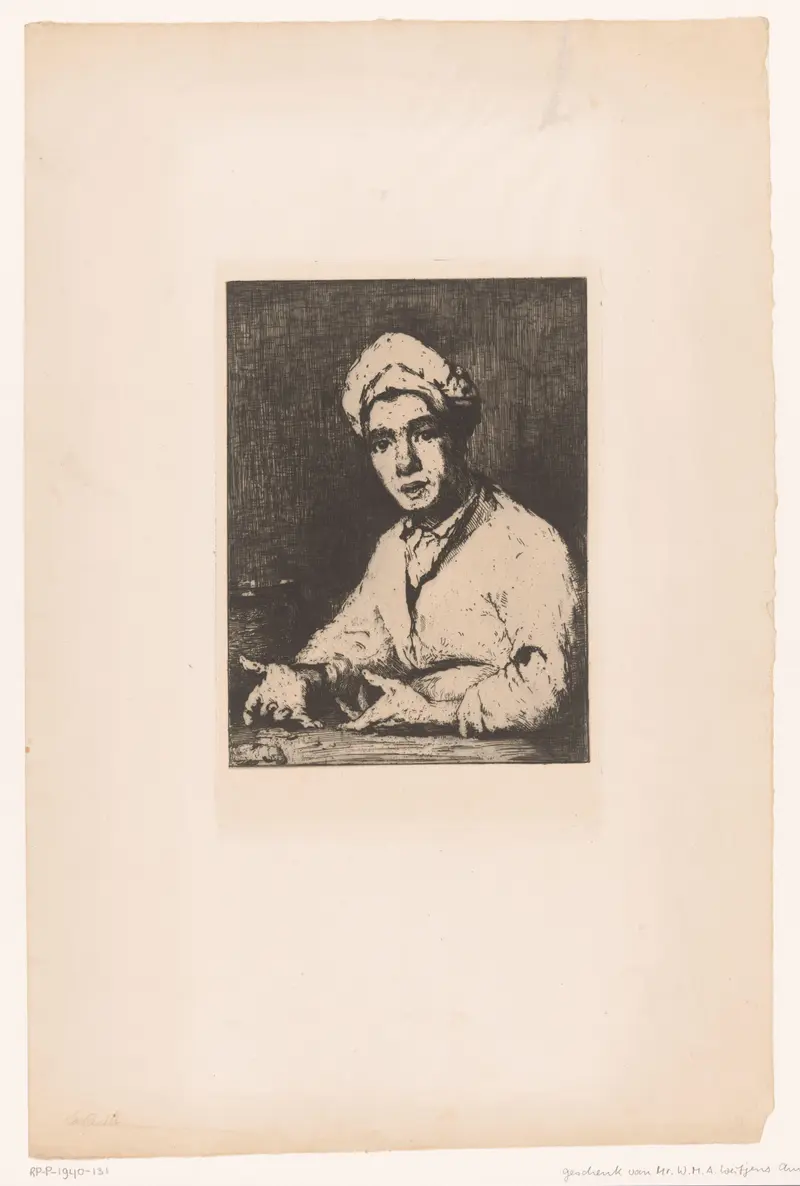
La recette du cuisinier
Augustin Théodule Ribot