
Motif Of Flensburg — History & Facts
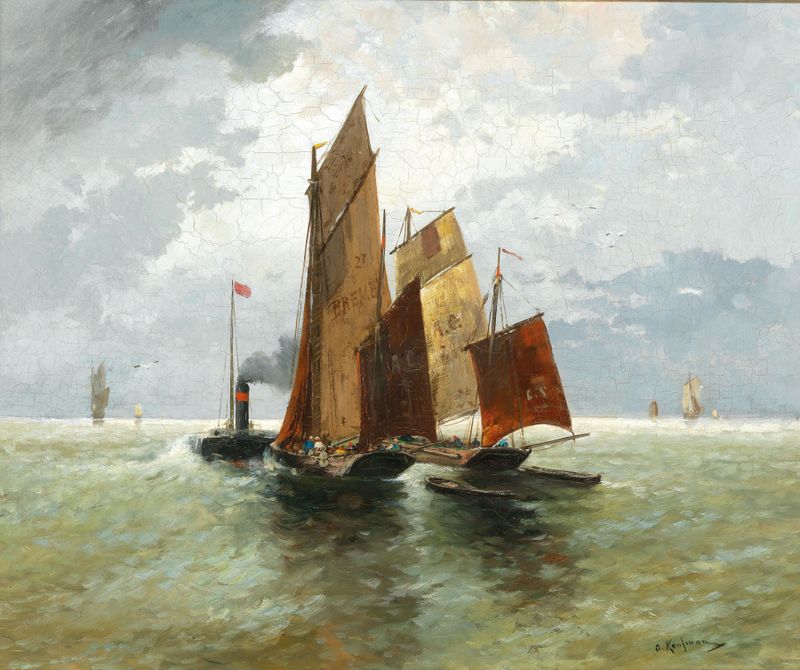
When did color learn to lie? The vibrant hues of Motif of Flensburg seem to whisper secrets, dancing between reality and dream. Each stroke suggests a world where the familiar turns surreal and the mundane becomes extraordinary, inviting the viewer to question their perception of truth. Look to the left, where deep blues and greens entwine, creating a scene that pulses with life. The brushwork is dynamic, capturing the essence of a place that feels both intimate and distant.
Notice how the light cascades across the canvas, illuminating the contours of the land, drawing your eye toward the horizon where color meets sky. The interplay of warm and cool tones evokes an emotional cadence, pushing and pulling at the heartstrings. Beneath this vivid surface lies an exploration of identity and memory. The juxtaposition of realistic elements with abstract forms hints at the artist's struggle to reconcile personal experiences with the collective consciousness of the world.
The flowing shapes might represent the fluidity of dreams, while the stark contrasts speak to the tension between clarity and obscurity—a reflection of our desires and fears. Adolf Kaufmann painted this work during a time when the art world was experiencing significant shifts, embracing modernism and abstraction. Although the exact date is uncertain, it was created amidst a growing interest in exploring emotional landscapes rather than mere representations of reality. At this juncture, Kaufmann sought to forge a connection between the viewer and the dreamlike essence of his subjects, confronting the complexities of perception itself.
More Artworks by Adolf Kaufmann
Browse all →
Winterliche Flusslandschaft
Adolf Kaufmann
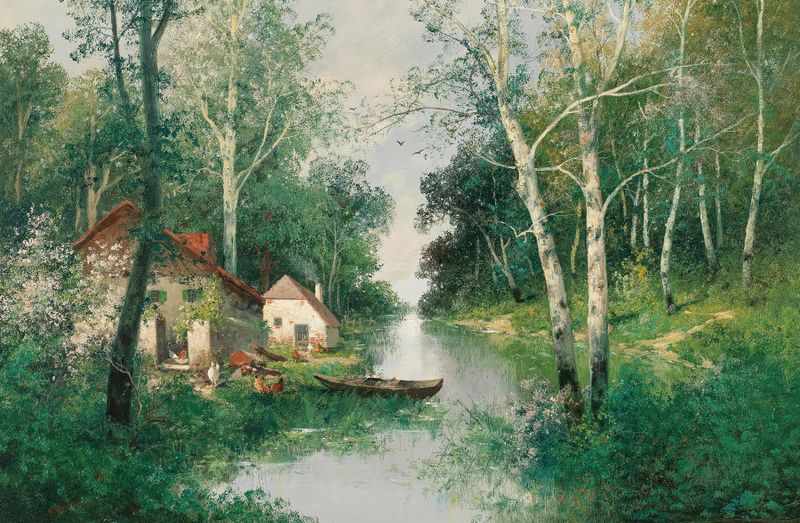
A River Landscape in Spring
Adolf Kaufmann
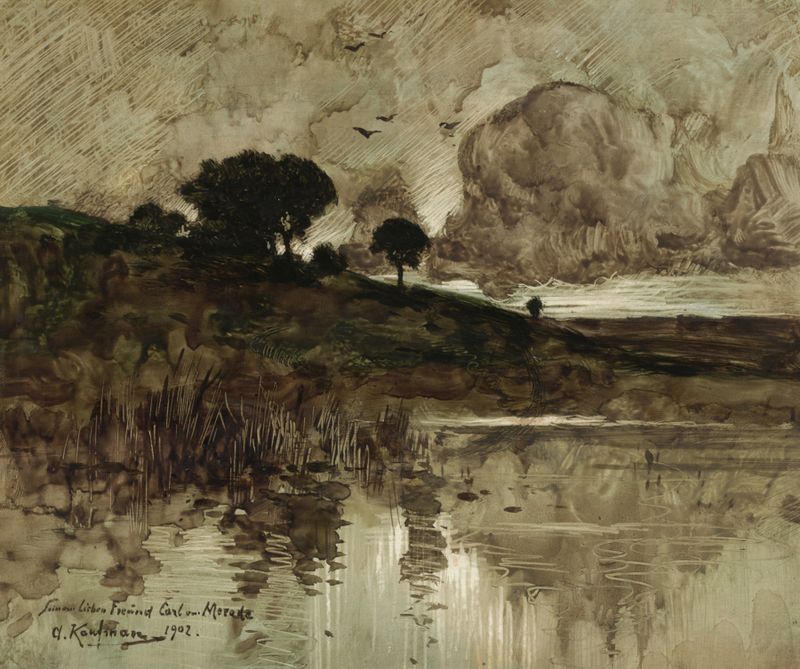
Herbstabend am See
Adolf Kaufmann
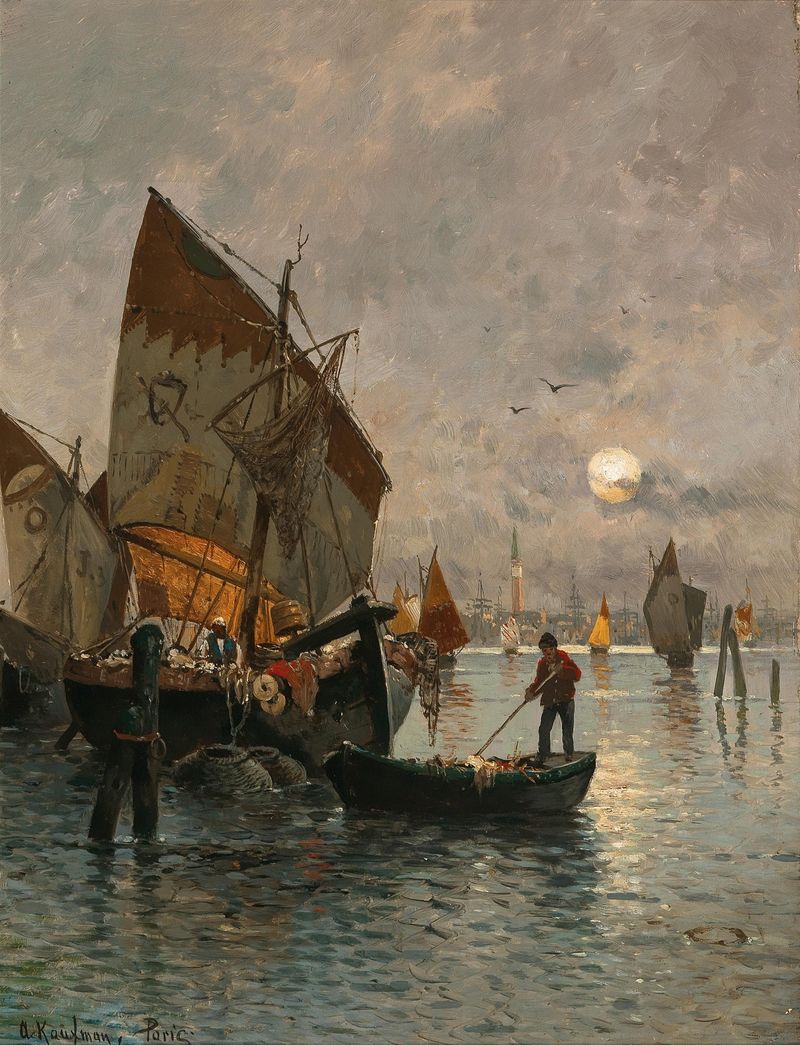
In der Lagune Venedigs
Adolf Kaufmann
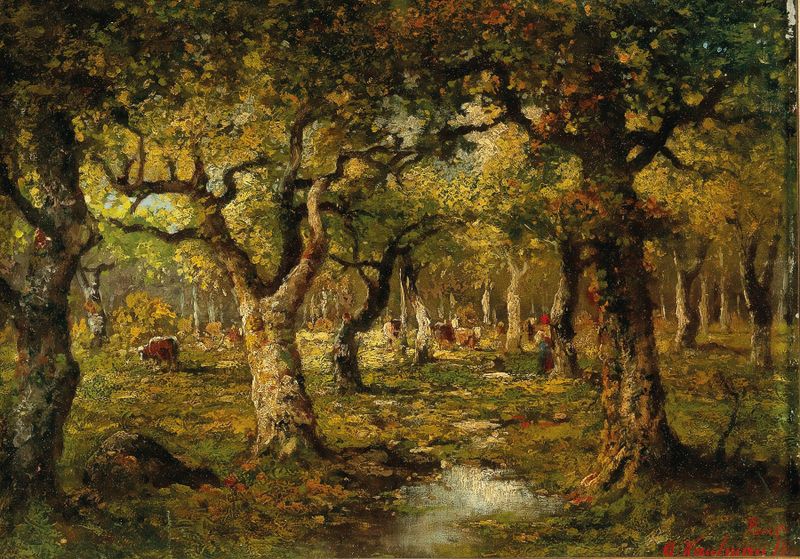
In the Forest of Barbizon
Adolf Kaufmann
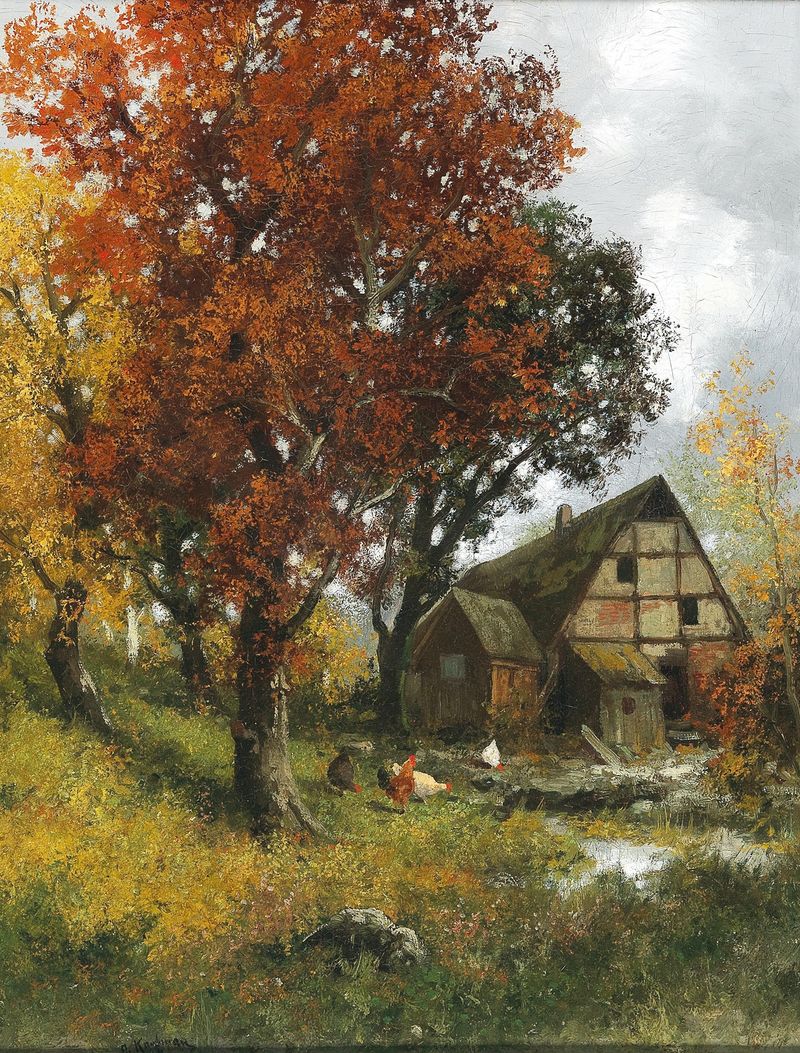
A Mill in an Autumnal Forest
Adolf Kaufmann
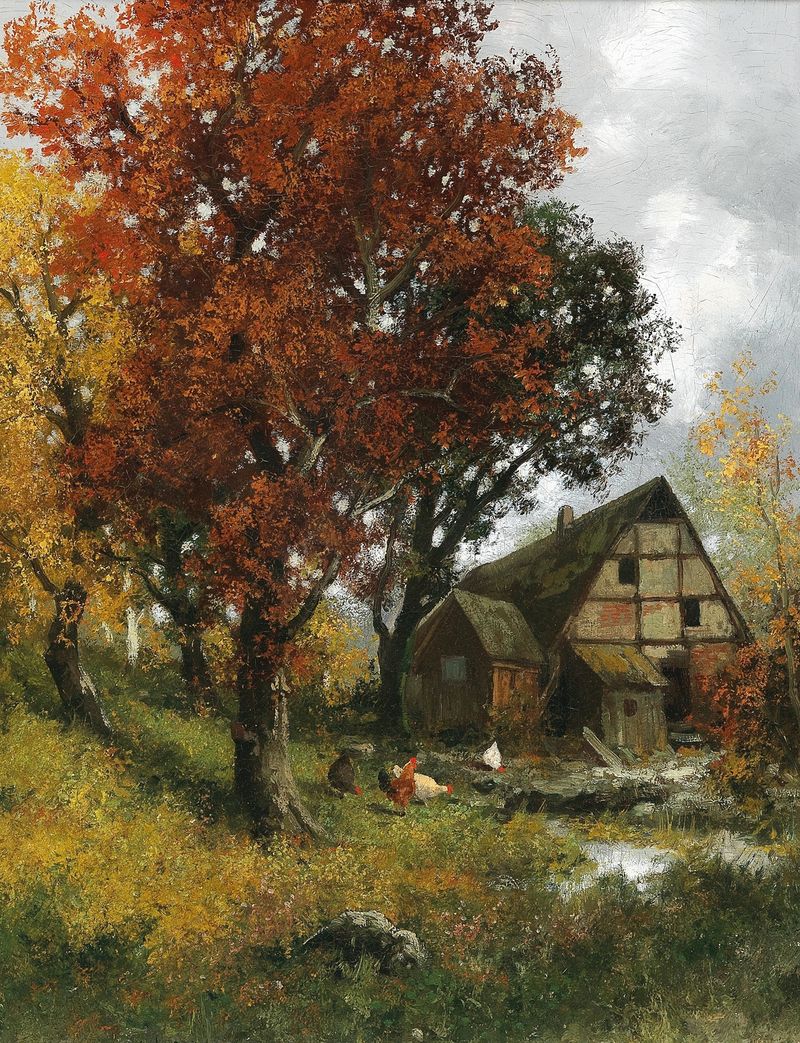
Mühle im Herbstwald
Adolf Kaufmann
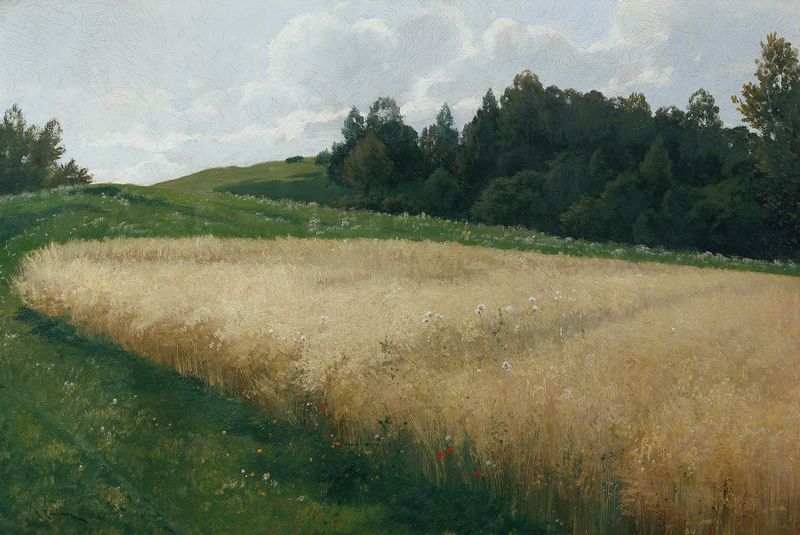
Das Haferfeld
Adolf Kaufmann
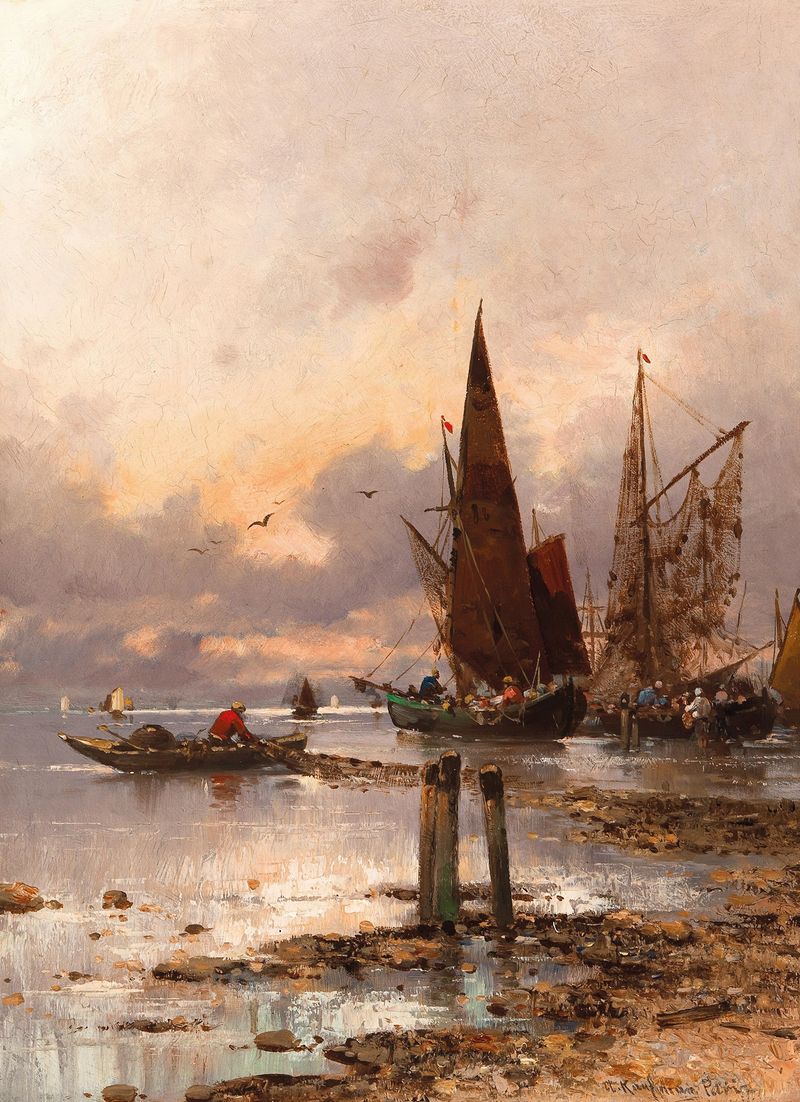
Sonnenuntergang an der griech. Küste
Adolf Kaufmann
Steamboat and Fishing Boats at Sea
Adolf Kaufmann





