Motiv bei Toblach — History & Facts
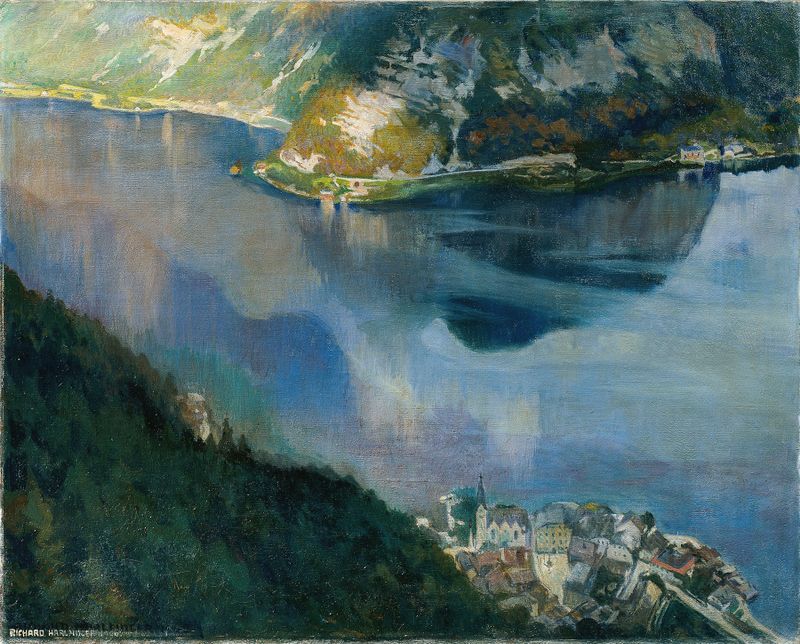
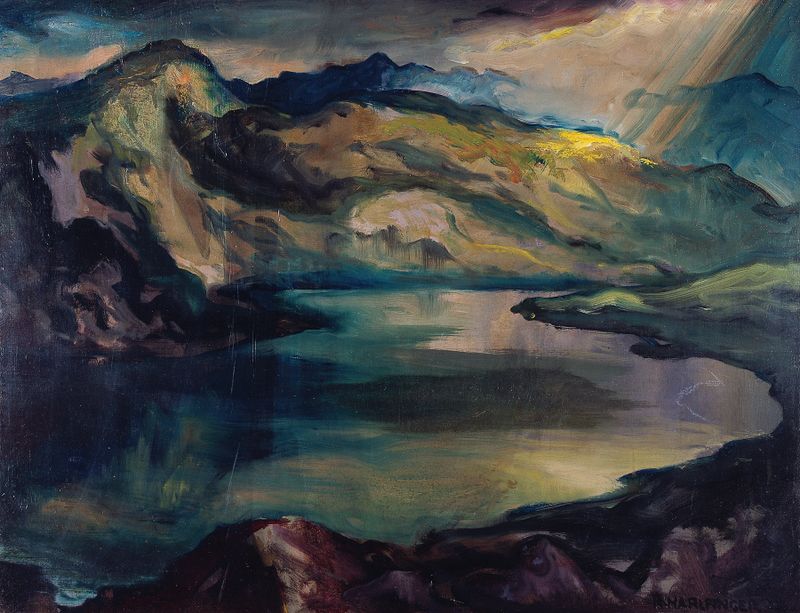
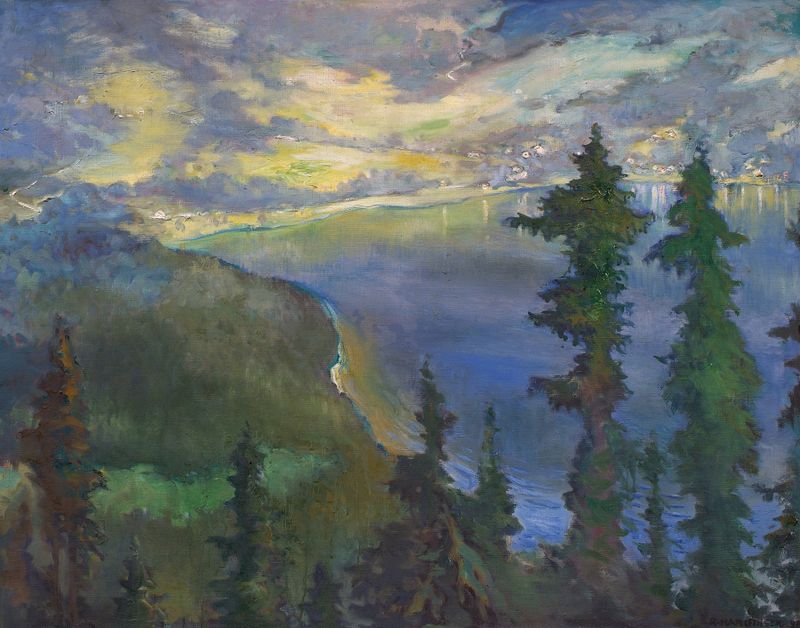
Who listens when art speaks of silence? In the stillness of a moment captured, destiny hangs delicately, waiting for the viewer's touch. Focus your gaze on the center of the composition, where the swirling hues of earth and sky converge, creating a sense of depth and introspection. The artist employs a delicate palette of greens and browns, evoking the serenity of nature while hinting at the tumultuous emotions underlying the landscape. Each brushstroke dances with intention, inviting you to explore the way light softly filters through the trees, illuminating hidden paths that beckon the viewer to wander. As you delve deeper into the painting, observe the interplay between the vibrant foreground and the muted background, suggesting a juxtaposition of hope and melancholy.
The distant mountains loom not just as a backdrop but as guardians of untold stories, while the delicate wisps of cloud seem to whisper secrets of fate. There is an emotional tension present—an invitation to embrace the silent whispers of existence, a reminder that in stillness, we confront our own destinies. In 1909, Richard Harlfinger was immersed in a burgeoning art scene while residing in Toblach, Italy. This period marked the height of his exploration into the relationship between nature and emotion, as he sought to convey a deeper understanding of the human experience.
The world was shifting toward modernity, yet Harlfinger’s work remained tethered to a profound connection with the natural landscape, reflecting a time of personal and artistic evolution.