
Moulineux, la teinderie — History & Facts
Can paint confess what words never could? In Moulineux, la teinderie, the artist captures a moment where labor meets the sacred, revealing the divine within the mundane. Focus on the vibrant strokes of color that dance across the canvas, drawing your gaze to the workers in the center. Notice how the warm hues of the fabric contrast with the cooler tones of the background, creating a dynamic tension between humanity and environment. The play of light on the flowing textiles suggests both motion and resilience, as if the very air vibrates with the echoes of their toil. Beneath the surface, there’s a poignant connection between the workers and their surroundings.
The act of dyeing fabric becomes a metaphor for transformation, echoing life’s cyclical nature and the divine spark found within hard labor. Each worker’s gesture, whether a lift of a hand or a bend of the body, embodies both weariness and grace, hinting at the dignity of labor as they navigate the color-soaked world that envelops them. Maximilien Luce created this piece in 1903, during a time when he was deeply influenced by the post-impressionist movement and the social changes sweeping France. Living in Paris, he was part of a circle that included prominent figures like Georges Seurat, and he often sought to express the beauty of everyday life through vibrant color and innovative technique.
This painting reflects not only his artistic evolution but also the era's fascination with the interplay of industry and humanity.
More Artworks by Maximilien Luce
Browse all →
Le Quai Montebello Et La Colline Sainte-Geneviève
Maximilien Luce

Le Pont-Neuf, La Seine, Petit Bras
Maximilien Luce
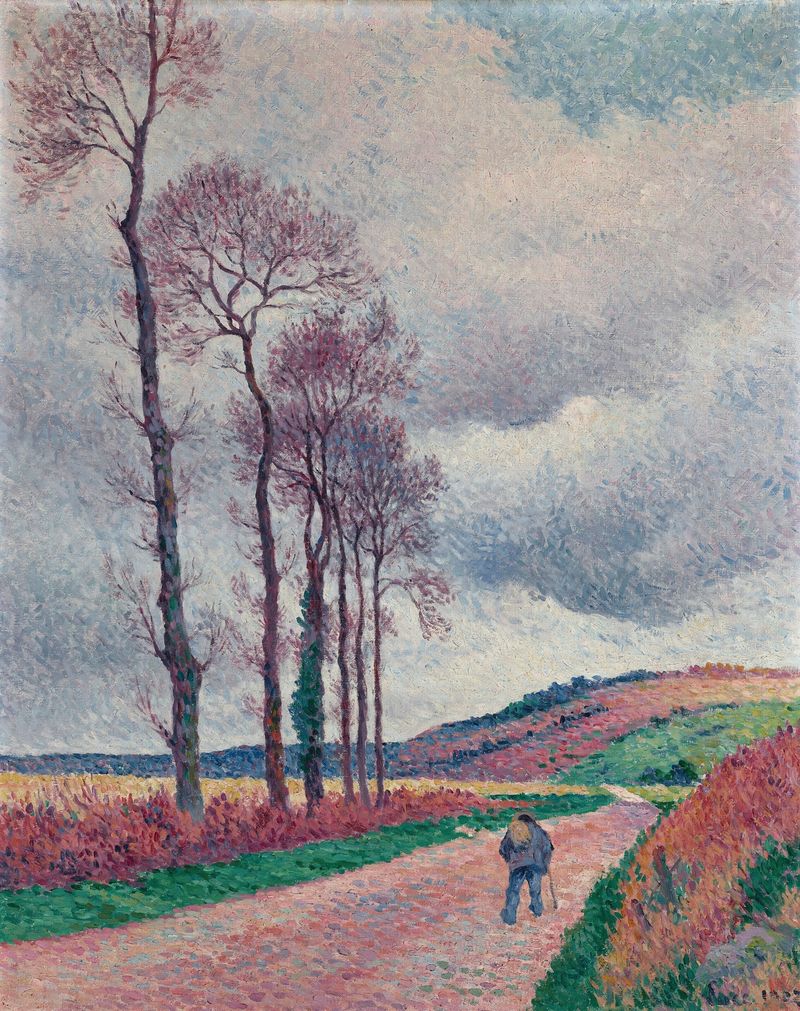
La route aux environs de Méréville
Maximilien Luce
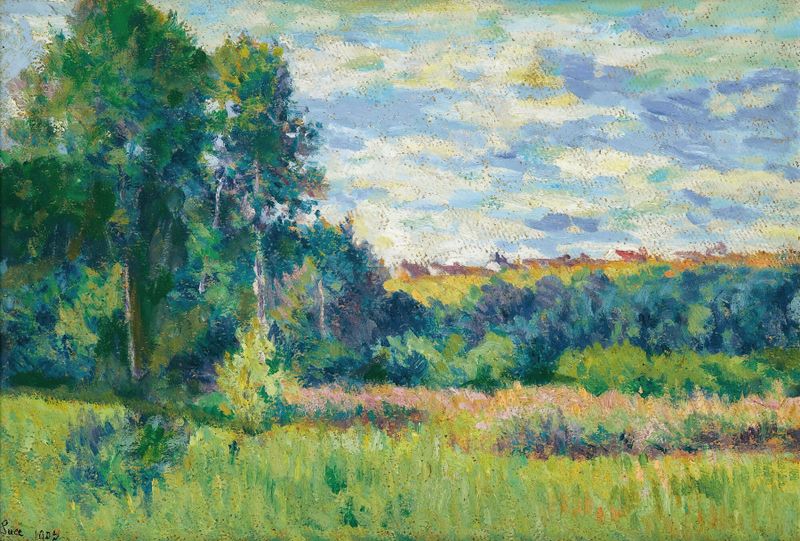
Paysage
Maximilien Luce
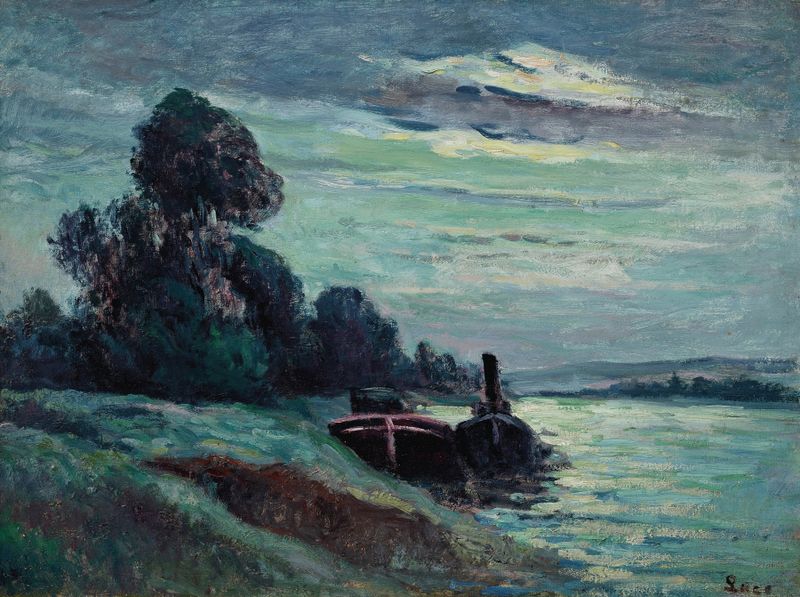
Péniches sur la Seine
Maximilien Luce

Notre Dame de Paris
Maximilien Luce
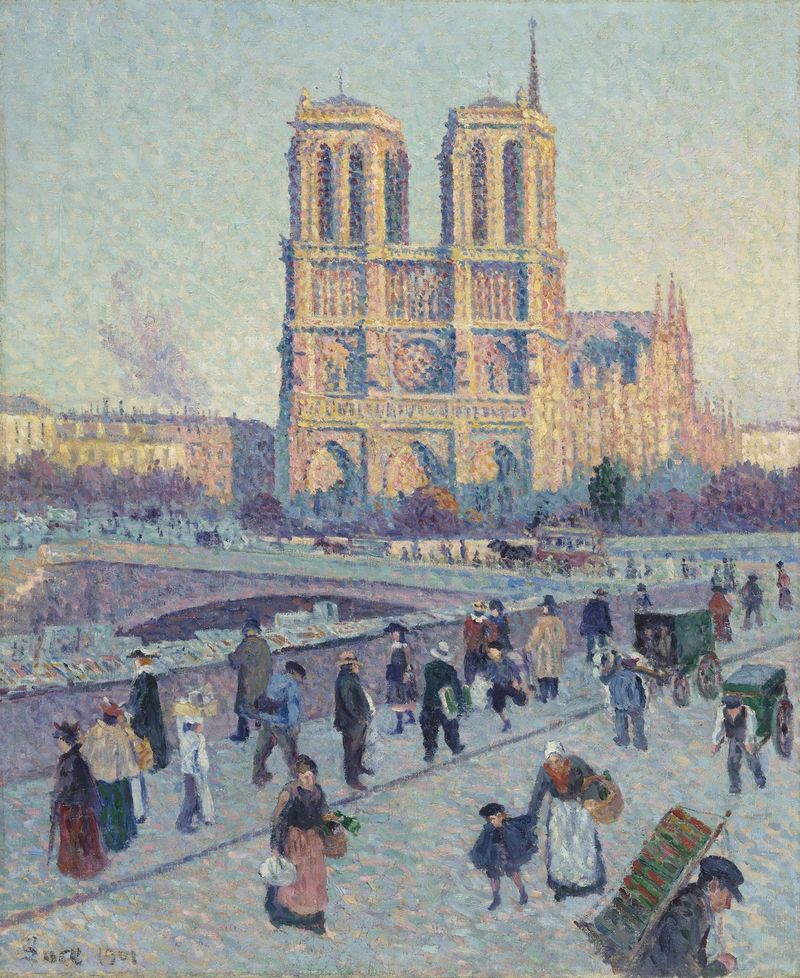
The Quai Saint-Michel and Notre-Dame
Maximilien Luce

La Seine au Pont Mirabeau
Maximilien Luce
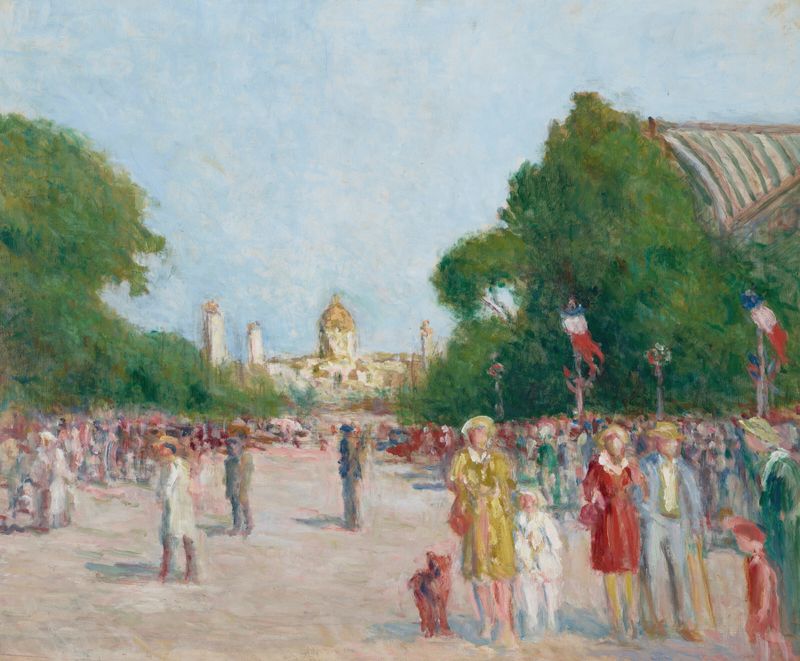
L’avenue Winston-Churchill, Paris
Maximilien Luce

Paris, Le Quartier De Vaugirard
Maximilien Luce





