
Mount Sinai — History & Facts
What if beauty was never meant to be finished? The contours of a landscape often whisper of longing, echoing through time like the faintest sigh of grief. Look to the foreground, where jagged rocks jut against the canvas, their earthy tones contrasting sharply with the ethereal blues and whites of the sky. The swirling clouds seem to cradle the peak of Mount Sinai, hinting at the divine while simultaneously cloaking it in mystery. Notice the subtle brushstrokes; they capture not just the texture of the land but also an emotional weight, as if the artist infused each stroke with a sense of unfinished stories yet to unfold. Deeper still, the interplay of light and shadow transforms the mountain into a character, both imposing and inviting.
The light falls dramatically over its slopes, a beacon that evokes the duality of revelation and isolation. A sense of yearning pervades the scene, as the viewer may sense not only the beauty of nature but also the profound loss that accompanies it—the mountain stands tall, yet remains a silent witness to the passage of time and remembrance. In 1853, Lear created this work while traveling through the Middle East, a period marked by personal upheaval and artistic exploration. The painting reflects his fascination with dramatic landscapes, a motif common among contemporaries.
As Europe grappled with the shifting ideals of art and nature, Lear captured the essence of a moment that reverberates with both beauty and sorrow, inviting contemplation of life’s impermanence.
More Artworks by Edward Lear
Browse all →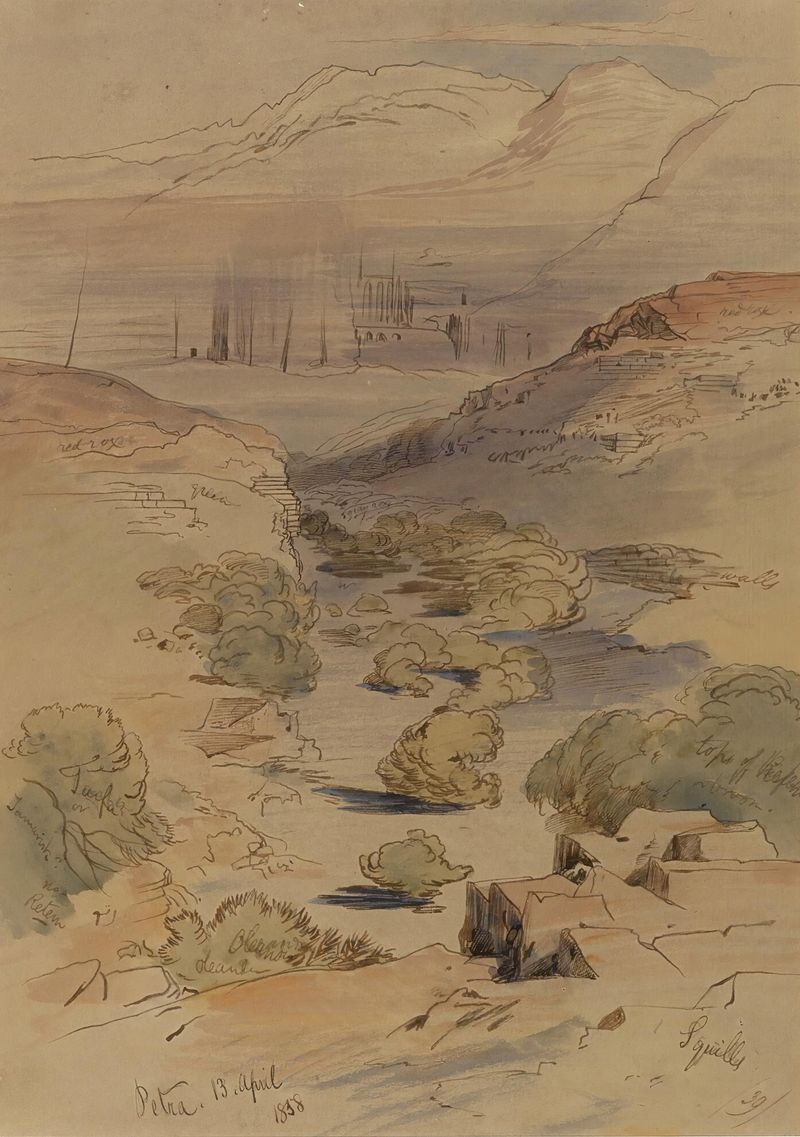
Petra
Edward Lear
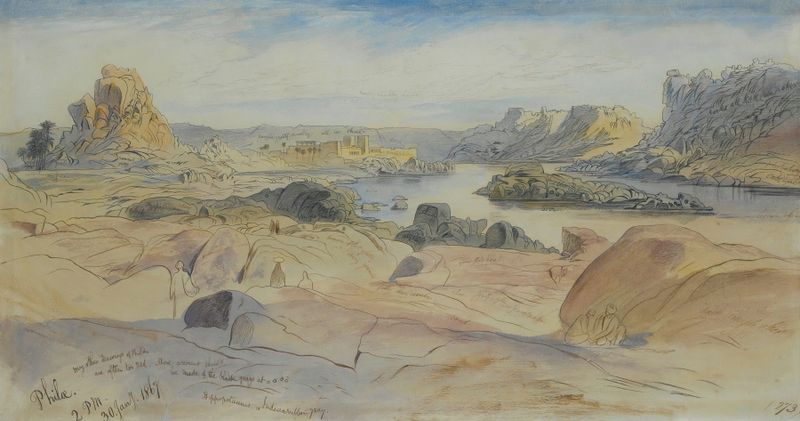
Philae, Egypt
Edward Lear
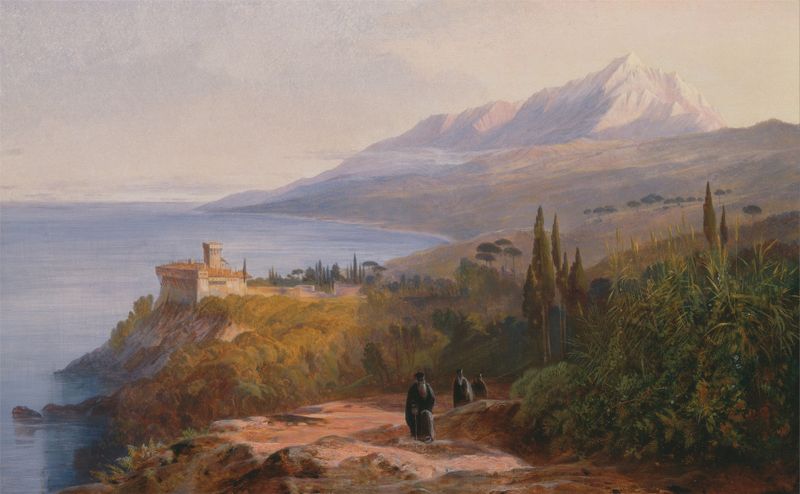
Mount Athos and the Monastery of Stavronikétes
Edward Lear
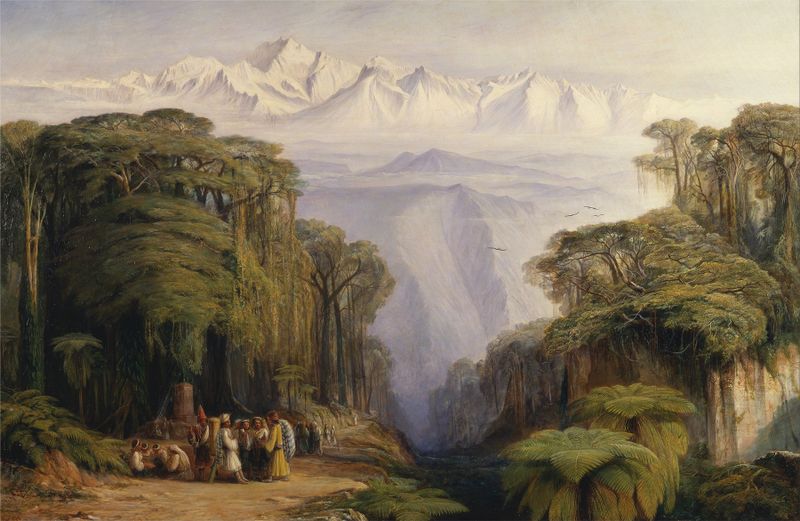
Kangchenjunga from Darjeeling
Edward Lear
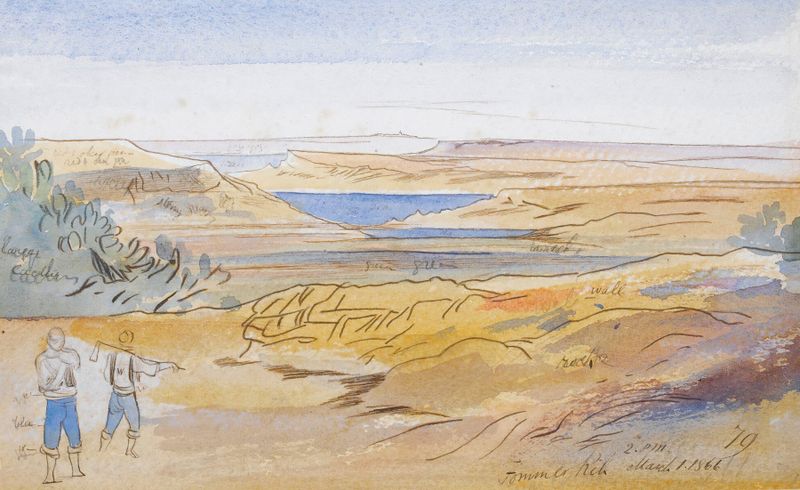
Fomm Ir-Rih, Malta
Edward Lear
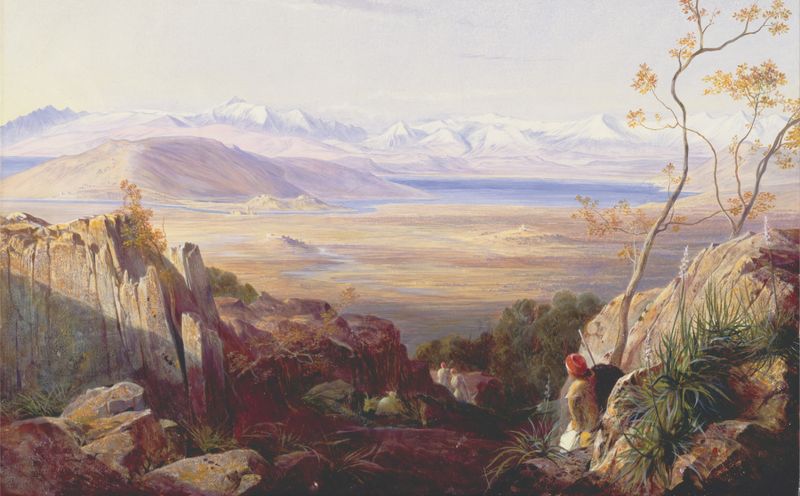
Butrinto, Albania
Edward Lear
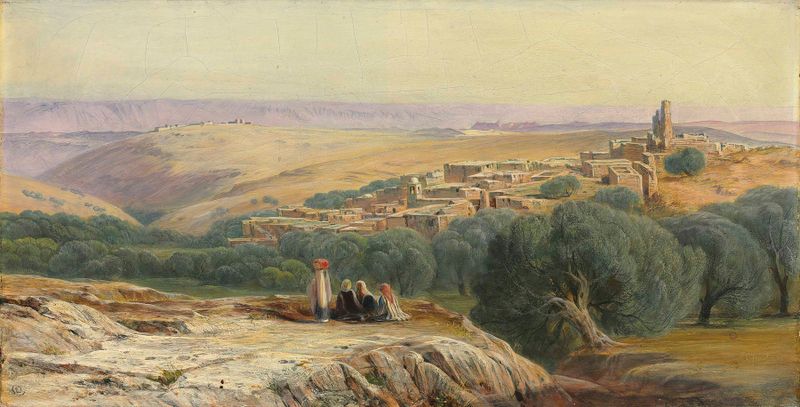
The Plains of Bethany
Edward Lear

Karnak, 9-30 pm, 22 January 1867
Edward Lear
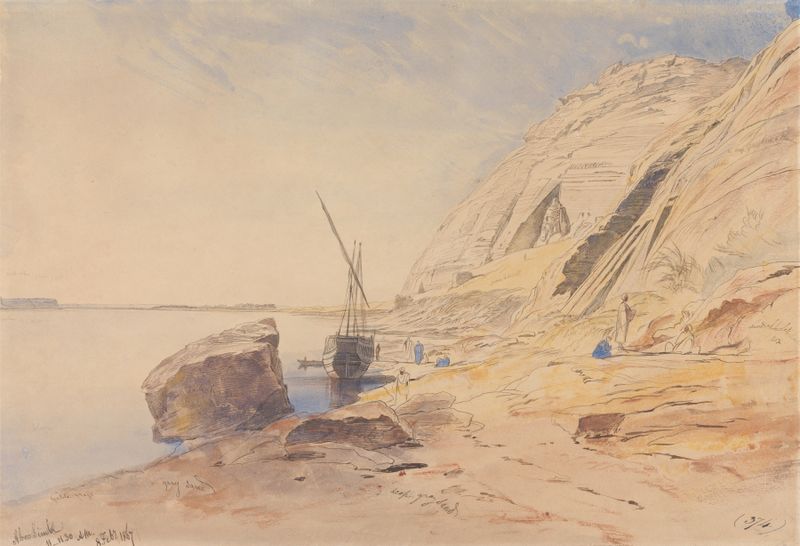
Abu Simbel, 11-11;30 am, 8 February 1867 (374)
Edward Lear

A View Of Mount Athos And The Pantokrator Monastery, Greece
Edward Lear





