
Mountain Landscape — History & Facts
Could beauty survive in a century of chaos? The question lingers in the air as one gazes upon the stunning vistas captured by the brush of an artist who sought solace in nature's grandeur. Mountain Landscape invites us into a world where obsession with the sublime intertwines with the serenity of the great outdoors. Look to the left of the canvas, where jagged peaks rise majestically against a cerulean sky, light cascading over them like a gentle embrace. The artist's masterful use of color—rich greens and deep browns—draws your eye toward the foreground, where delicate trees stand sentinel.
Notice how the interplay of shadow and sunlight creates depth, inviting you into this expansive wilderness. With each stroke, the meticulous attention to detail reveals not just the landscape but the emotional resonance it holds. The juxtaposition of vibrant life and overwhelming scale reveals an underlying tension; it speaks to humanity’s smallness amidst nature’s grandeur. The distant mountains loom, a silent reminder of the sublime force that shapes our existence, while the lush flora in the foreground evokes a sense of fragile beauty, teetering on the edge of oblivion.
In this moment, one can sense the artist's obsession with both capturing this landscape and reflecting on the transient nature of beauty itself. Frederic Edwin Church painted this work in 1865, during a period marked by both personal and national turmoil—the Civil War had just ended, reshaping America’s identity. Living in New York, Church was a leading figure in the Hudson River School, a movement that celebrated the American landscape. The painting not only reflects his artistic vision but also serves as a testament to a world that yearned for beauty even in times of uncertainty.
More Artworks by Frederic Edwin Church
Browse all →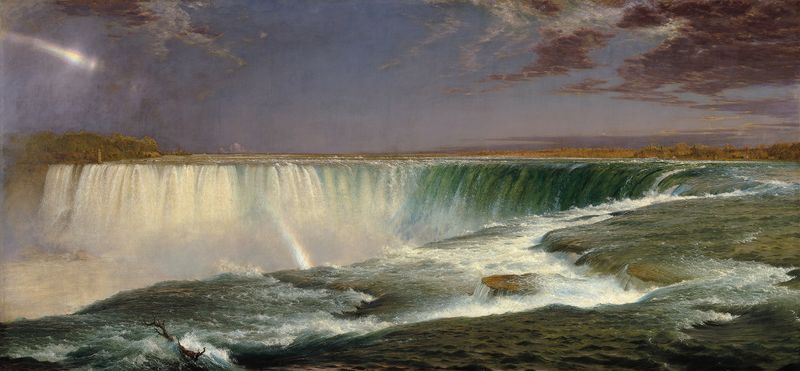
Niagara
Frederic Edwin Church
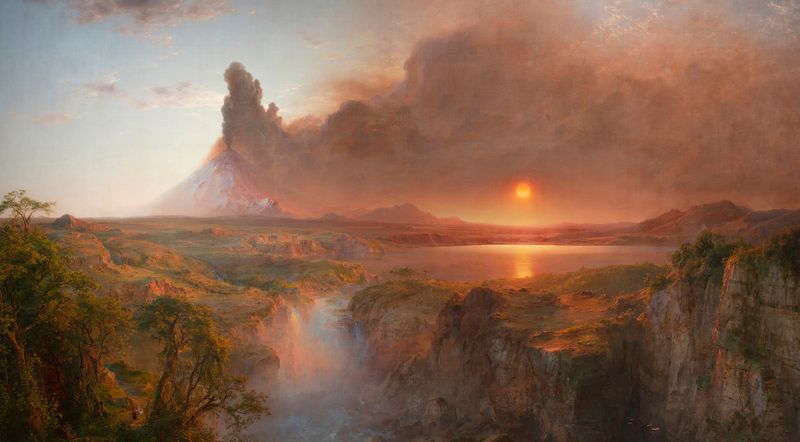
Cotopaxi
Frederic Edwin Church
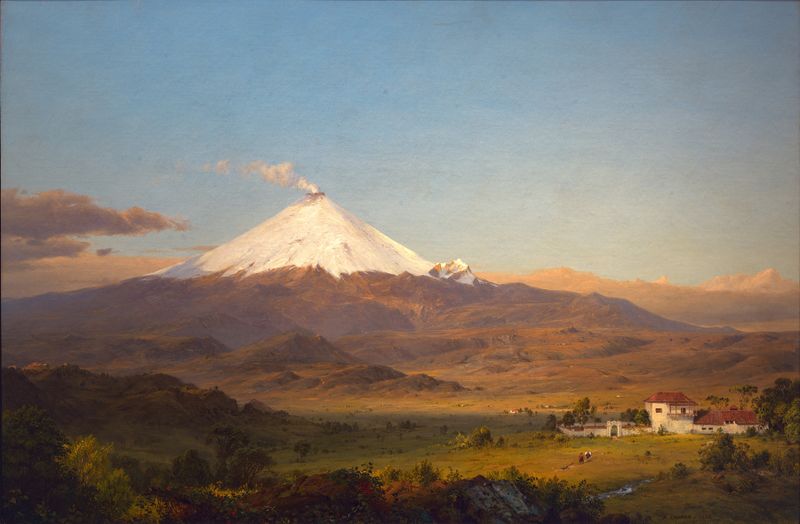
Cotopaxi
Frederic Edwin Church
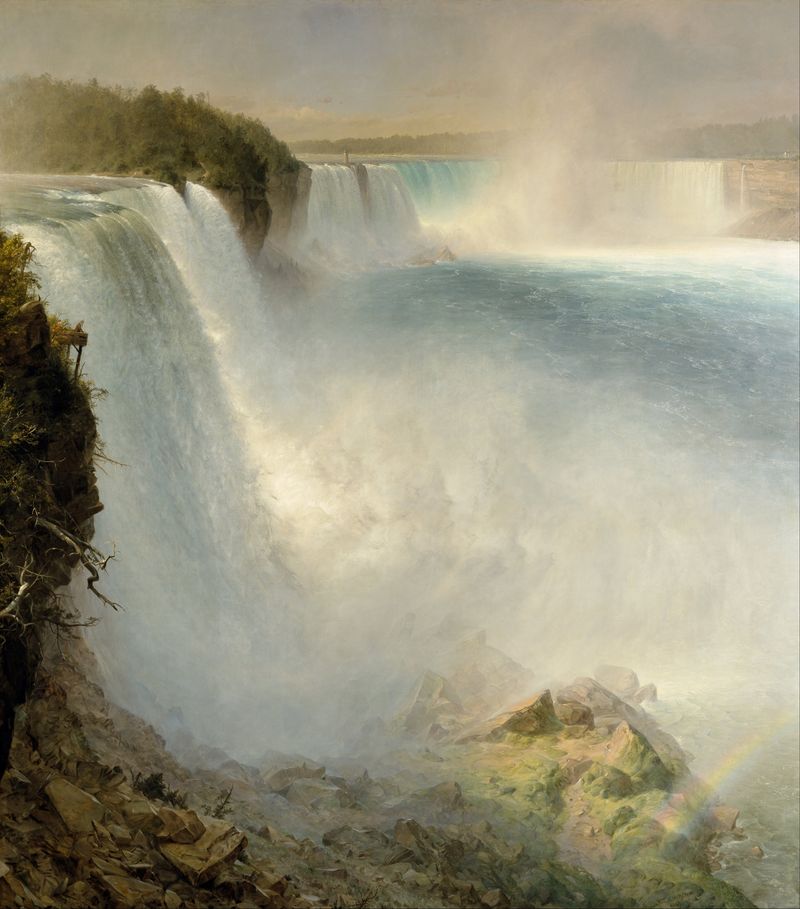
Niagara Falls, from the American Side
Frederic Edwin Church
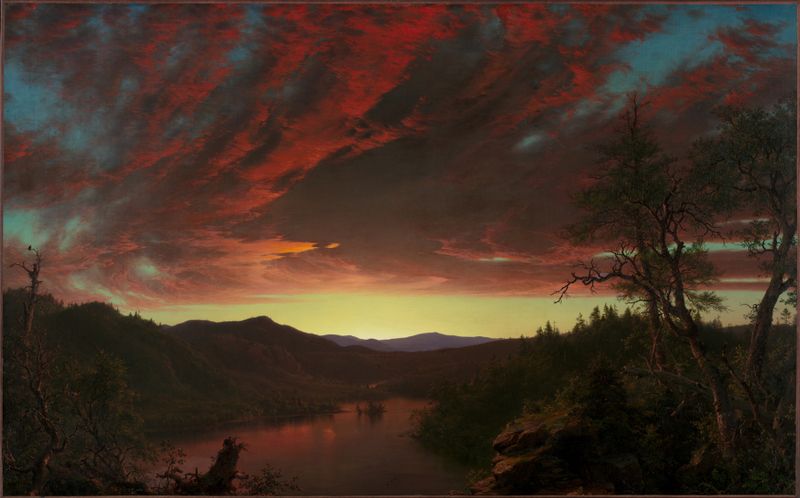
Twilight in the Wilderness
Frederic Edwin Church
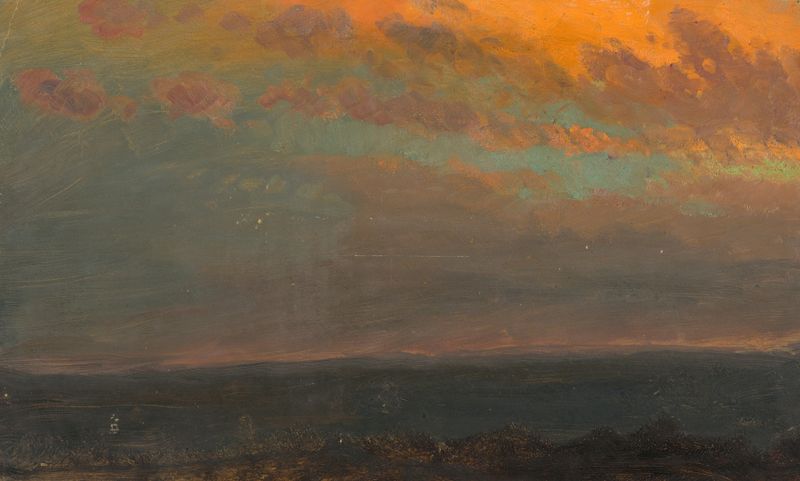
Hudson Valley at Sunset
Frederic Edwin Church
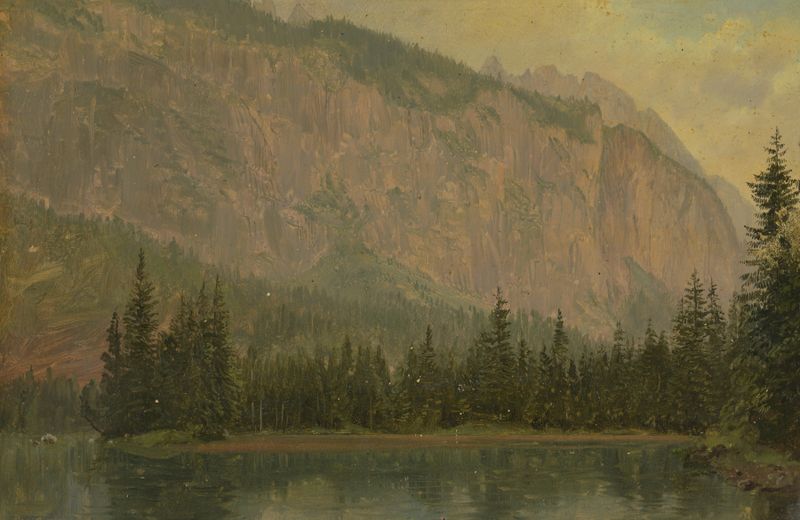
The Hintersee, near Berchtesgaden, Bavaria
Frederic Edwin Church
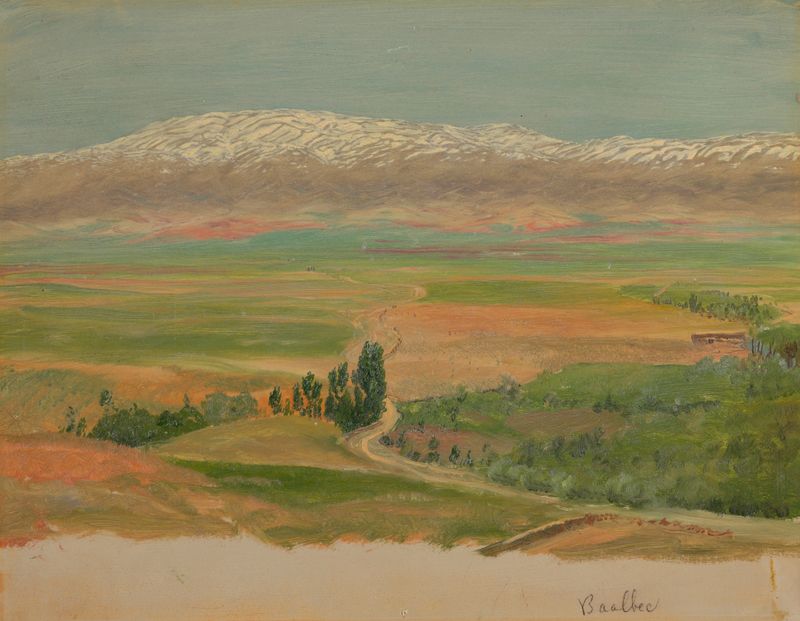
Mountains near Baalbec
Frederic Edwin Church
Aurora Borealis
Frederic Edwin Church
Cotopaxi
Frederic Edwin Church





