
Mountain Landscape at Sunset — History & Facts
In the embrace of twilight, the world teeters on the edge of dusk, where vibrant hues of orange and purple clash with the encroaching shadows of night. Here, nature reveals its violence, a serene beauty laced with an undercurrent of turmoil. The elegance of the landscape speaks of both peace and the raw power that shapes it, inviting the viewer to ponder a deeper narrative. Focus first on the fiery sky, where brushstrokes of crimson and gold collide, capturing the last gasp of sunlight.
Then let your eyes wander to the majestic mountains that rise, their contours softened by twilight yet underscored by a rugged tenacity. The interplay of light and shadow weaves a tapestry of contrasts—calmness juxtaposed with the fierce force of nature’s elements, suggesting the ongoing struggle between tranquility and chaos. In the foreground, the delicate foliage hints at life’s fragility while the towering peaks loom with an imposing authority, echoing the duality of existence itself. The palette swings between warmth and cold, each hue rich with emotion, alluding to the violent transformations that occur in nature as day succumbs to night.
The tranquility of the sunset belies the fierce processes at work—erosion, growth, decay—reminding us that beauty often emerges from tumult. Frederic Edwin Church painted this work in 1865 during a period of artistic and personal upheaval. At the time, he was immersed in the Hudson River School, a movement that celebrated the American landscape while grappling with industrialization's impact. The Civil War's shadow loomed large in the nation’s consciousness, compelling artists like Church to explore the tension within nature as a reflection of the human experience, revealing intricate emotions often concealed beneath a picturesque surface.
More Artworks by Frederic Edwin Church
Browse all →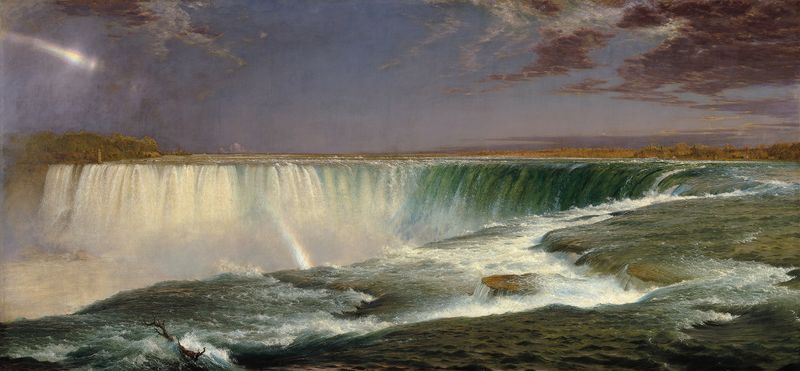
Niagara
Frederic Edwin Church
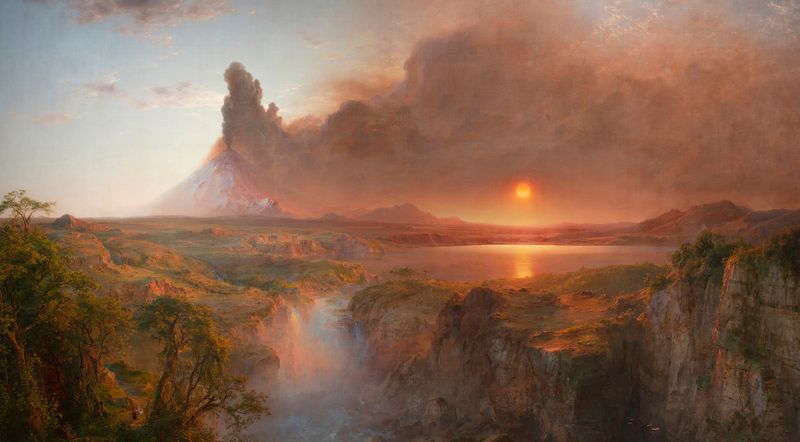
Cotopaxi
Frederic Edwin Church
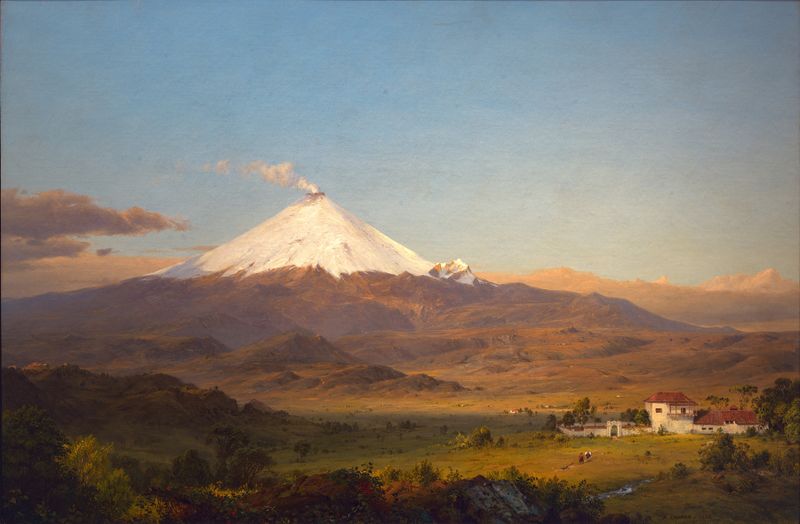
Cotopaxi
Frederic Edwin Church
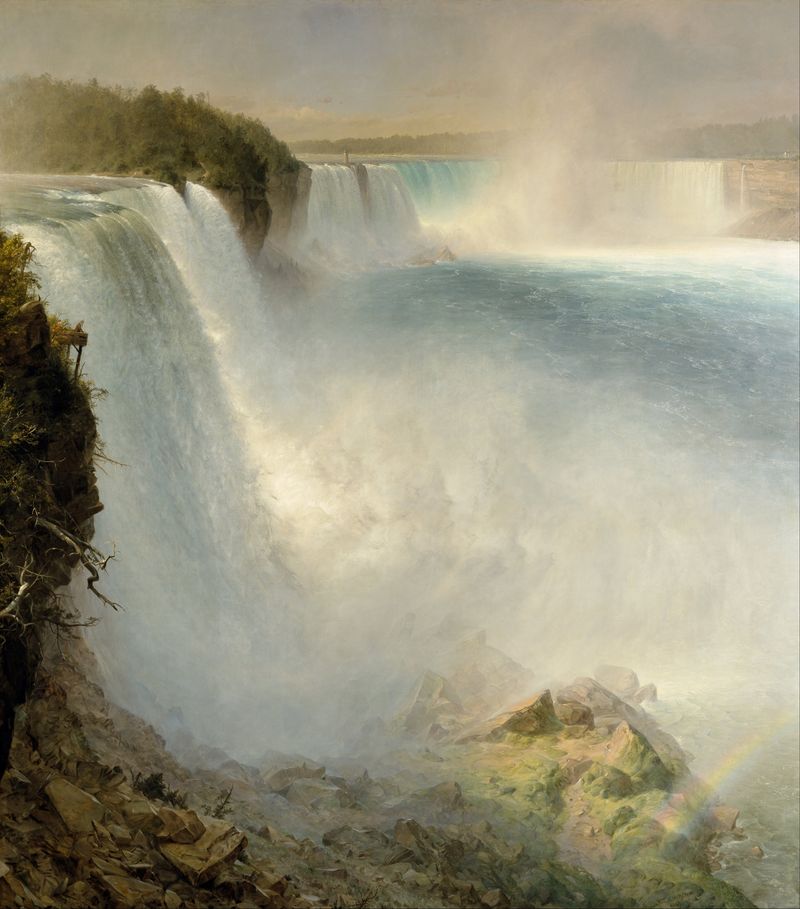
Niagara Falls, from the American Side
Frederic Edwin Church
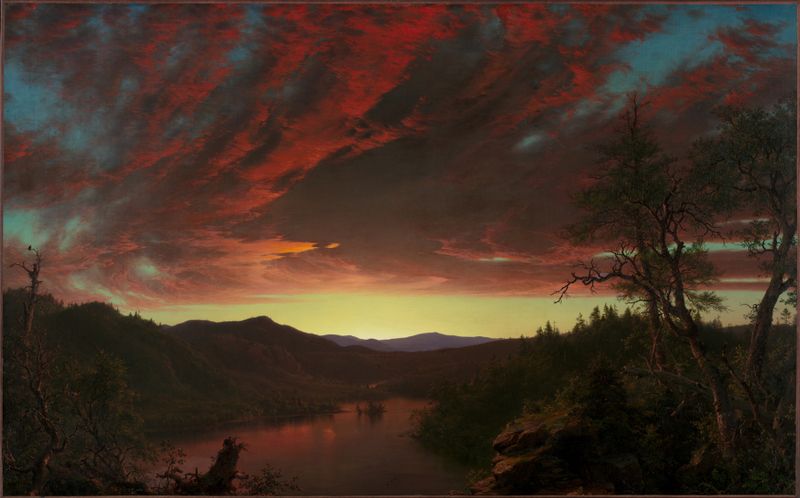
Twilight in the Wilderness
Frederic Edwin Church
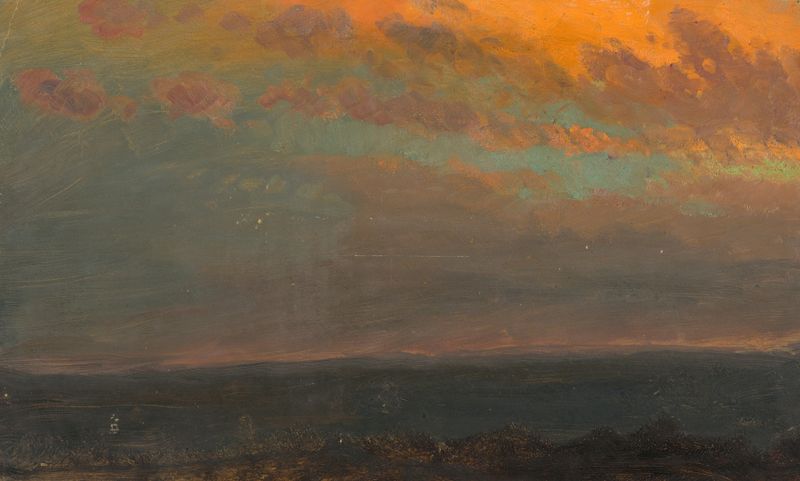
Hudson Valley at Sunset
Frederic Edwin Church
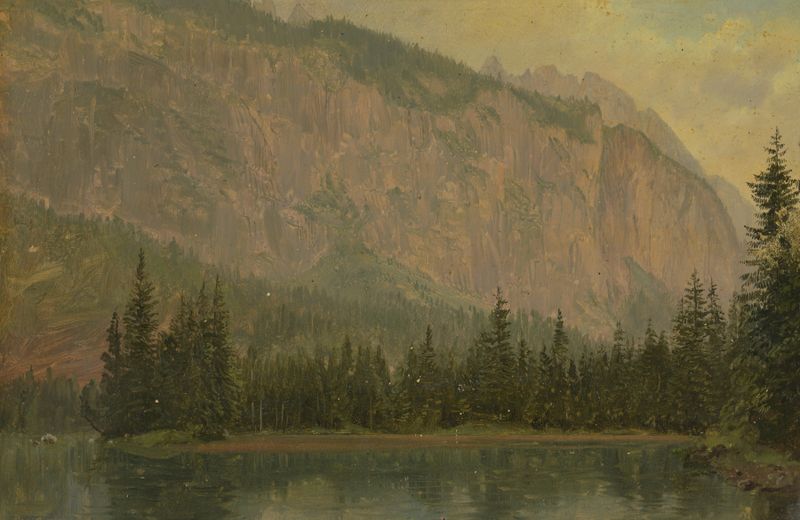
The Hintersee, near Berchtesgaden, Bavaria
Frederic Edwin Church
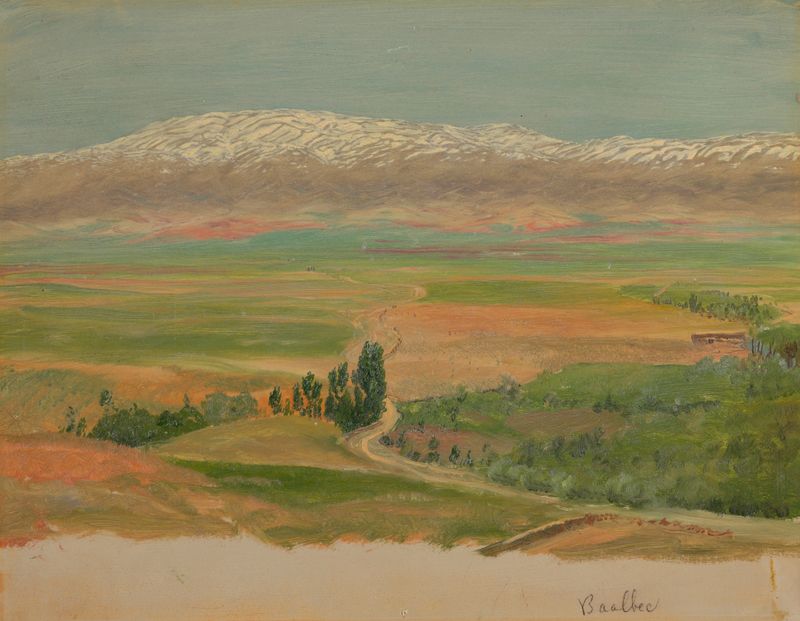
Mountains near Baalbec
Frederic Edwin Church
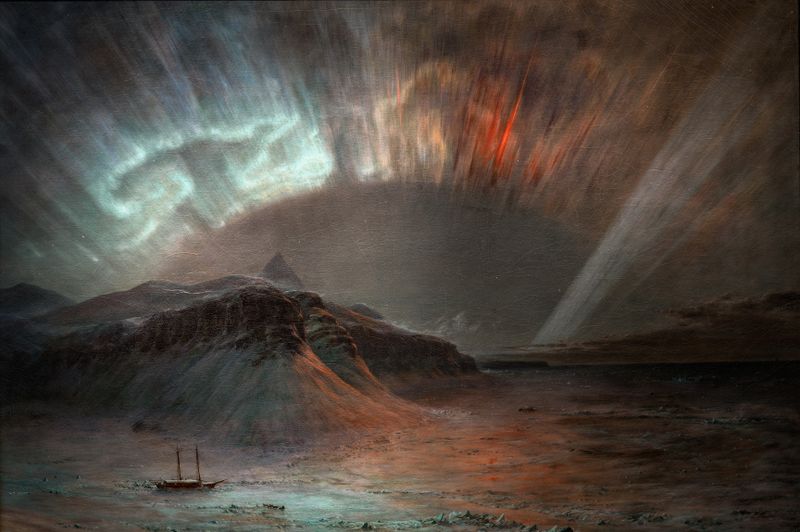
Aurora Borealis
Frederic Edwin Church
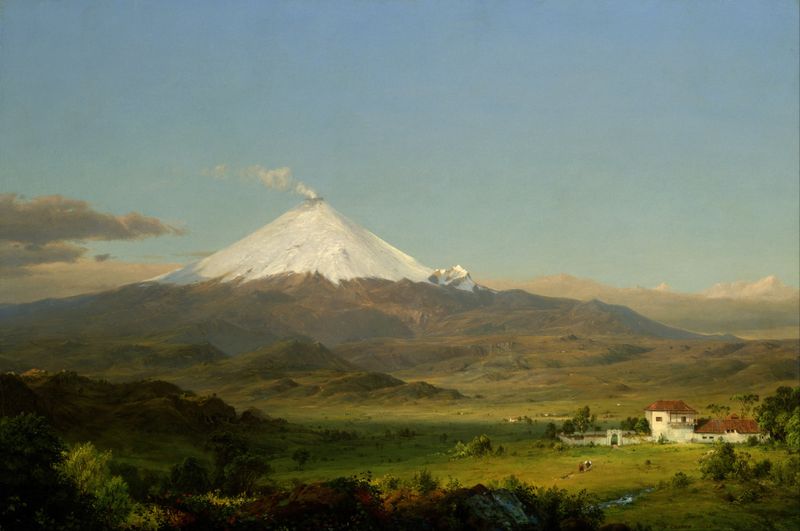
Cotopaxi
Frederic Edwin Church





