
Mountain View in North Wales — History & Facts
No one is quite certain when John Linnell first set foot in the wilds of North Wales, but his fascination with the region’s rugged landscapes left a lasting mark on his art. Mountain View in North Wales stands out among his landscapes for its rare focus on the untamed British countryside at a time when many artists preferred the cultivated parks of the south. Linnell’s deep friendship with William Blake, who also found inspiration in nature’s drama, may have encouraged him to seek out such remote scenery.
The painting’s date and medium remain uncertain, adding an air of mystery to its origins and inviting viewers to imagine the journey that led the artist to this vista. The scene captures a moment of quiet grandeur: rolling hills rise into craggy mountains, their slopes dotted with sheep and the occasional hardy tree, while a silver ribbon of river winds through the valley below. Linnell chooses a vantage point that emphasizes the scale and isolation of the landscape, with the sky heavy and close, hinting at the region’s unpredictable weather. The light gathers on distant peaks, drawing the eye into the depths of the composition and suggesting a break in the clouds—a fleeting moment of clarity.
Unlike J.M.W. Turner’s tempestuous Welsh scenes, Linnell’s view is steadier, more grounded, focusing on the enduring presence of the land rather than the drama of the elements. The careful rendering of geological features and vegetation speaks to Linnell’s interest in natural observation, a hallmark of his mature style. The precise history of Mountain View in North Wales as an object remains elusive.
There is no known record of a patron or early exhibition, and its provenance is patchy, as is often the case with works that lingered in private collections before entering public view. What is clear is that landscapes like this one became increasingly important in Linnell’s career, especially as he distanced himself from portrait commissions and sought artistic independence. Today, the painting is valued as a testament to the British landscape tradition and to Linnell’s role in bridging the gap between the poetic visions of Blake and the observational realism that would flourish later in the nineteenth century.
Its presence in a museum collection allows new generations to stand, as Linnell once did, before the mountains of Wales.
More Artworks by John Linnell

A View Near Hampstead
John Linnell
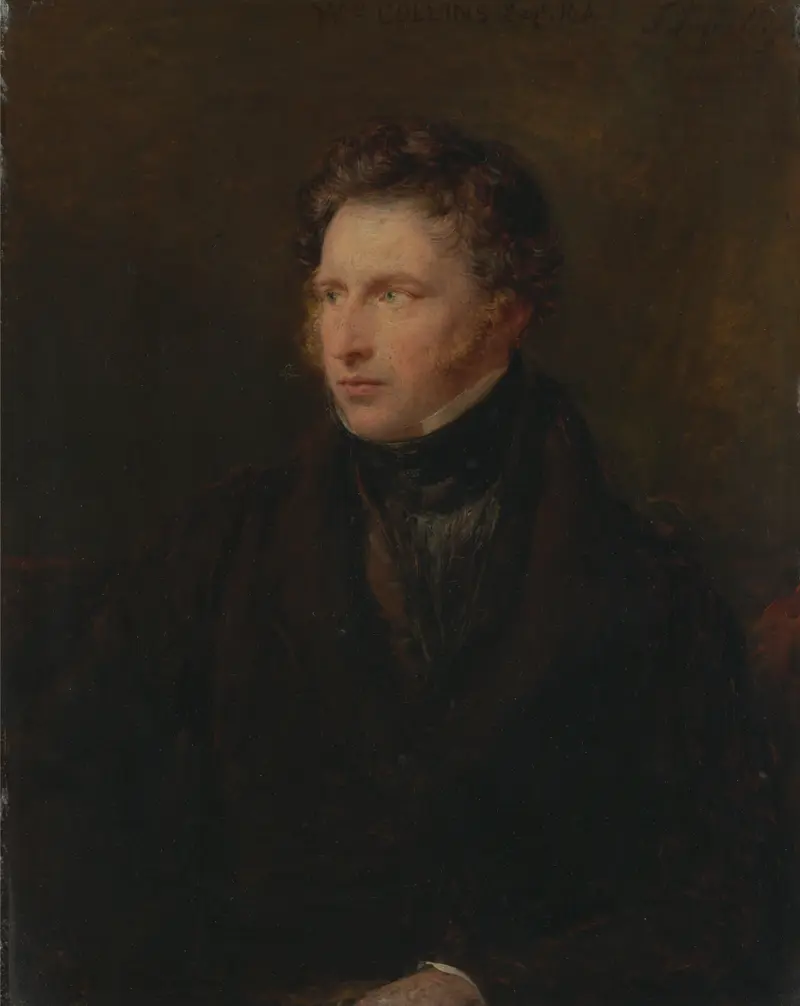
William Collins, R.A.
John Linnell
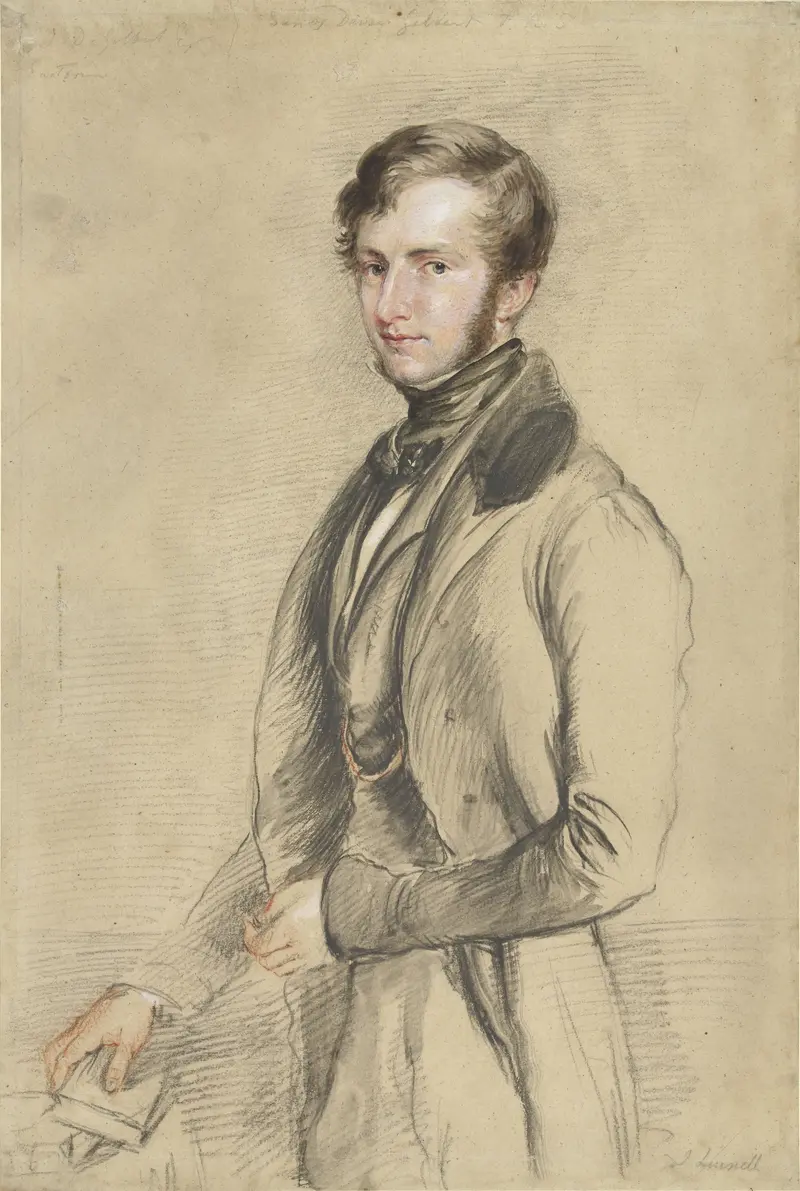
Portrait of John Davies Gilbert
John Linnell
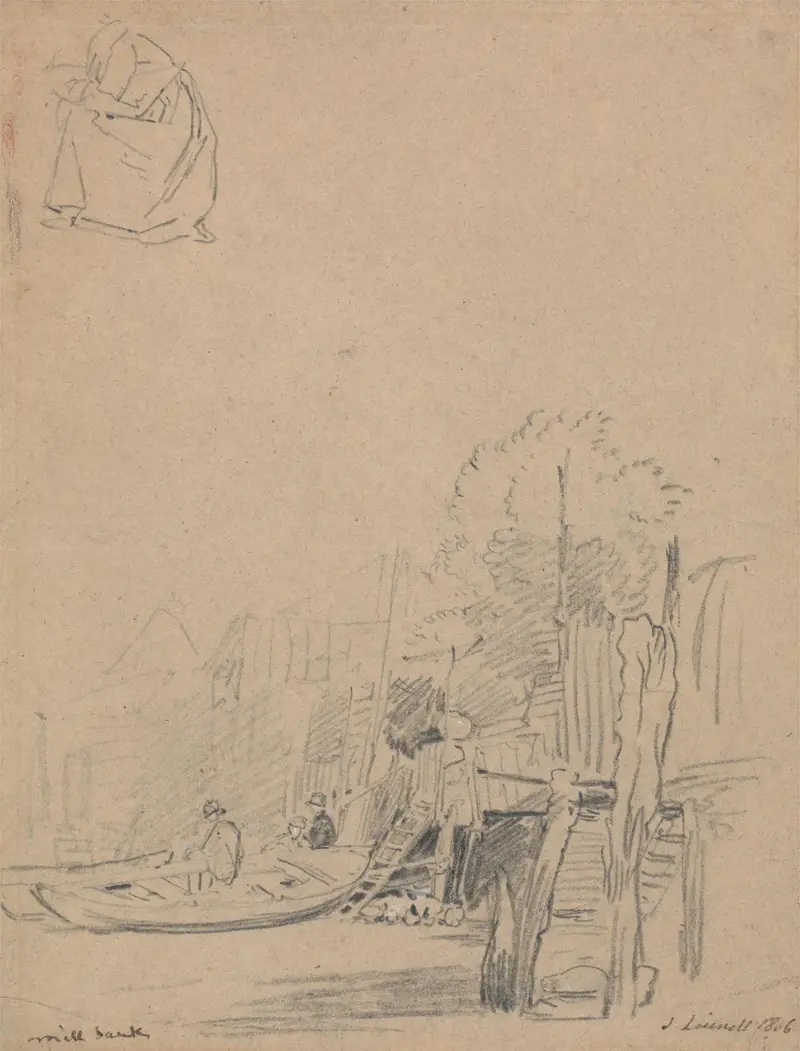
Millbank
John Linnell
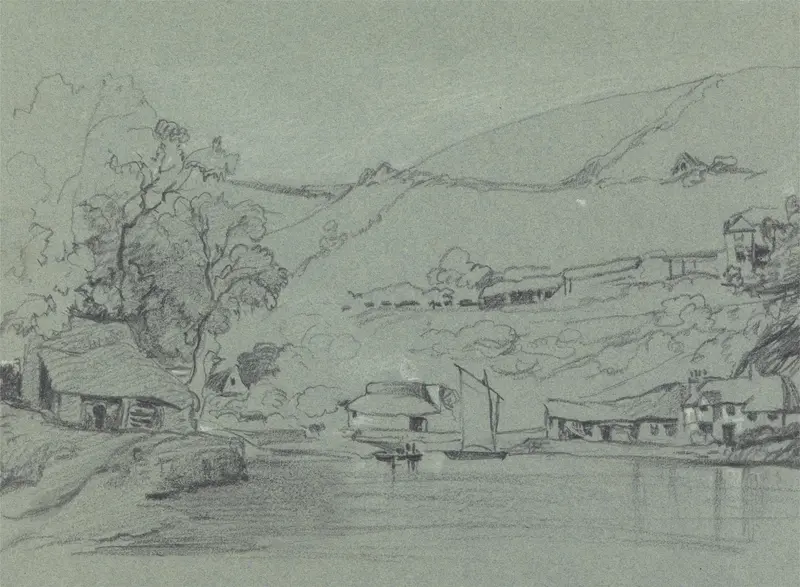
Scene in Kent
John Linnell
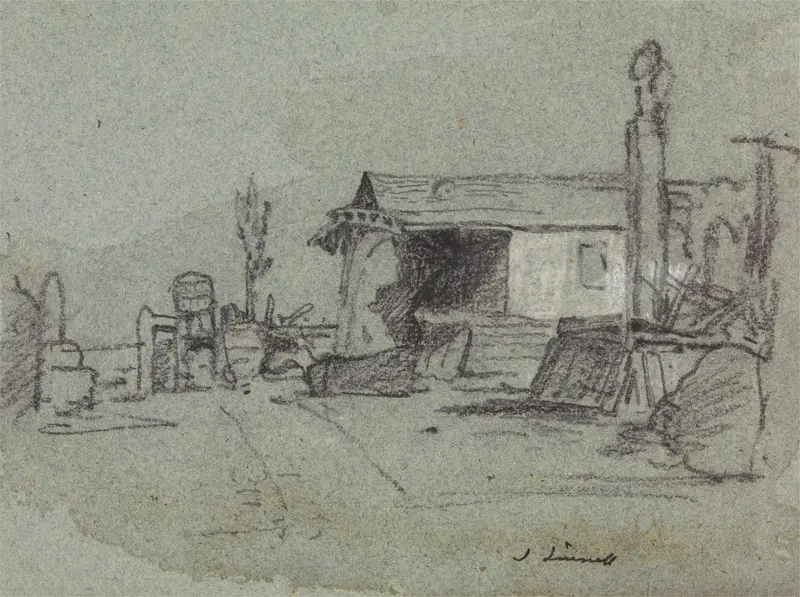
A Scene in the Edgware Road, London
John Linnell
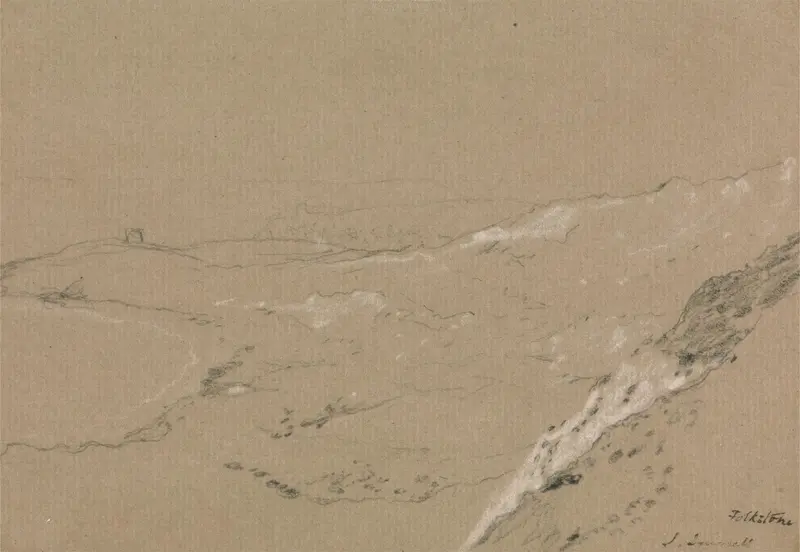
Folkestone
John Linnell
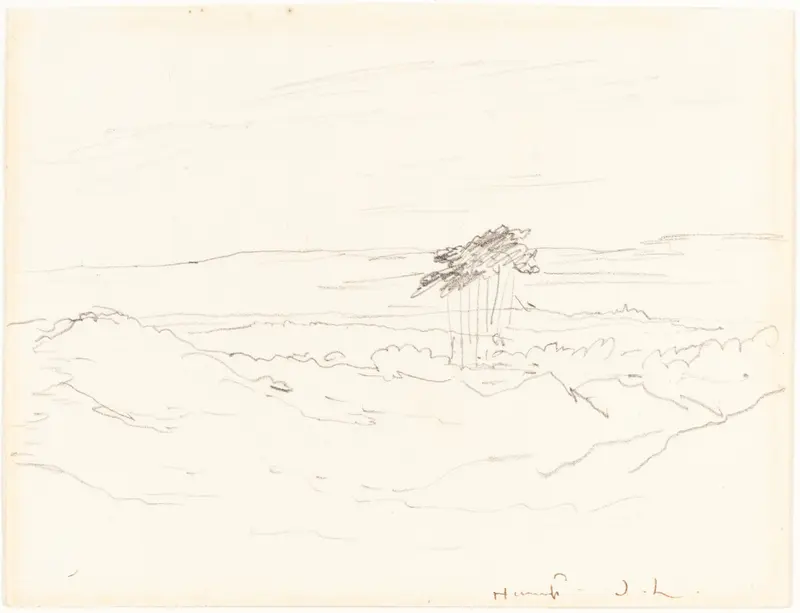
Hampstead Heath
John Linnell
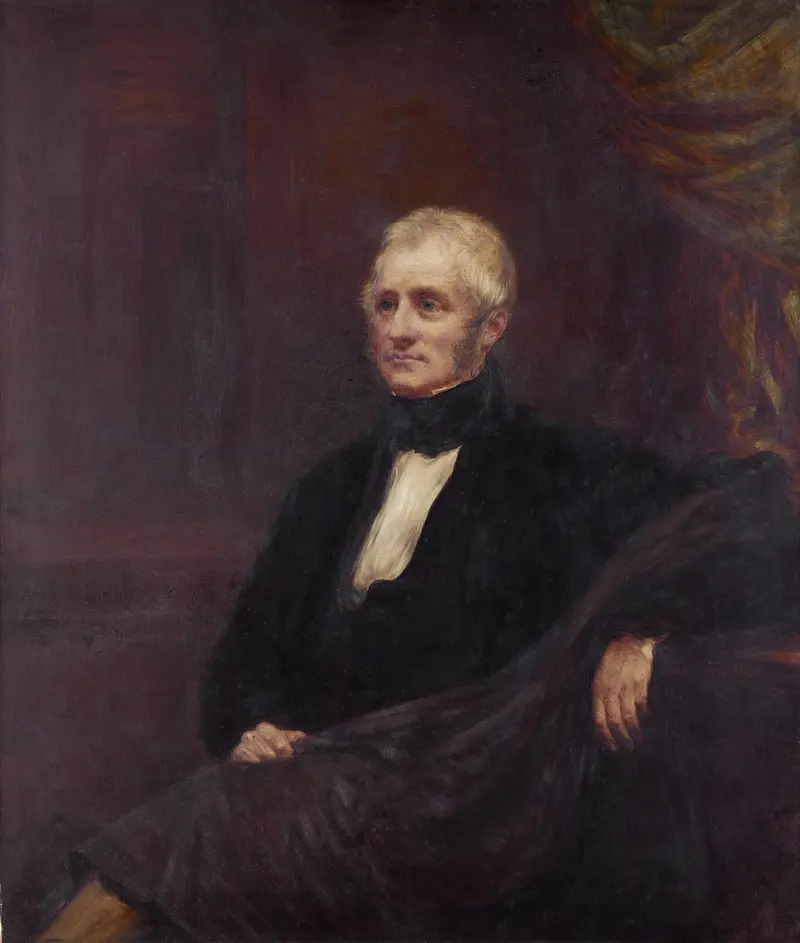
Henry Stephen Fox-Strangways, 3rd Earl Of Ilchester
John Linnell
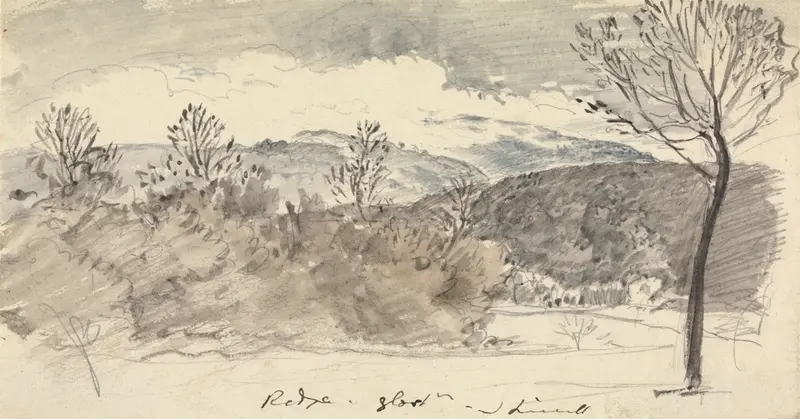
View at Mr. Sheppard’s, The Ridge, Gloucestershire
John Linnell
More Landscape Art

The Starry Night
Vincent van Gogh

View of Delft
Johannes Vermeer

Water Lilies
Claude Monet

The Grand Canal, Venice, looking north-west from the Ca' Corner to the Ca' Contarini degli Scrigni, with the campanile of Santa Maria della Carità
Canaletto

Windsor Castle
Canaletto

The Grand Canal looking North-East from the Palazzo Dolfin-Manin to the Rialto Bridge
Canaletto