
Mountainous landscape — History & Facts
Could a single brushstroke hold eternity? In Mountainous landscape, each stroke not only captures the grandeur of nature but also whispers of the emotional landscapes that lie beneath the surface. Look to the left at the towering peaks, their jagged summits piercing the sky, awash in hues of blue and violet. The play of light dances across the mountains, revealing intricate details in the rocky texture, while the warm glow of the setting sun bathes the scene in a soft, golden embrace. The foreground invites the viewer in with lush green foliage, inviting contemplation and drawing the eye towards a distant horizon that feels almost transcendent. Beneath this picturesque scene lies a profound tension—a juxtaposition of beauty and impermanence.
The vibrant colors evoke a sense of awe, yet they carry an undercurrent of melancholy, reminding us of the fleeting nature of both landscapes and life itself. In this moment captured, there is an unspoken betrayal of time, as the magnificence of the mountains stands in stark contrast to our own transience. Frederic Edwin Church painted this work during a period of exploration and personal growth in his career, between 1860 and 1870, as the Hudson River School reached its zenith. Known for his intricate landscapes, Church sought to express the sublime in nature, reflecting a time when artists were increasingly engaging with themes of national identity and environmental wonder.
This painting encapsulates that spirit, embodying a quest for understanding the vast and often contradictory beauty of the world.
More Artworks by Frederic Edwin Church
Browse all →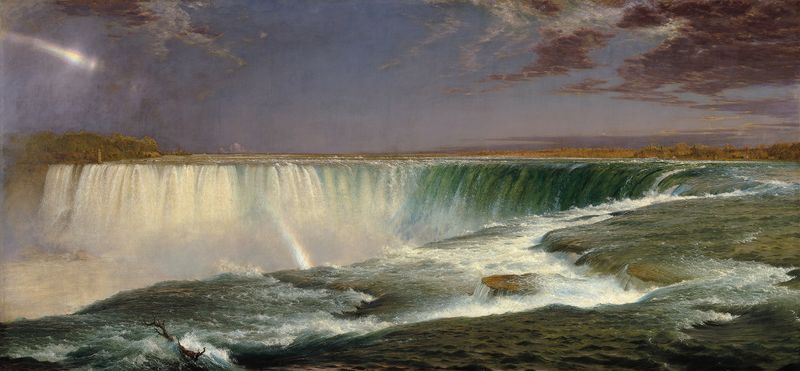
Niagara
Frederic Edwin Church
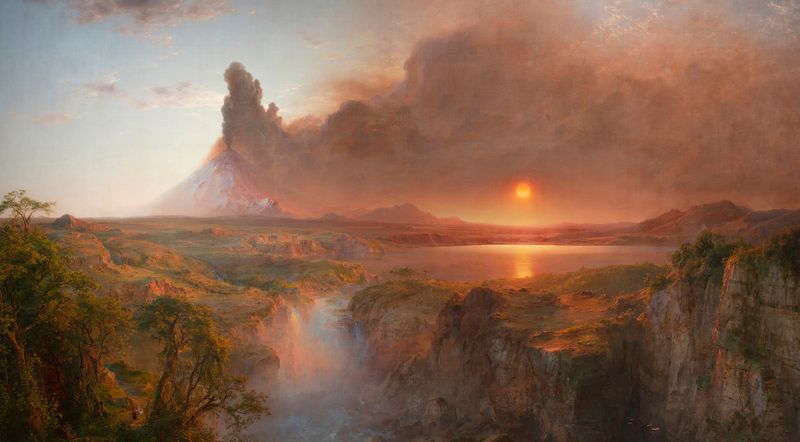
Cotopaxi
Frederic Edwin Church
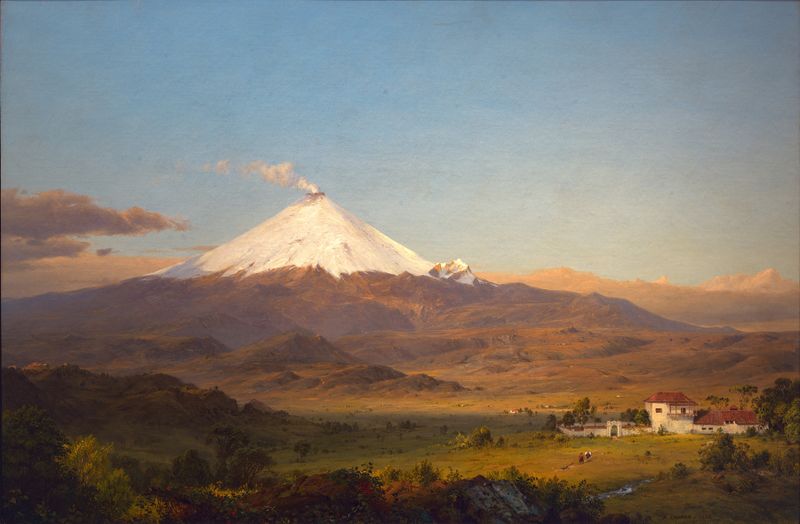
Cotopaxi
Frederic Edwin Church
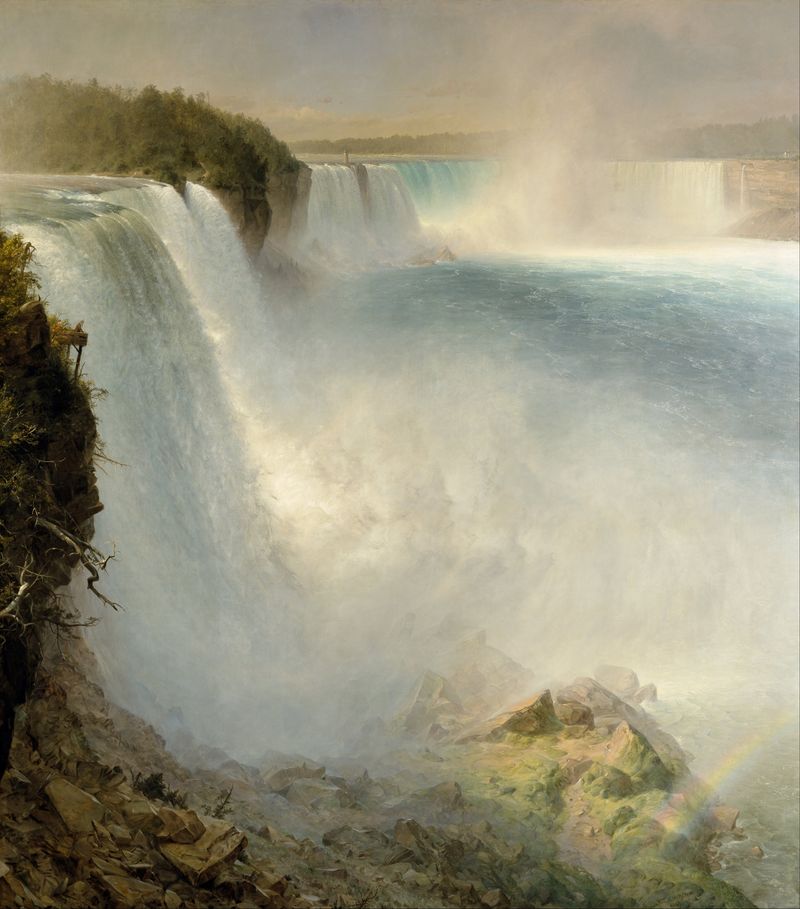
Niagara Falls, from the American Side
Frederic Edwin Church
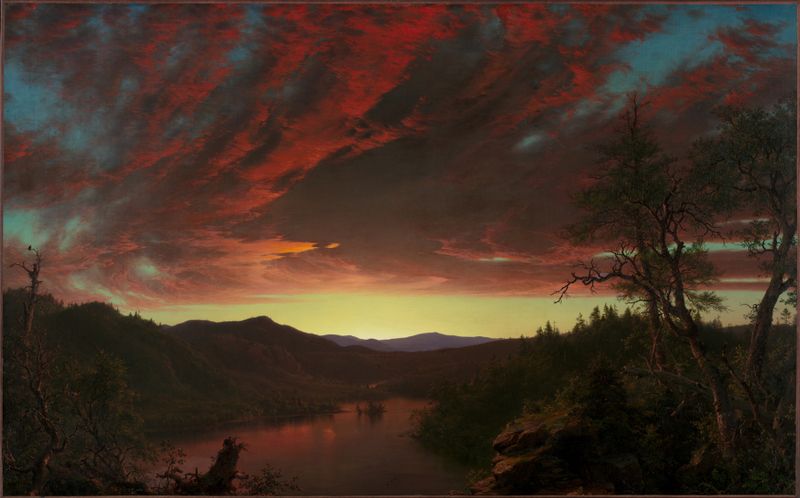
Twilight in the Wilderness
Frederic Edwin Church
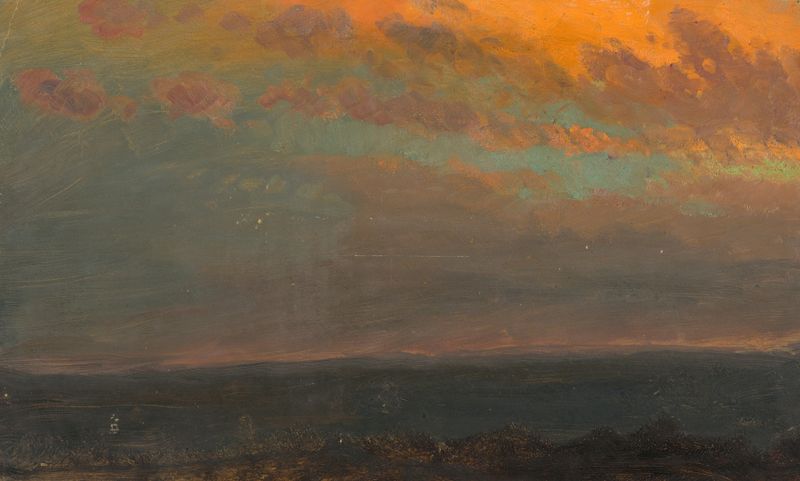
Hudson Valley at Sunset
Frederic Edwin Church
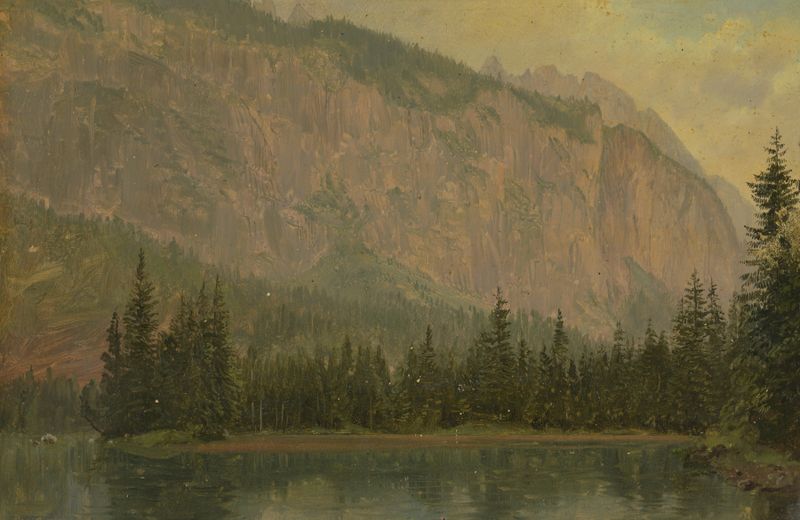
The Hintersee, near Berchtesgaden, Bavaria
Frederic Edwin Church
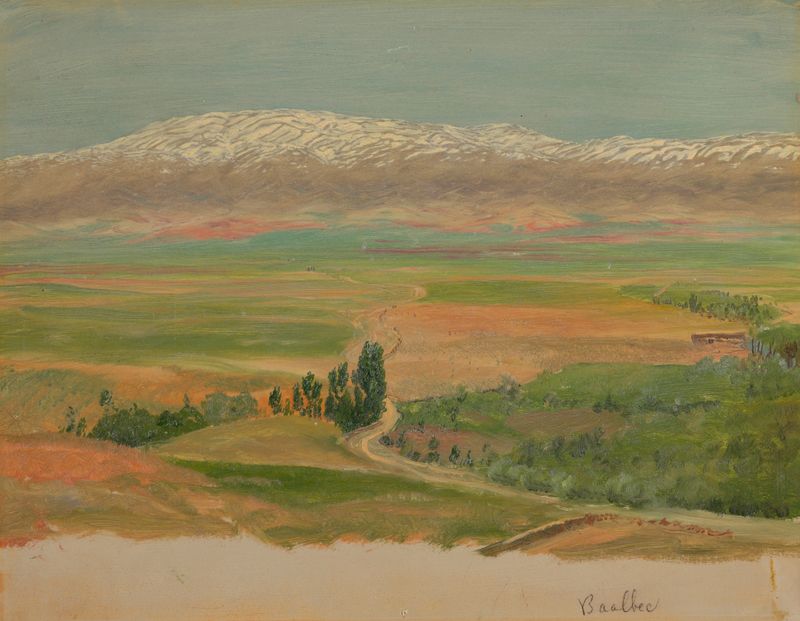
Mountains near Baalbec
Frederic Edwin Church
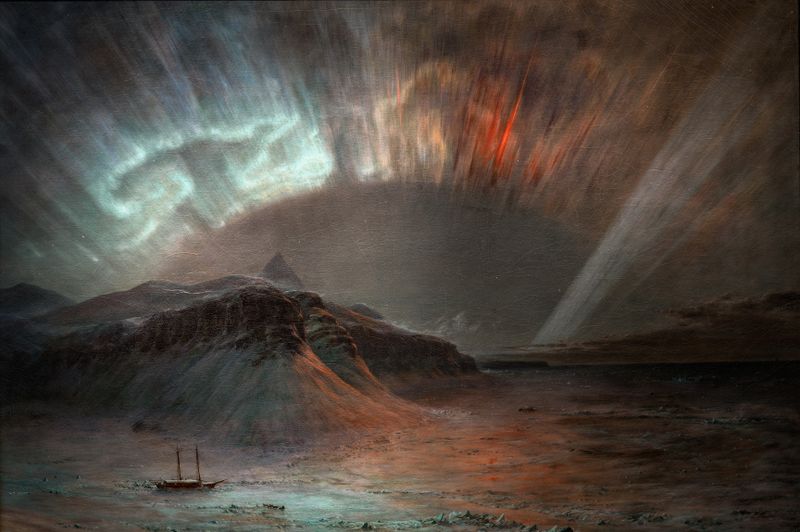
Aurora Borealis
Frederic Edwin Church
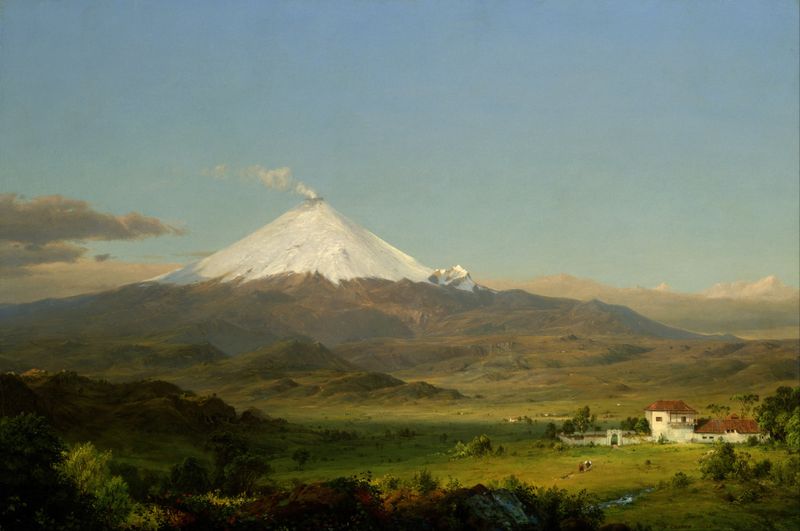
Cotopaxi
Frederic Edwin Church





