
Mountainous landscape — History & Facts
In the hands of a master, movement transcends mere representation, inviting the viewer to experience the heartbeat of nature itself. Focus first on the sweeping curves of the mountains in the background, their grandeur captured with a vibrant palette of greens and blues. Notice how the light dances upon the peaks, revealing shadows that hint at both depth and mystery. The foreground is alive with the gentle sway of trees and wildflowers, painted with such fine detail that each stroke seems to stir the air around it.
Your eyes will be drawn across the canvas as if following a breeze, encapsulating the endless vitality of the landscape. Hidden within this serene vista are contrasts that evoke a deep emotional resonance. The tranquil beauty of the scenery juxtaposes the turbulent movement softly suggested in the foliage and clouds, creating a dialogue between stillness and dynamism. This harmony invites contemplation, as if each element of the painting is in a delicate balance, reminding us of nature's fleeting moments and the ephemeral quality of existence. Frederic Edwin Church created this remarkable piece during a transformative period in American landscape painting, between 1860 and 1870.
Working primarily in his studio in Hudson Valley, he was at the forefront of the Hudson River School, capturing the evocative beauty of nature amid the upheaval of the Civil War. This painting reflects not only his personal journey as an artist but also the burgeoning American identity that was emerging through its rich and diverse landscapes.
More Artworks by Frederic Edwin Church
Browse all →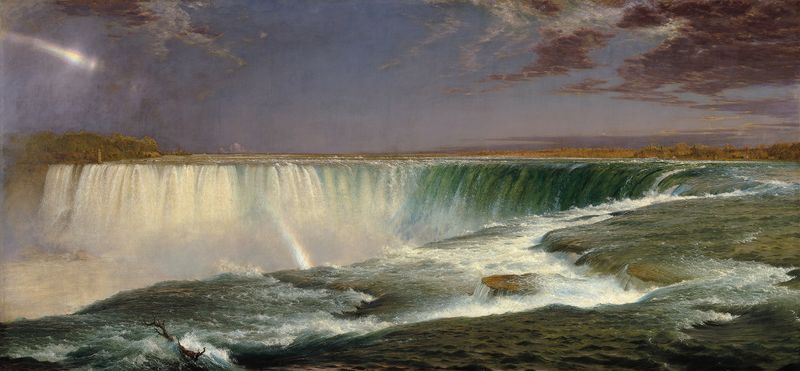
Niagara
Frederic Edwin Church
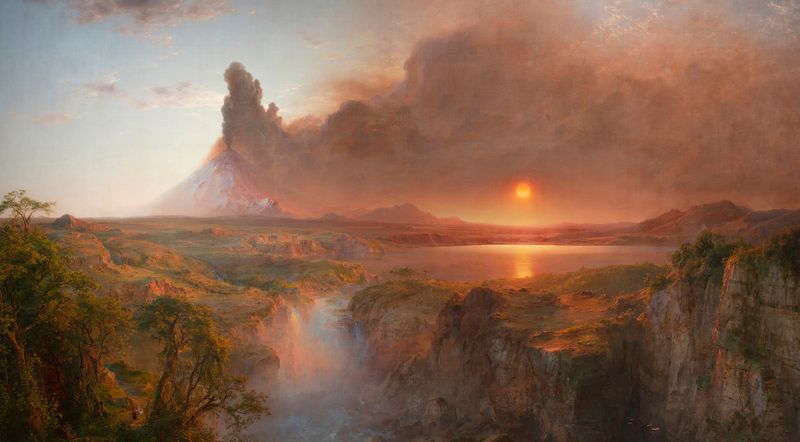
Cotopaxi
Frederic Edwin Church
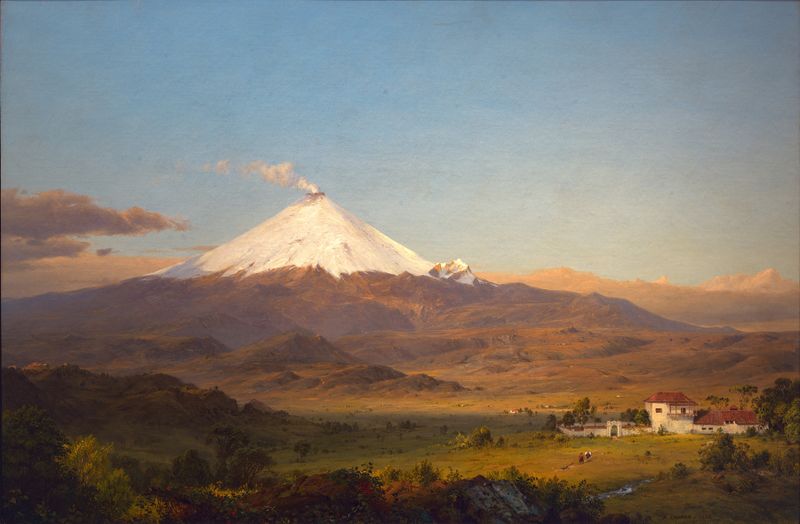
Cotopaxi
Frederic Edwin Church
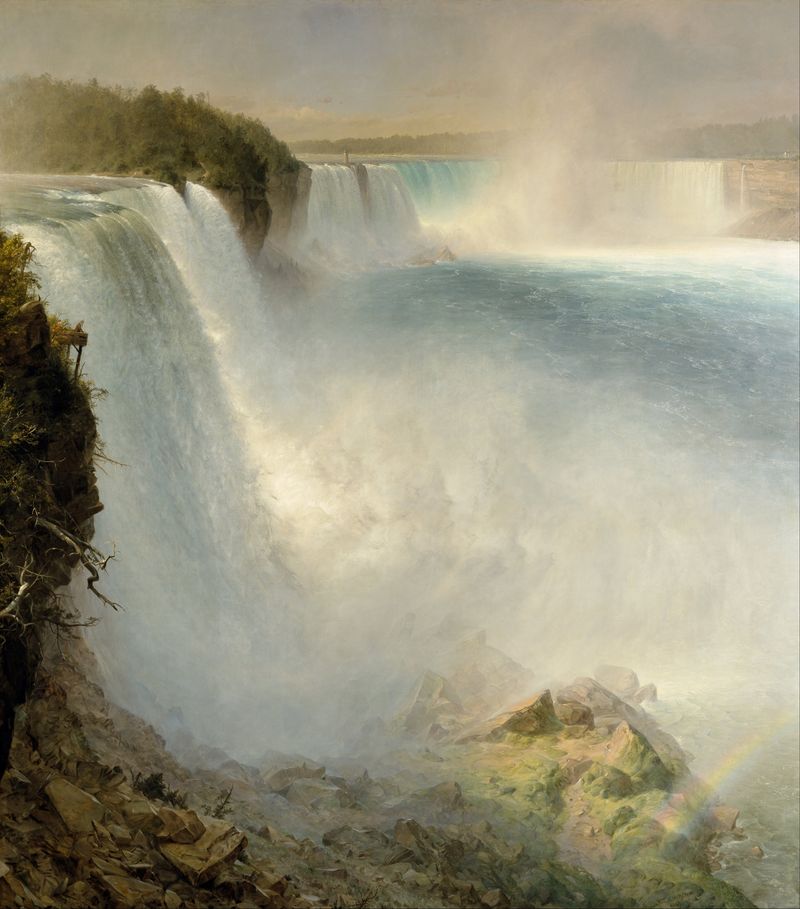
Niagara Falls, from the American Side
Frederic Edwin Church
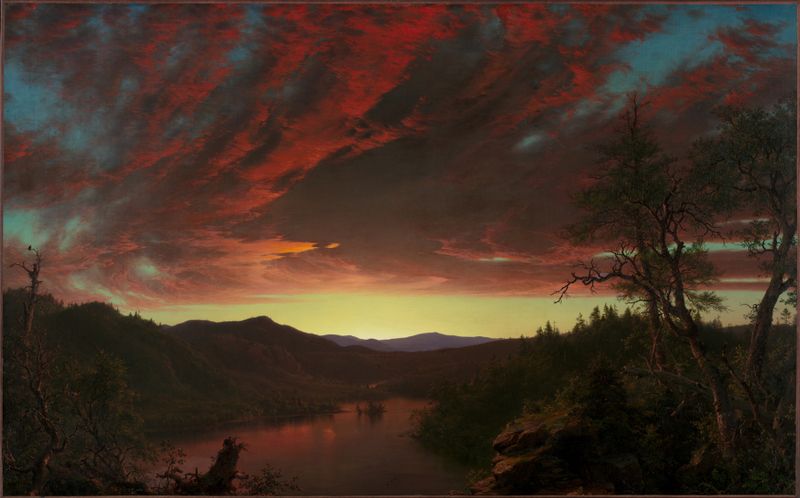
Twilight in the Wilderness
Frederic Edwin Church
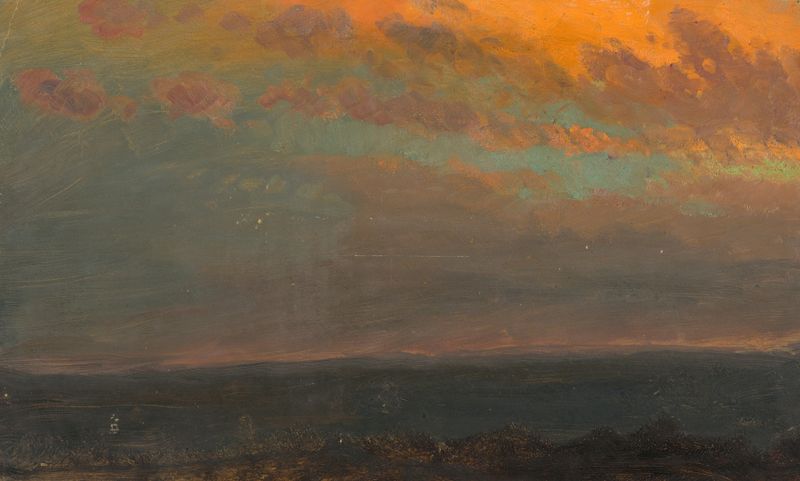
Hudson Valley at Sunset
Frederic Edwin Church
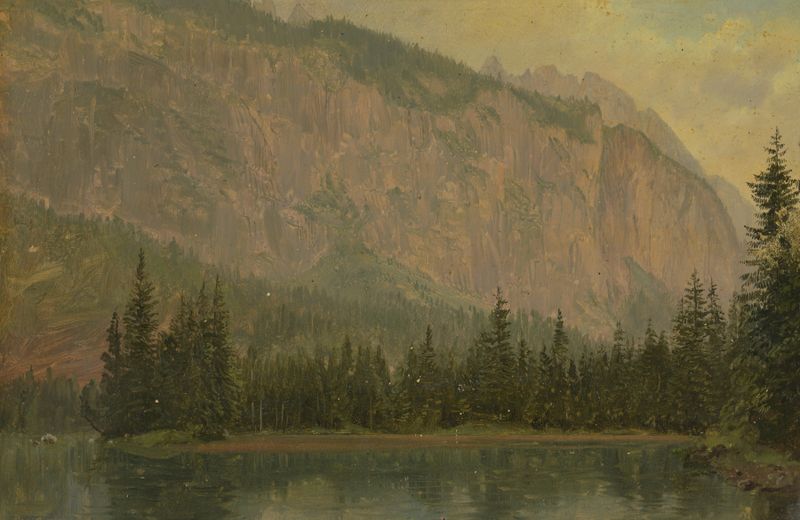
The Hintersee, near Berchtesgaden, Bavaria
Frederic Edwin Church
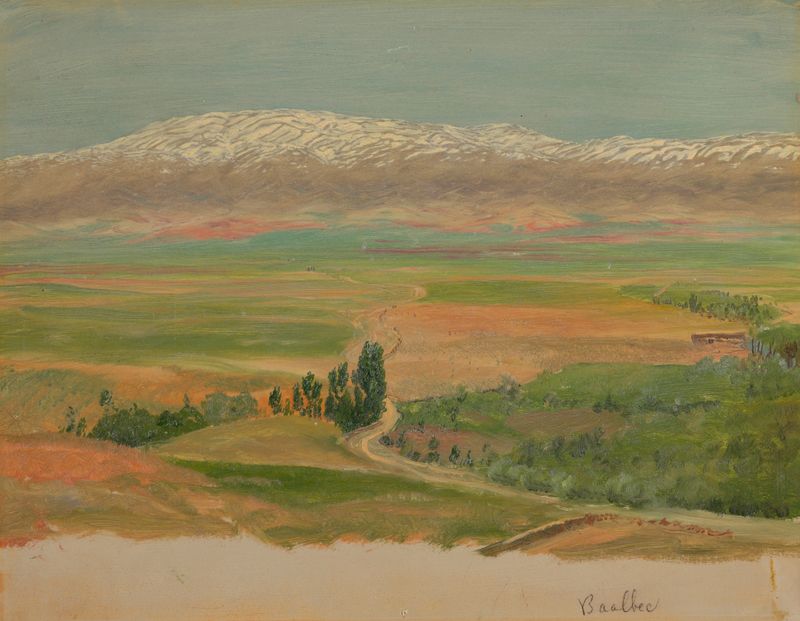
Mountains near Baalbec
Frederic Edwin Church
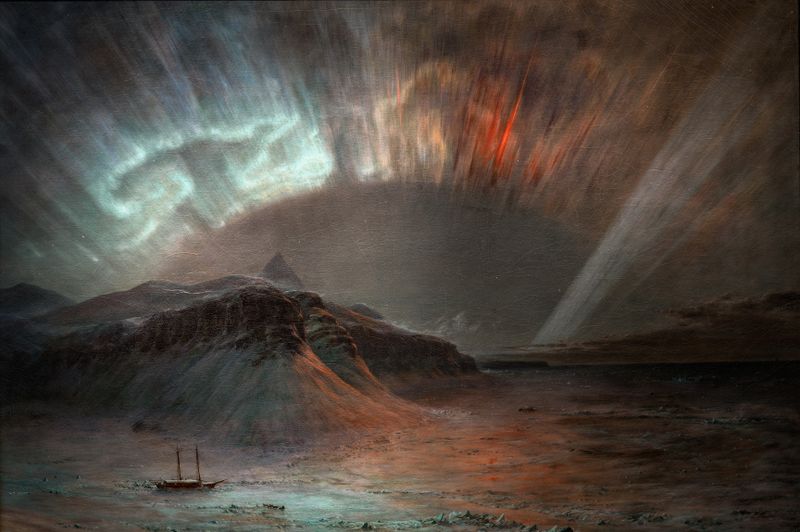
Aurora Borealis
Frederic Edwin Church
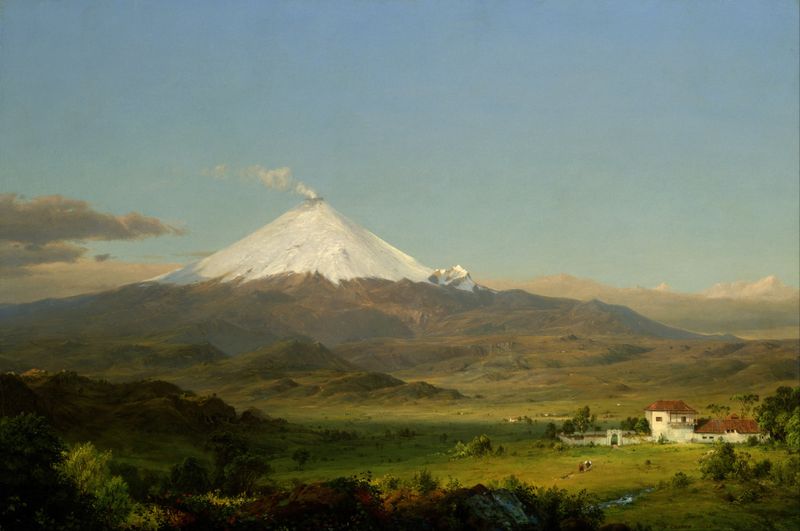
Cotopaxi
Frederic Edwin Church





