
Mountainous Landscape — History & Facts
In the quiet embrace of nature, a yearning for the unattainable drifts like a mist over the mountains. Look to the right at the deep azure sky, where soft clouds cradle the sun's fading light. Allow your gaze to travel down the steep slopes, where shades of green intermingle with the earthy browns of the terrain. Notice how the artist uses gentle brushstrokes to render the undulating hills, each contour whispering stories of solitude and longing.
The composition draws you in, creating an immersive experience that feels both vast and intimate. Beneath the serene surface lies a profound tension between the majesty of the landscape and the loneliness it evokes. The towering peaks stand as both guardians and barriers, symbolizing the desires that often remain unfulfilled, just out of reach. In the foreground, a small figure gazes upwards, embodying a longing that resonates with the viewer's own aspirations and dreams.
The contrasts of light and shadow further emphasize this emotional pull, drawing attention to the interplay between hope and isolation. George Lambert painted this evocative piece in 1722 during a period of burgeoning interest in landscape painting within the European art scene. Living in England, Lambert was influenced by the picturesque ideal that celebrated nature’s beauty while also reflecting the human condition's complexities. As an artist, he focused on capturing the sublime qualities of landscapes, portraying them as vast realms that evoke both wonder and contemplation.
More Artworks by George Lambert
Browse all →
Capriccio With A Classical Sarcophogus And Possibly Beeston Castle, Chesire
George Lambert
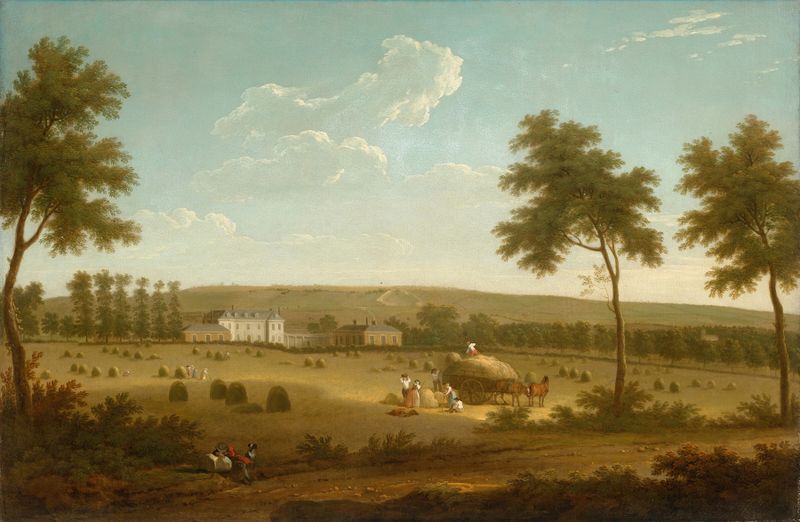
A South-east view of Leybourne Grange, Kent
George Lambert

An Italianate Landscape with Maneus Curius Dentatus with acolytes rejecting the gifts of the Samnites and preferring Turnips
George Lambert
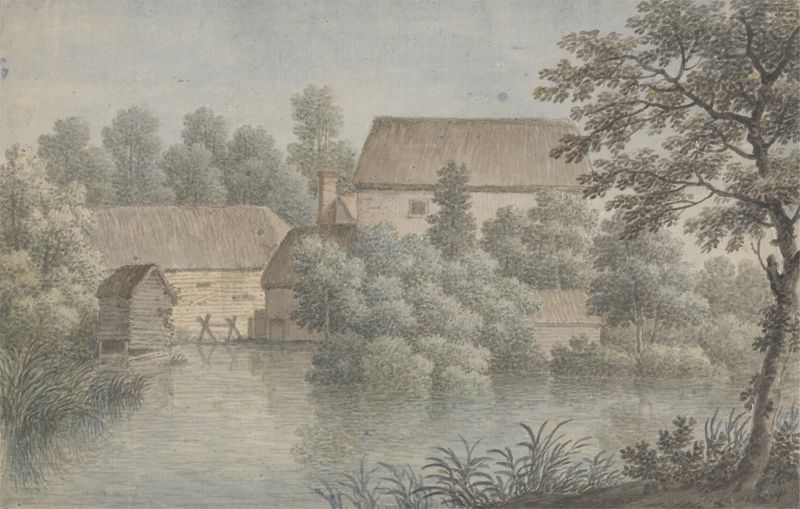
A Village Pond with Farm Buildings
George Lambert

A Pastoral Landscape with Shepherds and their Flocks
George Lambert

Wooded landscape with figures resting by a stream
George Lambert

An Arcadian Landscape
George Lambert
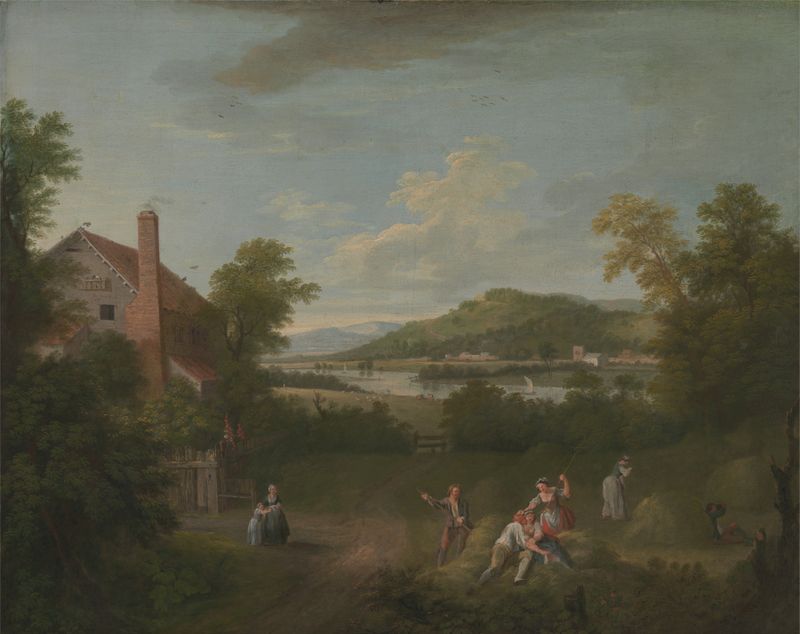
Landscape with Farmworkers
George Lambert
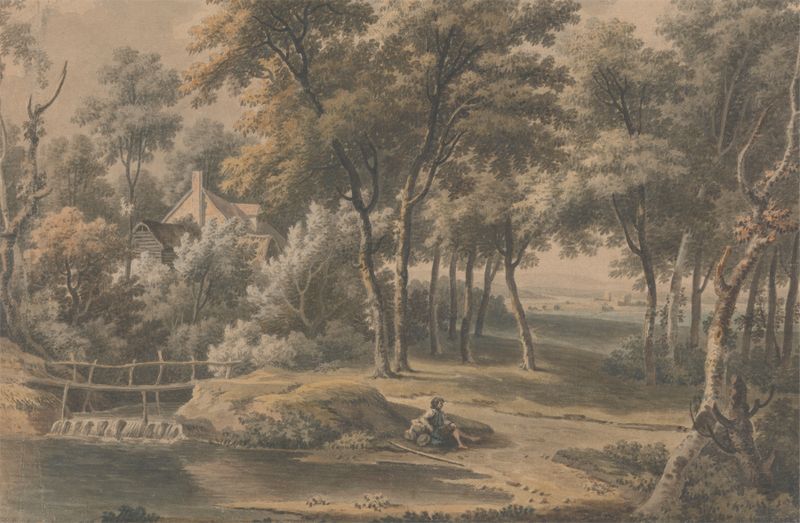
A Woody Landscape
George Lambert
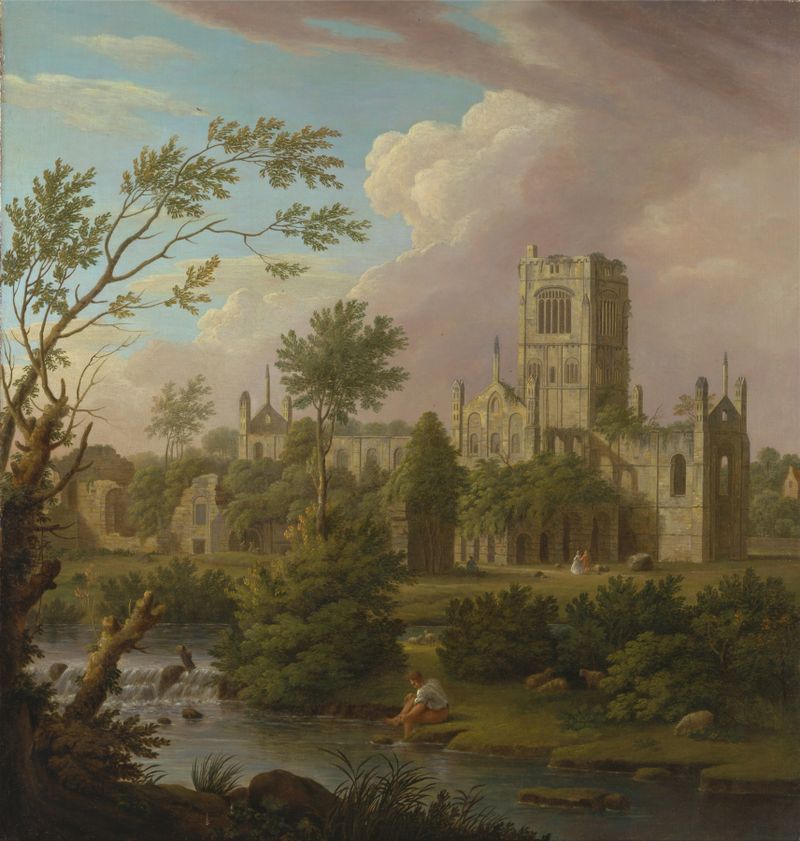
Kirkstall Abbey, Yorkshire
George Lambert





