
Mower — History & Facts
Did the painter know this moment would outlive them? The quiet transformation of nature, captured within a single frame, speaks volumes of the life cycle and the unyielding passage of time. Look to the left at the figure of the mower, bent slightly at the waist, their focus a delicate balance between exertion and ease. The sweeping motion of the scythe cuts through the vibrant grasses, which sway with an almost reverent grace, painted in a lush palette of greens and golds. Notice how the dappled sunlight filters through the blades, highlighting the interplay of shadow and light, creating a rhythm that echoes the mower’s labor.
Each stroke is a testament to the earth’s fecundity, a physical engagement that connects humanity to the land. Beneath the surface, this work encapsulates the tension between human effort and the inevitable cycle of growth and decay. The mower seems both part of and apart from the lush landscape, symbolizing an intimate relationship with nature that bears both pride and sorrow. This duality is enriched by the colors—rich greens suggest vitality, while the amber tones hint at the fleeting nature of the moment, a reminder of the transience of life and labor.
Each detail, from the texture of the grass to the posture of the figure, invites reflection on the transformation that every harvest brings. During the years 1925 to 1933, Zolo Palugyay painted this work in the backdrop of a world wrestling with the aftermath of the First World War and the onset of the Great Depression. This period saw a resurgence in the appreciation of rural life and labor, and the artist's focus on agrarian themes resonated deeply with contemporary audiences. Palugyay's exploration of transformation within this framework not only reflects the societal shifts of his time but also speaks to the universal, enduring connection between humanity and the natural world.
More Artworks by Zolo Palugyay
Browse all →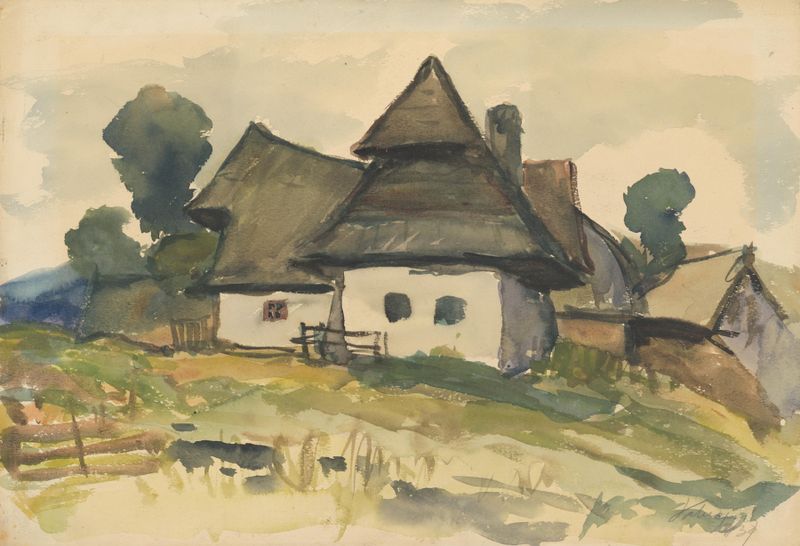
Dedinský motív
Zolo Palugyay
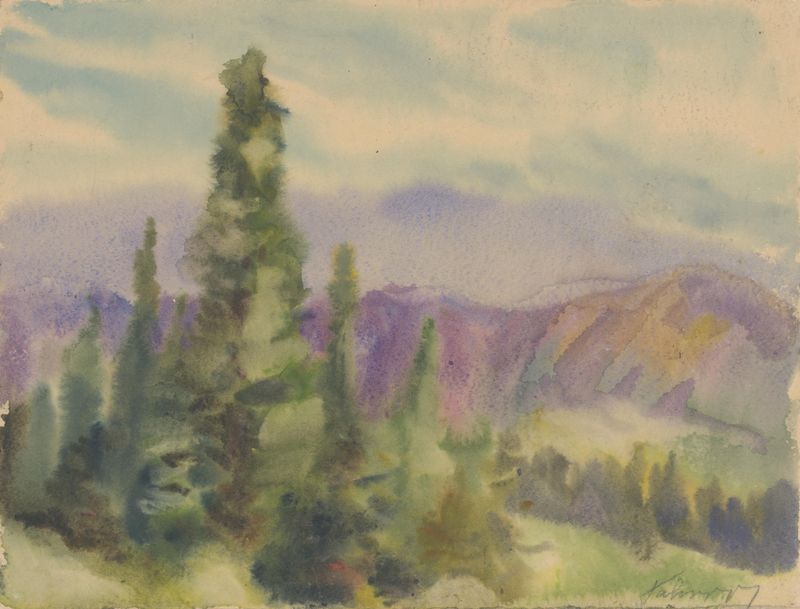
Motif from Liptov Mountains
Zolo Palugyay
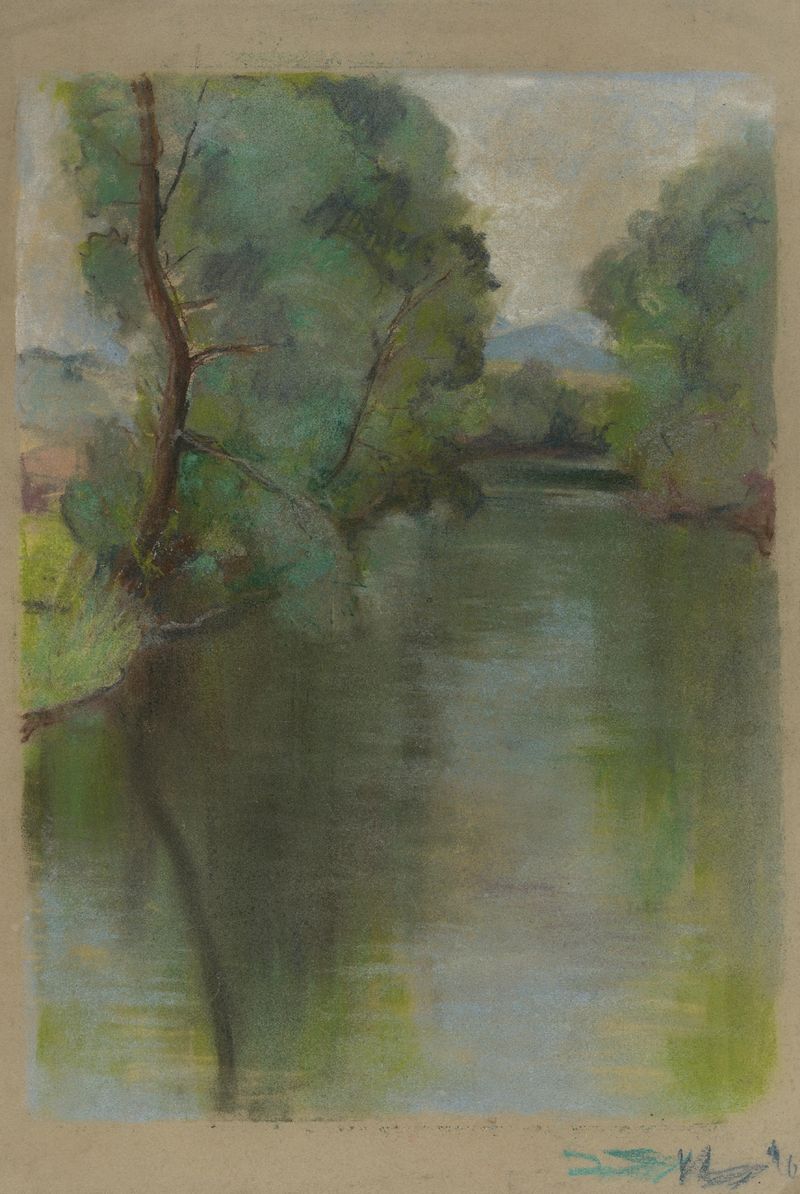
Silent River
Zolo Palugyay
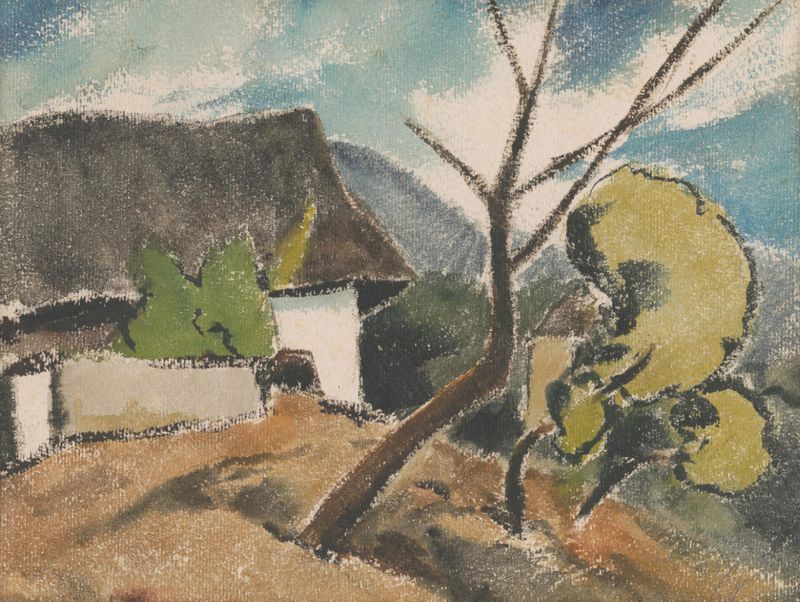
Oravská chalupa
Zolo Palugyay
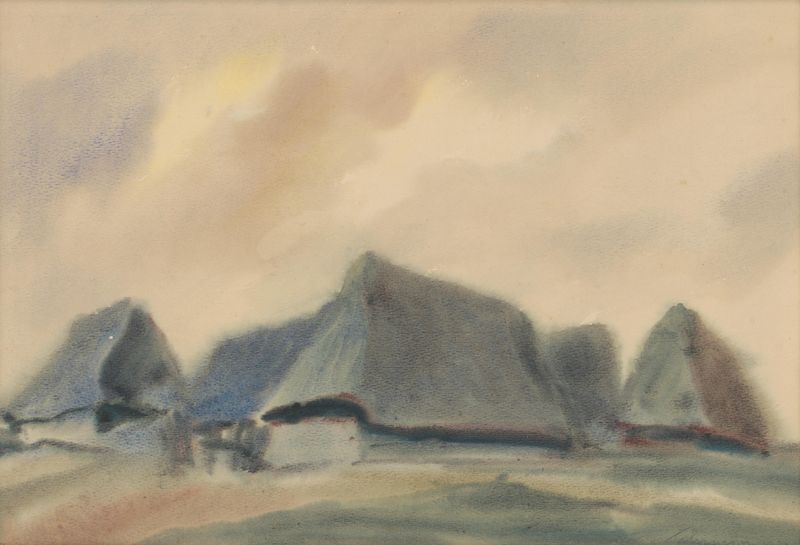
Modré chalupy
Zolo Palugyay
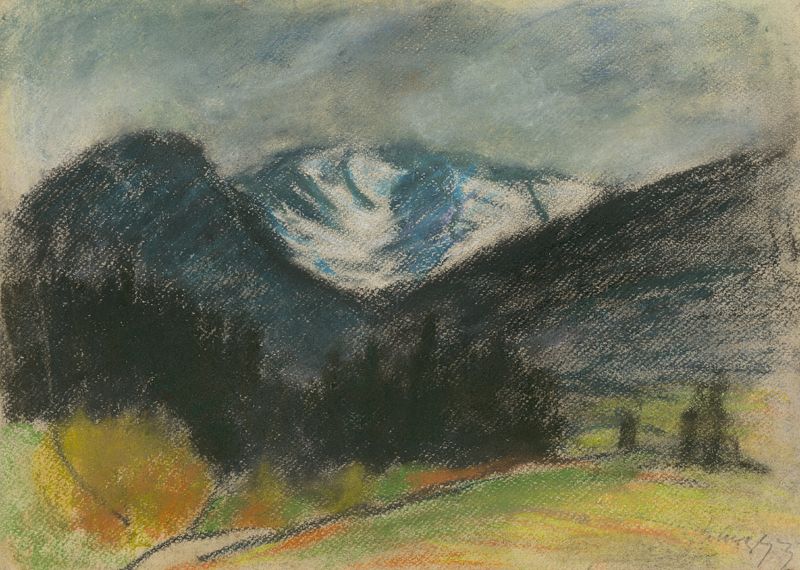
Mountain Landscape with Snowy Peaks
Zolo Palugyay
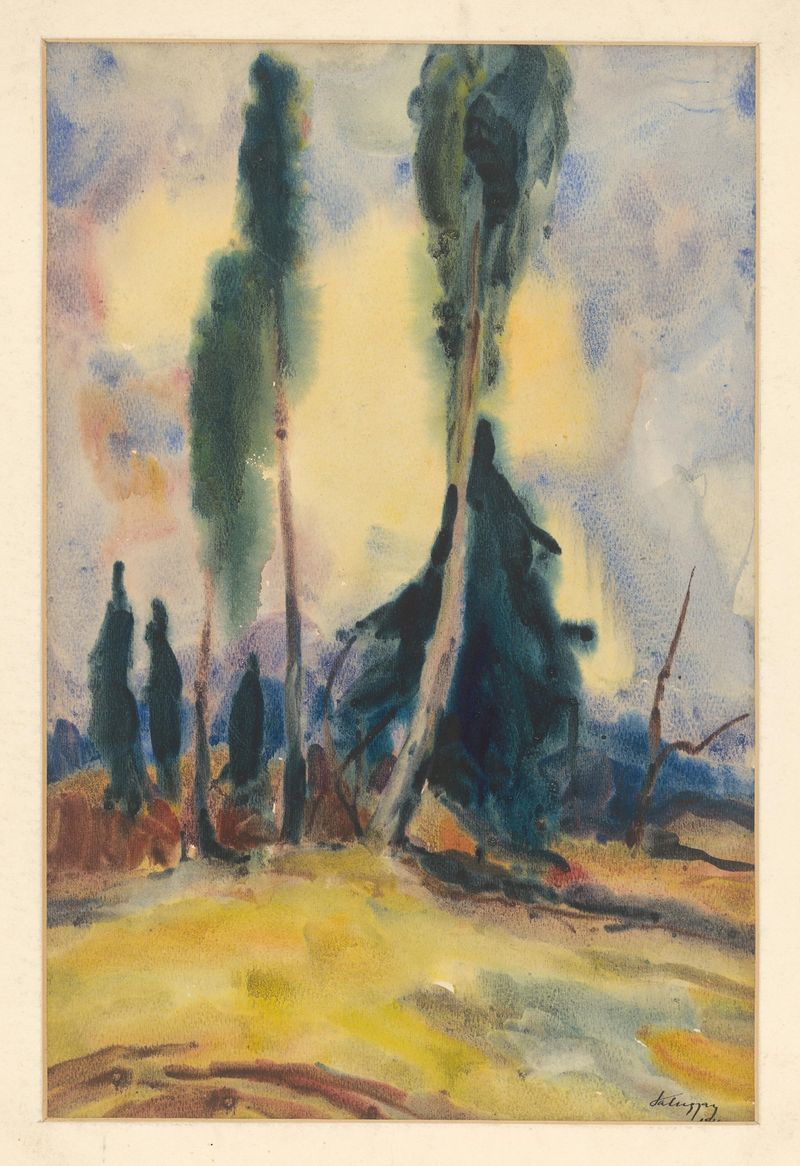
Three Trees on a Plain
Zolo Palugyay
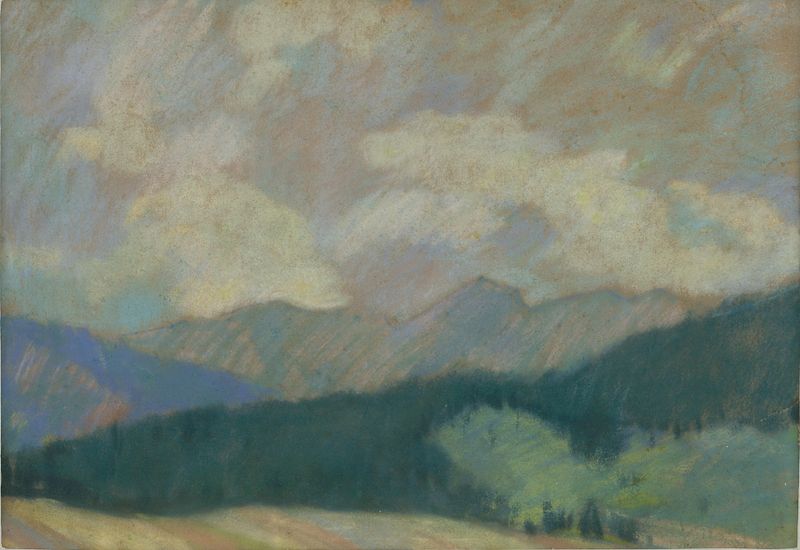
Horská krajina
Zolo Palugyay
Tatra Landscape
Zolo Palugyay
Spring Landscape
Zolo Palugyay





