
Mozes en Aäron in discussie met Farao over Israëlieten — History & Facts
Could a single brushstroke hold eternity? In Mozes en Aäron in discussie met Farao over Israëlieten, a moment of profound loss unfurls, echoing through the ages with a palpable tension. Look closely at the solemn figures at the center of the composition, where the intense gaze of Moses captures your attention first. His outstretched arm emphasizes authority yet intertwines with vulnerability, echoing the plight of his people. Surrounding him, Aäron stands as a loyal confidant, his eyes filled with anguish.
The muted palette of earthy tones and shadowy blues evokes a sense of despair, while the stark light illuminating the Pharaoh’s face accentuates his arrogance and contempt, making this clash of wills visually compelling. Delve deeper into the interactions captured in this tense moment: the tension between faith and tyranny, hope and despair, is palpable. The subtle gestures convey not just words but unspoken emotions; Moses's defiance is matched by the Pharaoh's indifference, illustrating the yawning chasm between oppressor and oppressed. This moment symbolizes a larger struggle, one that transcends the biblical narrative, reflecting the timeless battle against oppression and the yearning for liberation. Holbein created this work in 1538 during a period rife with political and religious upheaval in Europe.
Having relocated to England, the artist was deeply influenced by the Reformation and its implications on society and faith. His portrayal of this biblical event resonates with contemporary audiences, as it reflects the artist's engagement with themes of power, authority, and the human condition amidst a shifting cultural landscape.
More Artworks by Hans Holbein (II)
Browse all →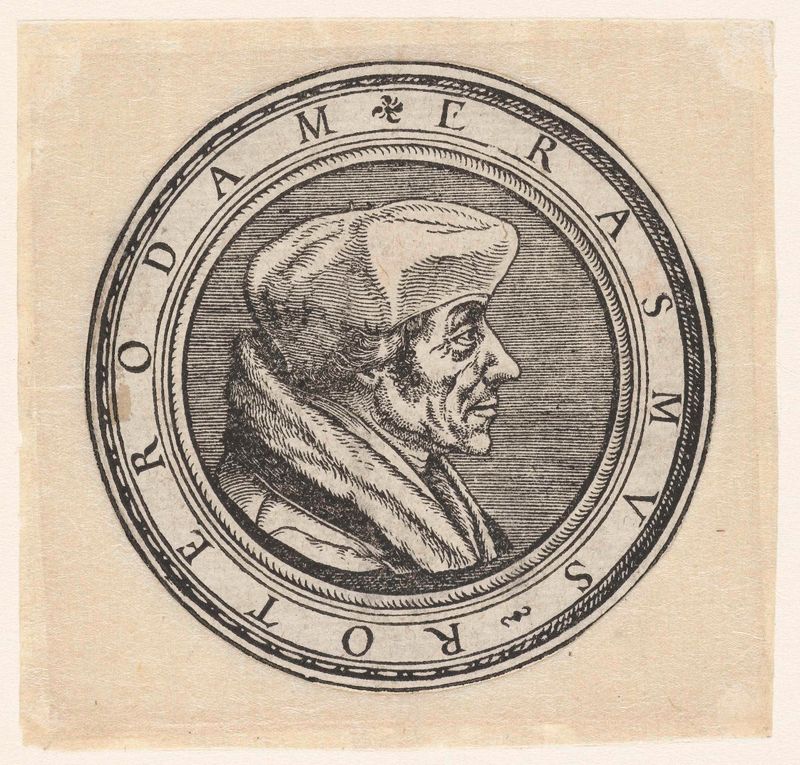
Portret van Erasmus
Hans Holbein (II)
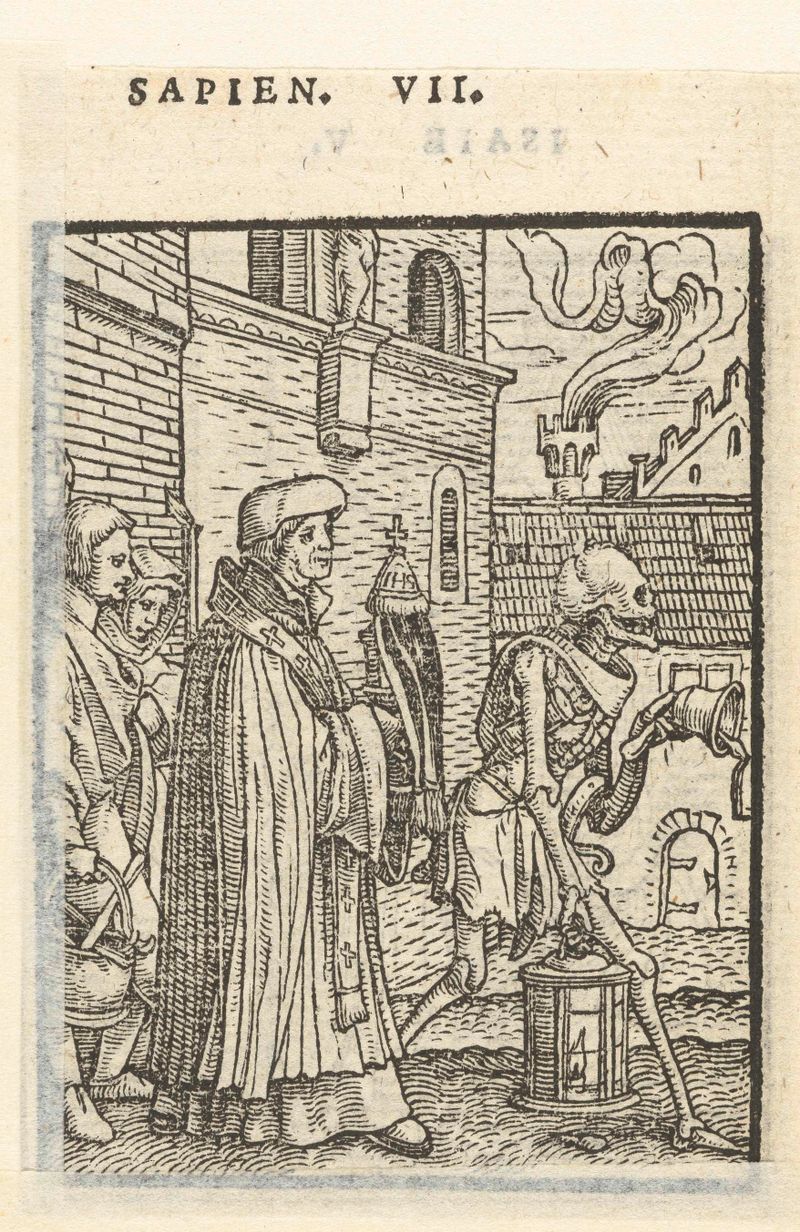
Priester en de Dood
Hans Holbein (II)
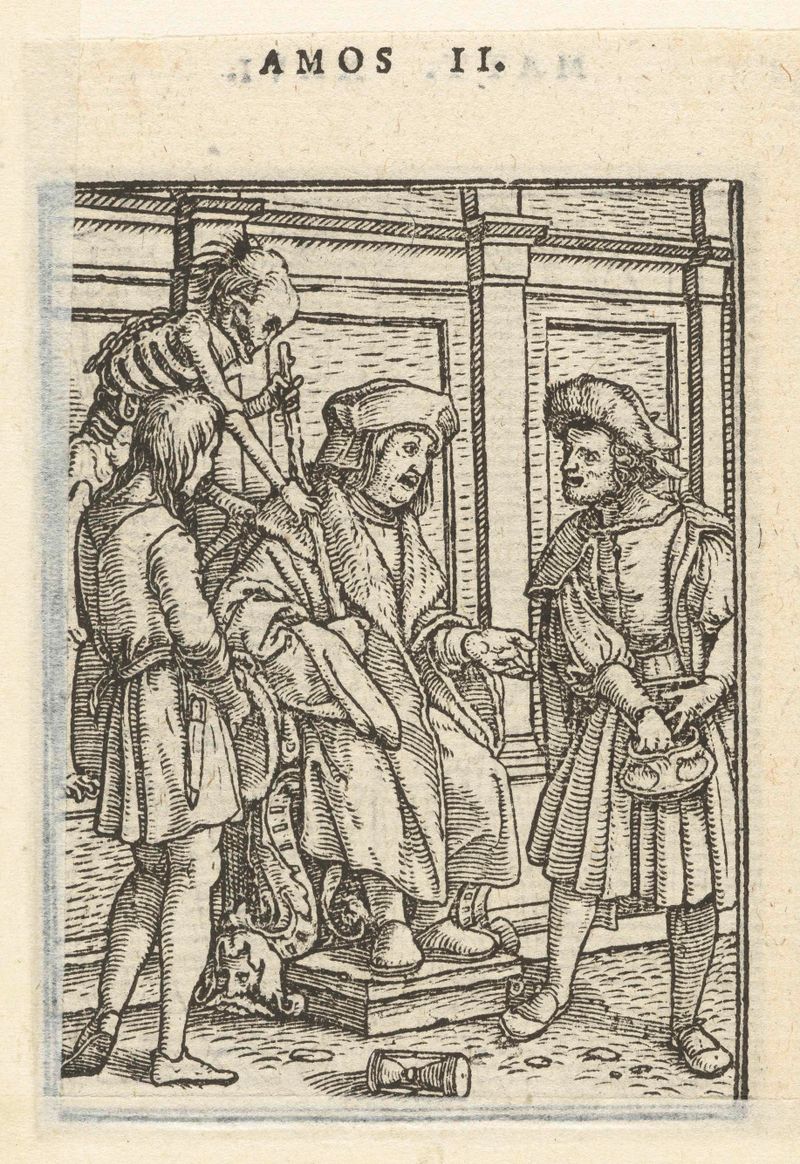
Rechter en de Dood
Hans Holbein (II)
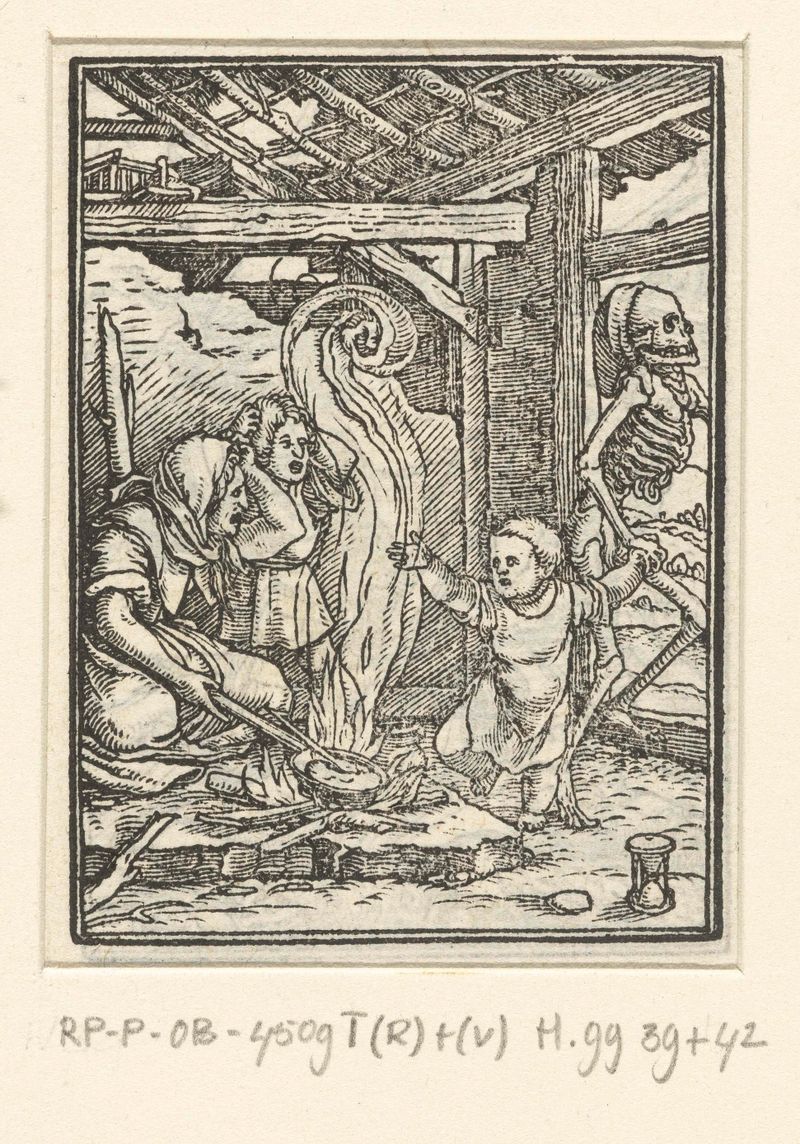
Kind en de Dood
Hans Holbein (II)
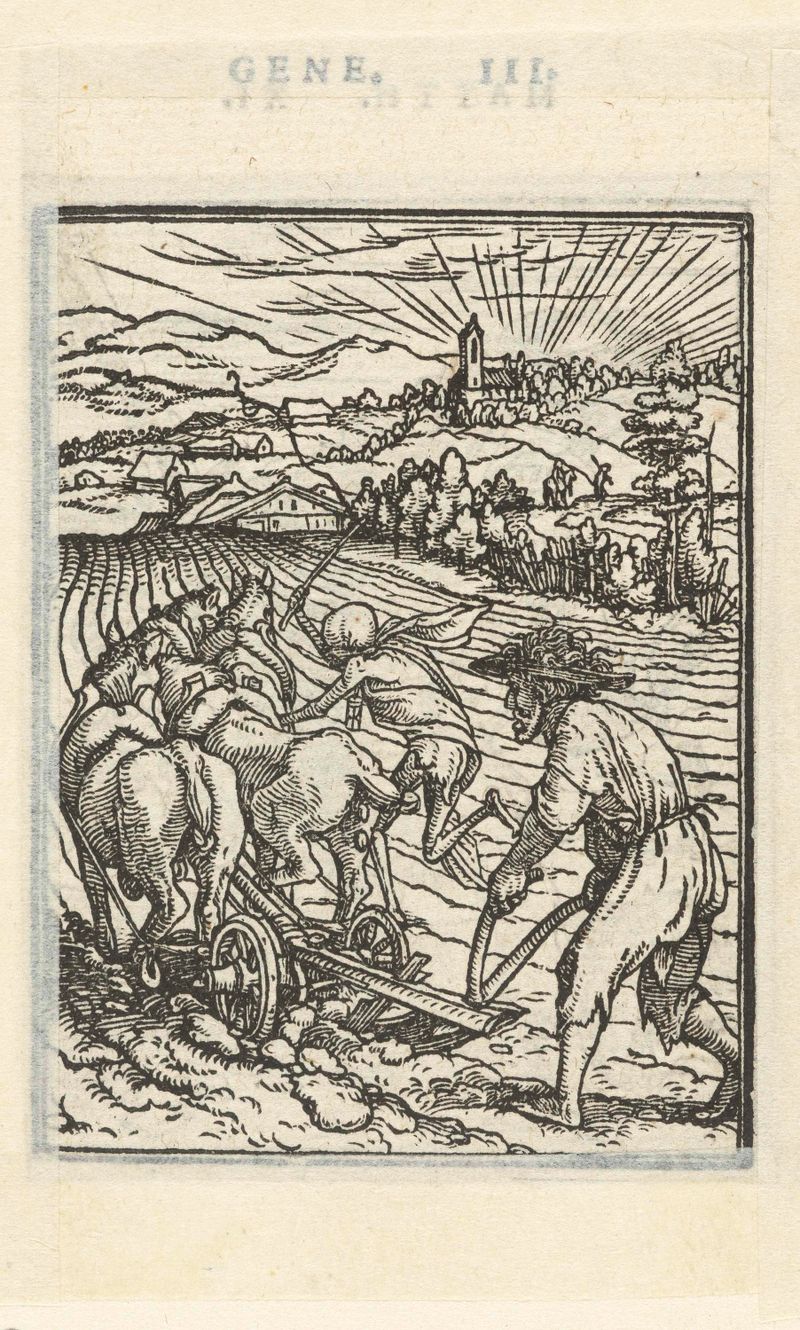
Boer en de Dood
Hans Holbein (II)
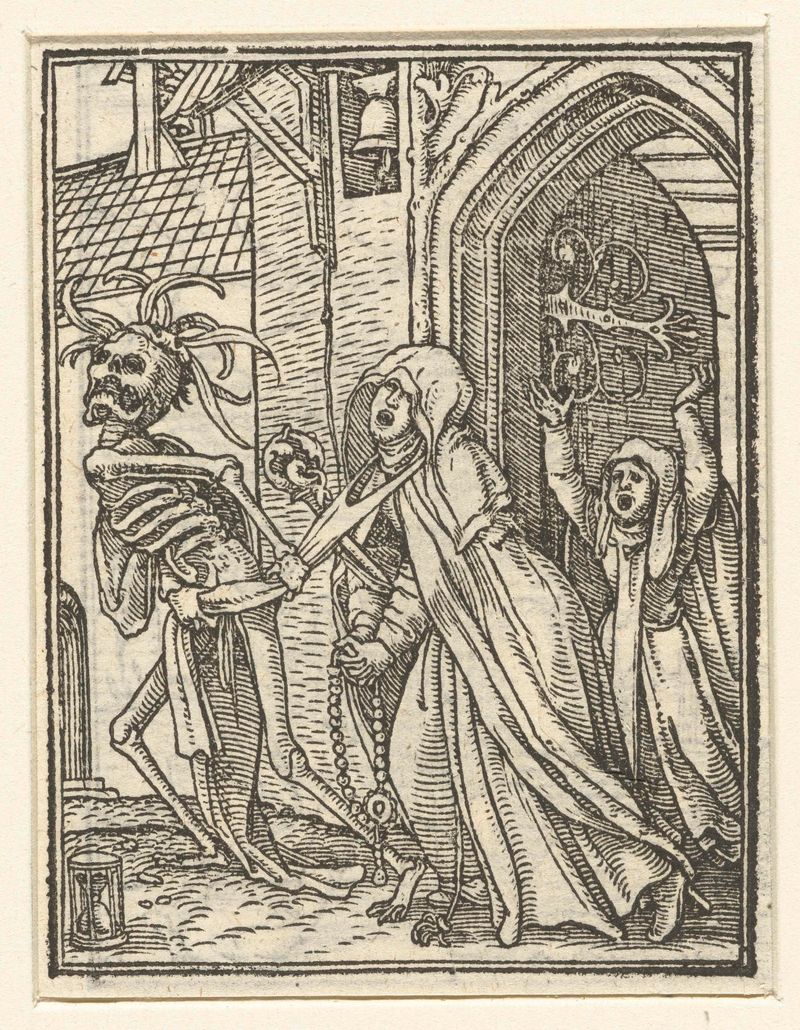
Abdis en de Dood
Hans Holbein (II)
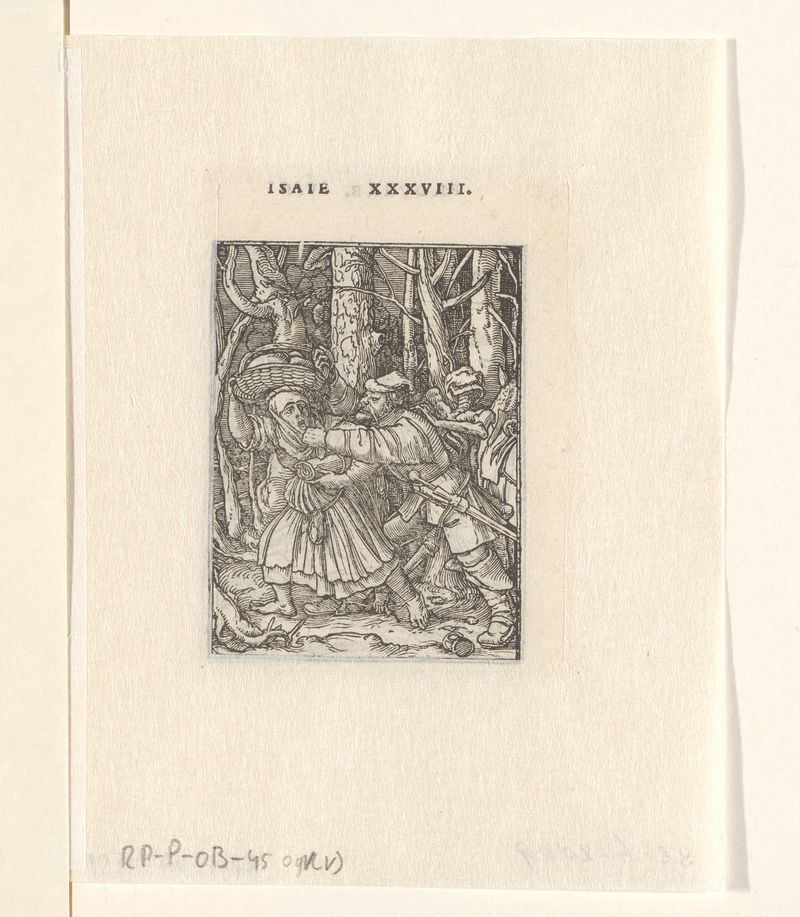
Dief en de Dood
Hans Holbein (II)
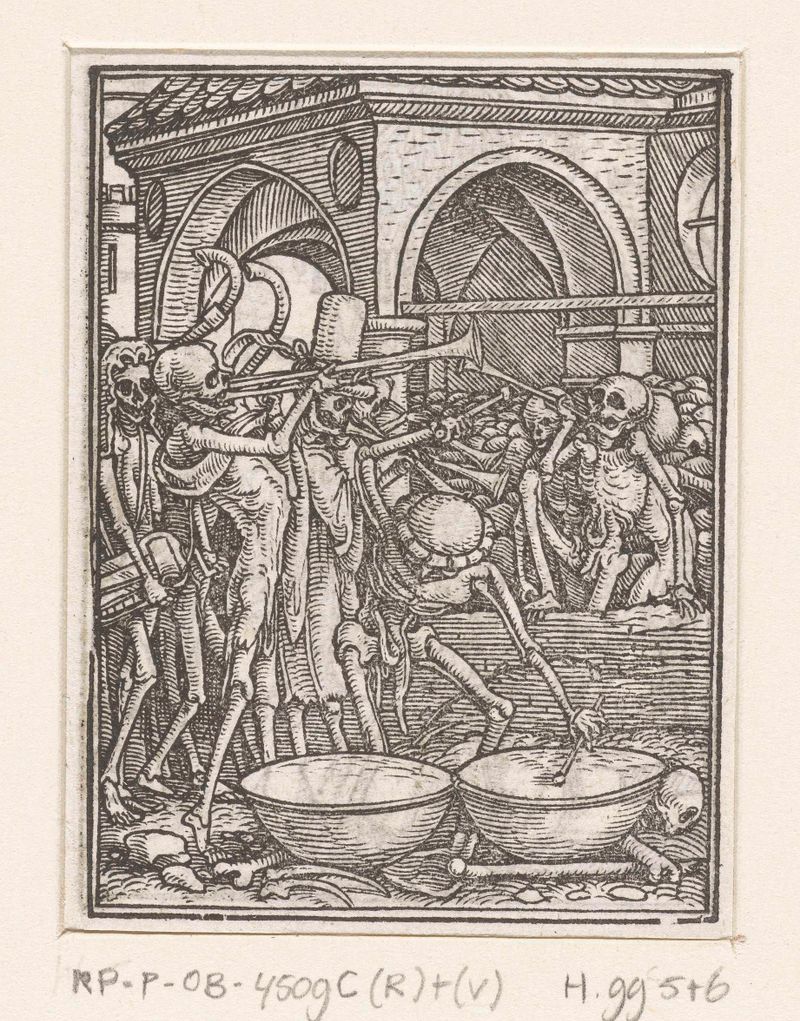
Skeletons Making Music from Dance of the Dead
Hans Holbein (II)
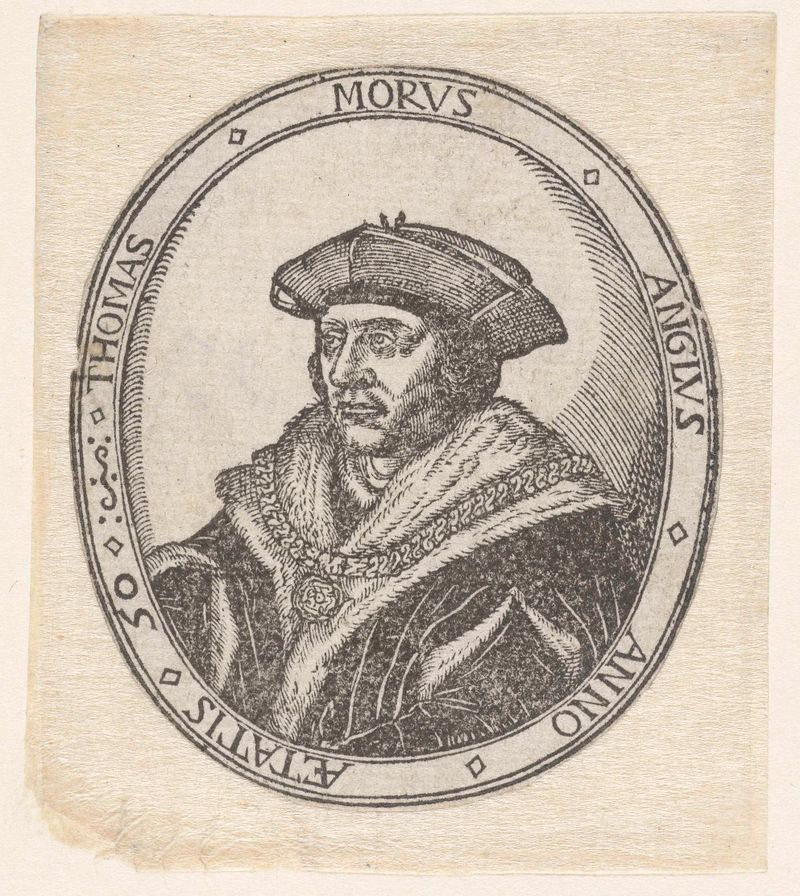
Portret van Thomas More
Hans Holbein (II)
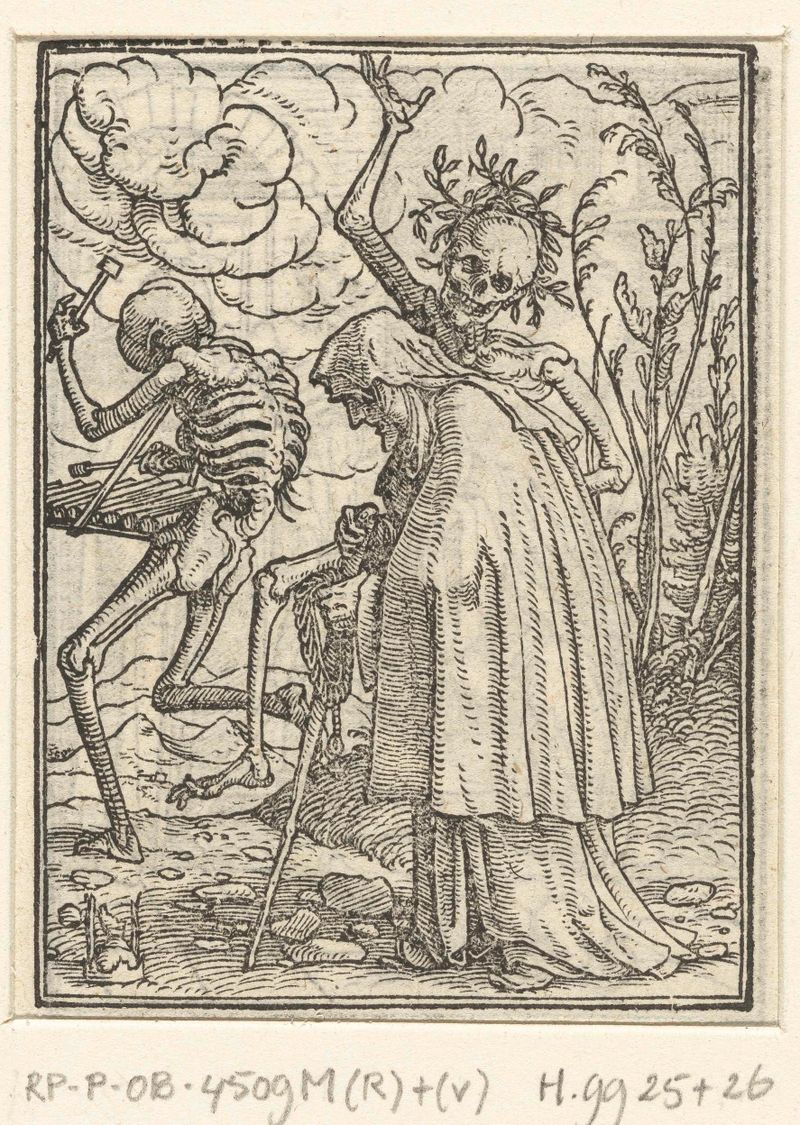
Oude vrouw en de Dood
Hans Holbein (II)
More Religious Art
Browse all →
The Return of the Prodigal Son
Rembrandt van Rijn

The Garden of Earthly Delights
El Bosco

Count Orgaz’ funeral
El Greco

The Hundred Guilder Print: the central piece with Christ preaching, the plate arched
Rembrandt van Rijn

The Descent from the Cross
Rogier van der Weyden

The return of the prodigal son
Rembrandt van Rijn