
Mozes en Aäron tellen de Israëlieten — History & Facts
In the delicate balance of emotion and duty, one must ponder the weight of leadership amidst the frenzy of numbers. Look to the left; witness the solemn figures of Moses and Aaron, their attention fixed on the gathered multitude. The meticulous details of their robes, rich in hue yet restrained, speak volumes of authority and gravitas. The surrounding Israelites, rendered with various expressions, create a dynamic contrast against the leaders’ composed demeanor.
The composition draws the eye through the gathering, accentuated by a soft interplay of light and shadow that breathes life into each character. In this moment, the tension between the sacred and mundane emerges as the leaders, tasked with counting their people, embody a profound responsibility. Notice Moses’ furrowed brow, suggesting the weight of his mission, while Aaron’s steady gaze reflects a calm resolve. The varying postures of the crowd evoke a spectrum of emotions—anxious anticipation, quiet reverence, even fatigue—creating an intricate tapestry of human experience.
This array of responses highlights the complexities of faith and leadership, revealing the delicate balance they must maintain. Created in 1538, this work emerged during a transformative period for its creator, who was deeply entrenched in the cultural currents of Renaissance Europe. Holbein was in England, serving as court painter to Henry VIII, and the demand for religious subjects was escalating amidst the Reformation. As he navigated this charged landscape, Mozes en Aäron tellen de Israëlieten reflects not only biblical storytelling but also the artist's own negotiation of faith, power, and the human condition in a rapidly changing world.
More Artworks by Hans Holbein (II)
Browse all →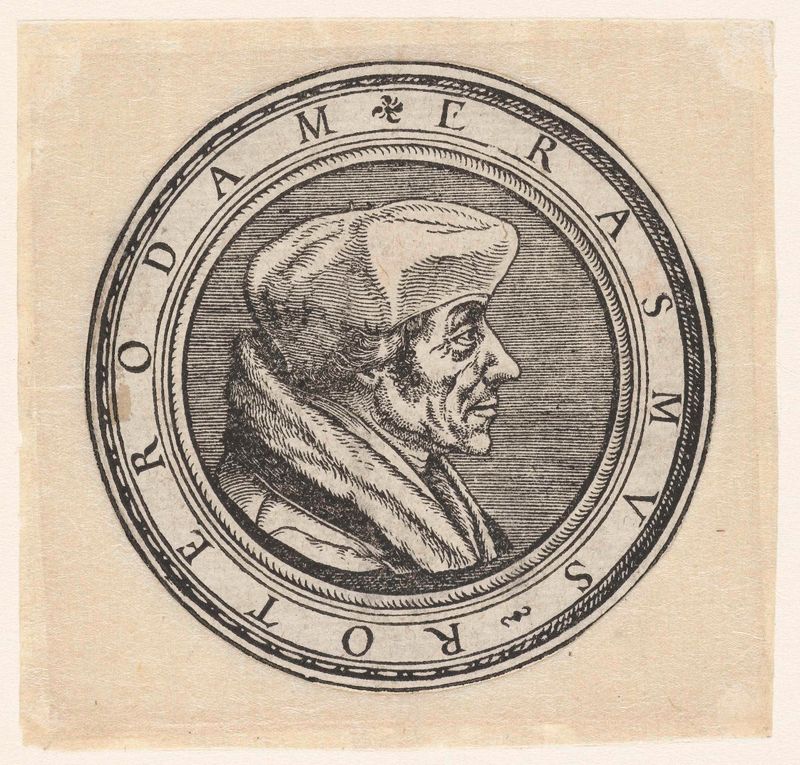
Portret van Erasmus
Hans Holbein (II)
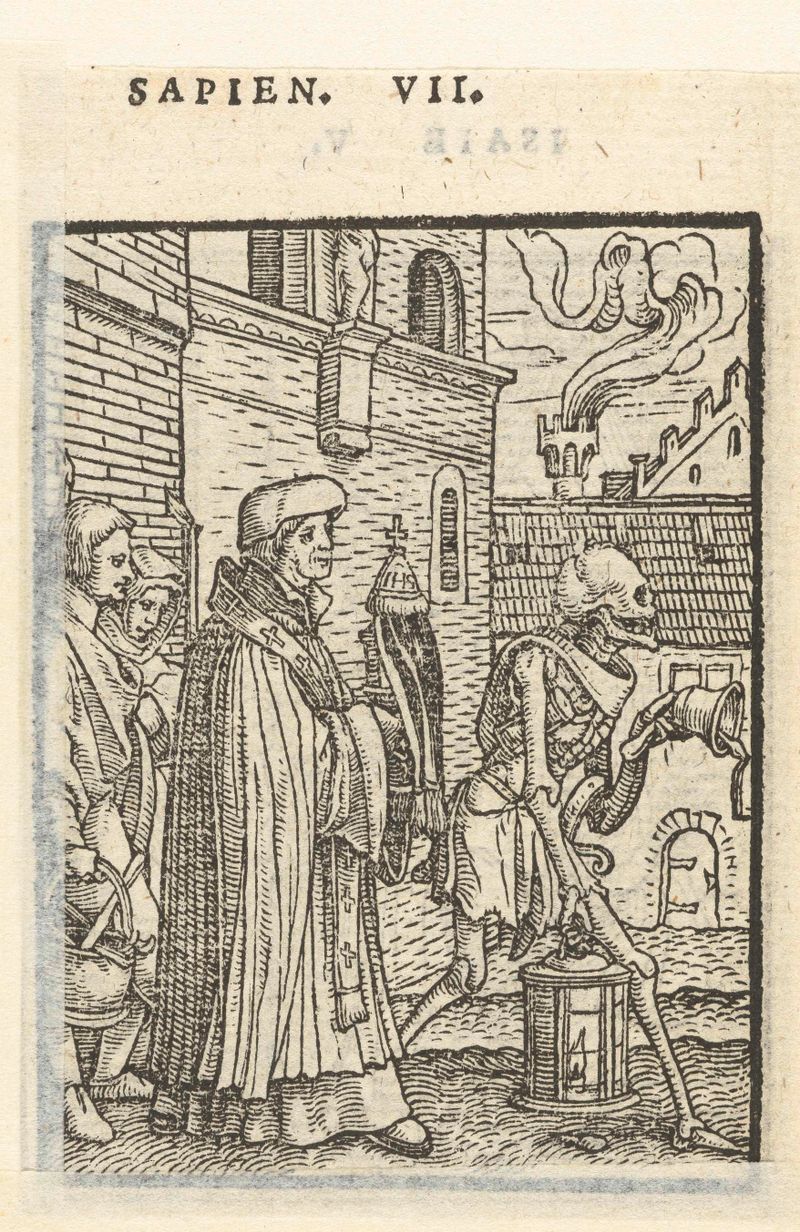
Priester en de Dood
Hans Holbein (II)
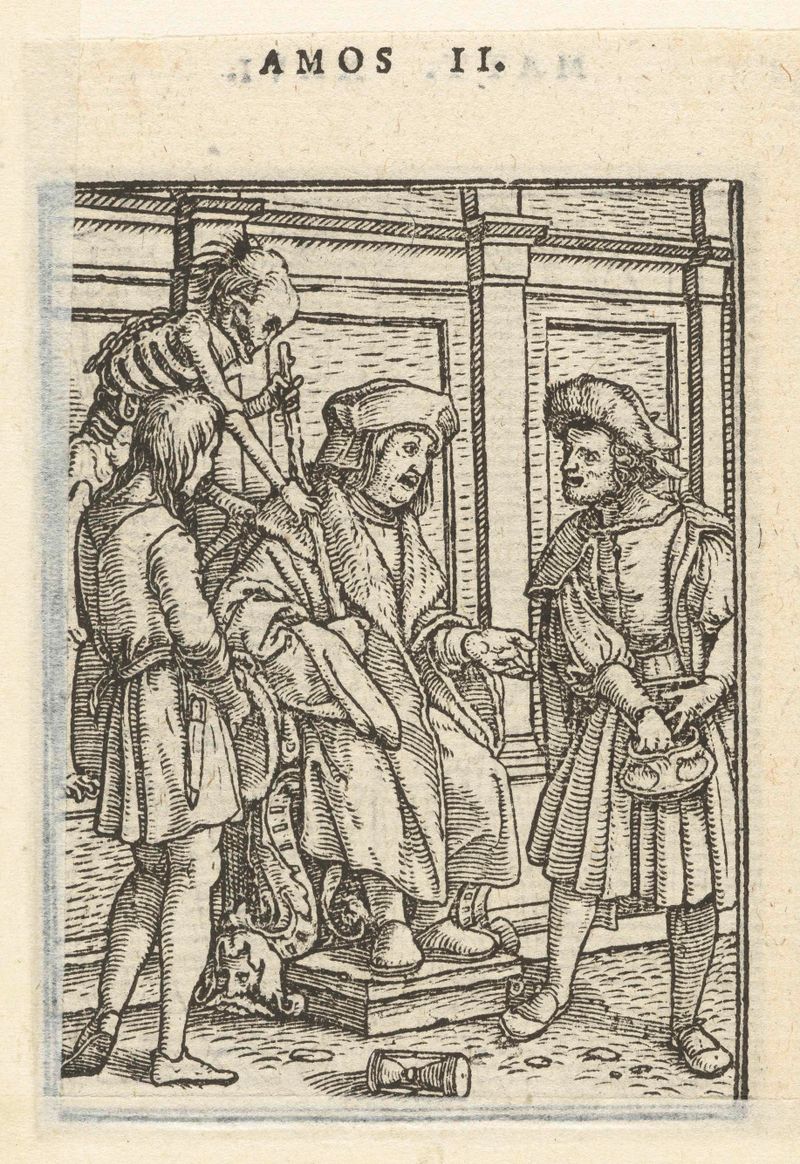
Rechter en de Dood
Hans Holbein (II)
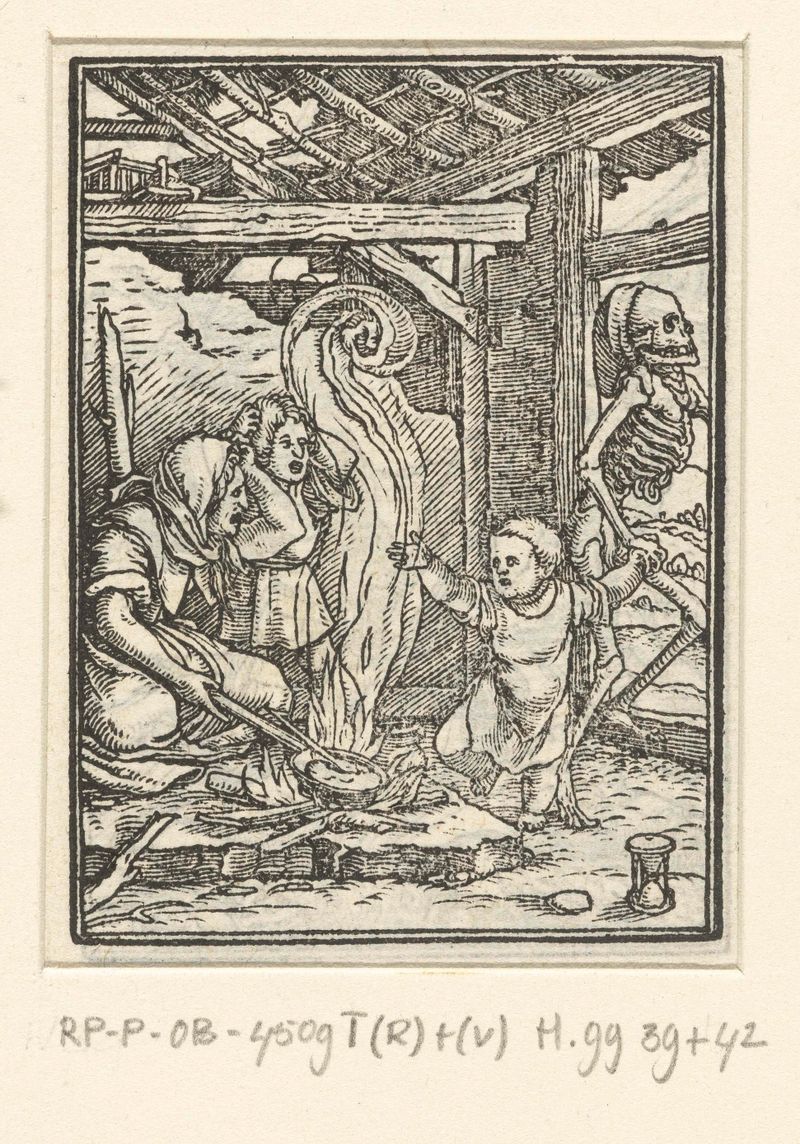
Kind en de Dood
Hans Holbein (II)
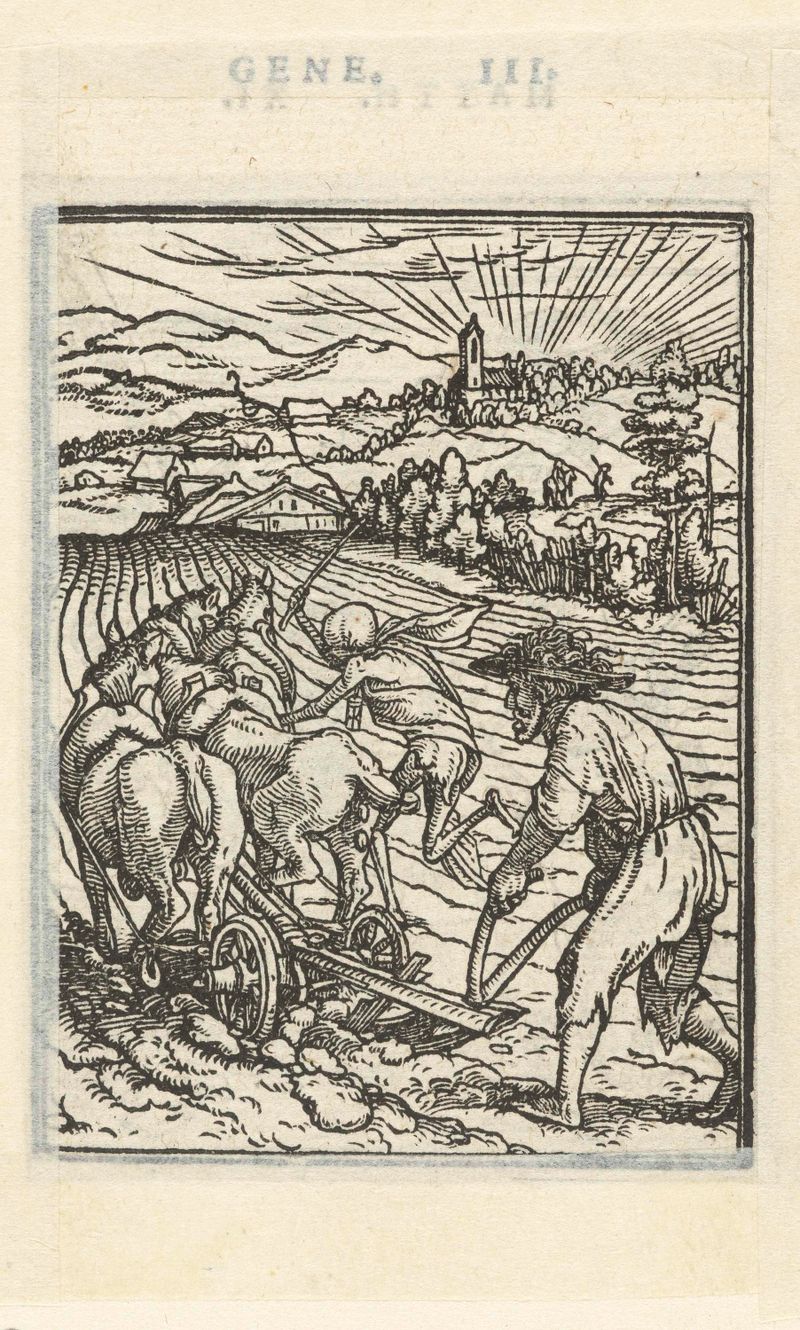
Boer en de Dood
Hans Holbein (II)
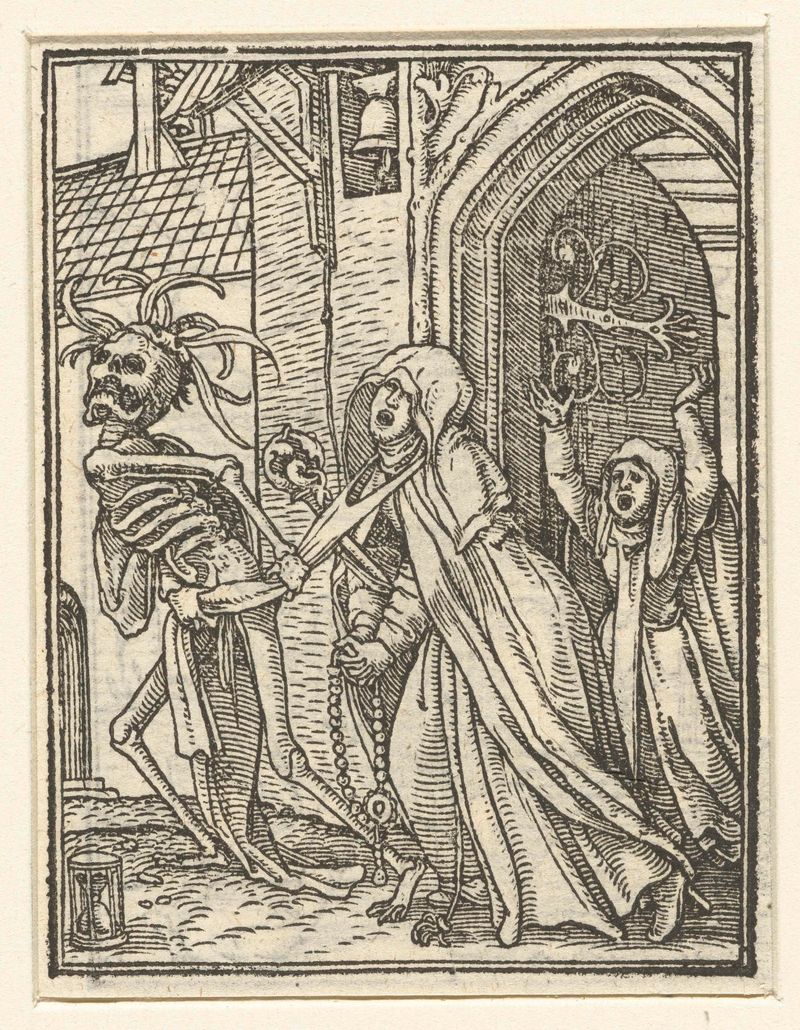
Abdis en de Dood
Hans Holbein (II)
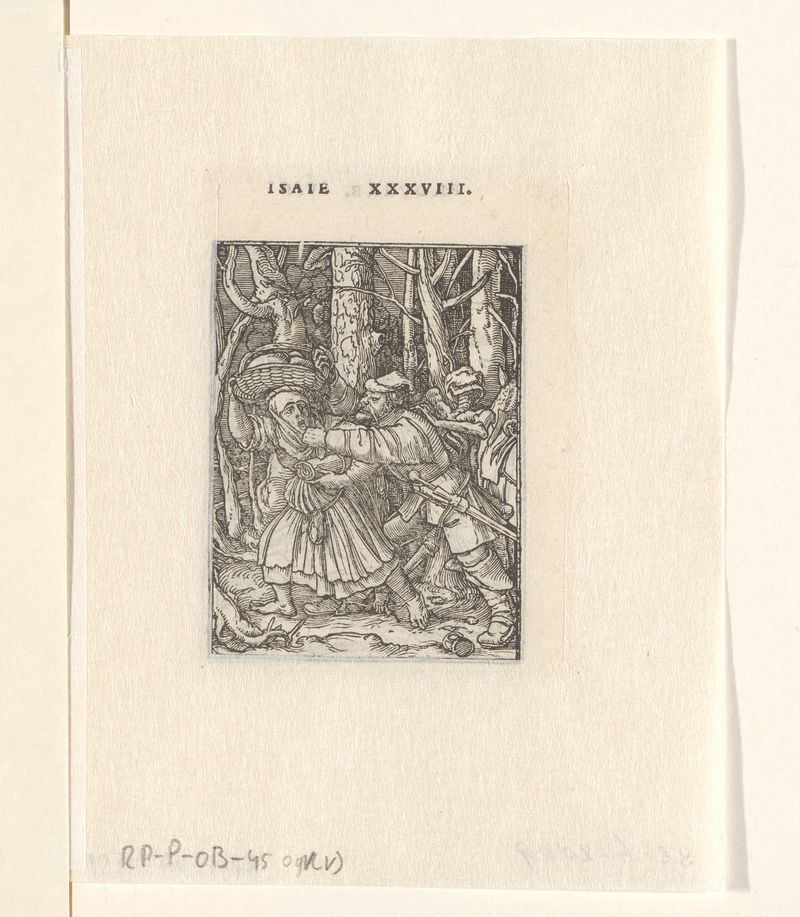
Dief en de Dood
Hans Holbein (II)
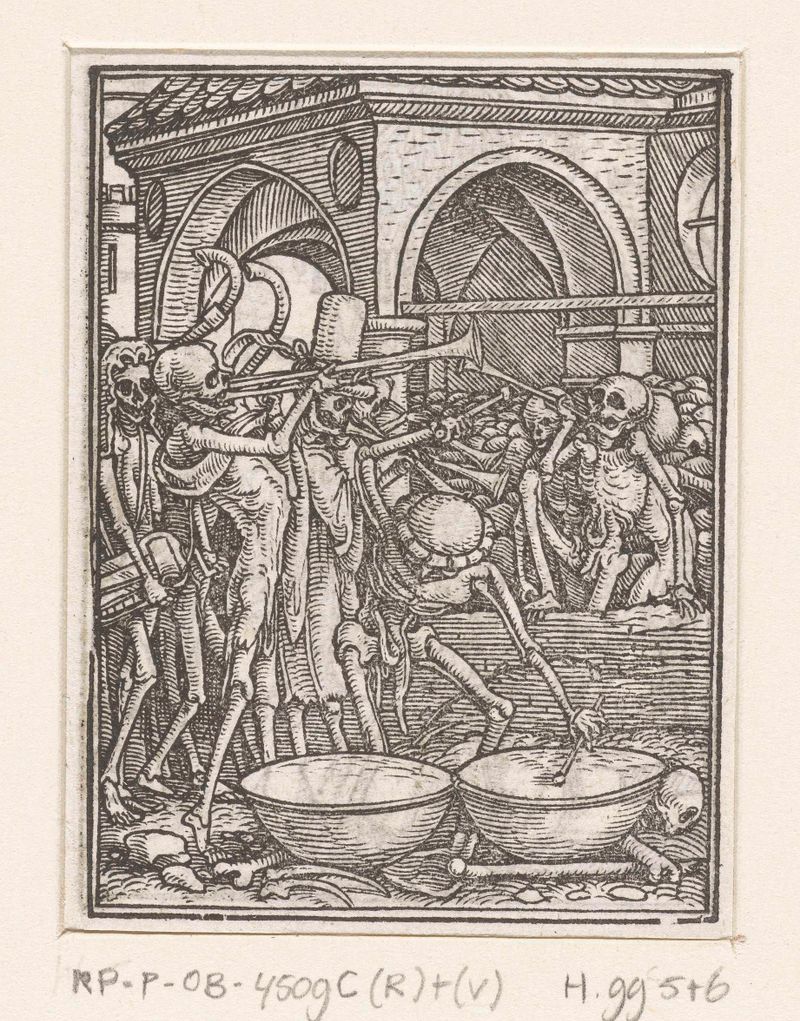
Skeletons Making Music from Dance of the Dead
Hans Holbein (II)
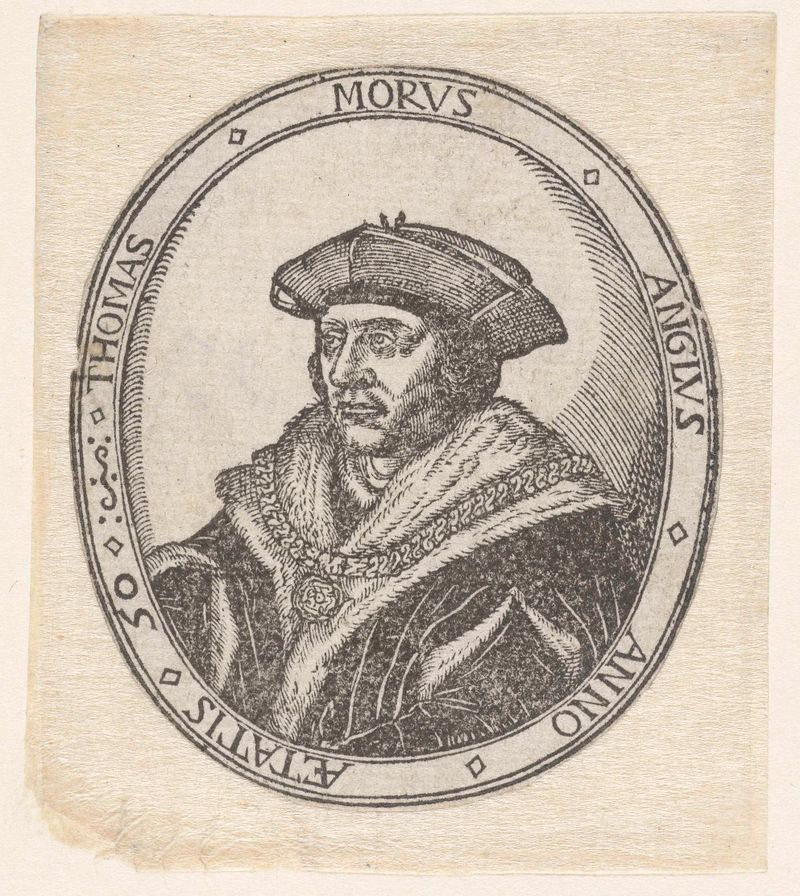
Portret van Thomas More
Hans Holbein (II)
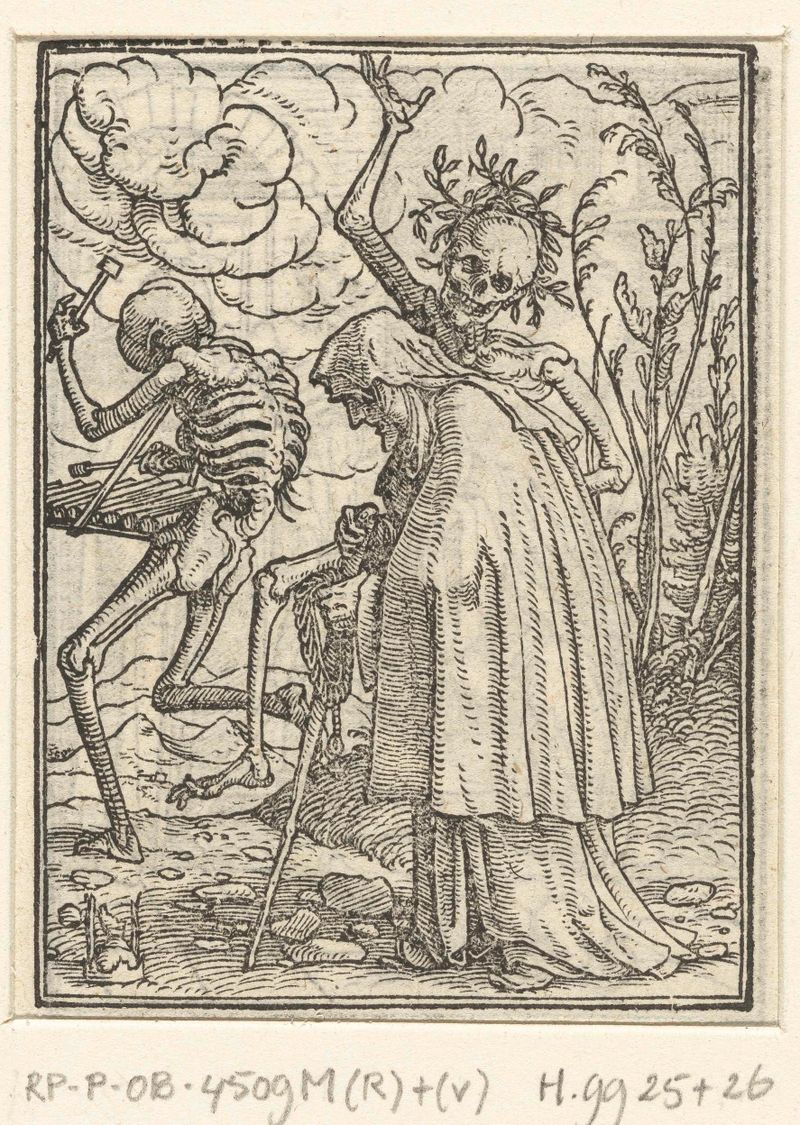
Oude vrouw en de Dood
Hans Holbein (II)
More Religious Art
Browse all →
The Return of the Prodigal Son
Rembrandt van Rijn

The Garden of Earthly Delights
El Bosco

Count Orgaz’ funeral
El Greco

The Hundred Guilder Print: the central piece with Christ preaching, the plate arched
Rembrandt van Rijn

The Descent from the Cross
Rogier van der Weyden

The return of the prodigal son
Rembrandt van Rijn