
Mozes en de brandende braamstruik — History & Facts
This transformation of turmoil into hope resonates deeply in the visual narrative presented in the artwork. Amidst the shadows of desperation, a figure emerges, embodying resilience against the overwhelming forces pressing down from the heavens. Look to the center of the composition, where the figure of Moses stands, illuminated by an ethereal light that radiates from the burning bush. Holbein’s meticulous brushwork captures the tension of the moment—the flickering flames against a backdrop of dark, foreboding foliage.
The contrasting colors of red and gold convey both danger and divine intervention, drawing the eye towards the source of revelation and igniting a spark of intrigue. As you delve deeper into the scene, notice the intricate details: the frightened expressions of those surrounding Moses, their silhouettes shrouded in uncertainty. The juxtaposition of the serene visage of Moses against the chaotic flames underscores a profound emotional tension—faith amidst fear, clarity amidst confusion. Holbein captures the duality of human experience, where the potential for despair mingles with the promise of salvation, urging viewers to reflect on their own struggles. In 1538, Holbein created this evocative piece during a time when Europe was engulfed in religious turmoil and personal transitions.
Living in England, he was navigating his role within the court of Henry VIII, amidst shifting allegiances and artistic ambitions. It was within this complex landscape that he infused Mozes en de brandende braamstruik with the palpable tension of his era, marrying artistry with spirituality to deliver a narrative that transcends time.
More Artworks by Hans Holbein (II)
Browse all →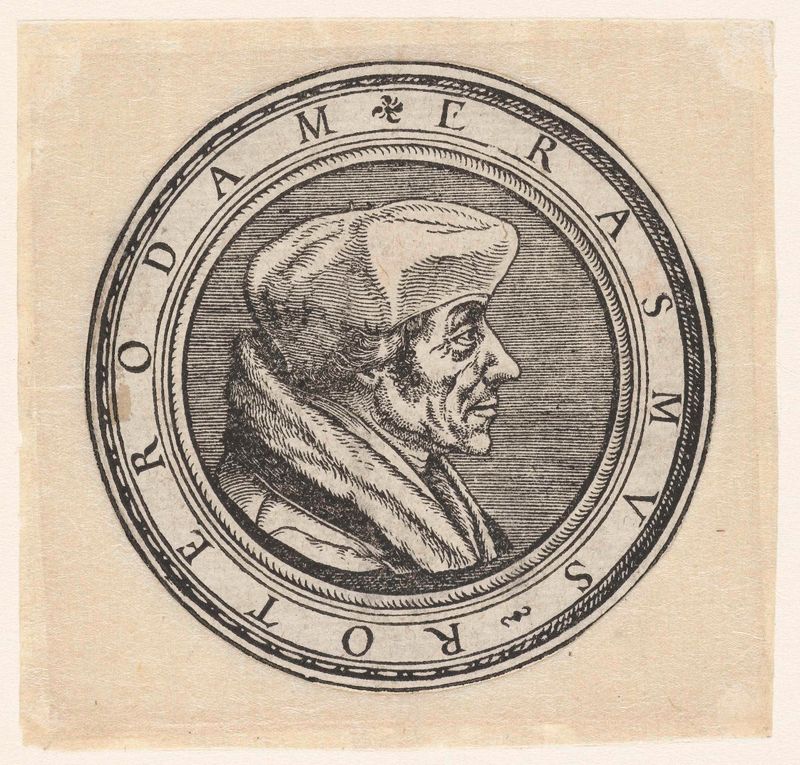
Portret van Erasmus
Hans Holbein (II)
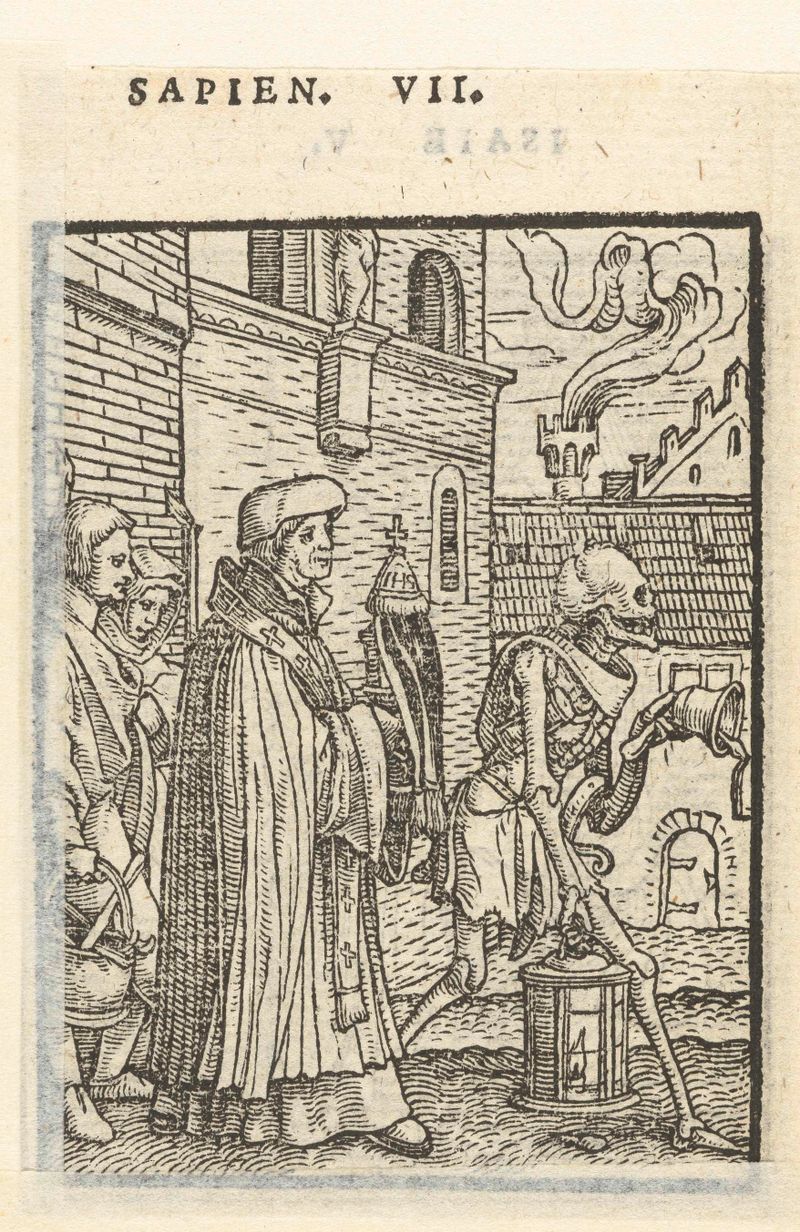
Priester en de Dood
Hans Holbein (II)
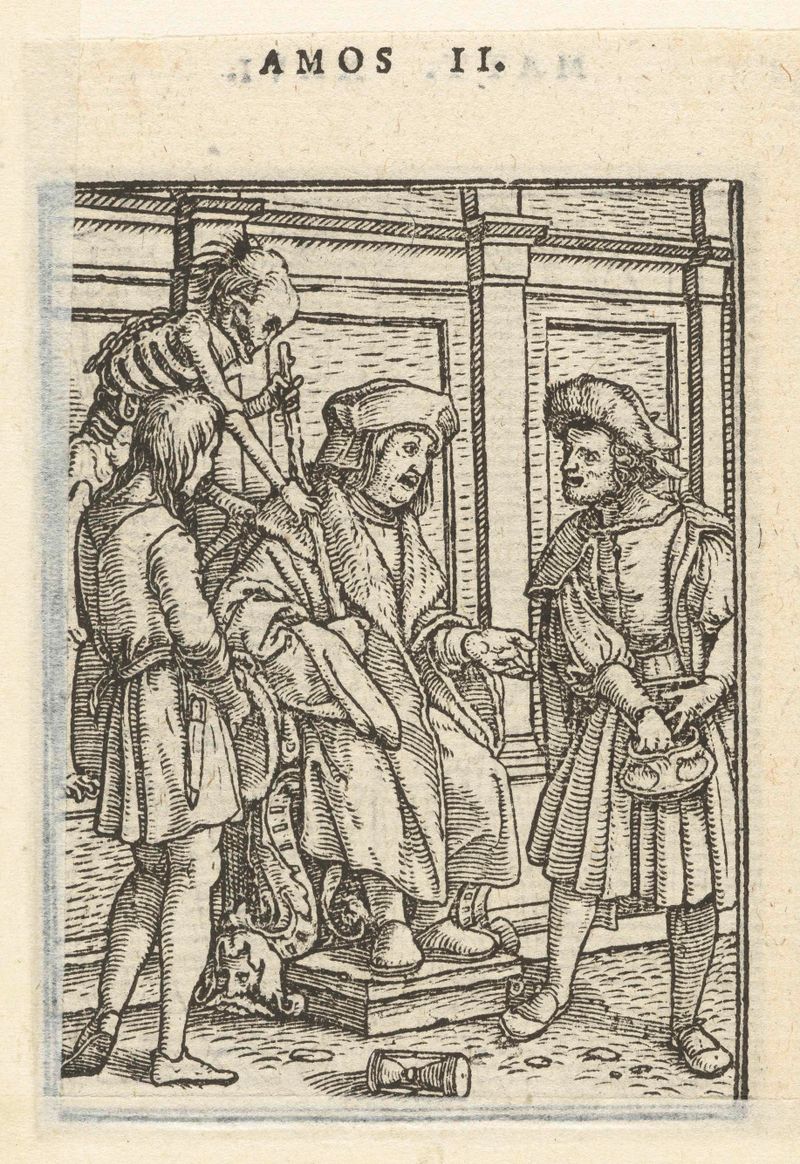
Rechter en de Dood
Hans Holbein (II)
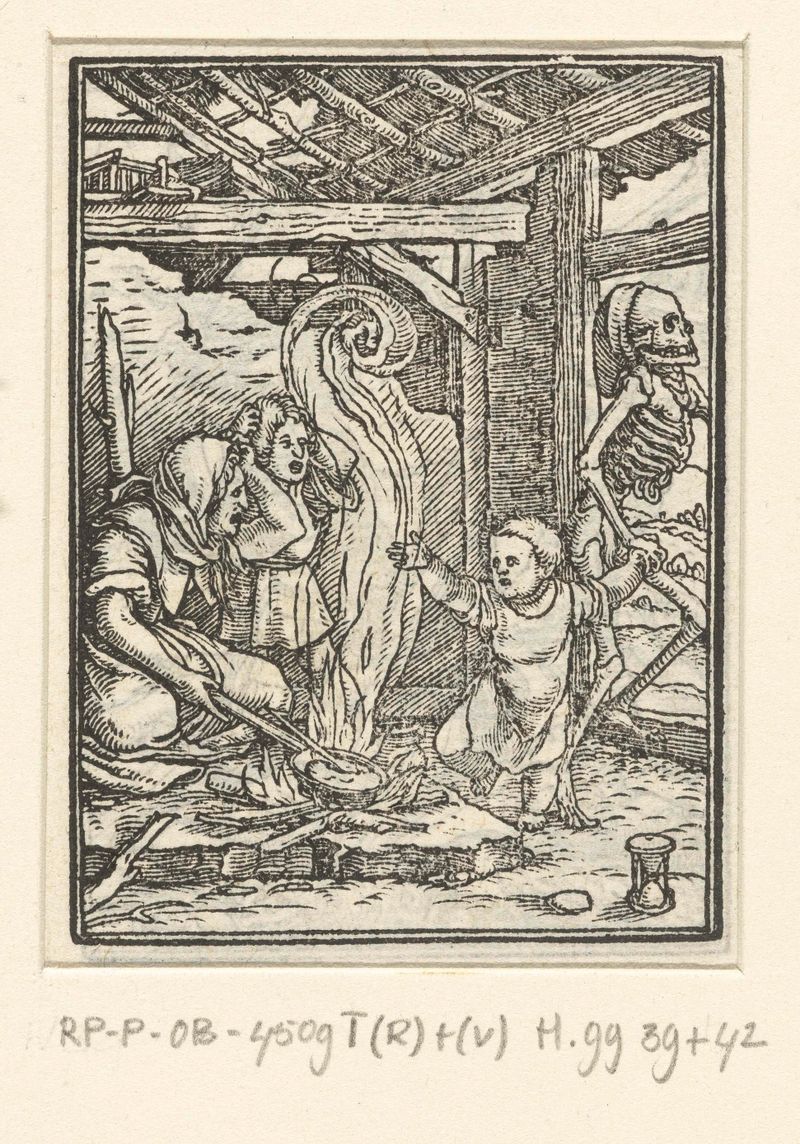
Kind en de Dood
Hans Holbein (II)
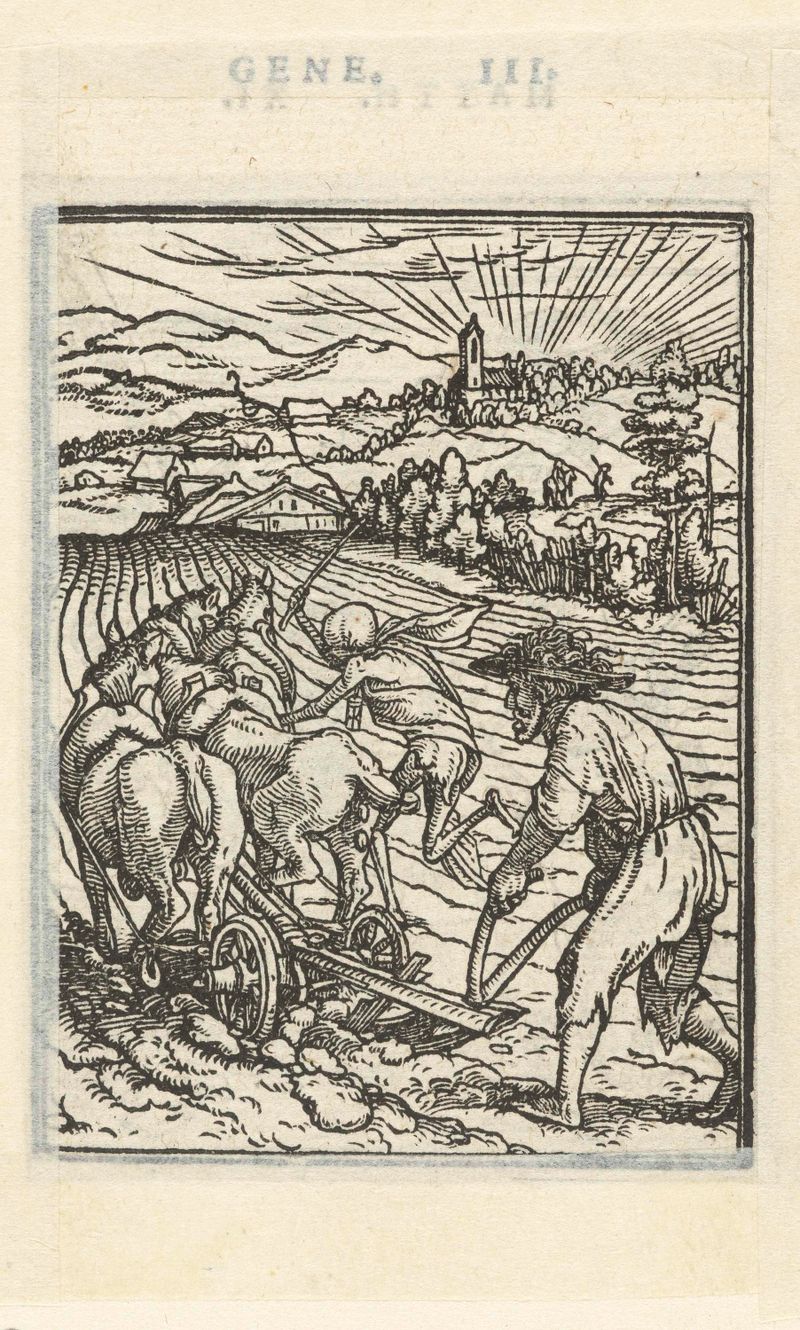
Boer en de Dood
Hans Holbein (II)
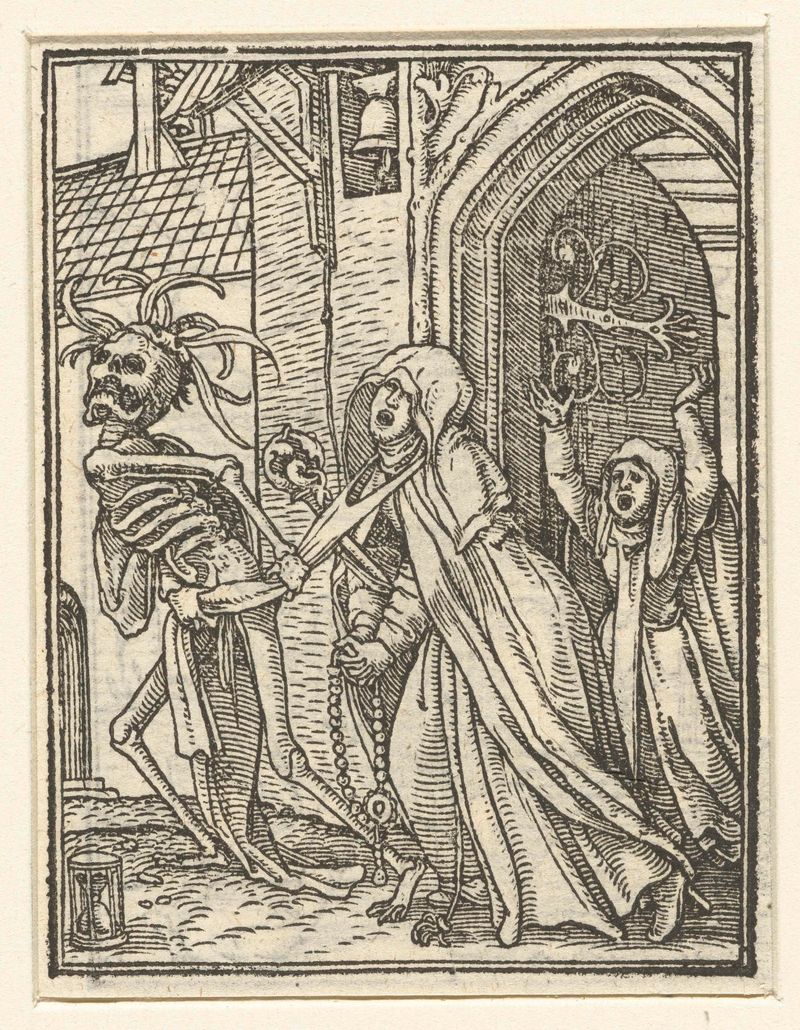
Abdis en de Dood
Hans Holbein (II)
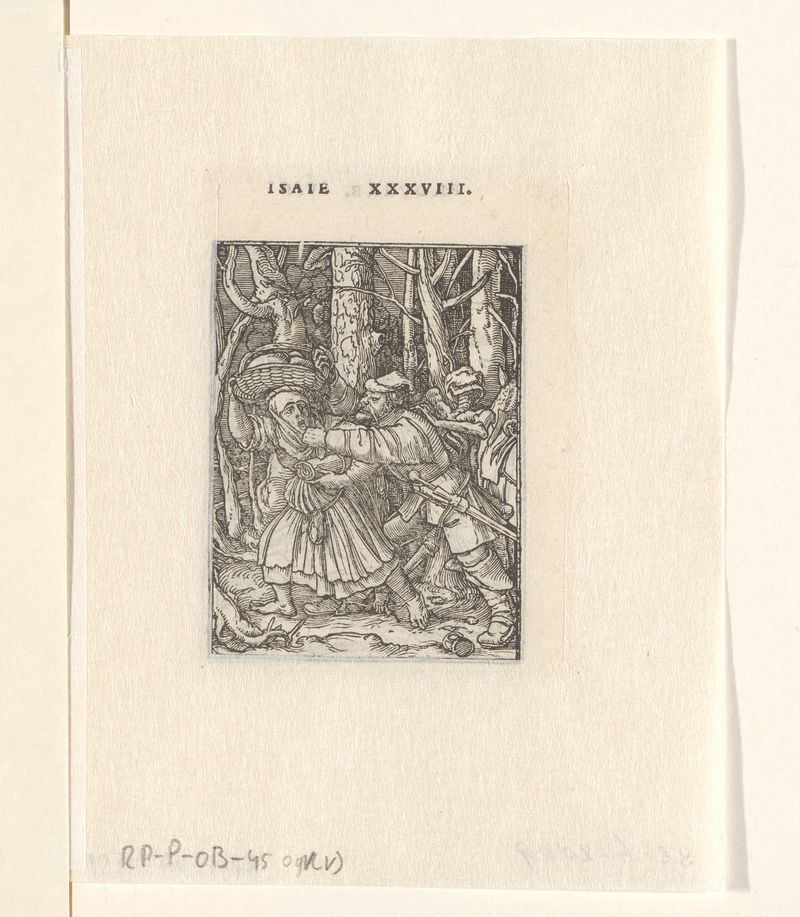
Dief en de Dood
Hans Holbein (II)
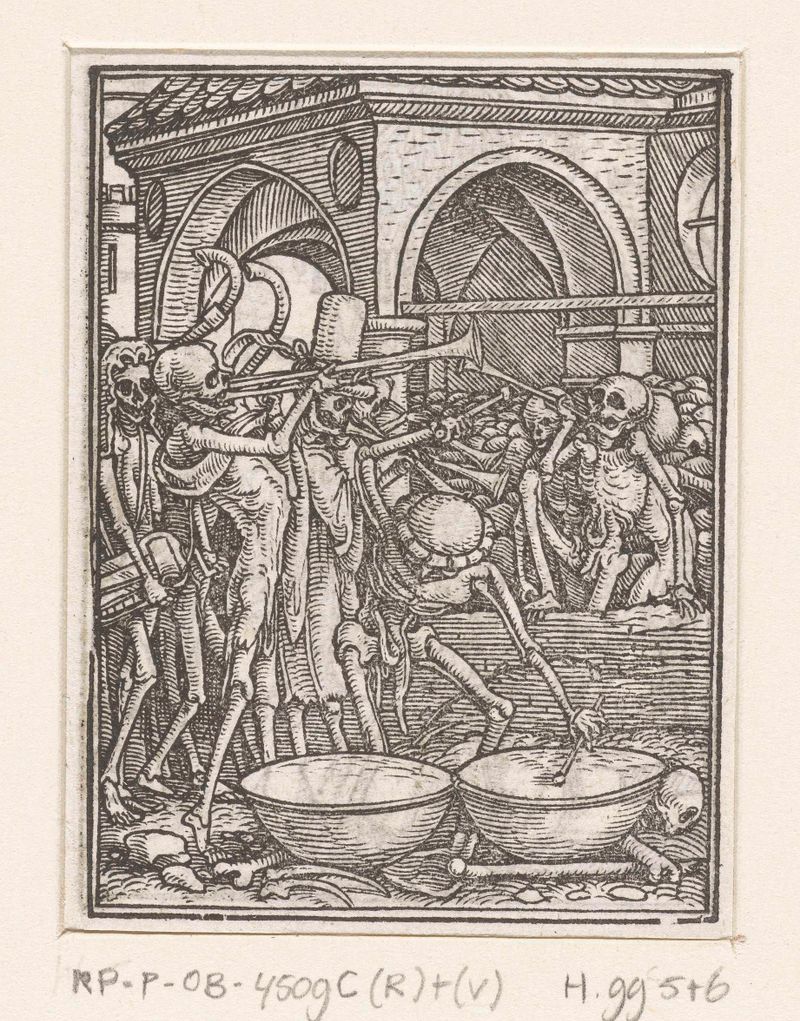
Skeletons Making Music from Dance of the Dead
Hans Holbein (II)
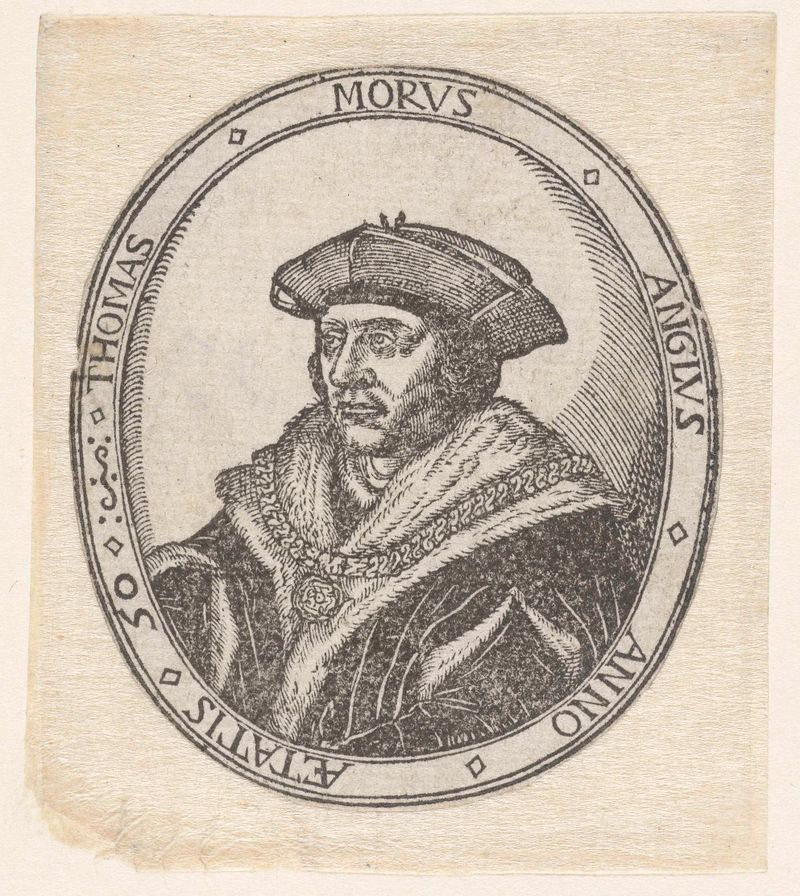
Portret van Thomas More
Hans Holbein (II)
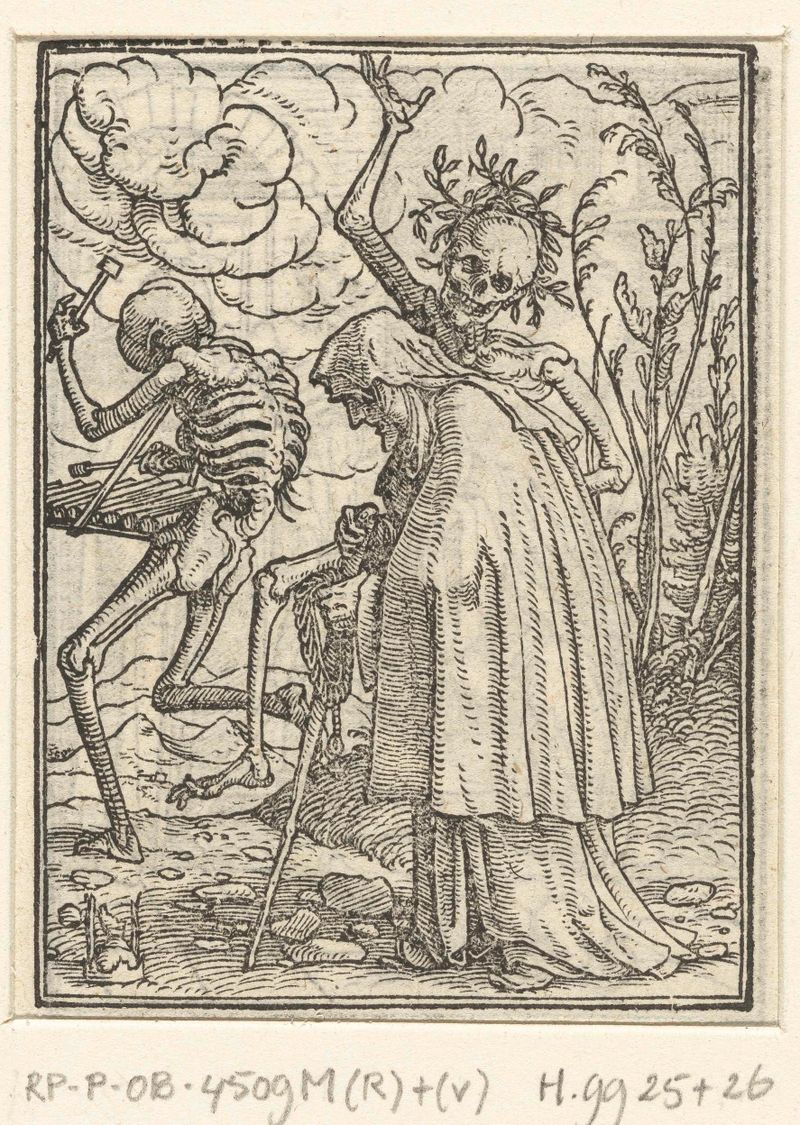
Oude vrouw en de Dood
Hans Holbein (II)
More Religious Art
Browse all →
The Return of the Prodigal Son
Rembrandt van Rijn

The Garden of Earthly Delights
El Bosco

Count Orgaz’ funeral
El Greco

The Hundred Guilder Print: the central piece with Christ preaching, the plate arched
Rembrandt van Rijn

The Descent from the Cross
Rogier van der Weyden

The return of the prodigal son
Rembrandt van Rijn