
Mozes leert van God hoe de Israëlieten moeten offeren — History & Facts
In a world where absolution is pursued through ritual, how does one find meaning amidst the emptiness? Look to the center of the composition; there, Moses stands, poised with gravity and purpose, illuminated by a soft, celestial light that seems to pour down from above. The solemnity of the scene is enhanced by the muted palette of ochres and deep blues, capturing the reverence of the moment. Notice how the figures surrounding Moses, both divine and mortal, create a subtle dialogue through their gestures, their anxious forms echoing the weight of expectation in the air. Delving deeper, the intricate details reveal a tension between the sacred and the mundane.
The empty space around Moses amplifies the isolation of his divine calling, portraying the struggle humans face in seeking connection with the divine. Each figure, while present, appears to be absorbed in their thoughts, reflecting an almost haunting sense of emptiness that underscores the spiritual journey. The careful rendering of fabric and skin signifies both the earthly nature of the Israelites and the heavenly aspirations they strive toward through sacrifice. Created in 1538 during a pivotal moment of religious reformation, this work reflects Holbein's deep engagement with the themes of faith and authority.
The artist, working in Basel, was influenced by the tumultuous shifts in the church and society, striving to illustrate the complexities of belief with both clarity and emotional depth. Holbein's meticulous style captures not just the narrative, but the very essence of a moment where the sacred intersects with human experience.
More Artworks by Hans Holbein (II)
Browse all →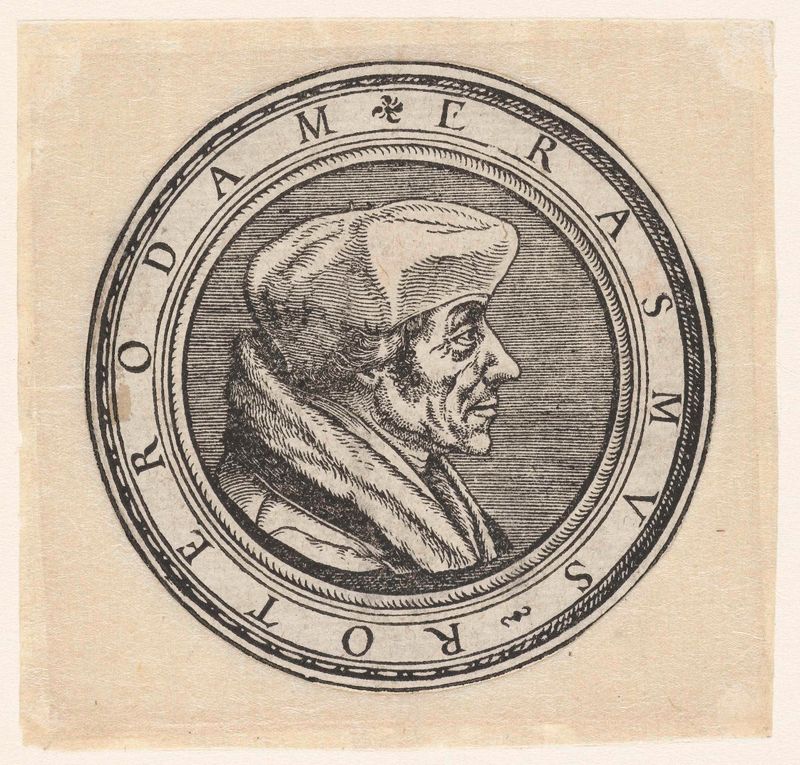
Portret van Erasmus
Hans Holbein (II)
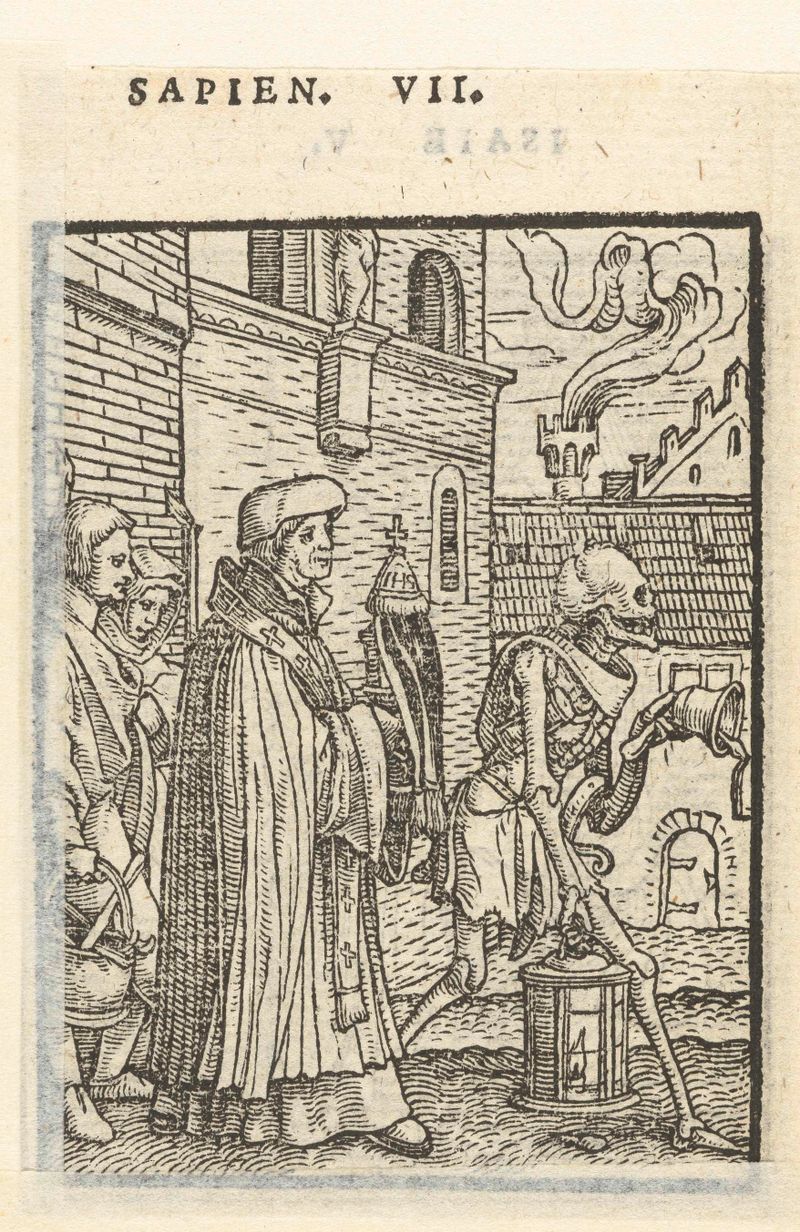
Priester en de Dood
Hans Holbein (II)
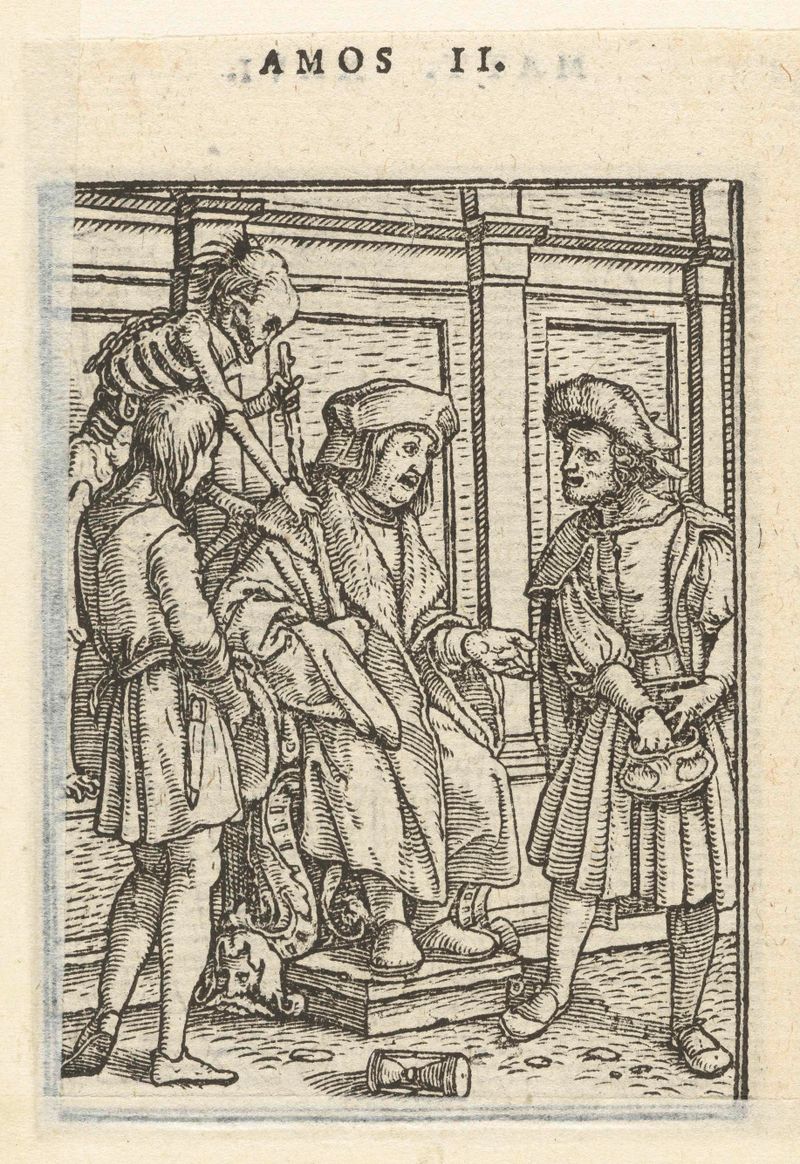
Rechter en de Dood
Hans Holbein (II)
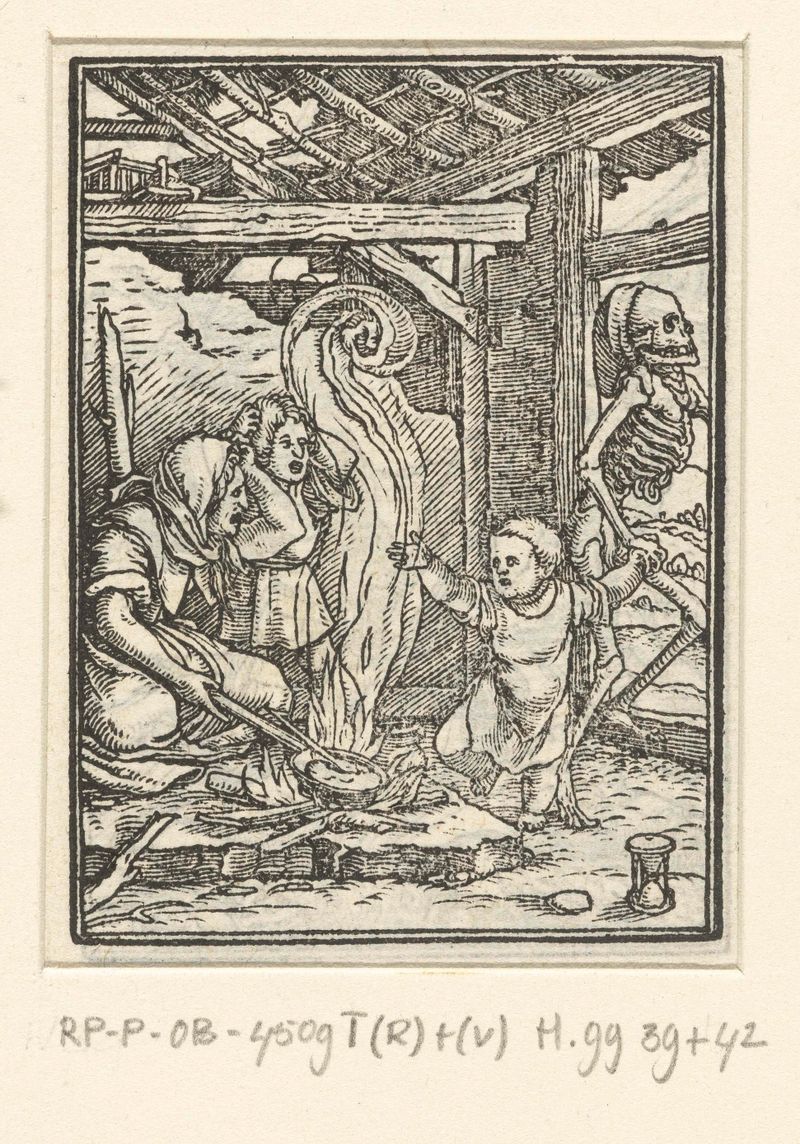
Kind en de Dood
Hans Holbein (II)
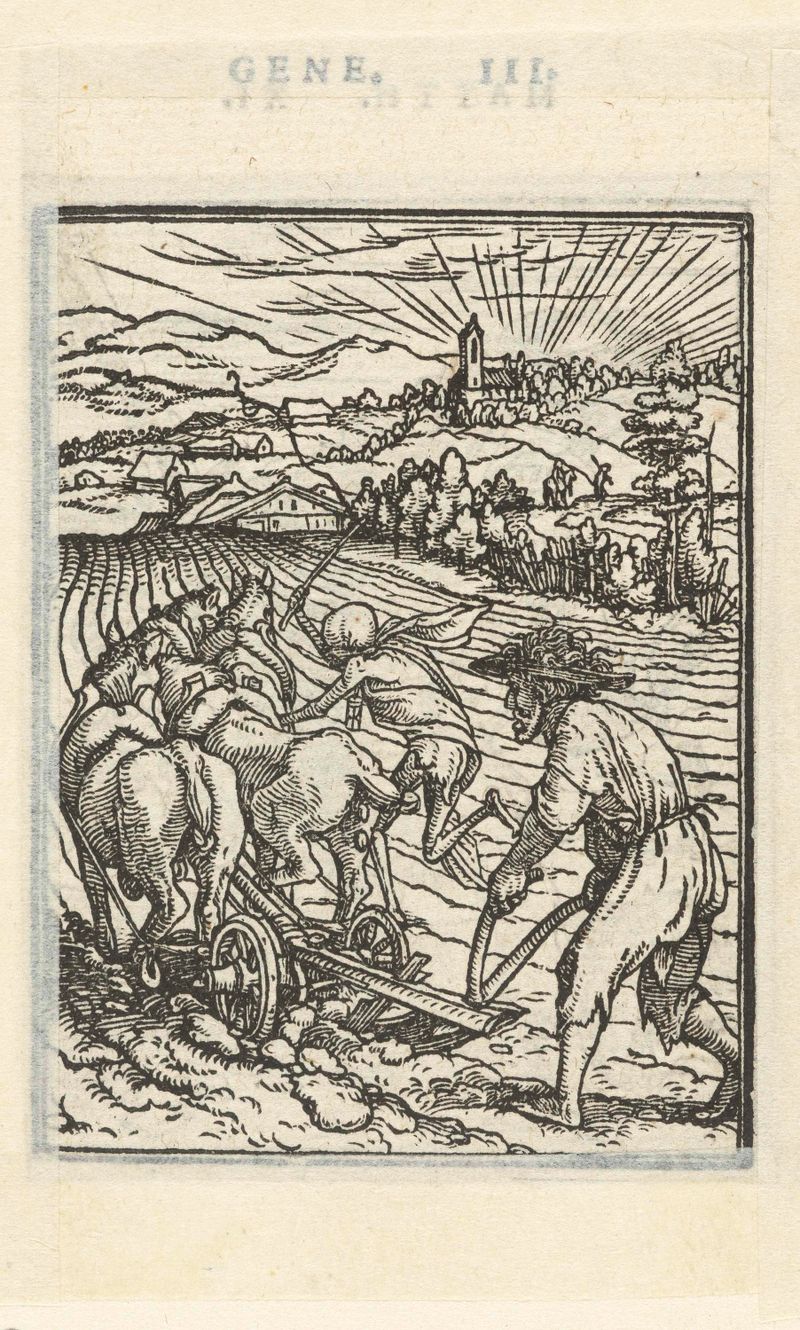
Boer en de Dood
Hans Holbein (II)
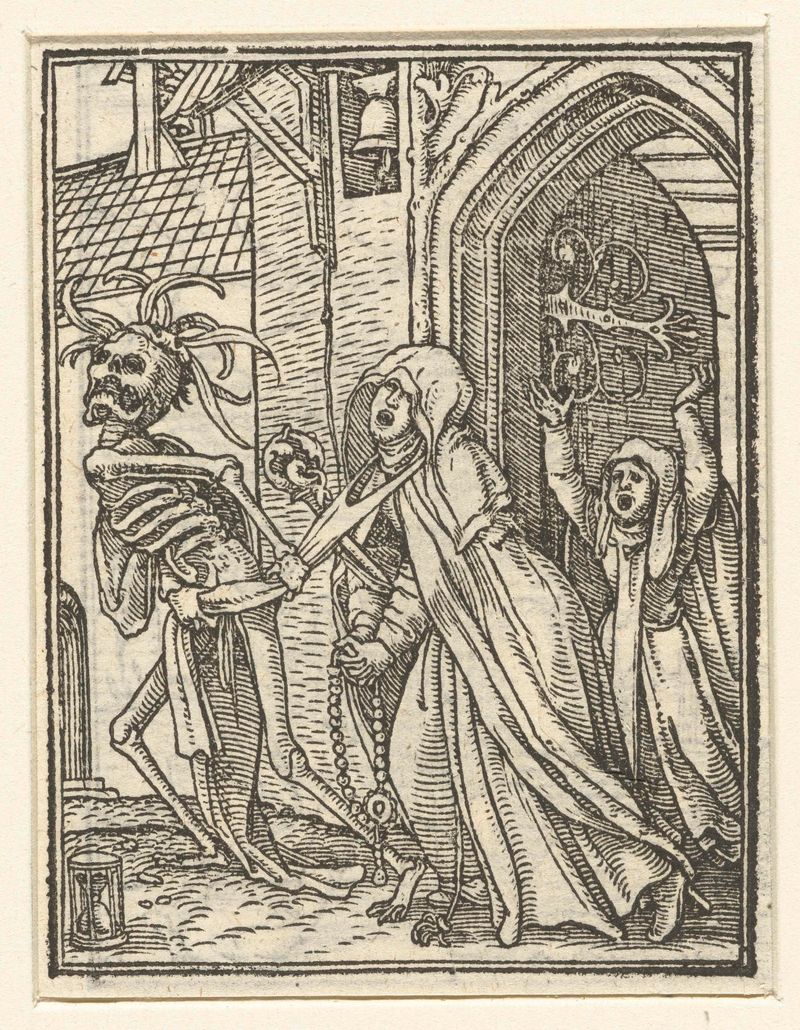
Abdis en de Dood
Hans Holbein (II)
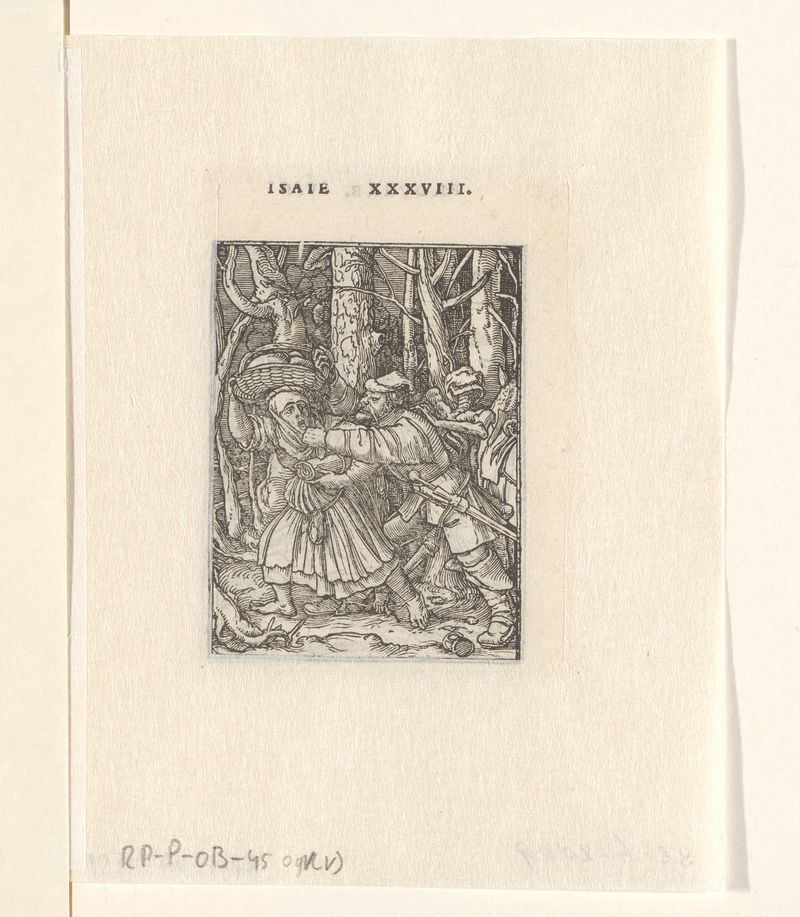
Dief en de Dood
Hans Holbein (II)
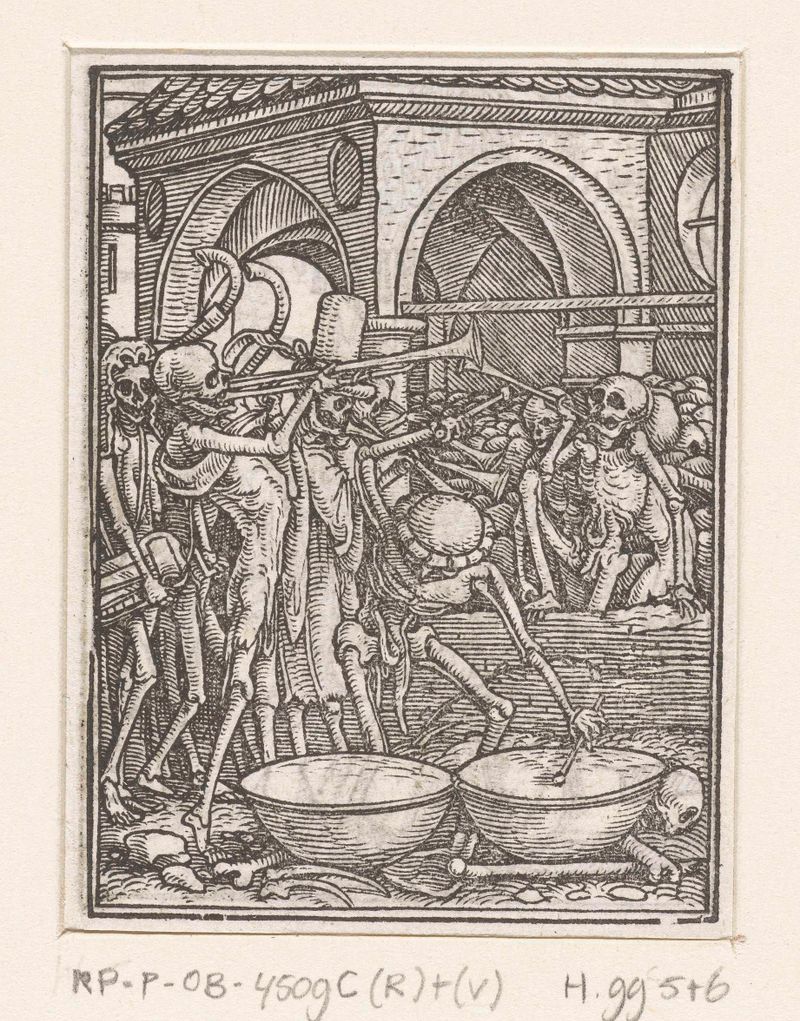
Skeletons Making Music from Dance of the Dead
Hans Holbein (II)
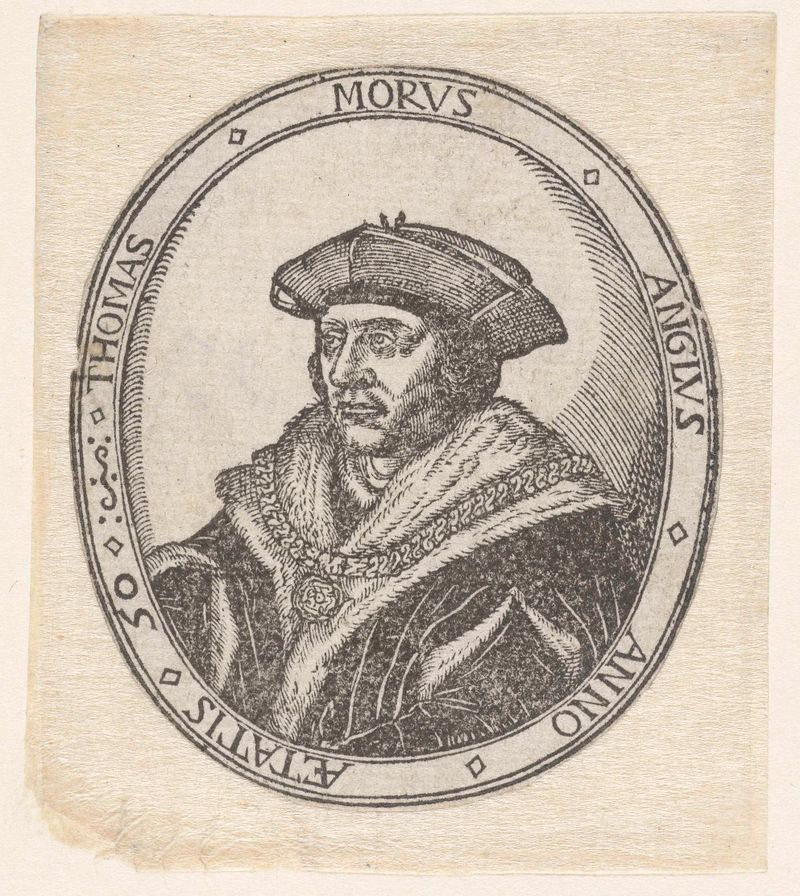
Portret van Thomas More
Hans Holbein (II)
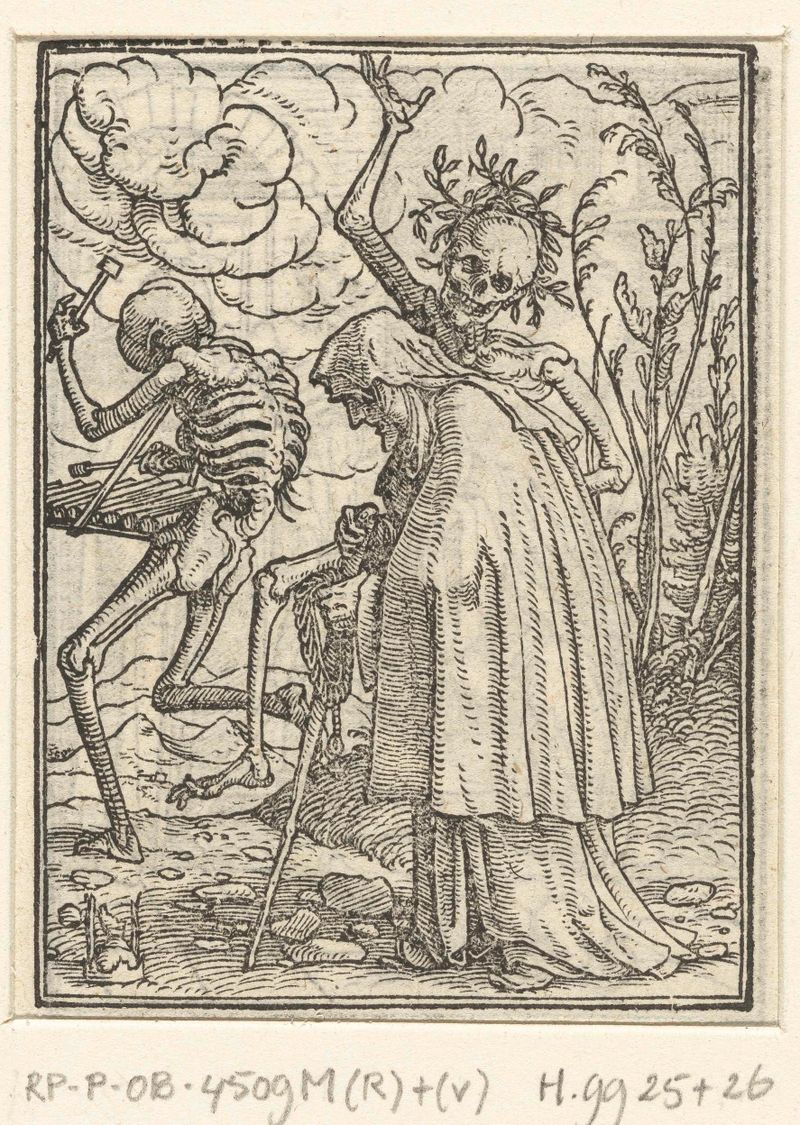
Oude vrouw en de Dood
Hans Holbein (II)
More Religious Art
Browse all →
The Return of the Prodigal Son
Rembrandt van Rijn

The Garden of Earthly Delights
El Bosco

Count Orgaz’ funeral
El Greco

The Hundred Guilder Print: the central piece with Christ preaching, the plate arched
Rembrandt van Rijn

The Descent from the Cross
Rogier van der Weyden

The return of the prodigal son
Rembrandt van Rijn