
Mozes onderwijst de priesters — History & Facts
In Mozes onderwijst de priesters, the tension between voice and absence invites viewers to confront the illusions of authority and righteousness. Each figure, poised yet still, exists in a realm where words linger just beyond reach, evoking a profound sense of introspection. Look to the left, where Moses stands, draped in elegant robes that cascade like a waterfall of deep crimson and gold. His outstretched hand commands attention, guiding the viewer's gaze to the solemn faces of the priests, whose expressions range from reverence to skepticism.
The light bathes the scene in a soft glow, reflecting off the marble-like textures of the architecture, emphasizing the contrast between the divine and the mortal. Notice the meticulous detail in the priests’ garments, the intricate patterns subtly hinting at their status while grounding them in the earthly realm. Yet, amidst this artistry lies an unsettling dichotomy. Each priest’s gaze is directed at Moses, yet their body language betrays hidden doubts, creating an atmosphere thick with unspoken questions.
The interplay of light and shadow becomes a metaphor for the illusion of knowledge; knowledge that is equally powerful and vulnerable. Holbein captures this tension with deft strokes, portraying not just an exchange of wisdom, but the heavy burden of expectation and faith, symbolized by the weight of Moses's hand. Created in 1538, Holbein crafted this work during a period of religious reformation and upheaval in Europe. Residing in England under the patronage of Henry VIII, he found himself at the nexus of shifting ideologies, grappling with the complexities of faith, identity, and power.
In this moment, he sought to reflect not only the spiritual authority of Moses but also the fragile nature of belief itself in a rapidly changing world.
More Artworks by Hans Holbein (II)
Browse all →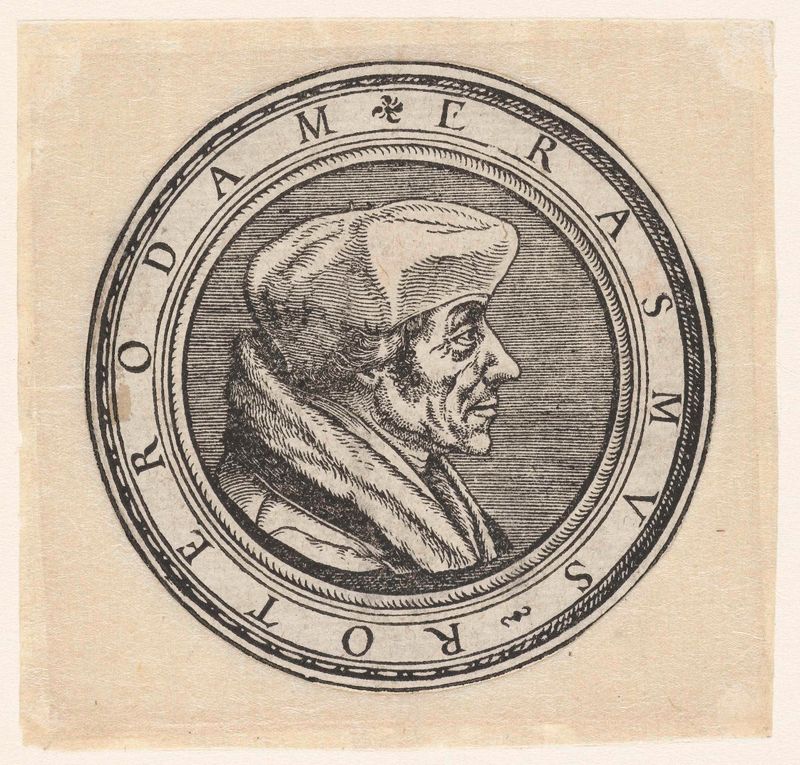
Portret van Erasmus
Hans Holbein (II)
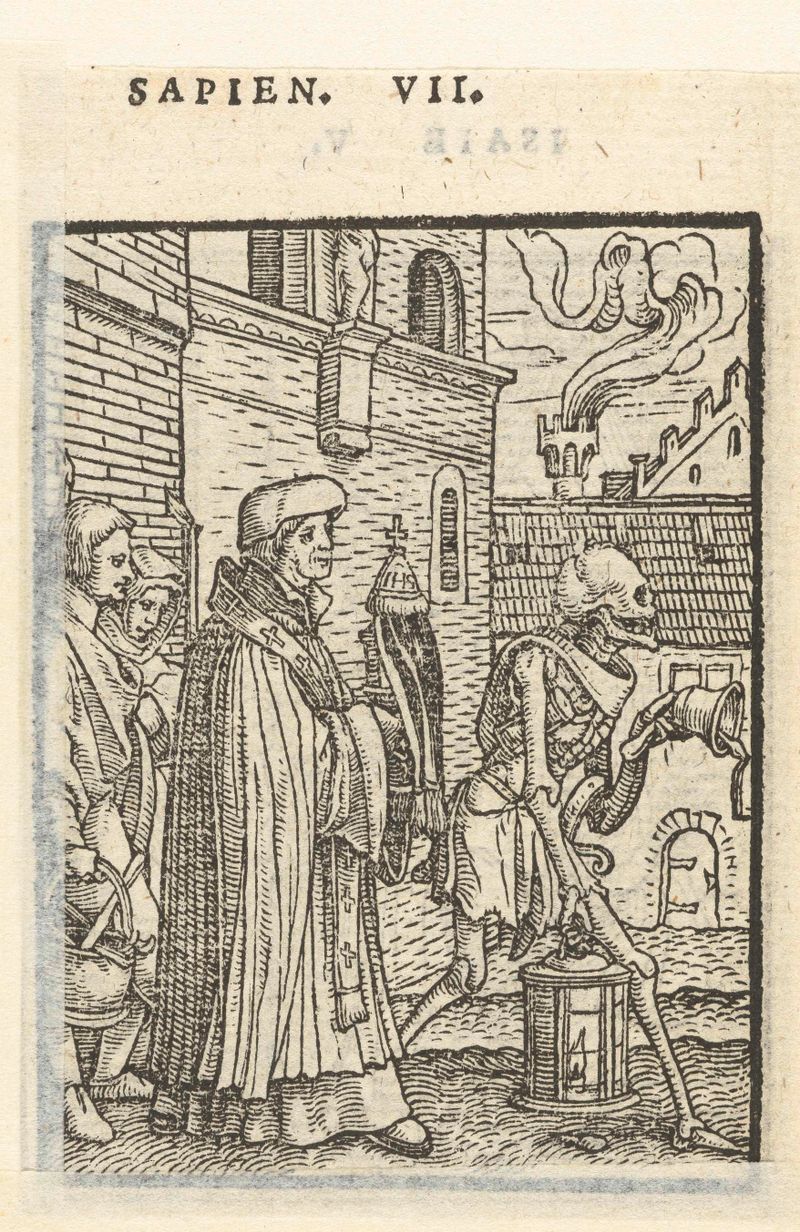
Priester en de Dood
Hans Holbein (II)
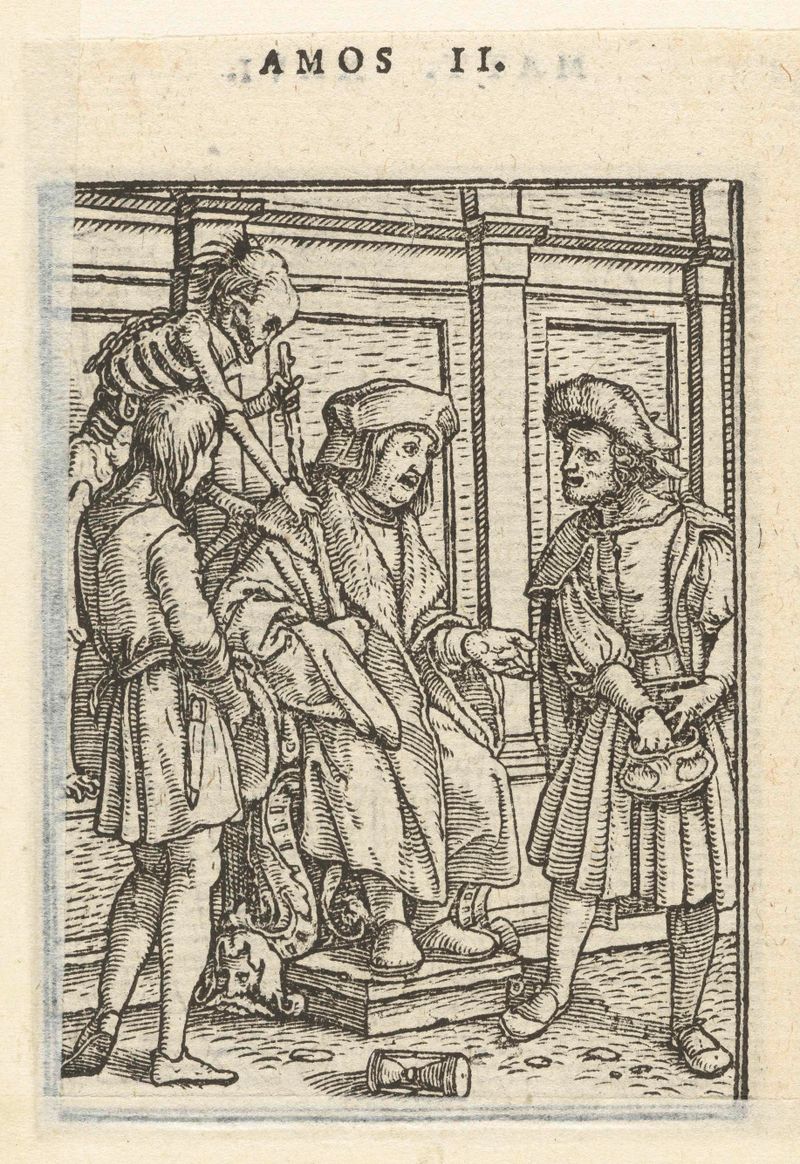
Rechter en de Dood
Hans Holbein (II)
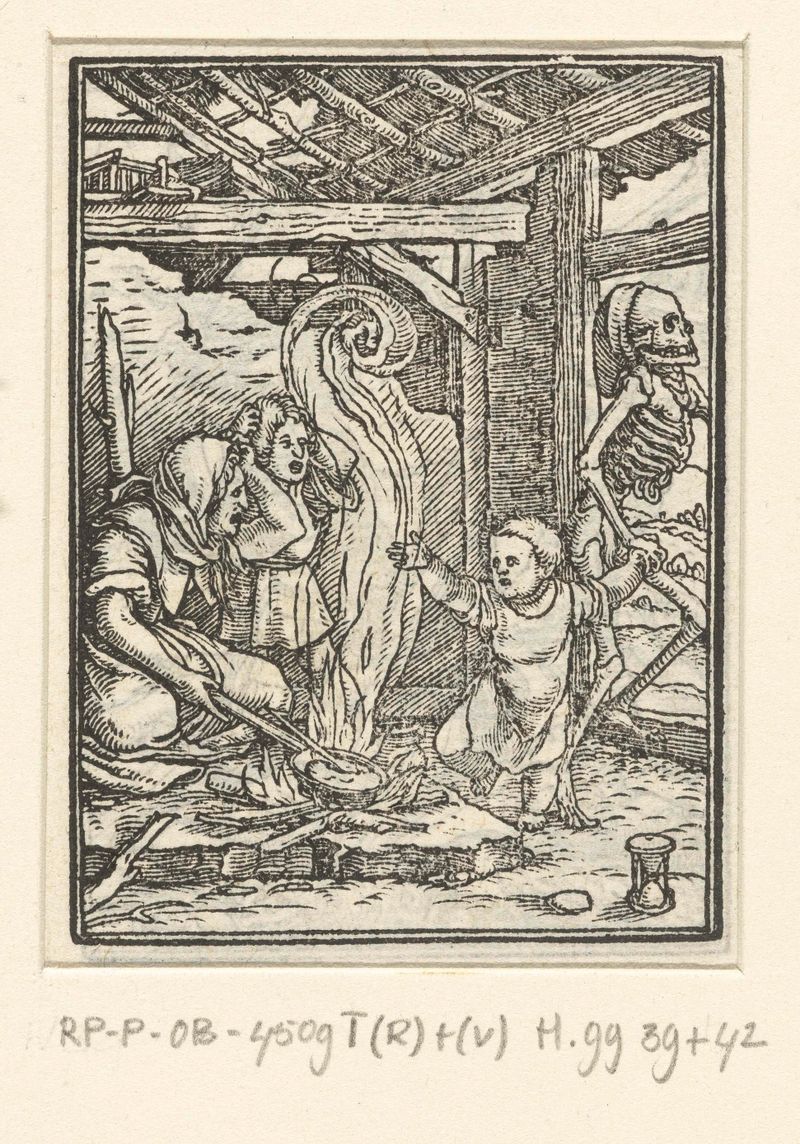
Kind en de Dood
Hans Holbein (II)
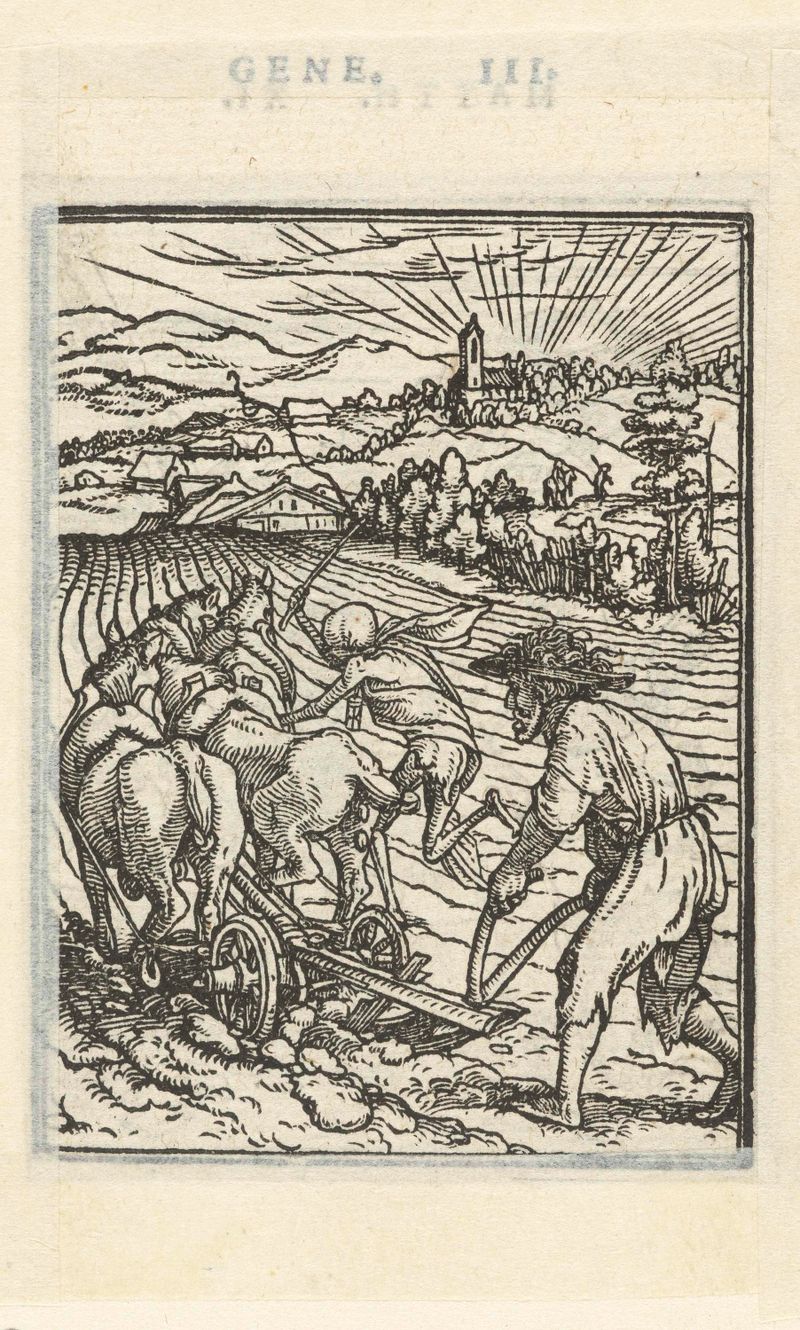
Boer en de Dood
Hans Holbein (II)
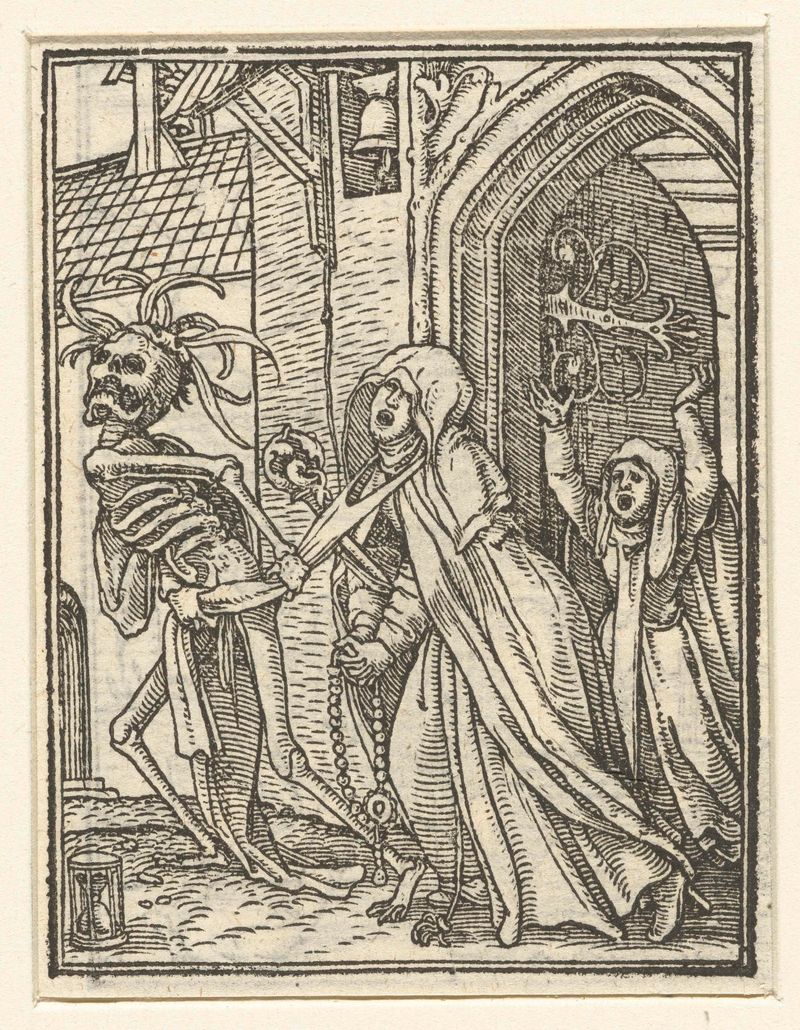
Abdis en de Dood
Hans Holbein (II)
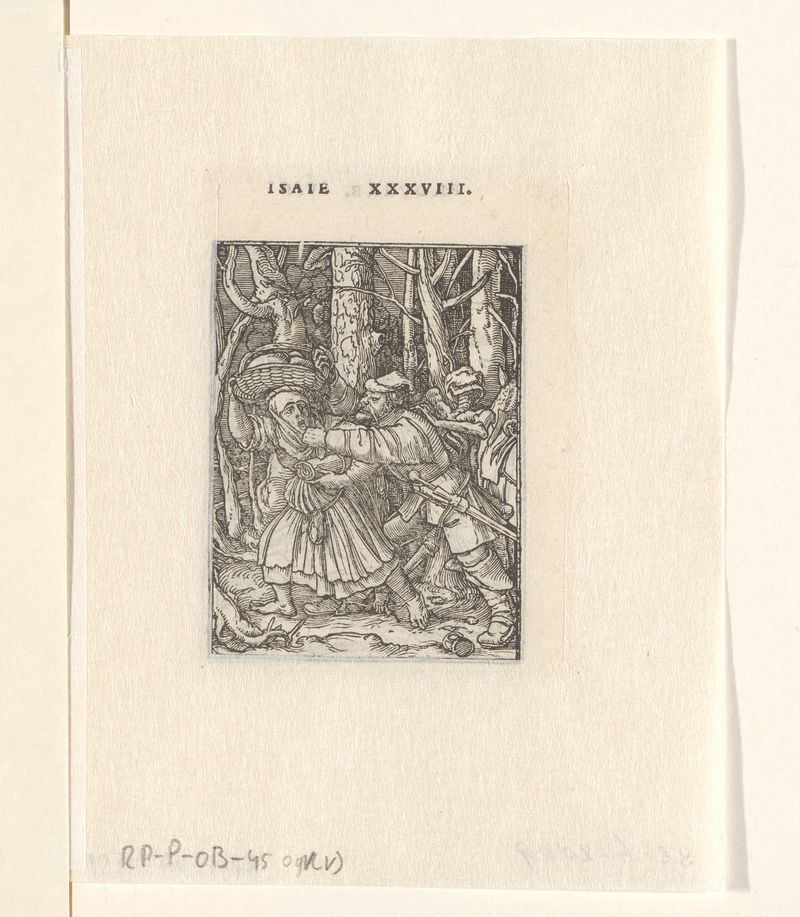
Dief en de Dood
Hans Holbein (II)
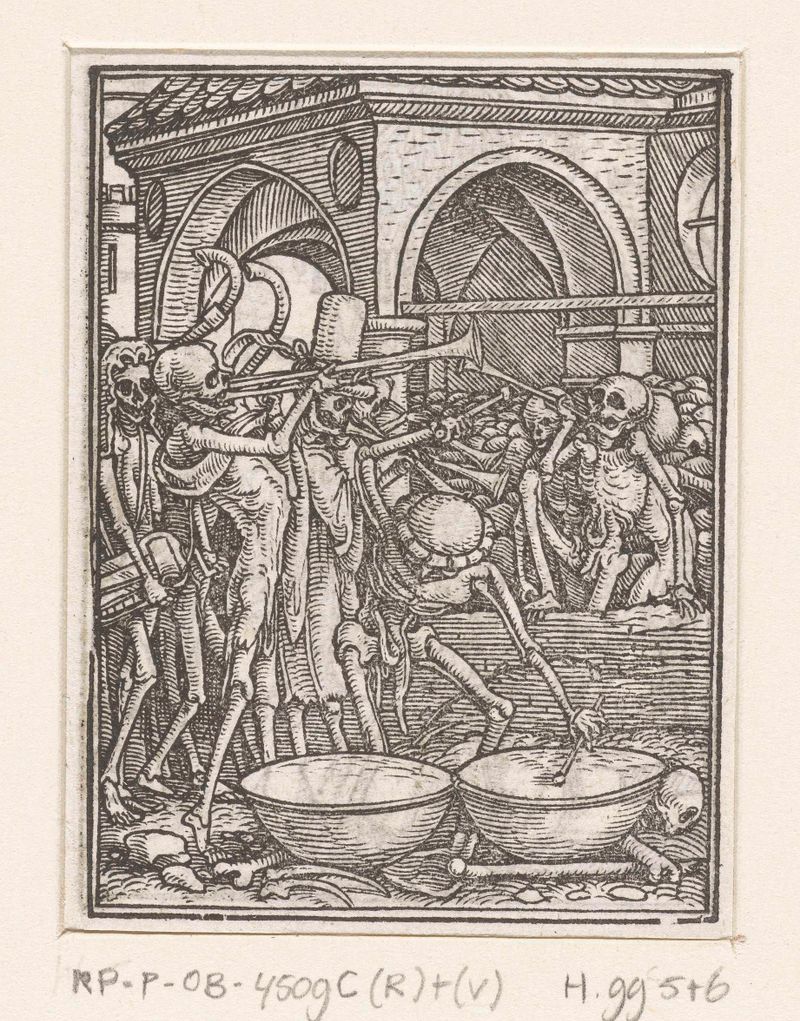
Skeletons Making Music from Dance of the Dead
Hans Holbein (II)
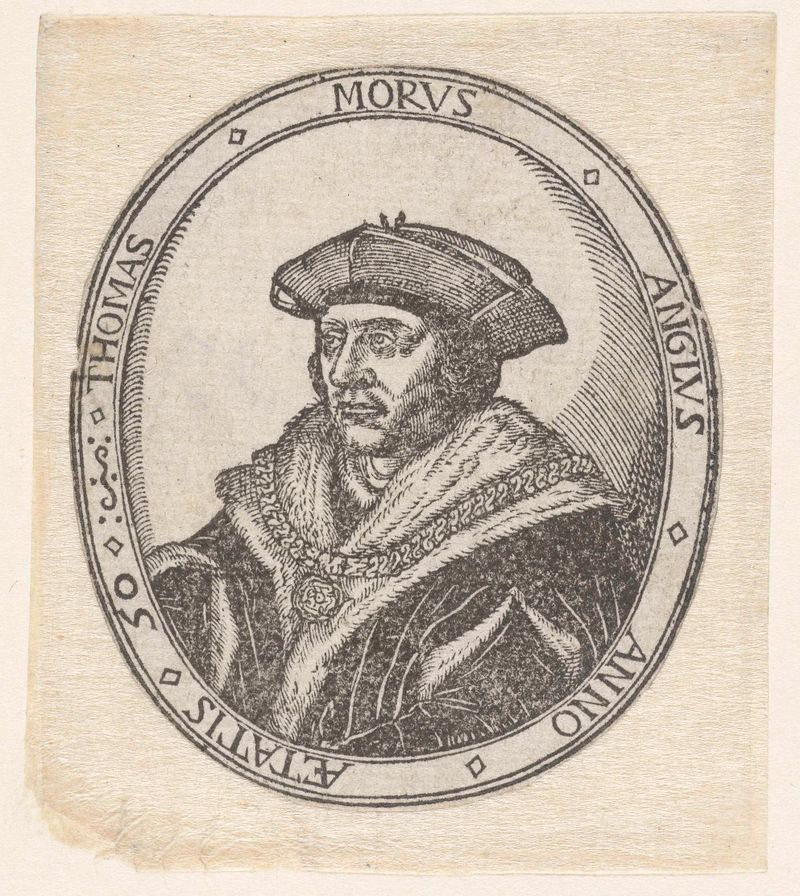
Portret van Thomas More
Hans Holbein (II)
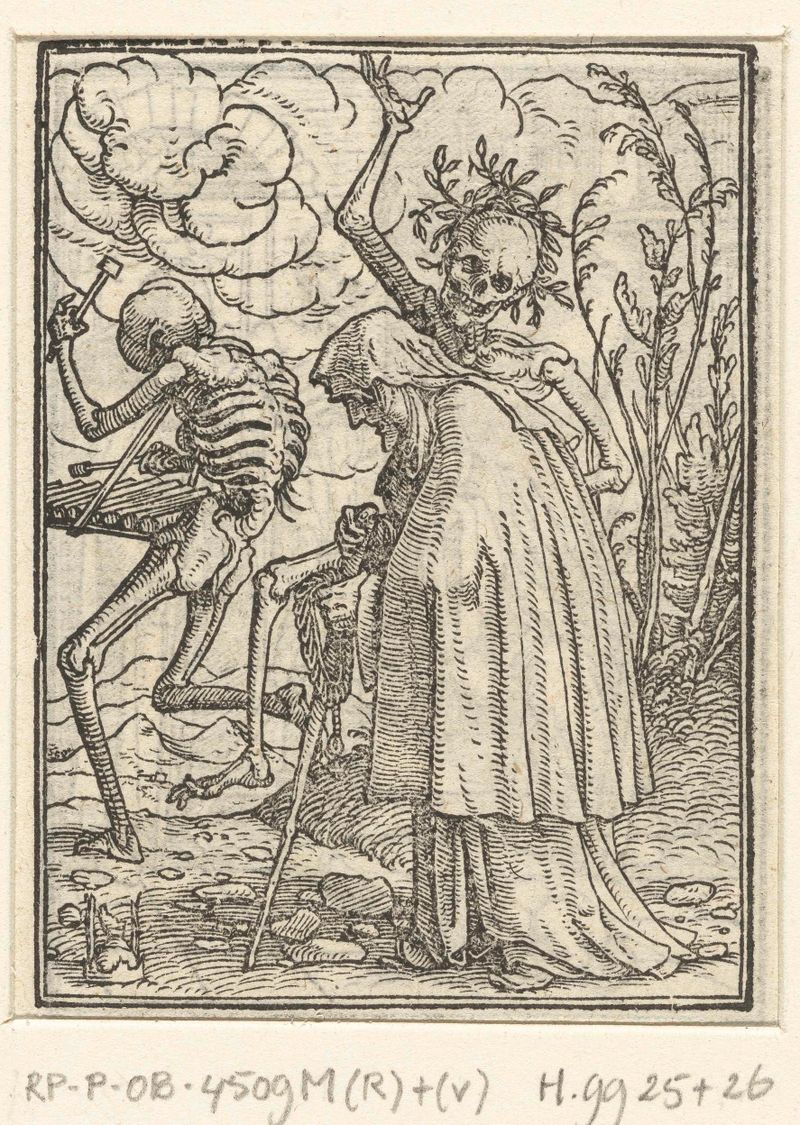
Oude vrouw en de Dood
Hans Holbein (II)
More Religious Art
Browse all →
The Return of the Prodigal Son
Rembrandt van Rijn

The Garden of Earthly Delights
El Bosco

Count Orgaz’ funeral
El Greco

The Hundred Guilder Print: the central piece with Christ preaching, the plate arched
Rembrandt van Rijn

The Descent from the Cross
Rogier van der Weyden

The return of the prodigal son
Rembrandt van Rijn