
Mozes onderwijst Israëlieten in wetten — History & Facts
Did the painter know this moment would outlive them? In the stillness of time captured on canvas, the weight of legacy hangs in the air, whispering truths across generations. Look to the center of the composition, where Moses stands, draped in rich garments that speak of authority and reverence. Notice how the artist uses light to illuminate Moses’ face, drawing our attention to the intensity of his expression as he imparts wisdom to the gathered Israelites. The deep hues of the background contrast sharply with the brightness of his figure, creating a sense of divine presence amongst the crowd.
Holbein’s meticulous detail in the faces surrounding Moses transforms this tableau into a vibrant tapestry of emotion—each figure displaying a unique reaction, from curiosity to reverence. Delve deeper into the subtleties within the crowd; the assortment of gestures reveals a complex web of responses. The varying postures reflect not just obedience, but also an undercurrent of uncertainty and longing for guidance. The stark divergence between Moses’ composed demeanor and the anxieties of his followers highlights the tension between divine law and mortal doubt.
This interplay of authority and vulnerability speaks to the profound human condition—an eternal struggle for understanding amidst chaos. In 1538, Holbein was residing in England, navigating the currents of the Reformation and the complexities of Tudor politics. The artist, known for his keen observation and portrayal of human emotion, was transitioning from his earlier work in Basel to a more profound engagement with religious themes. This period marked a pivotal moment not only in his career but also in the broader landscape of art, where the depiction of biblical scenes began to resonate deeply with the quest for moral and spiritual clarity in an ever-changing world.
More Artworks by Hans Holbein (II)
Browse all →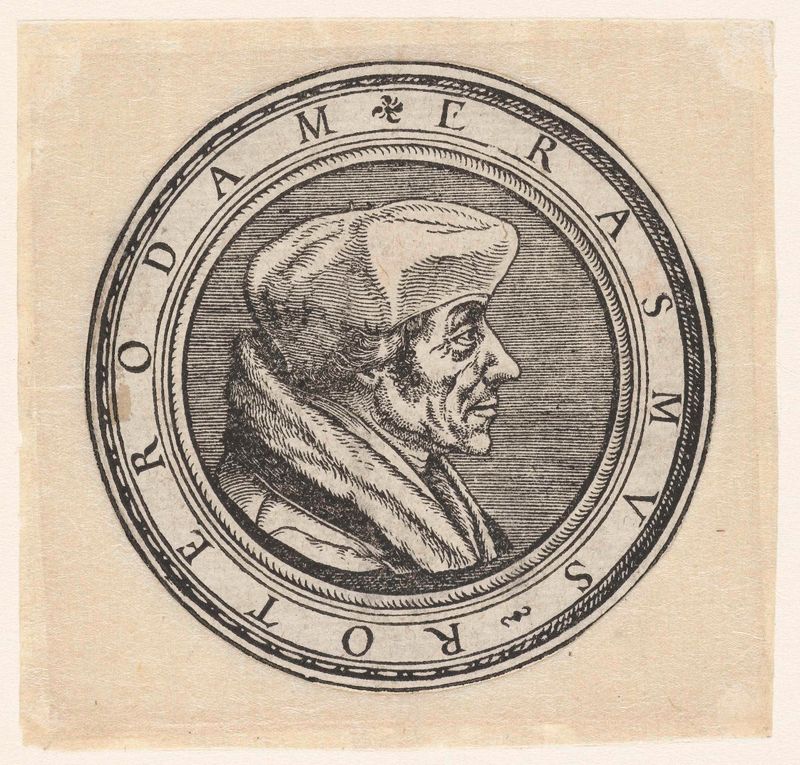
Portret van Erasmus
Hans Holbein (II)
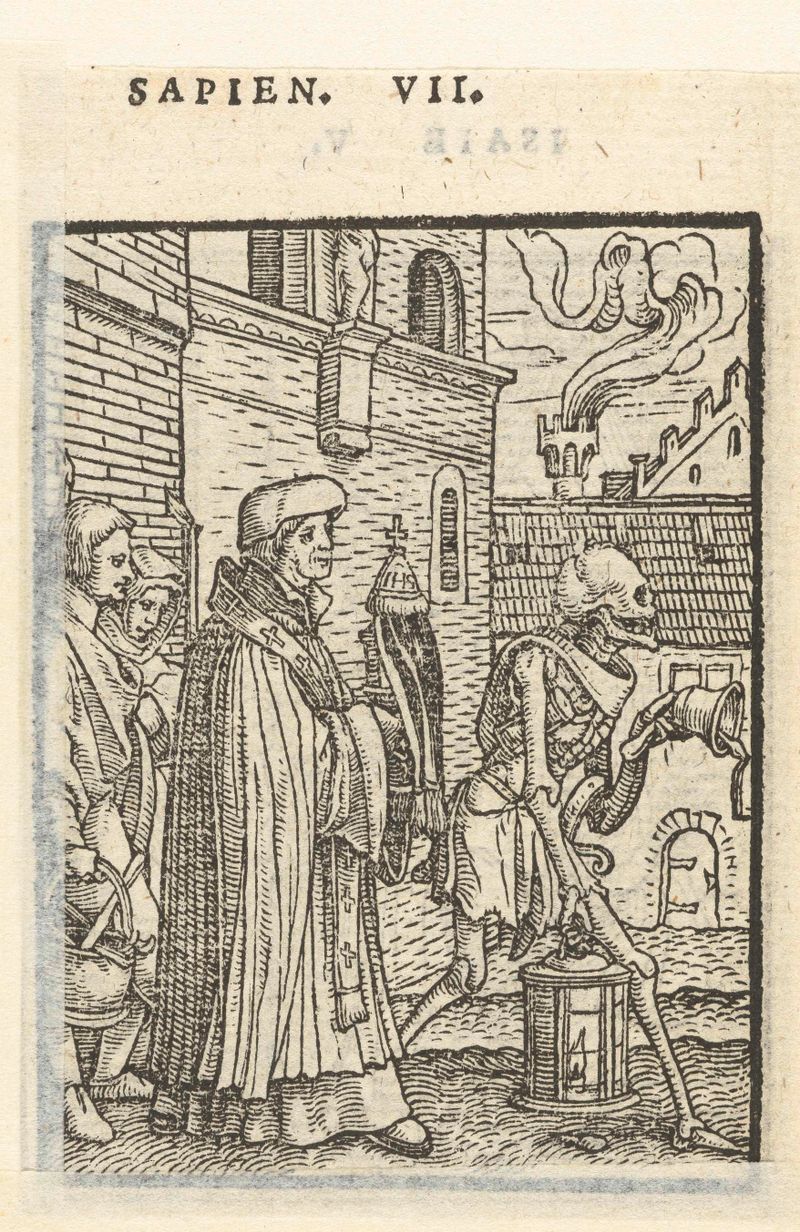
Priester en de Dood
Hans Holbein (II)
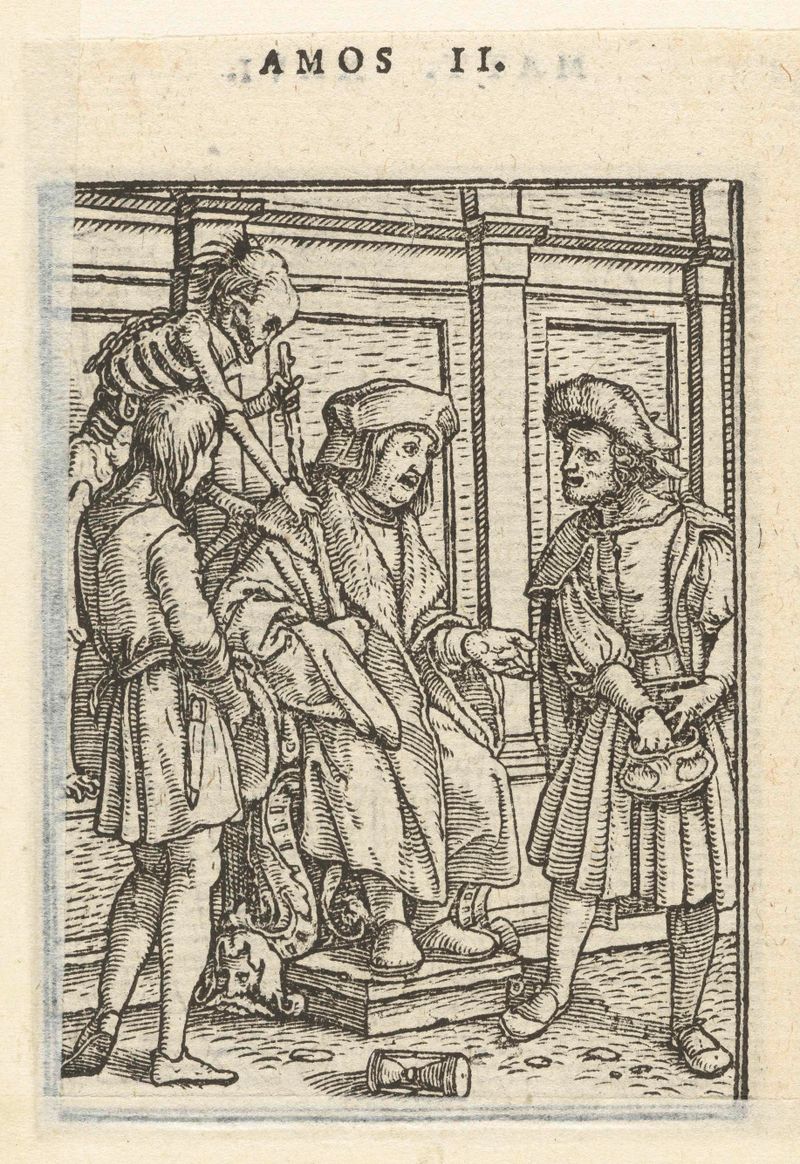
Rechter en de Dood
Hans Holbein (II)
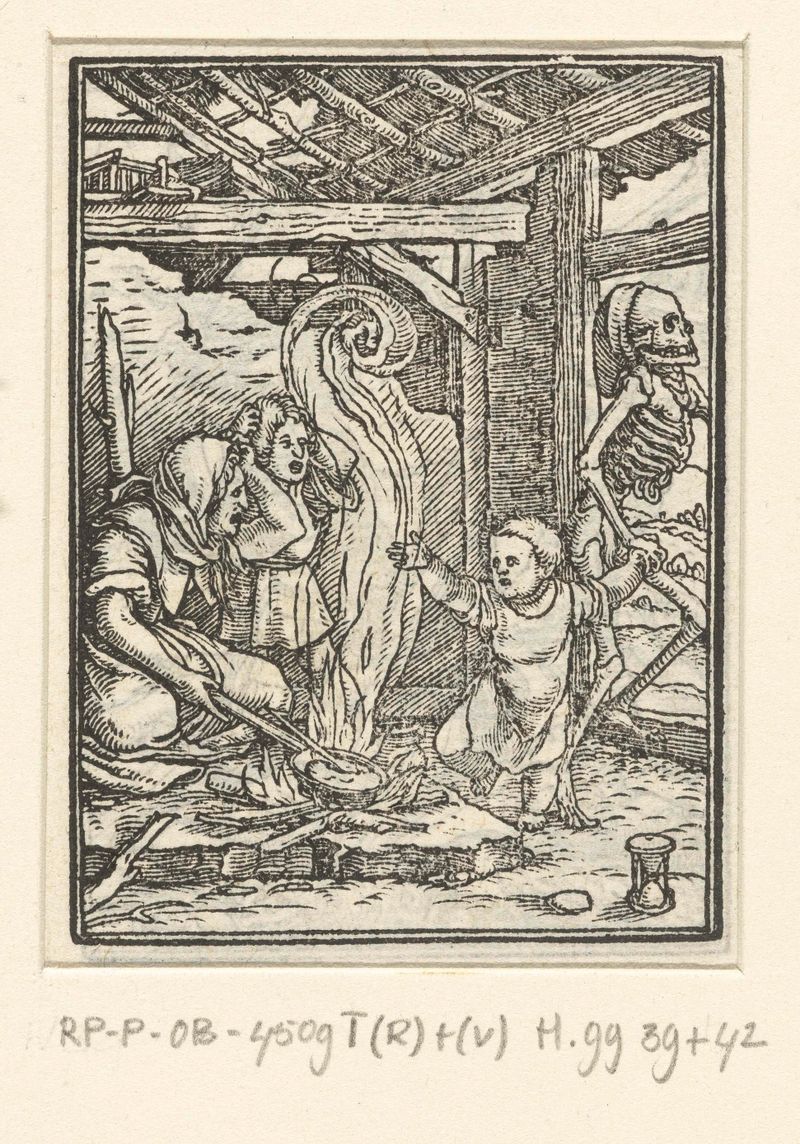
Kind en de Dood
Hans Holbein (II)
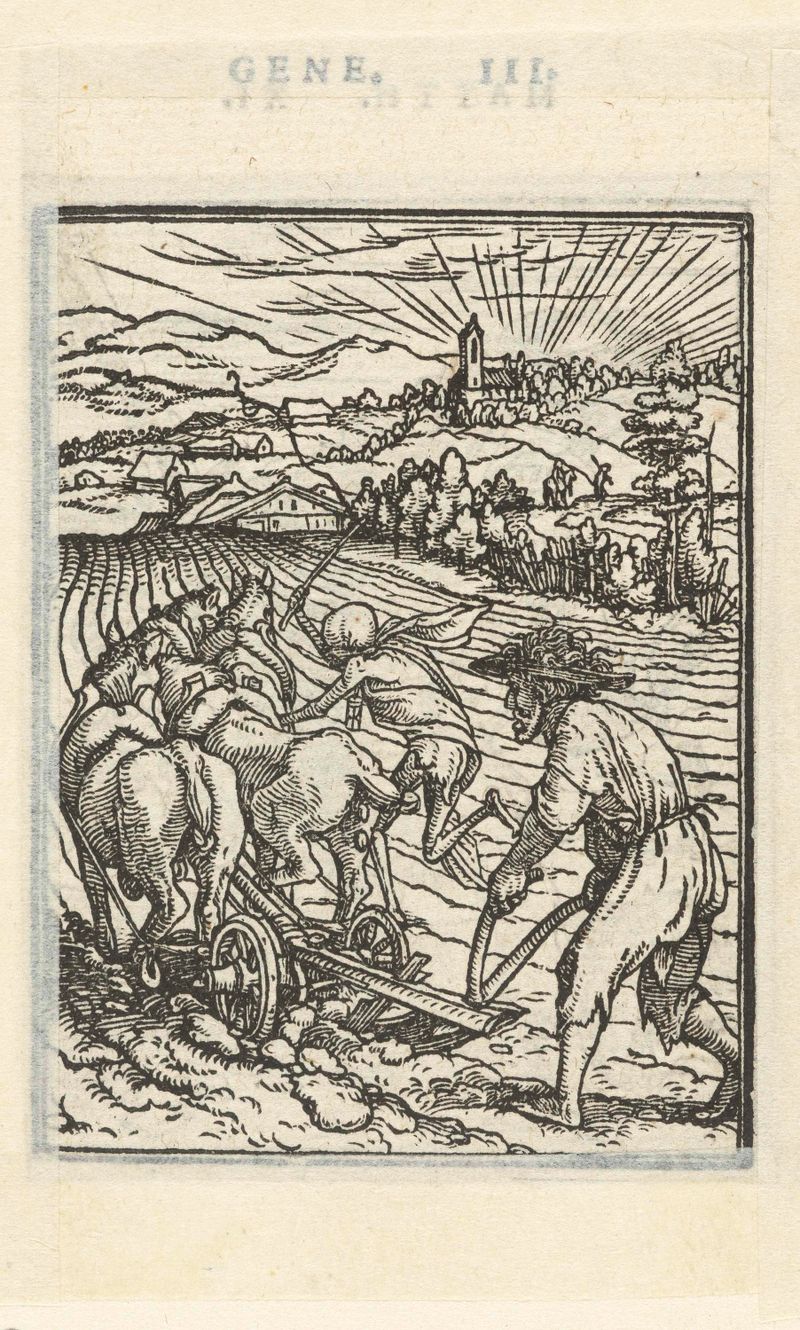
Boer en de Dood
Hans Holbein (II)
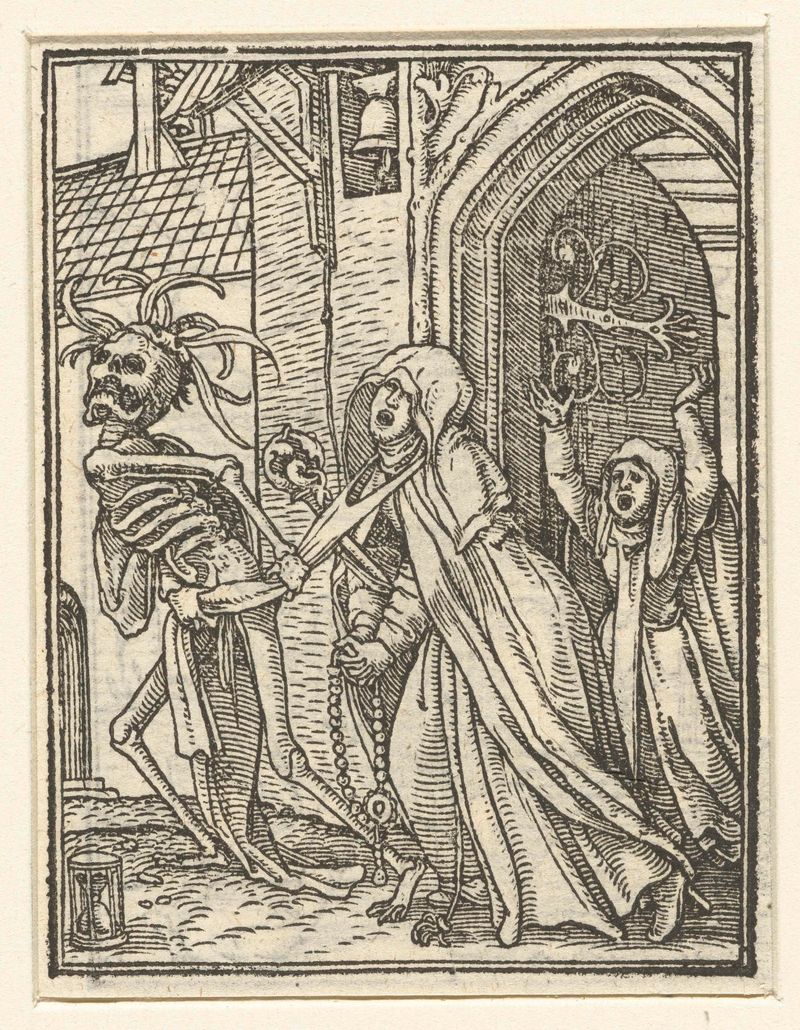
Abdis en de Dood
Hans Holbein (II)
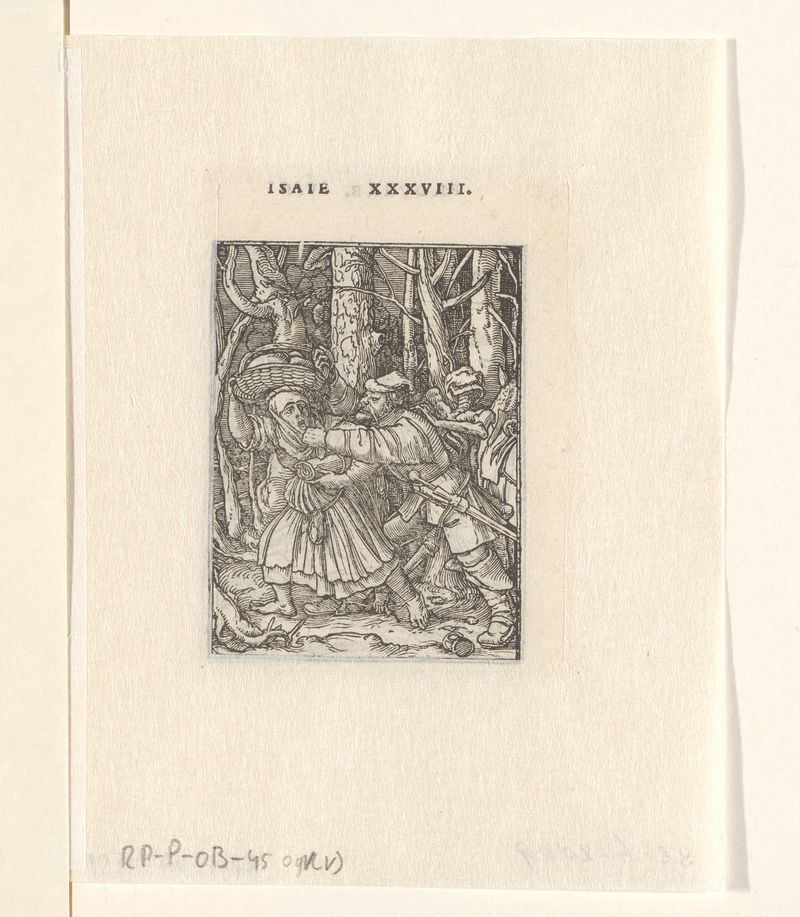
Dief en de Dood
Hans Holbein (II)
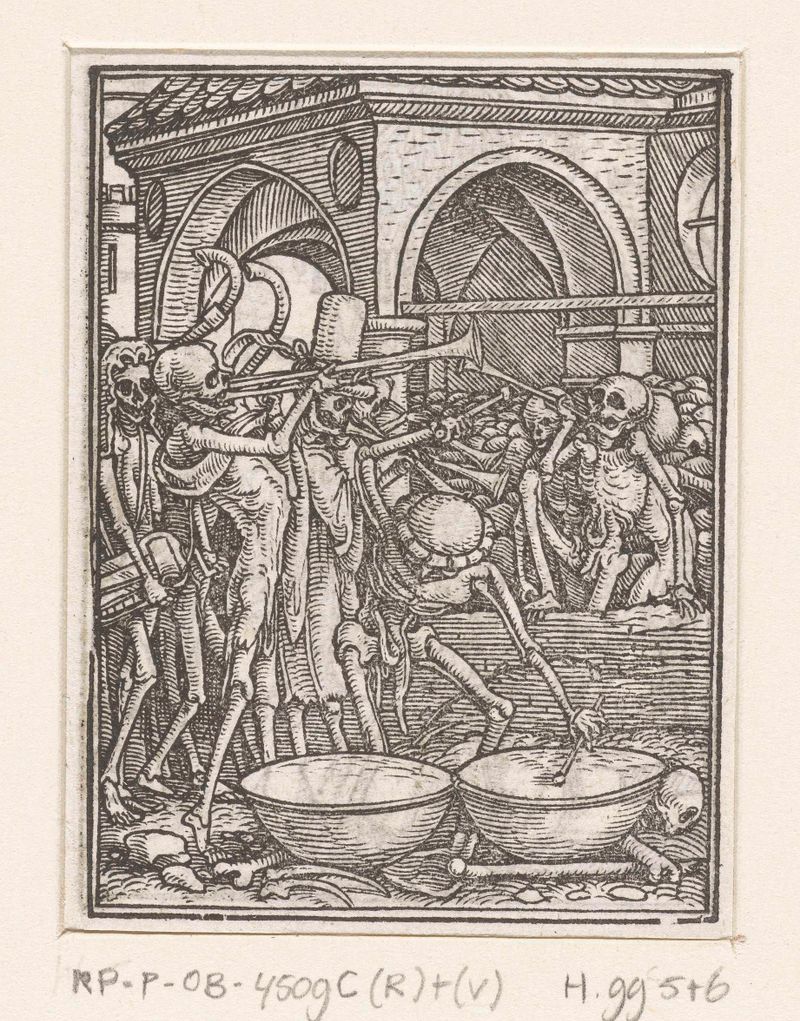
Skeletons Making Music from Dance of the Dead
Hans Holbein (II)
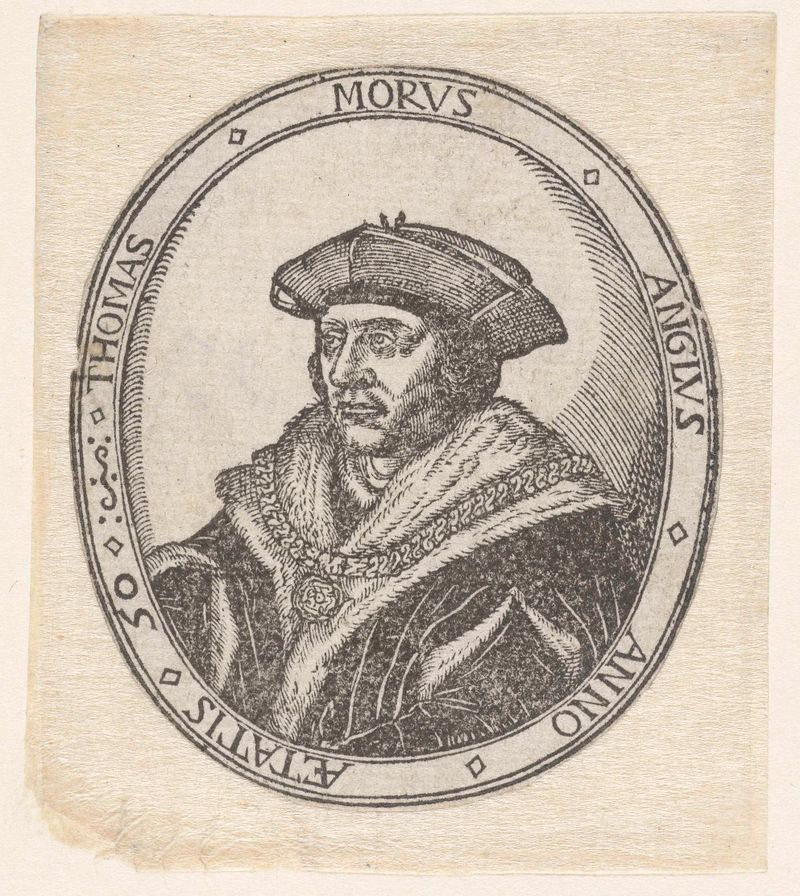
Portret van Thomas More
Hans Holbein (II)
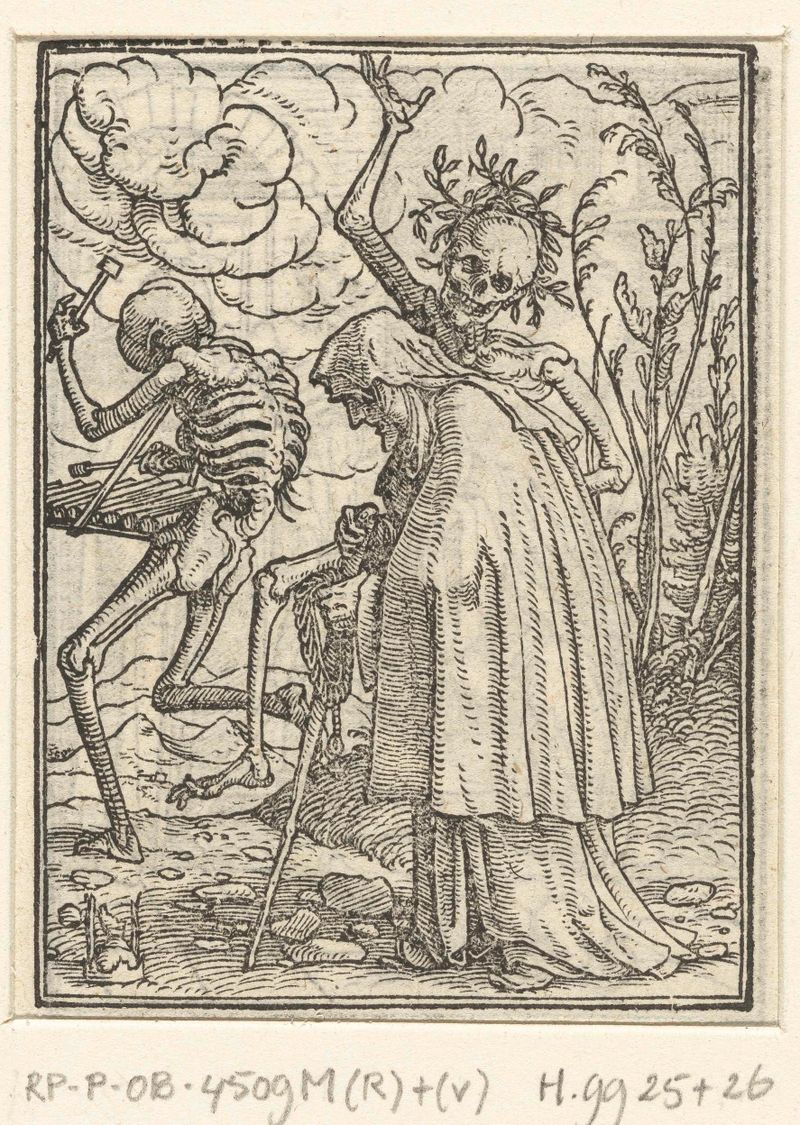
Oude vrouw en de Dood
Hans Holbein (II)
More Religious Art
Browse all →
The Return of the Prodigal Son
Rembrandt van Rijn

The Garden of Earthly Delights
El Bosco

Count Orgaz’ funeral
El Greco

The Hundred Guilder Print: the central piece with Christ preaching, the plate arched
Rembrandt van Rijn

The Descent from the Cross
Rogier van der Weyden

The return of the prodigal son
Rembrandt van Rijn