
Mozes ontvangt tafelen der wet — History & Facts
In Mozes ontvangt tafelen der wet, the embodiment of divinity and human struggle comes alive through movement—each figure caught in a silent dialogue with the divine. Look to the center of the canvas, where Moses stands resolutely, his arms raised high. The tablets of the law shimmer with an ethereal glow, reflecting the somber yet radiant light that streams down from the heavens. Notice the meticulously rendered details of the figures surrounding him; their faces are a tapestry of awe, confusion, and reverence, layered with rich colors that evoke both warmth and solemnity.
Each brushstroke invites the viewer to explore the complex interplay between the human and the divine. Beyond the surface, the painting encapsulates a profound message about authority and moral obligation. The contrasting expressions reveal how the revelation of sacred law is both a gift and a burden, emphasizing the weight of leadership. The motion of Moses, steadfast yet vulnerable, serves as a reminder of the tumultuous path between divine instruction and human interpretation, each ripple of movement resonating with the burdens we carry in our own lives. Hans Holbein the Younger created this work in 1538 during a period of significant religious upheaval and the Reformation in Europe.
Living in Basel, Holbein was deeply engaged with the tensions between Catholicism and emerging Protestant beliefs. This painting not only reflects the theological debates of his time but also showcases his mastery of composition and ability to capture the essence of human experience through iconic biblical narratives.
More Artworks by Hans Holbein (II)
Browse all →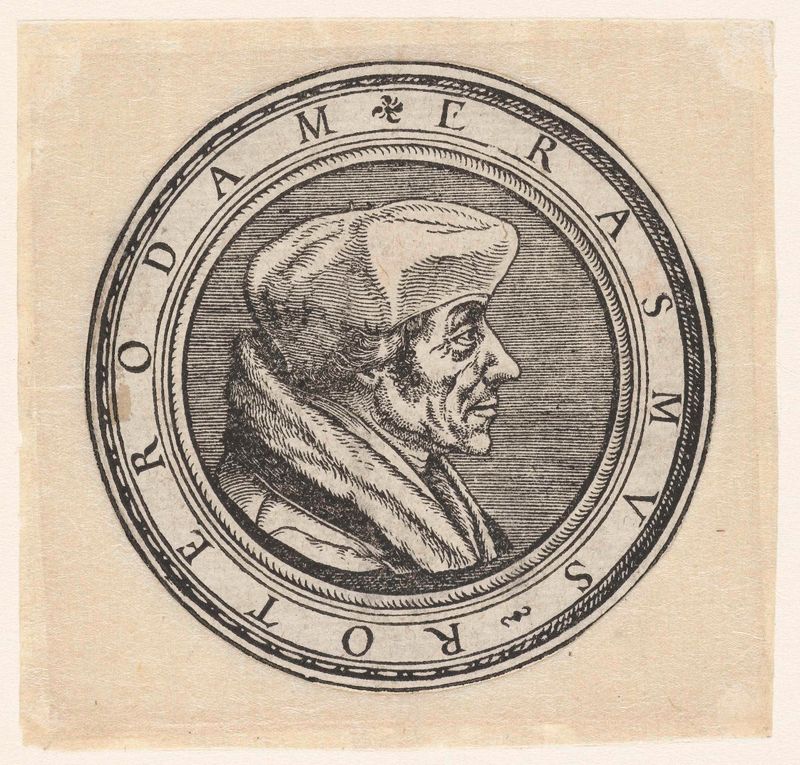
Portret van Erasmus
Hans Holbein (II)
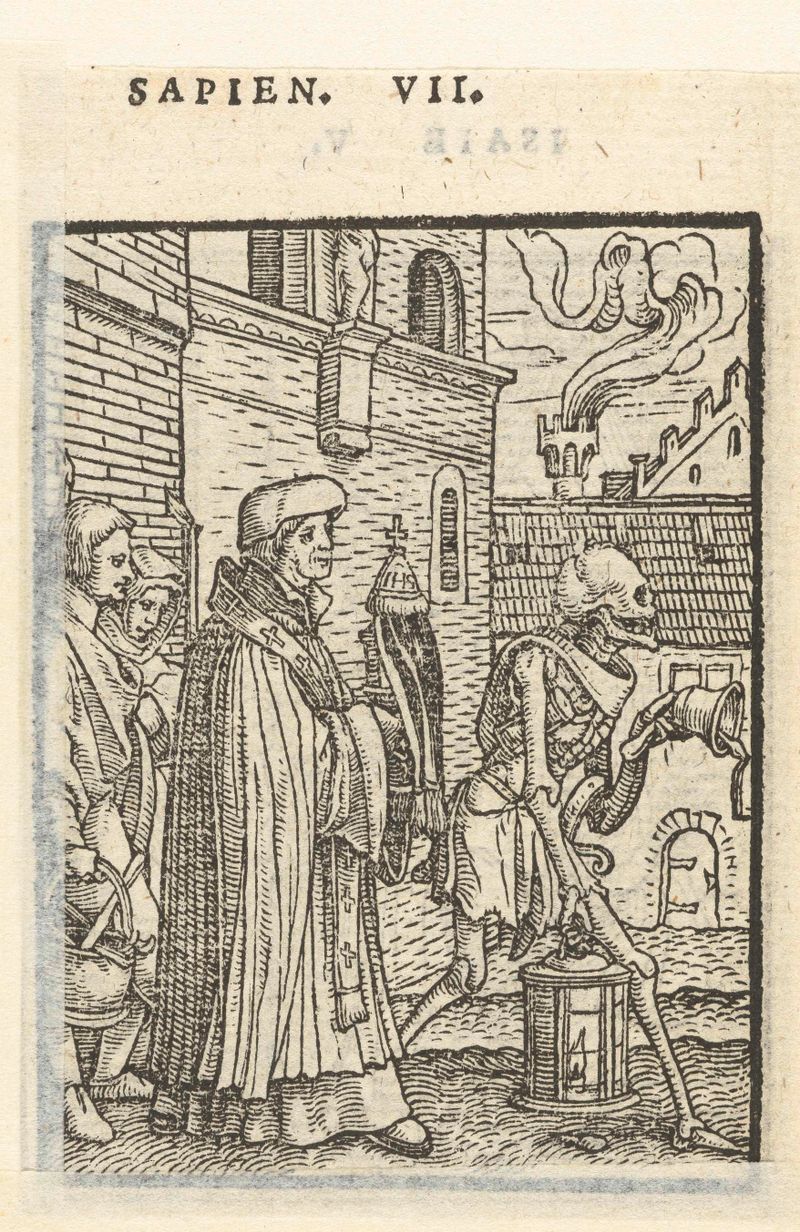
Priester en de Dood
Hans Holbein (II)
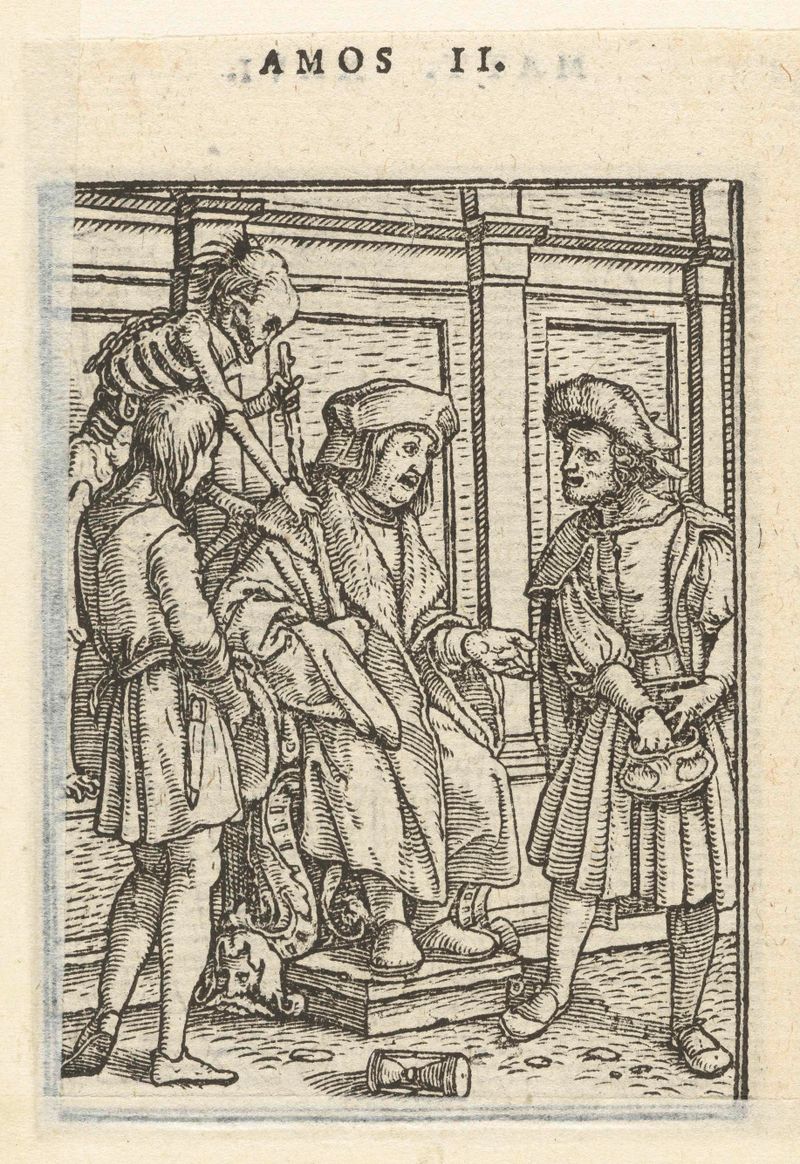
Rechter en de Dood
Hans Holbein (II)
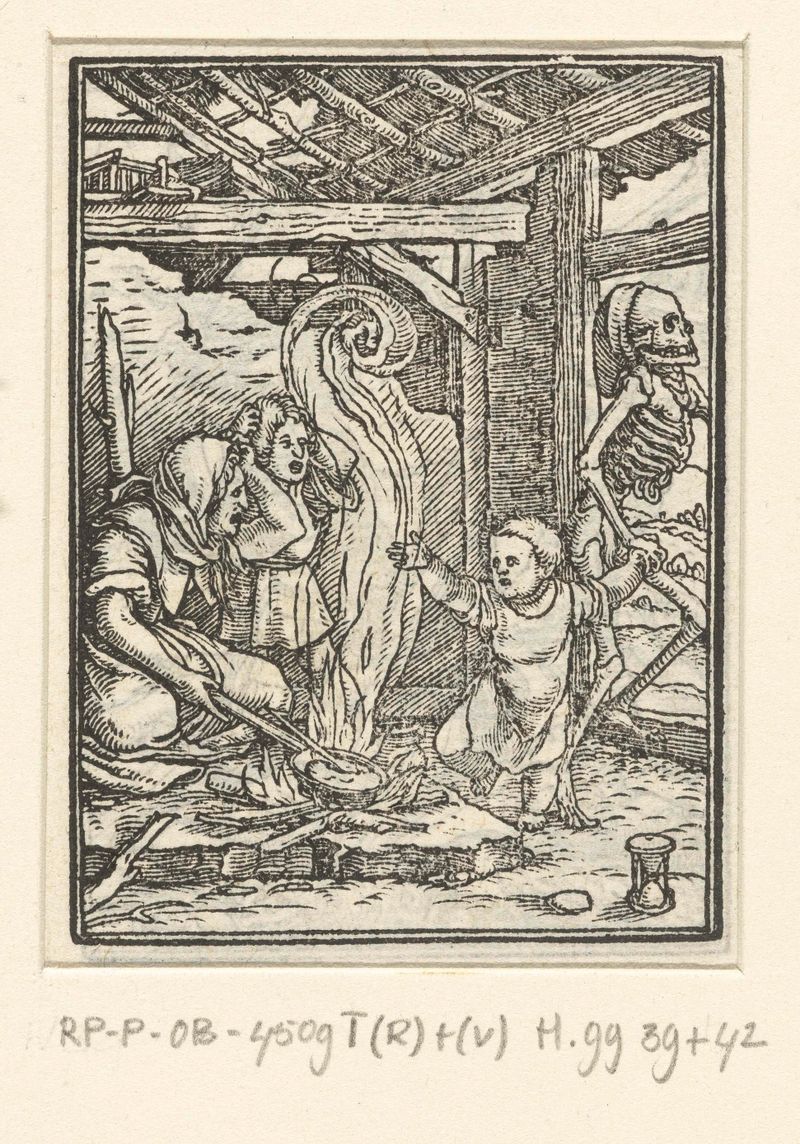
Kind en de Dood
Hans Holbein (II)
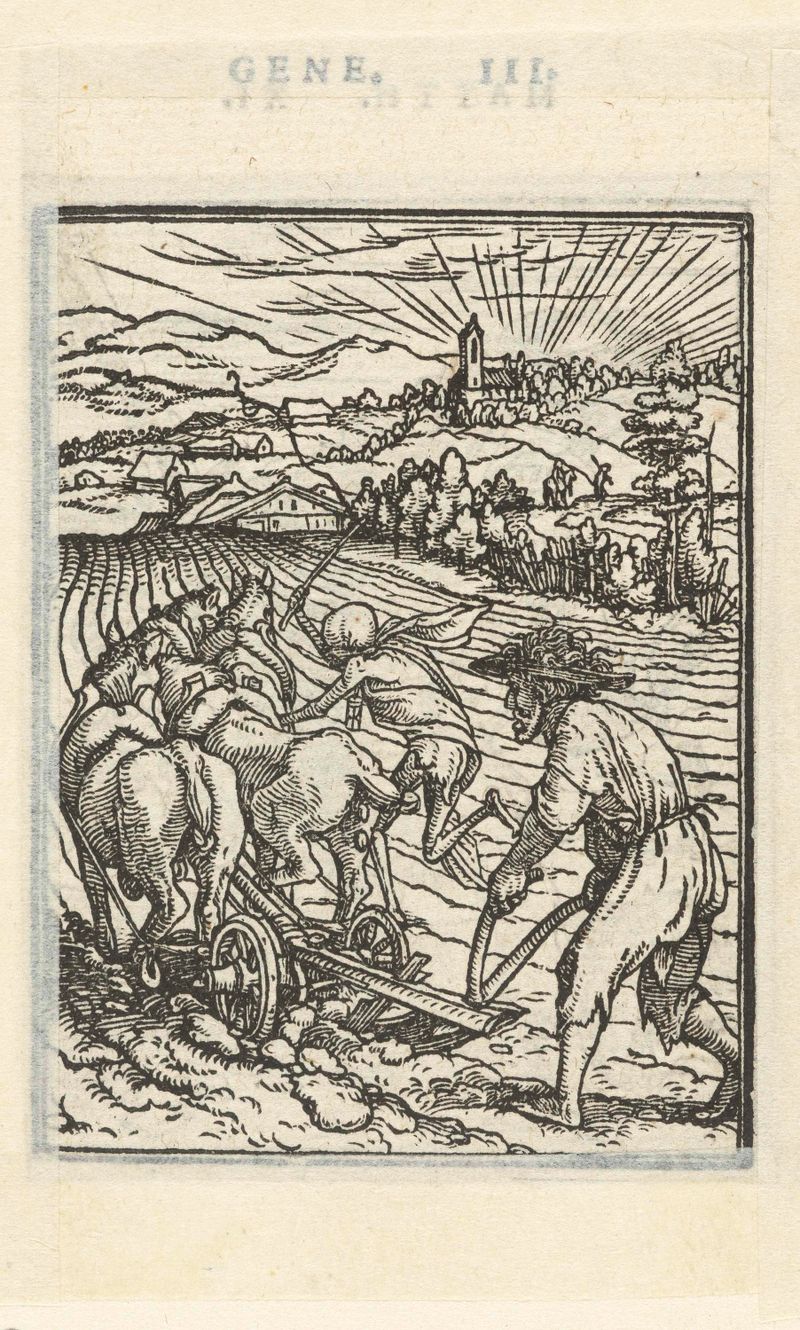
Boer en de Dood
Hans Holbein (II)
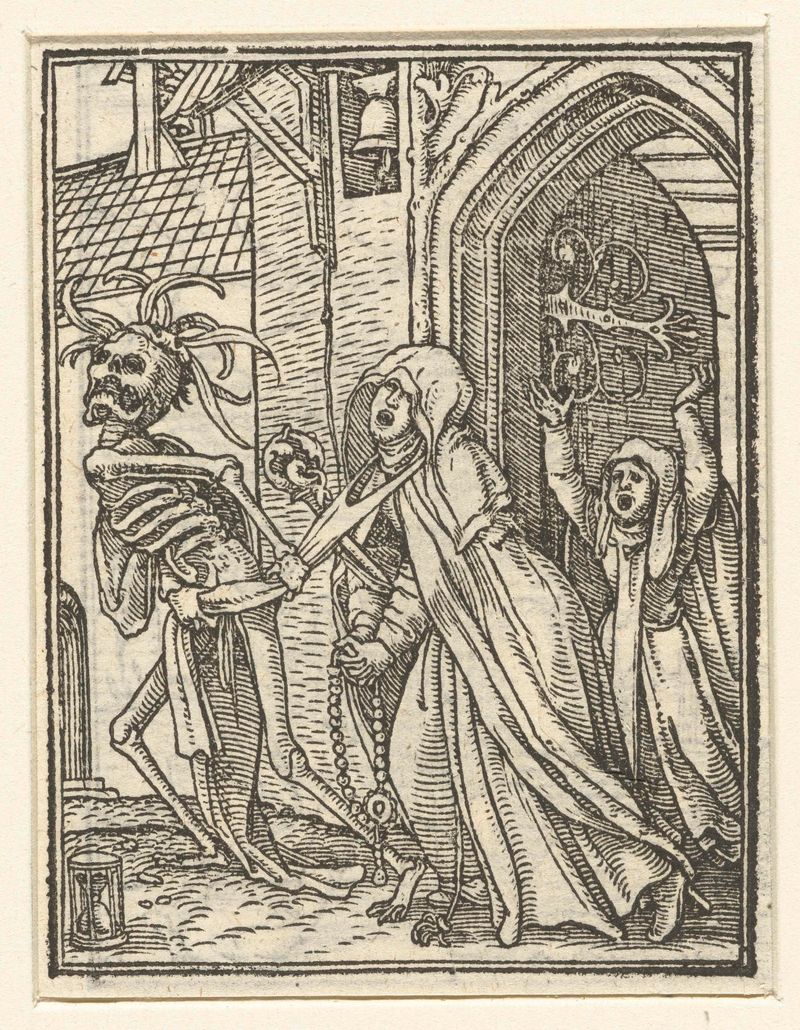
Abdis en de Dood
Hans Holbein (II)
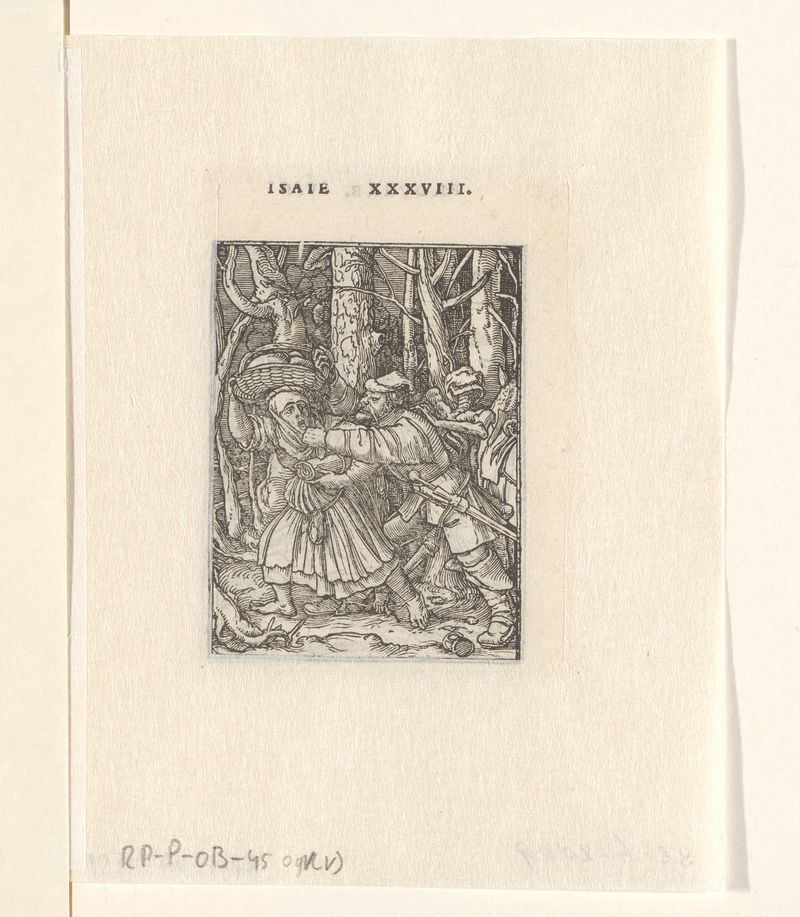
Dief en de Dood
Hans Holbein (II)
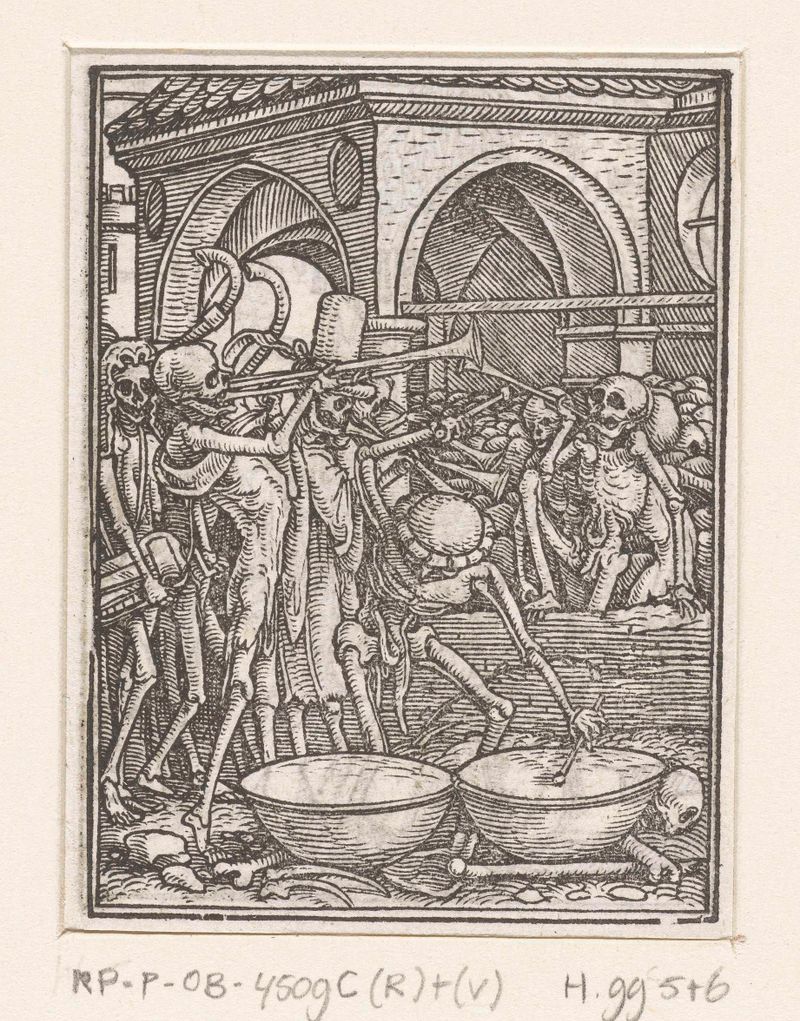
Skeletons Making Music from Dance of the Dead
Hans Holbein (II)
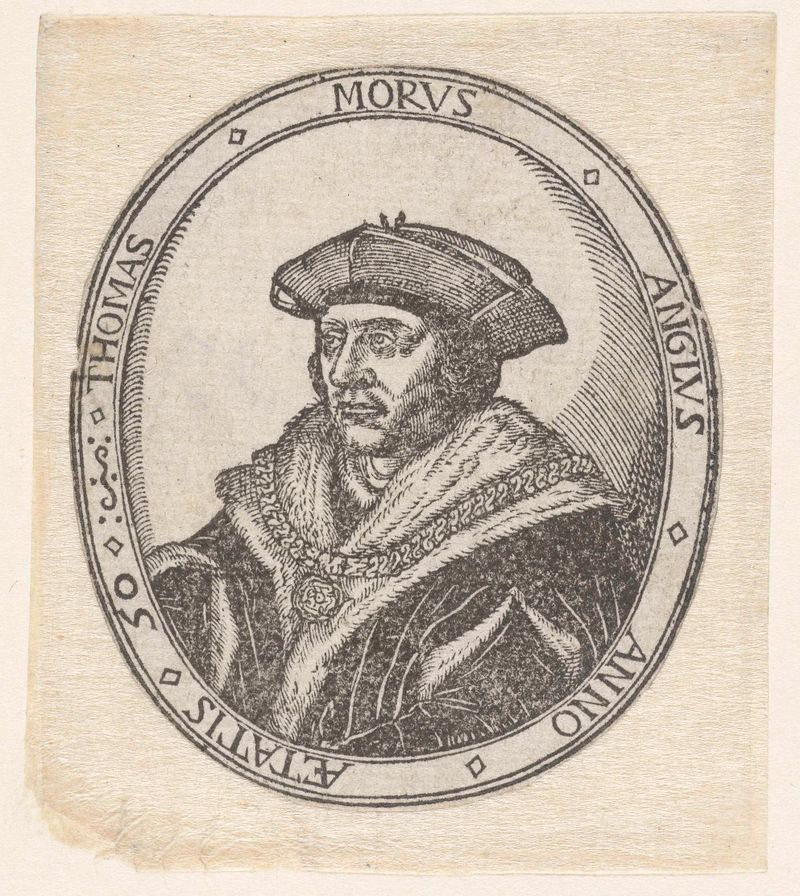
Portret van Thomas More
Hans Holbein (II)
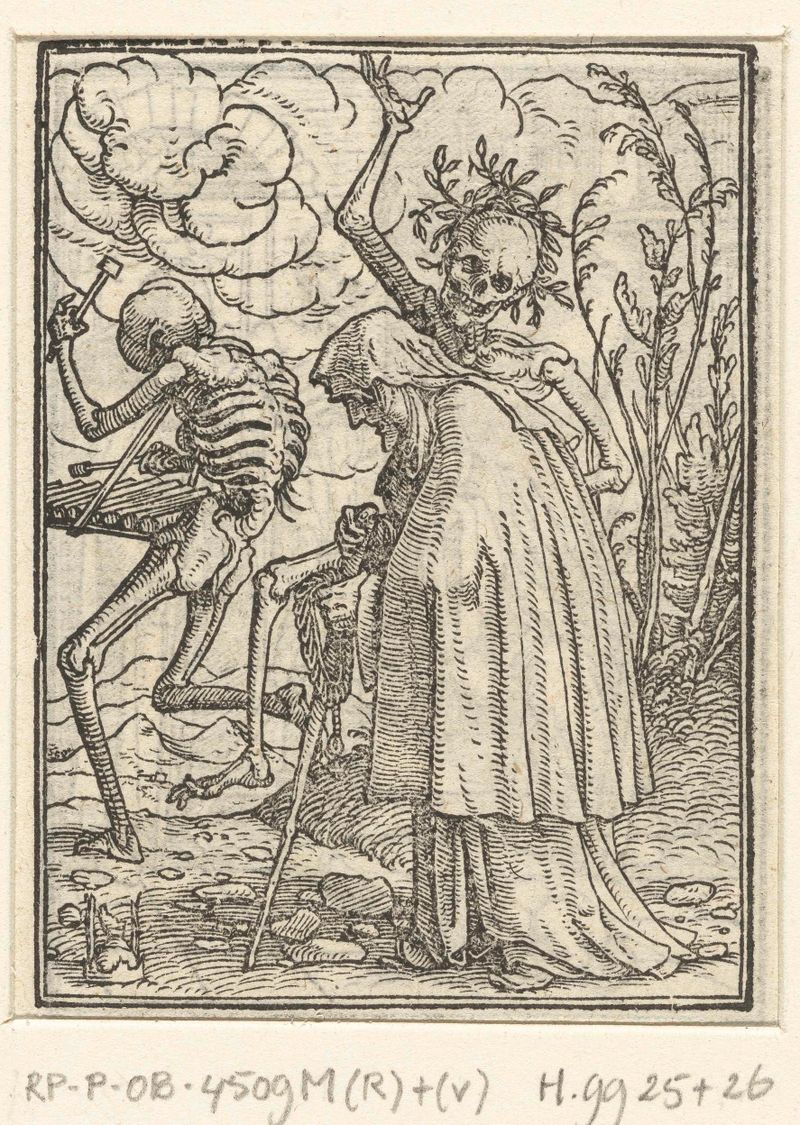
Oude vrouw en de Dood
Hans Holbein (II)
More Religious Art
Browse all →
The Return of the Prodigal Son
Rembrandt van Rijn

The Garden of Earthly Delights
El Bosco

Count Orgaz’ funeral
El Greco

The Hundred Guilder Print: the central piece with Christ preaching, the plate arched
Rembrandt van Rijn

The Descent from the Cross
Rogier van der Weyden

The return of the prodigal son
Rembrandt van Rijn