
Mozes ontvangt voorschriften voor de oogst en wijnoogst — History & Facts
In Mozes ontvangt voorschriften voor de oogst en wijnoogst, the fragility of human nature is encapsulated in the delicate interplay of divine instruction and earthly toil. The viewer is transported into a moment where the sacred meets the mundane, revealing the profound connection between faith and labor. Look to the left at the towering figure of Moses, his delicate features captured with meticulous detail, as he receives the commandments for harvest. The vibrant greens and golds of the surrounding landscape contrast with the deep blues and reds of his robes, emphasizing his significance against the backdrop of daily life.
Notice how the light subtly illuminates the scroll he holds, suggesting the weight of knowledge and responsibility bestowed upon him, as well as the intricate brushwork that creates a sense of depth and texture throughout the composition. The emotional tension in this piece lies in the juxtaposition between divine guidance and human vulnerability. Moses, as the mediator, symbolizes the fragility of our connection to the divine amidst the harshness of the earthly realm. The figures tending to the vines in the background seem almost dwarfed by the enormity of their task, hinting at the struggle between spiritual purpose and the demands of livelihood.
The carefully rendered details of their work reveal not just the toil but also an intimate bond with nature, mirroring the complexities of human existence. Hans Holbein (II) created this work in 1538 during a period of religious upheaval in Europe, marked by the Reformation's questioning of tradition and authority. Living in Basel, Holbein was deeply immersed in the dialogue between art and faith, producing works that reflected the changing landscape of religious thought. This painting stands as a testament to the artist’s engagement with the profound themes of his time, capturing a moment where the divine intersects with the all-too-human experience.
More Artworks by Hans Holbein (II)
Browse all →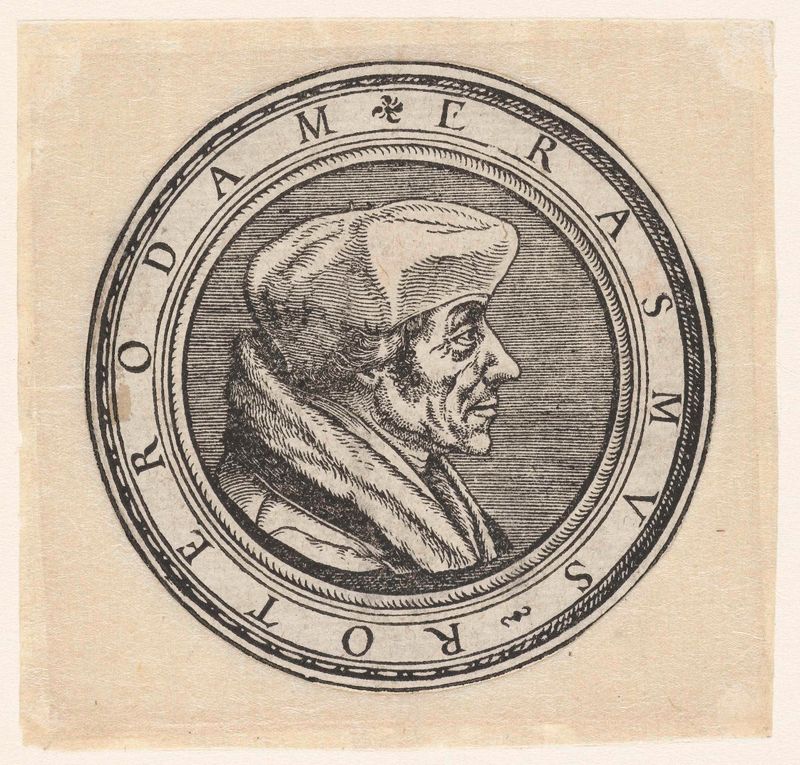
Portret van Erasmus
Hans Holbein (II)
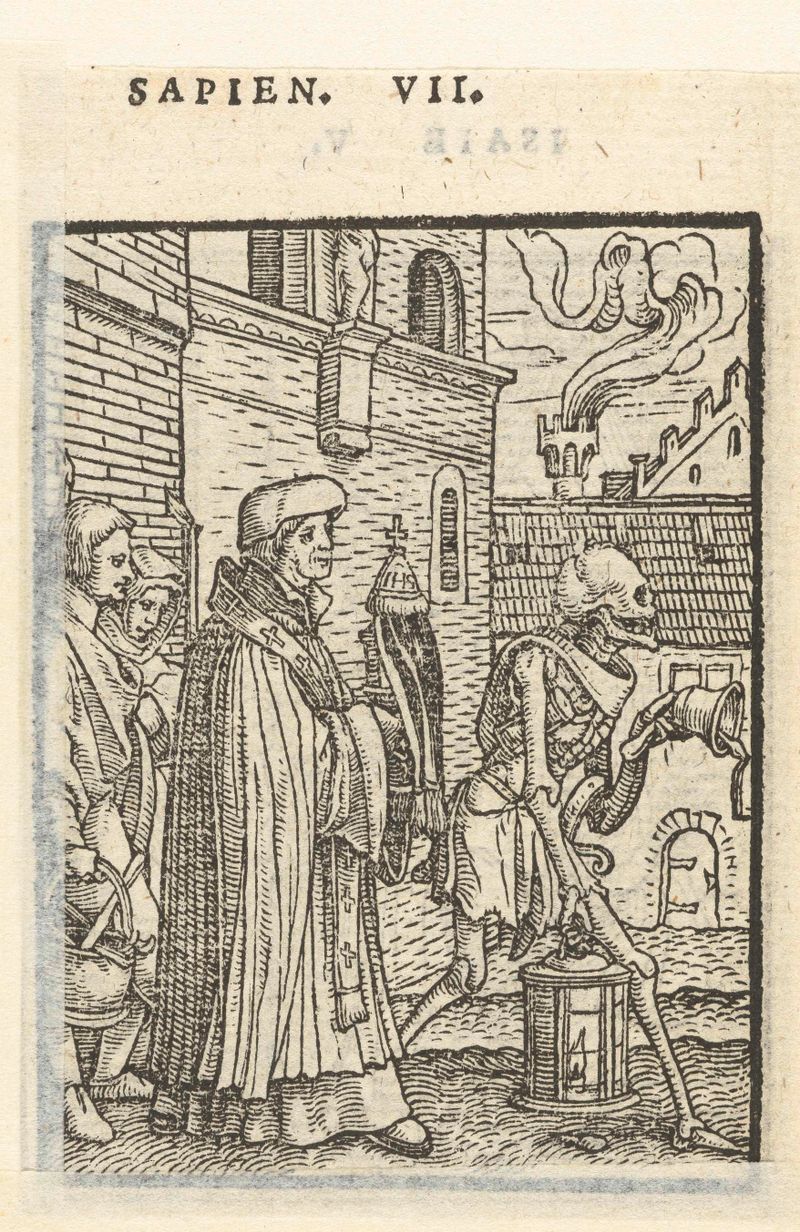
Priester en de Dood
Hans Holbein (II)
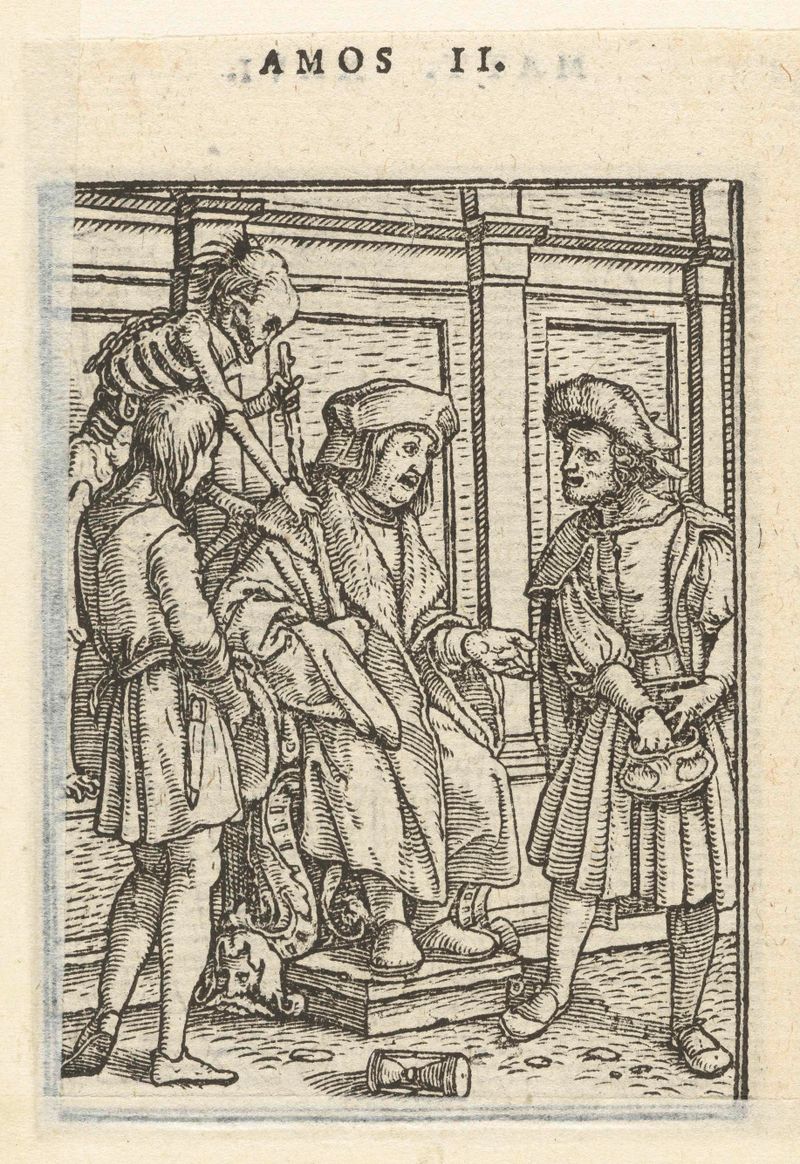
Rechter en de Dood
Hans Holbein (II)
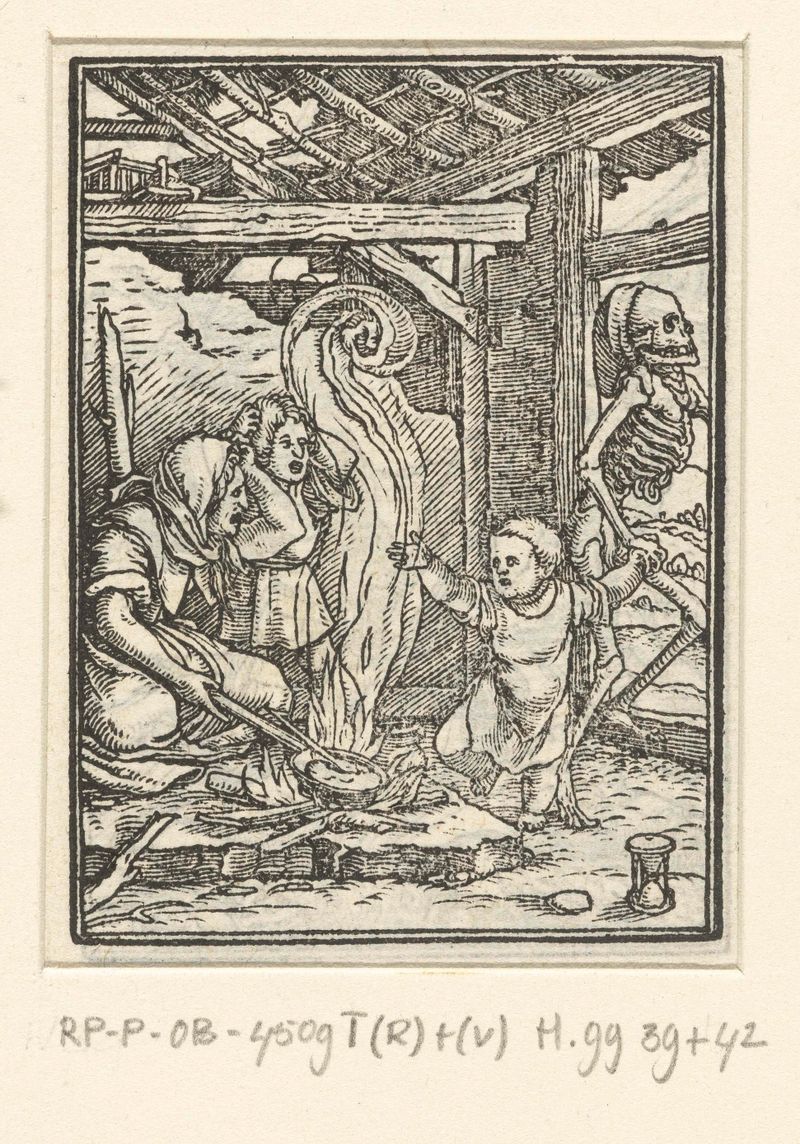
Kind en de Dood
Hans Holbein (II)
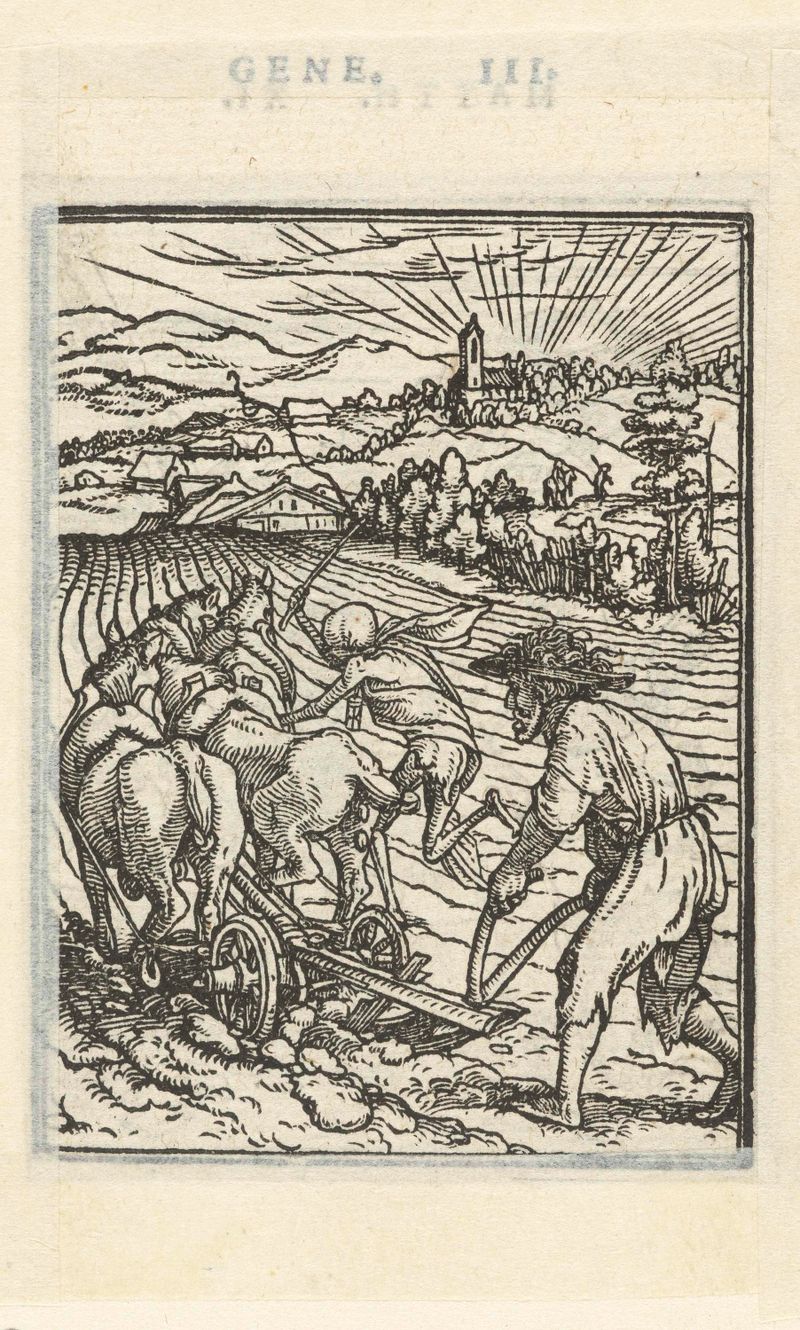
Boer en de Dood
Hans Holbein (II)
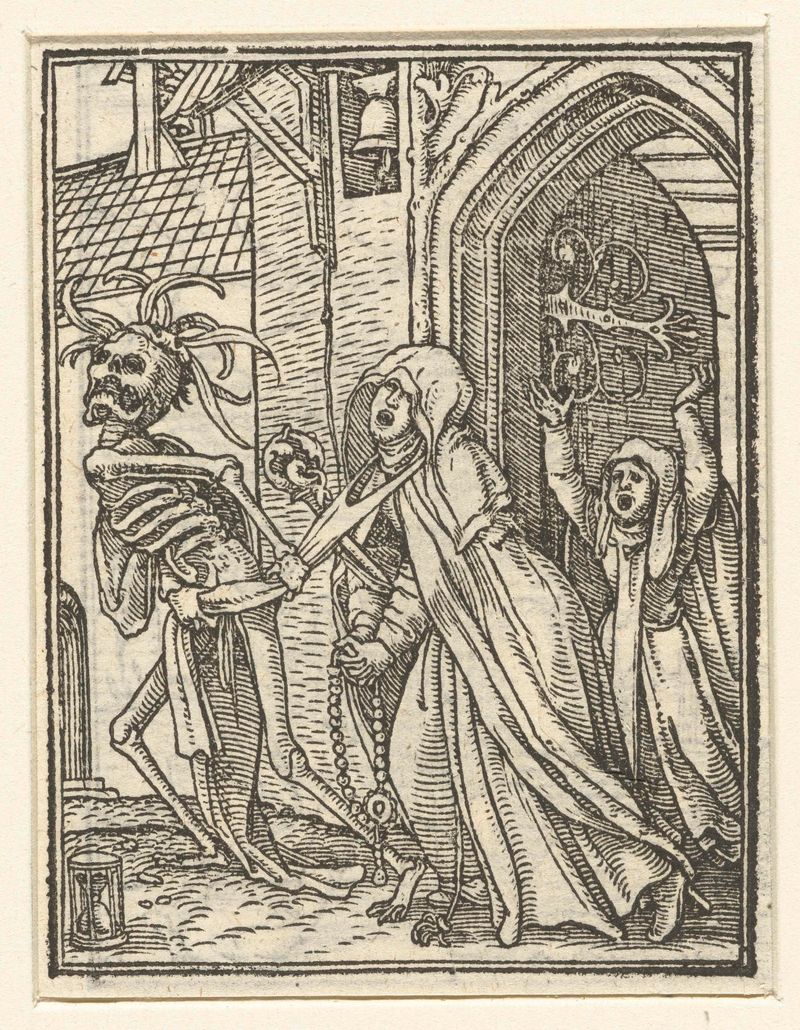
Abdis en de Dood
Hans Holbein (II)
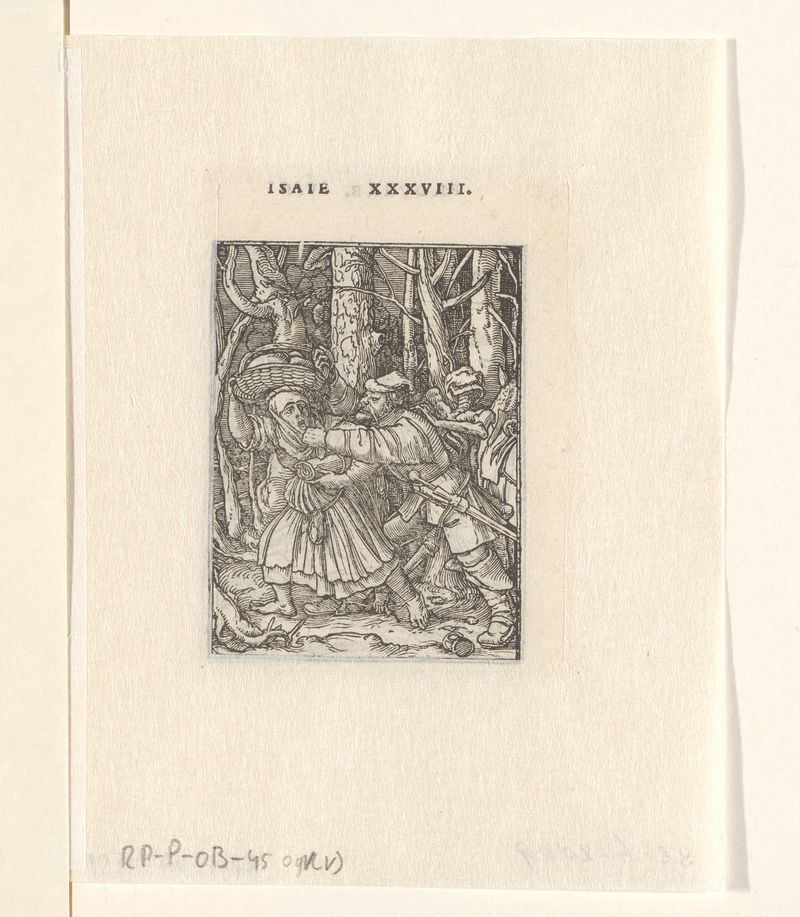
Dief en de Dood
Hans Holbein (II)
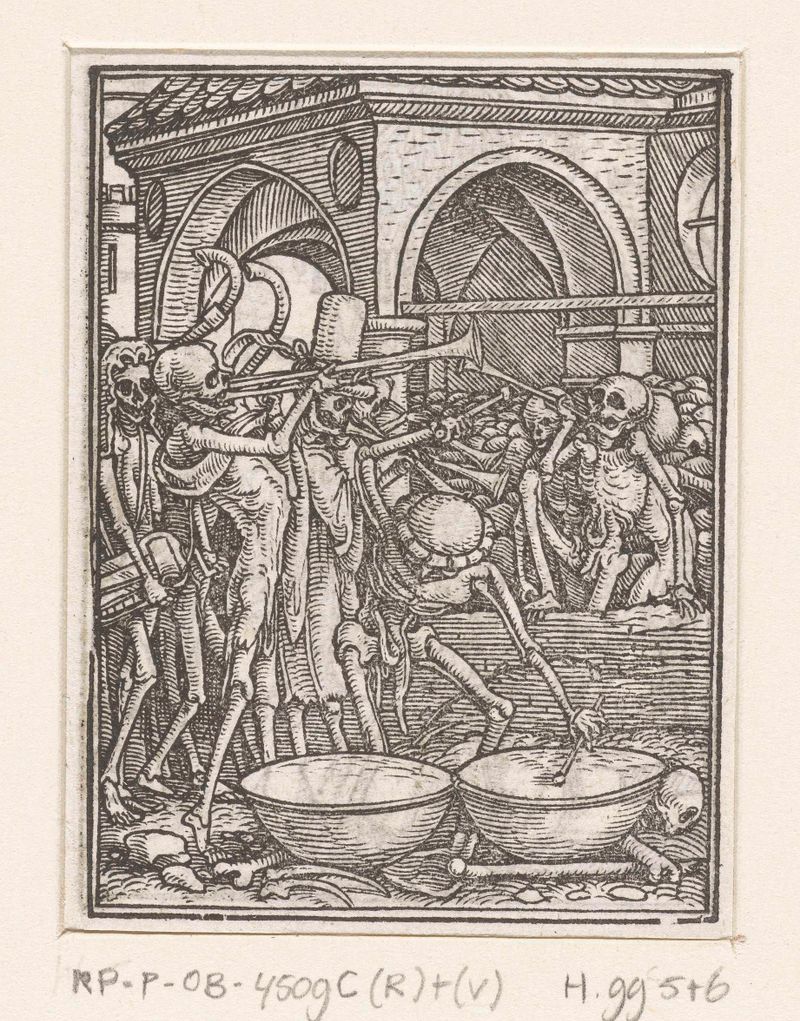
Skeletons Making Music from Dance of the Dead
Hans Holbein (II)
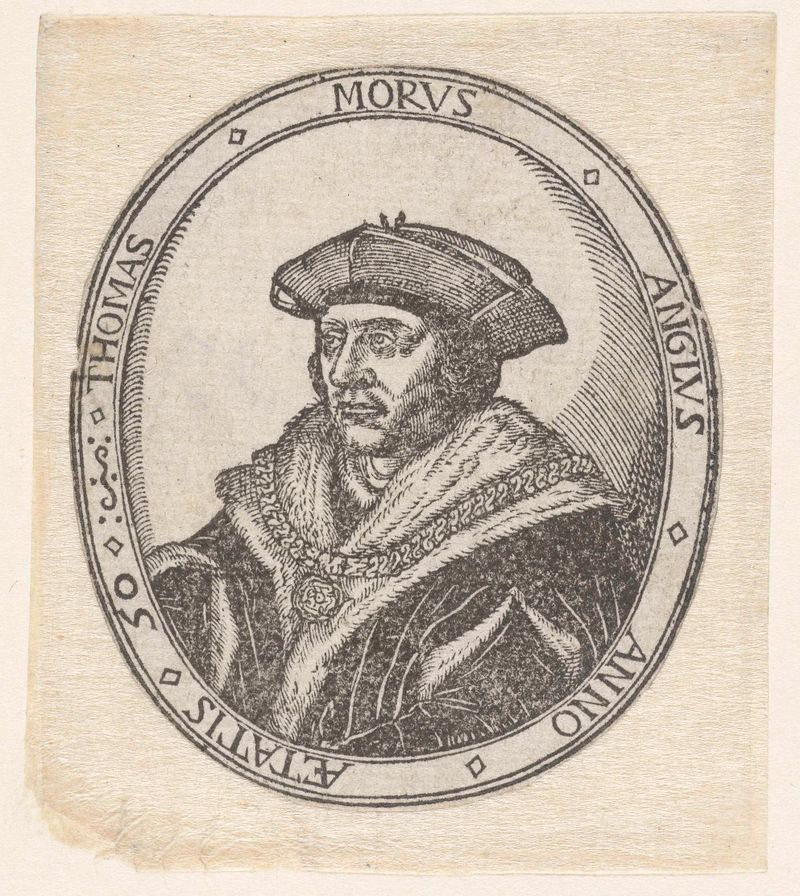
Portret van Thomas More
Hans Holbein (II)
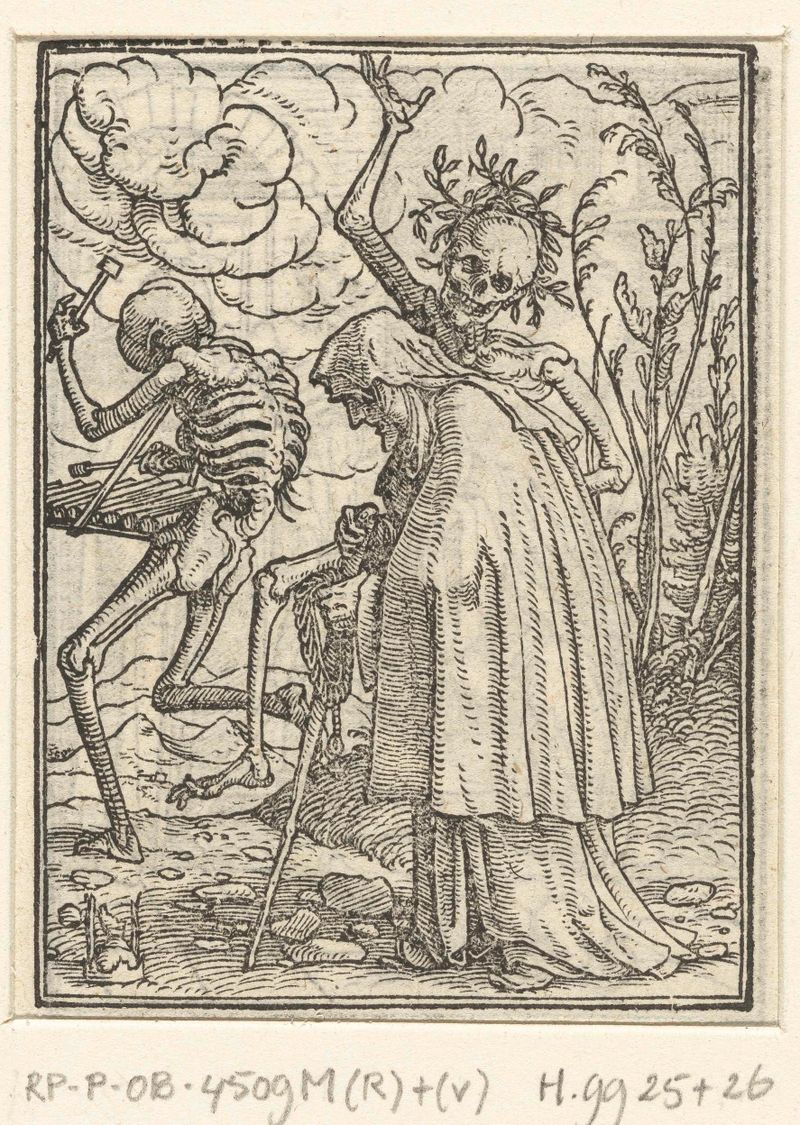
Oude vrouw en de Dood
Hans Holbein (II)
More Religious Art
Browse all →
The Return of the Prodigal Son
Rembrandt van Rijn

The Garden of Earthly Delights
El Bosco

Count Orgaz’ funeral
El Greco

The Hundred Guilder Print: the central piece with Christ preaching, the plate arched
Rembrandt van Rijn

The Descent from the Cross
Rogier van der Weyden

The return of the prodigal son
Rembrandt van Rijn