
Mozes ontvangt voorschriften voor de priesterwijding — History & Facts
Could beauty survive in a century of chaos? In this moment, Hans Holbein (II) captures the solemn intersection of divine mandate and human frailty, where sacred rites cling to the precarious edges of a turbulent world. Look to the center where Moses stands, his figure accentuated by the soft, golden light that bathes the parchment he holds. Notice how Holbein’s meticulous detail draws your gaze to the rich textures of the drapery, expertly rendered in somber hues of deep greens and browns. The surrounding figures, arrayed in a tableau of reverence and authority, amplify the weight of the moment; their expressions reflect both awe and apprehension, framing the profound significance of the scene. Delve deeper into the contrasts of power and vulnerability woven throughout the composition.
The juxtaposition of Moses’ commanding stature against the hesitant crowd suggests a tension between divine purpose and the potential for violence lurking in the shadows of their reality. Each figure, while devoted, seems to carry the subtle burden of uncertainty, hinting at the frail line between faith and fanaticism. Holbein’s brushwork transforms the parchment into a beacon of hope, but the surrounding figures remind us of the chaos that could easily engulf such revelation. In 1538, Holbein was entrenched in the tumult of the Reformation, a period fraught with religious upheaval and political intrigue.
Working in England under the patronage of King Henry VIII, he sought to navigate this complex landscape through his art. The artist’s ability to encapsulate profound spiritual moments against a backdrop of societal unrest marked his legacy, as he grappled with the intersections of faith, authority, and humanity in his work.
More Artworks by Hans Holbein (II)
Browse all →
Portret van Erasmus
Hans Holbein (II)
Priester en de Dood
Hans Holbein (II)
Rechter en de Dood
Hans Holbein (II)
Kind en de Dood
Hans Holbein (II)
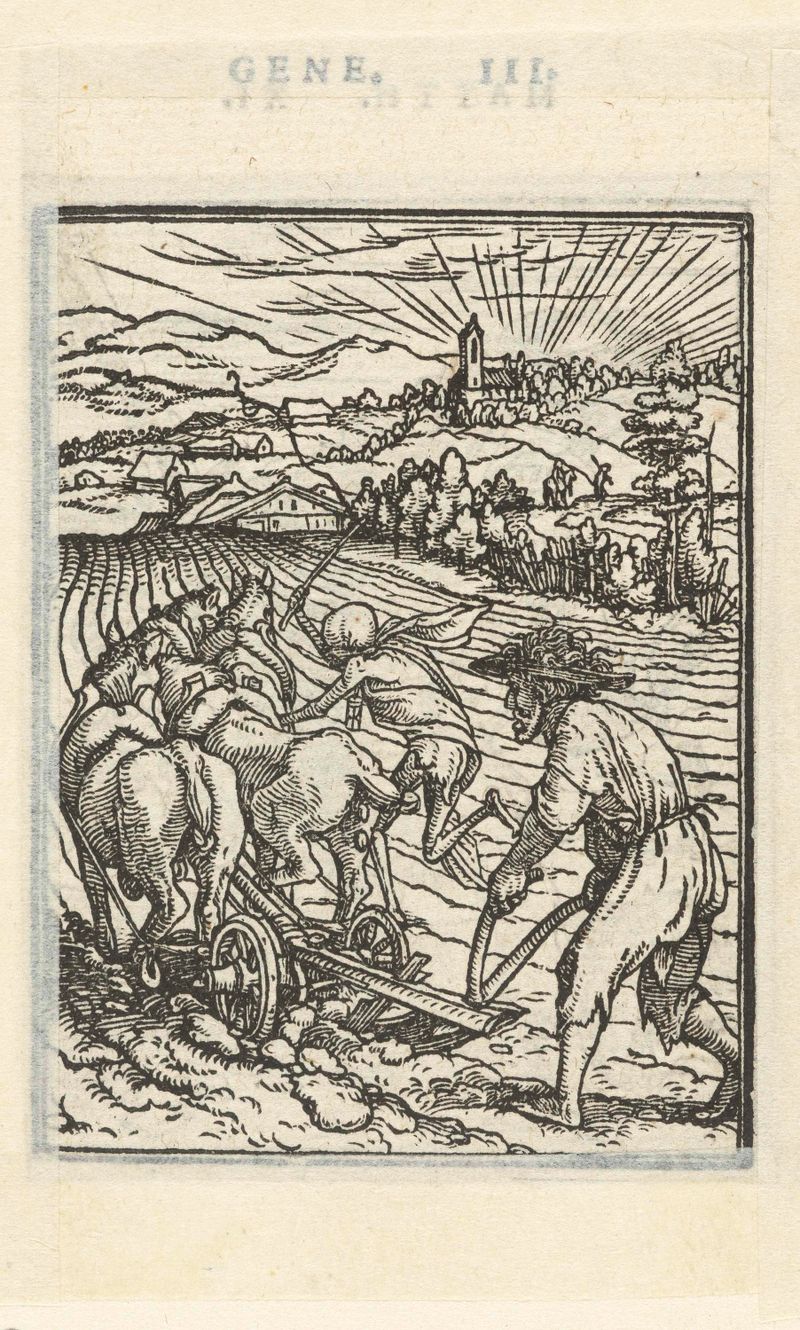
Boer en de Dood
Hans Holbein (II)
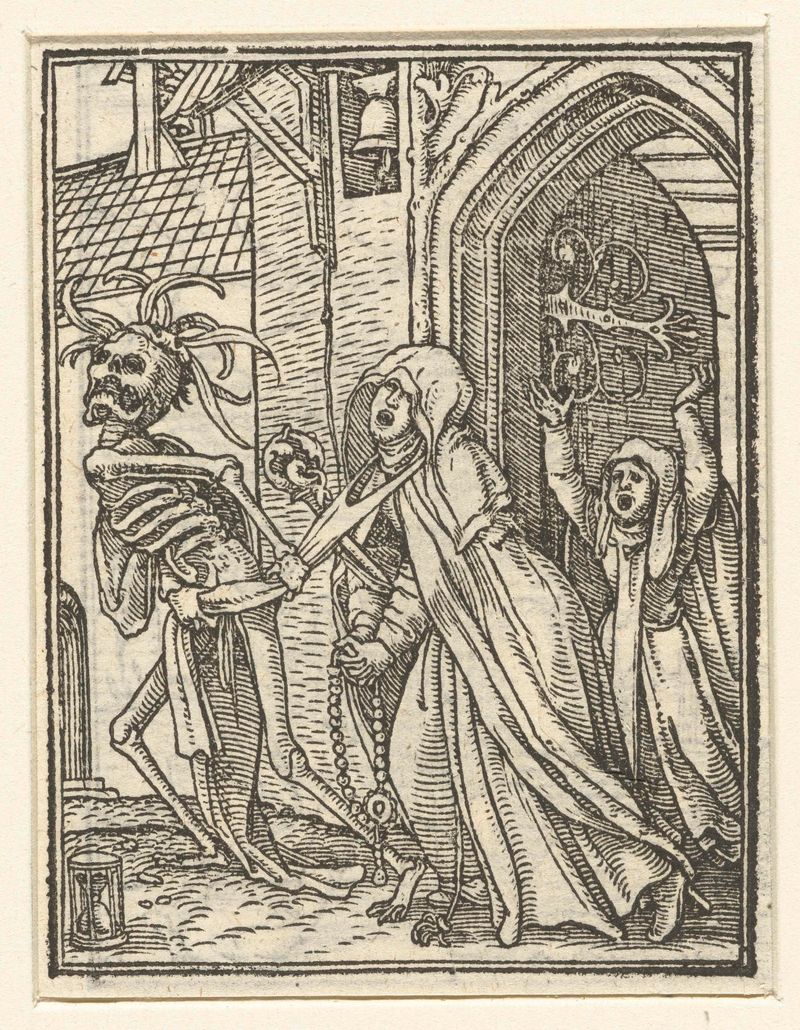
Abdis en de Dood
Hans Holbein (II)
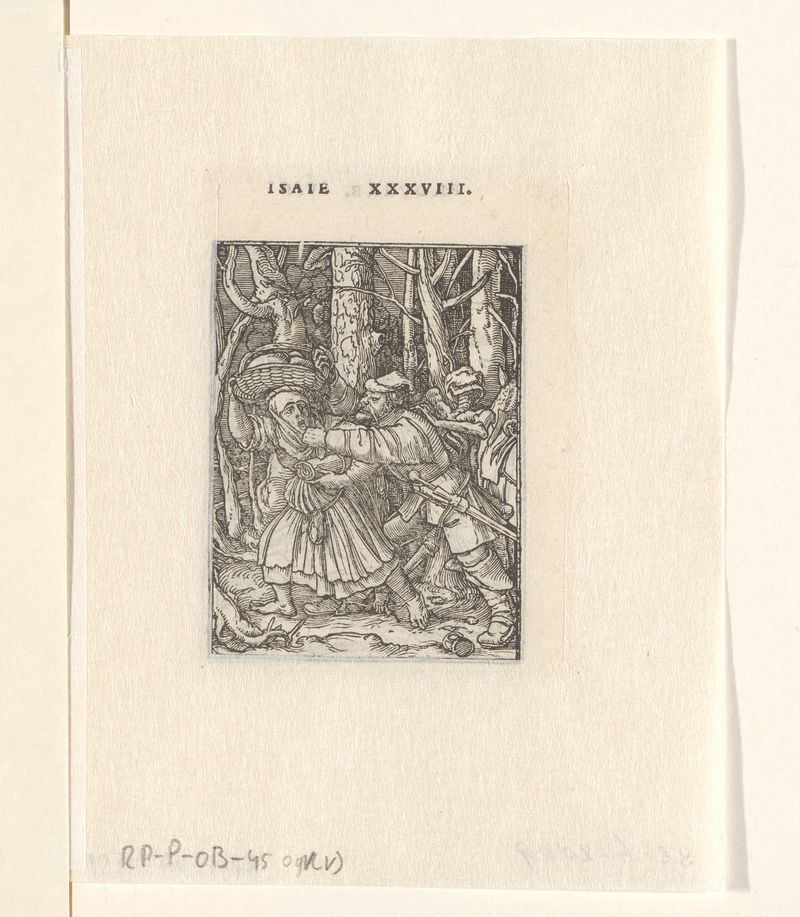
Dief en de Dood
Hans Holbein (II)
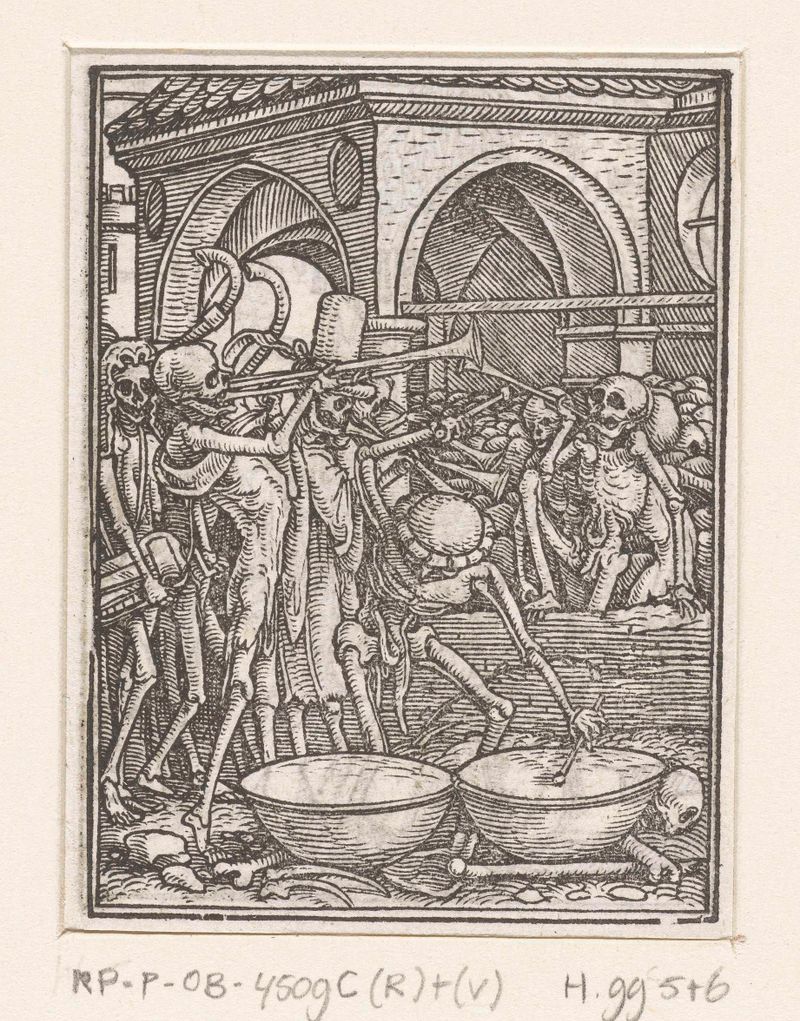
Skeletons Making Music from Dance of the Dead
Hans Holbein (II)
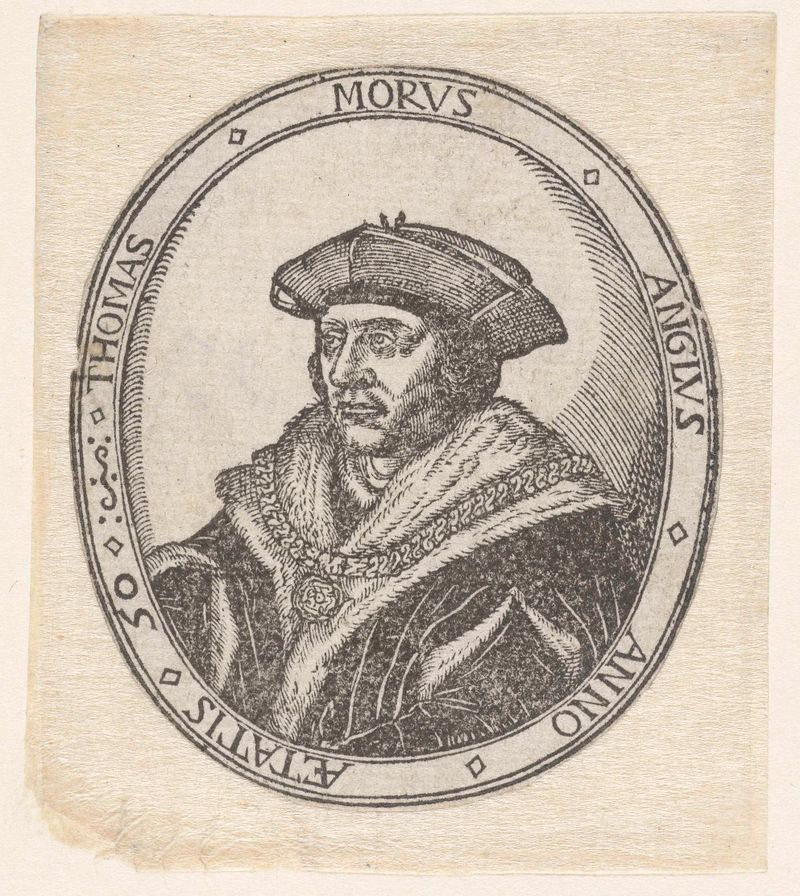
Portret van Thomas More
Hans Holbein (II)
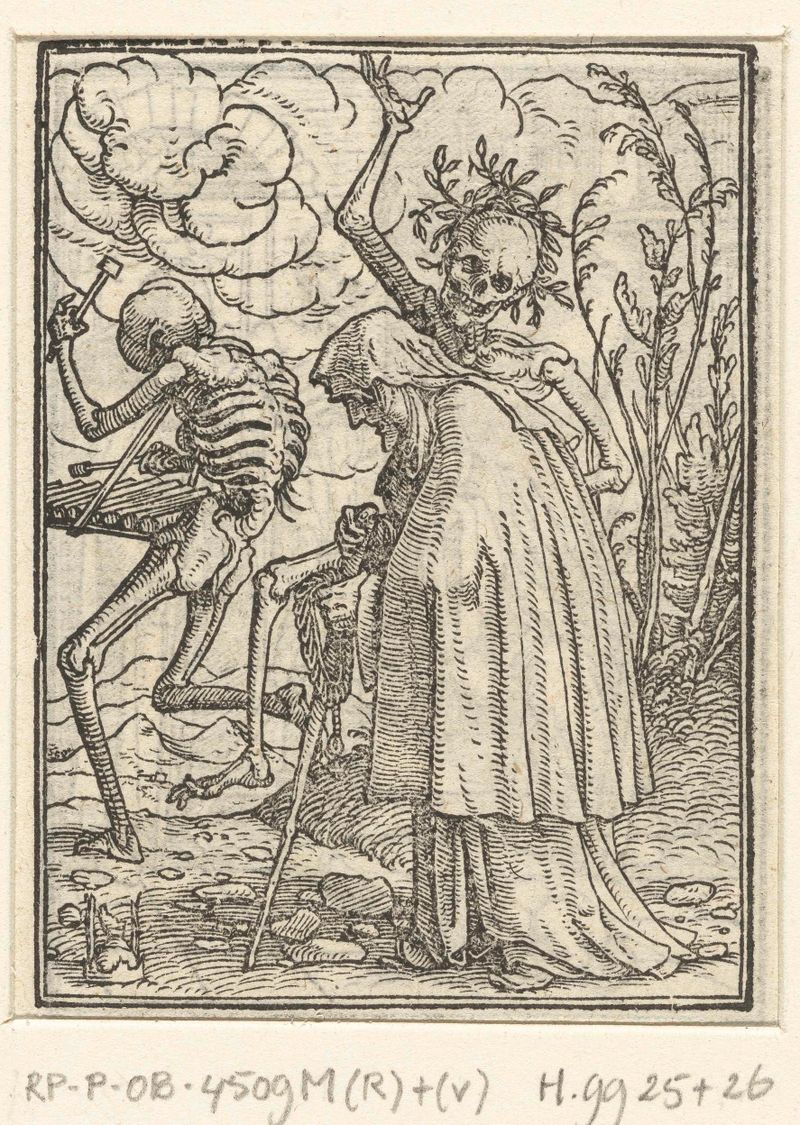
Oude vrouw en de Dood
Hans Holbein (II)
More Religious Art
Browse all →
The Return of the Prodigal Son
Rembrandt van Rijn

The Garden of Earthly Delights
El Bosco

Count Orgaz’ funeral
El Greco

The Hundred Guilder Print: the central piece with Christ preaching, the plate arched
Rembrandt van Rijn

The Descent from the Cross
Rogier van der Weyden

The return of the prodigal son
Rembrandt van Rijn