
Mozes op de berg Sinai — History & Facts
What if silence could speak through light? In Mozes op de berg Sinai, Hans Holbein (II) captures a moment brimming with yearning, where divine revelation and human anticipation collide. Focus on the imposing figure of Moses at the center, his arm raised in an urgent gesture, as if he is about to receive the commandments. Notice how the light falls upon him, illuminating his face with a radiant glow that contrasts starkly with the shadowy mountains looming behind. The palette is both muted and vibrant, with earthy tones grounding the scene, while hints of blistering white and deep blue evoke the divine presence that hangs palpably in the air. Hidden within this grand spectacle are layers of emotional tension.
The stark contrast between the light on Moses and the surrounding darkness not only signifies the gravity of his task but also reflects the weight of his solitude. Each brushstroke captures the essence of anticipation and dread — a powerful reminder of the struggle between faith and doubt. The distant figures of the Israelites, casting anxious glances upwards, amplify the sense of collective longing for guidance and truth. Holbein painted this work in 1538, during a time when he was deeply engaged with the themes of the Reformation and the shifting landscape of religious belief.
Living in Basel, he was at the forefront of a movement that sought to redefine humanity’s relationship with the divine. This backdrop, of uncertainty and transformation, infuses Mozes op de berg Sinai with profound significance, marking it as more than just a biblical scene but a reflection of the human condition.
More Artworks by Hans Holbein (II)
Browse all →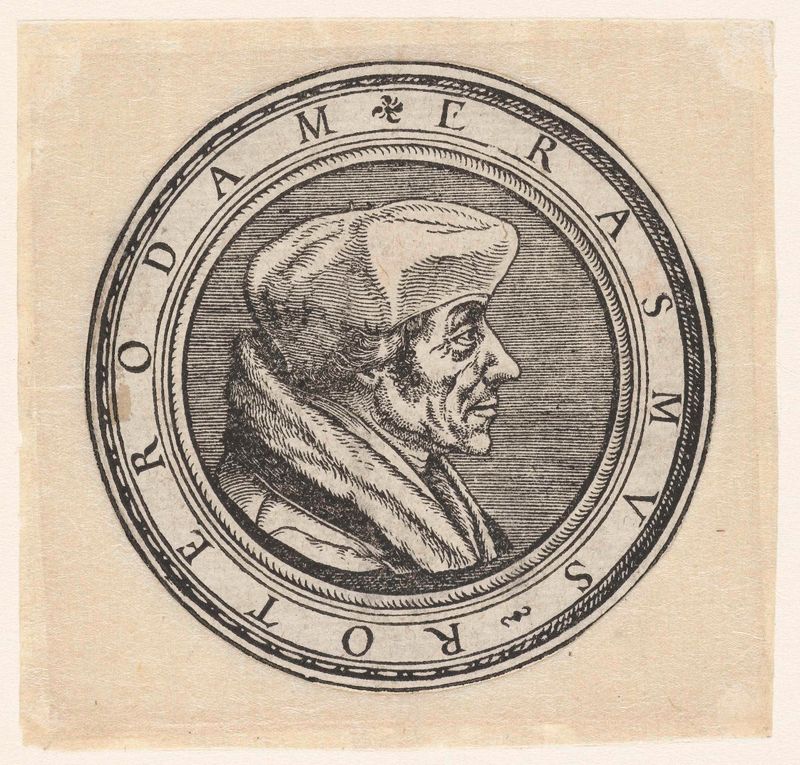
Portret van Erasmus
Hans Holbein (II)
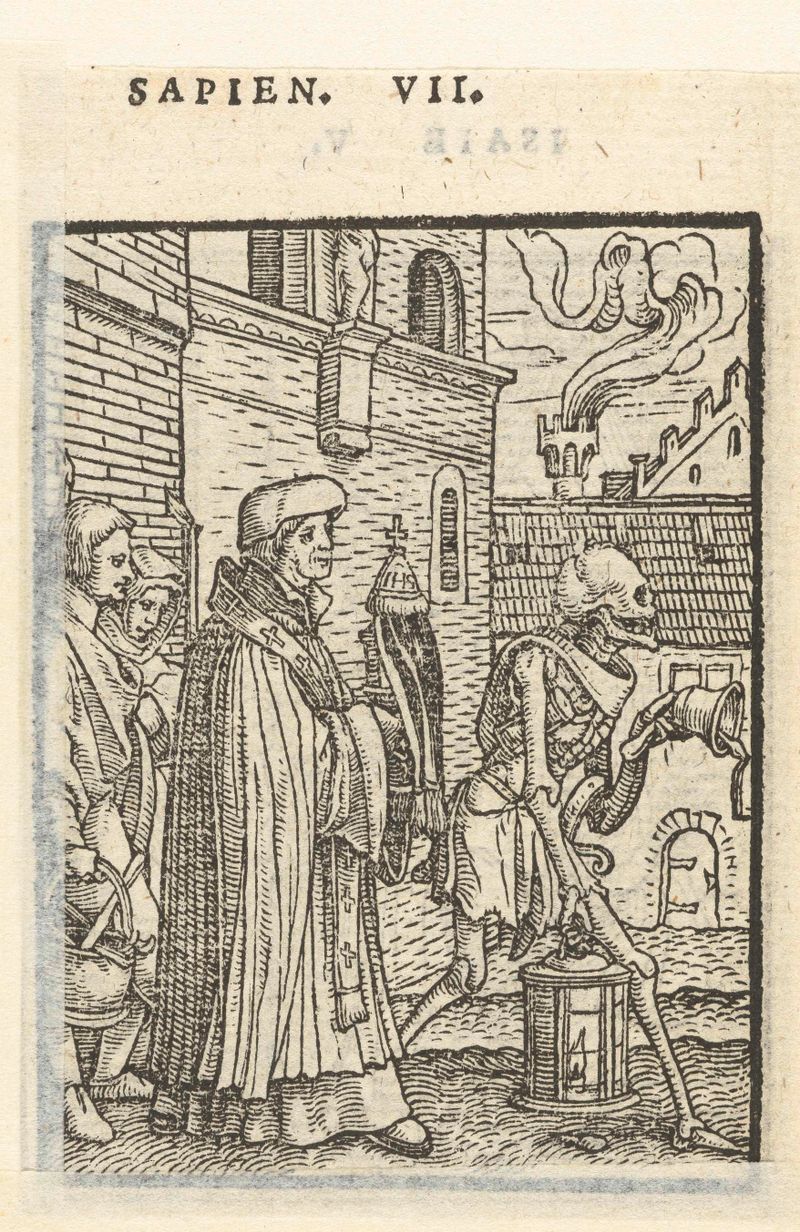
Priester en de Dood
Hans Holbein (II)
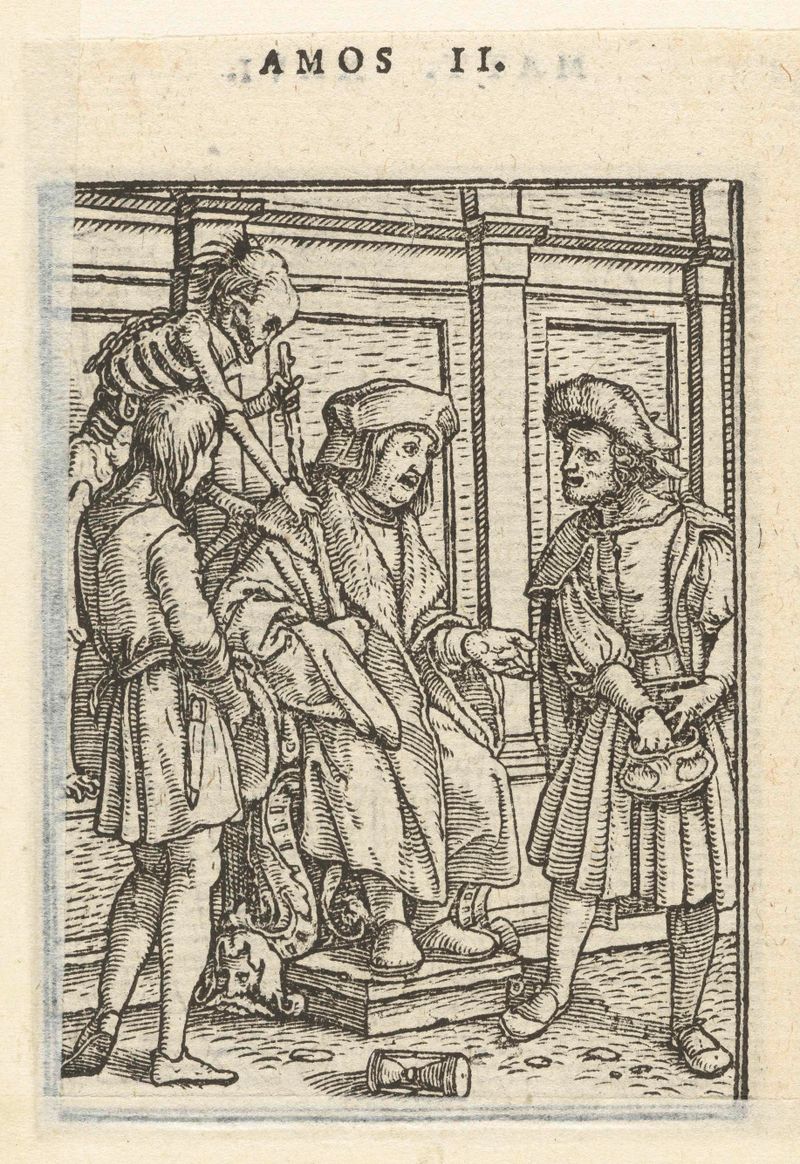
Rechter en de Dood
Hans Holbein (II)
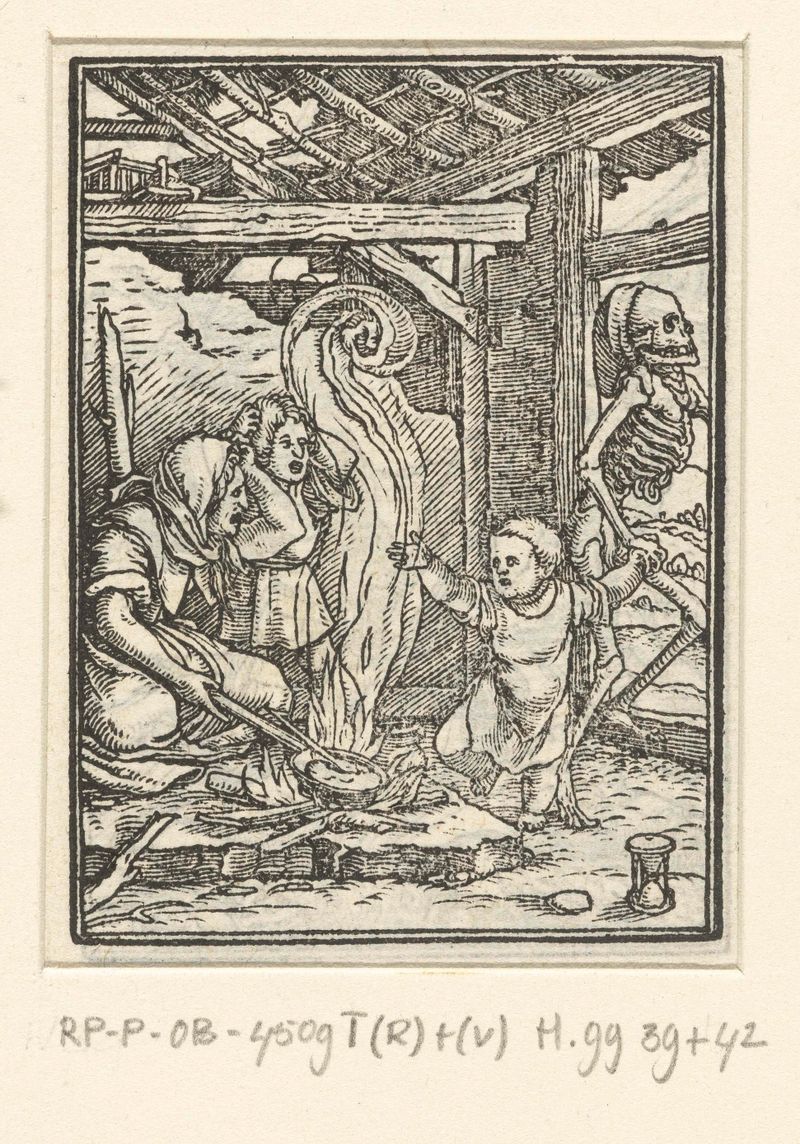
Kind en de Dood
Hans Holbein (II)
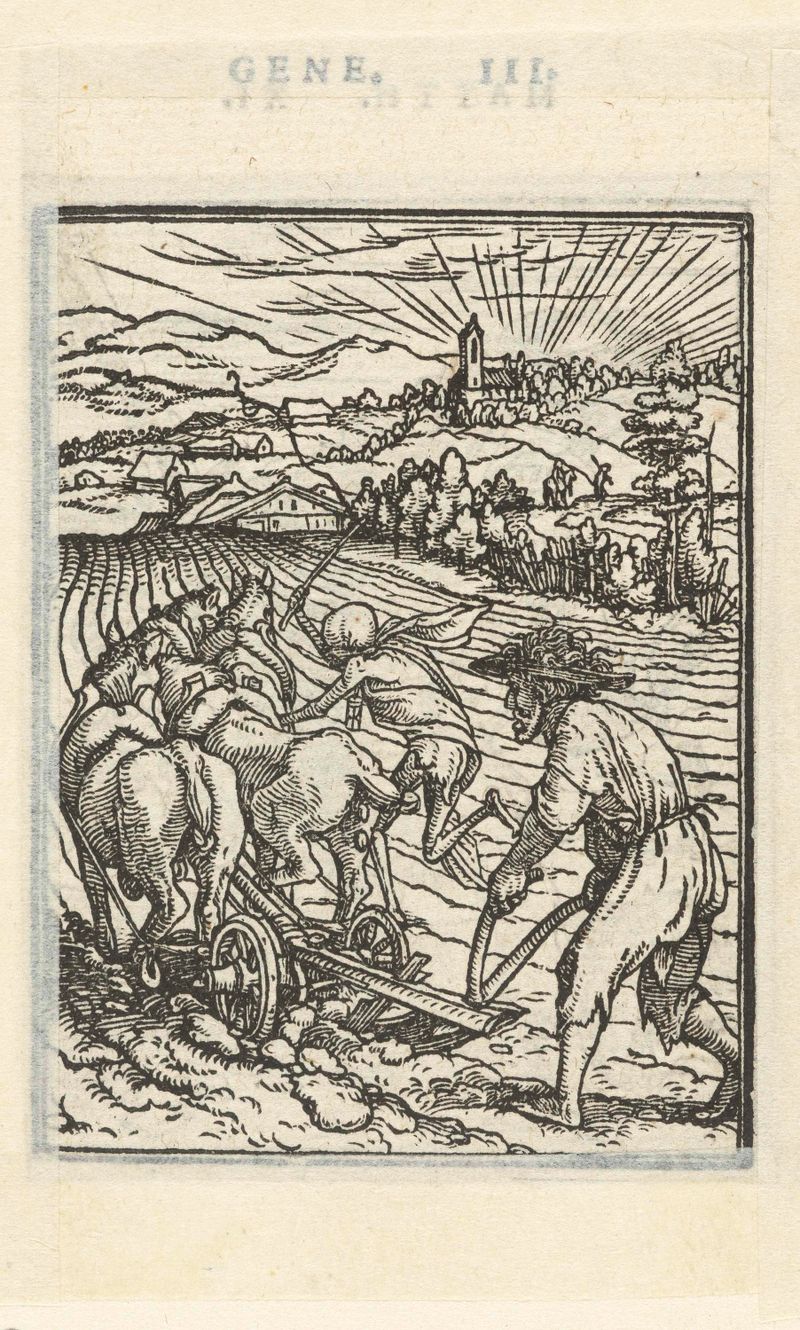
Boer en de Dood
Hans Holbein (II)
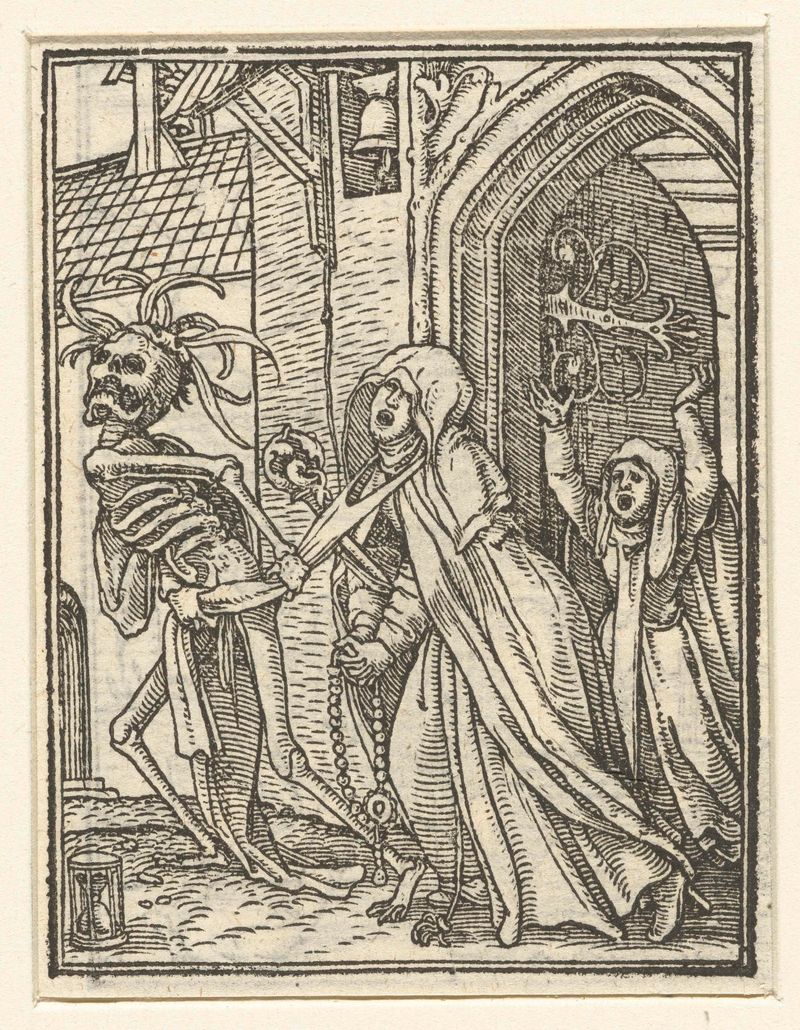
Abdis en de Dood
Hans Holbein (II)
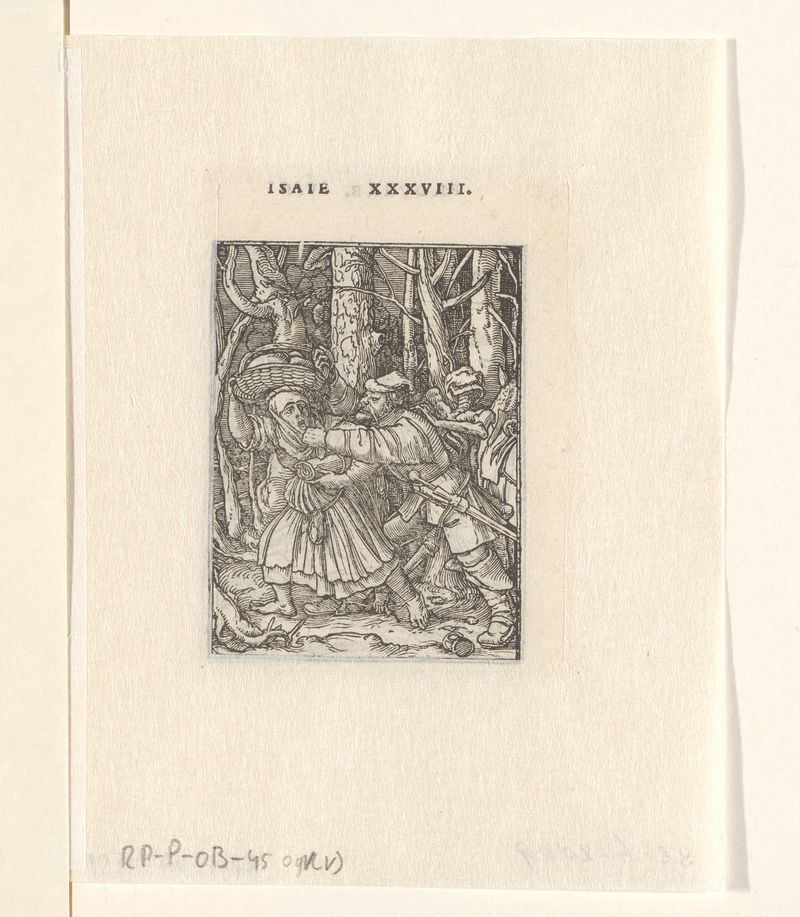
Dief en de Dood
Hans Holbein (II)
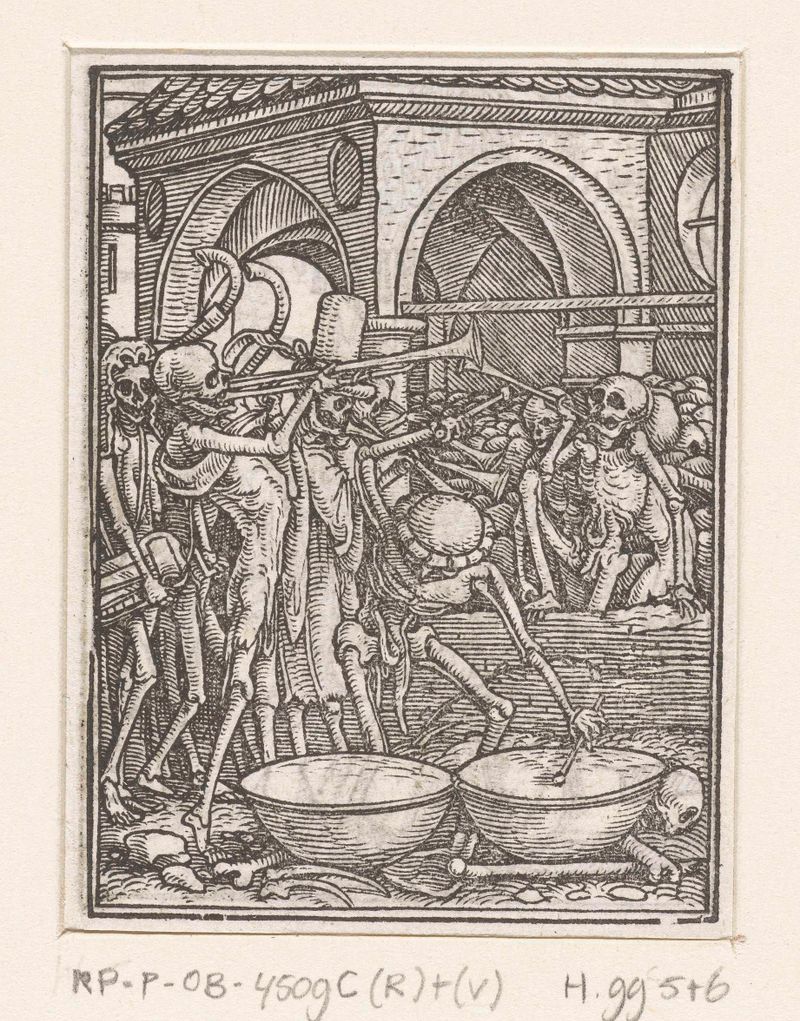
Skeletons Making Music from Dance of the Dead
Hans Holbein (II)
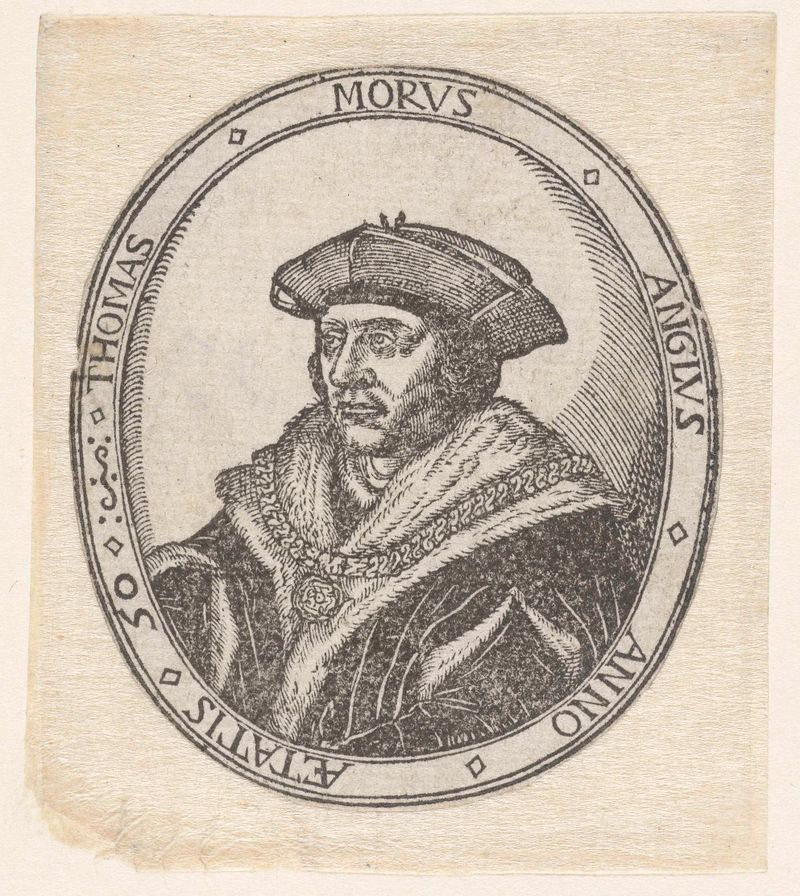
Portret van Thomas More
Hans Holbein (II)
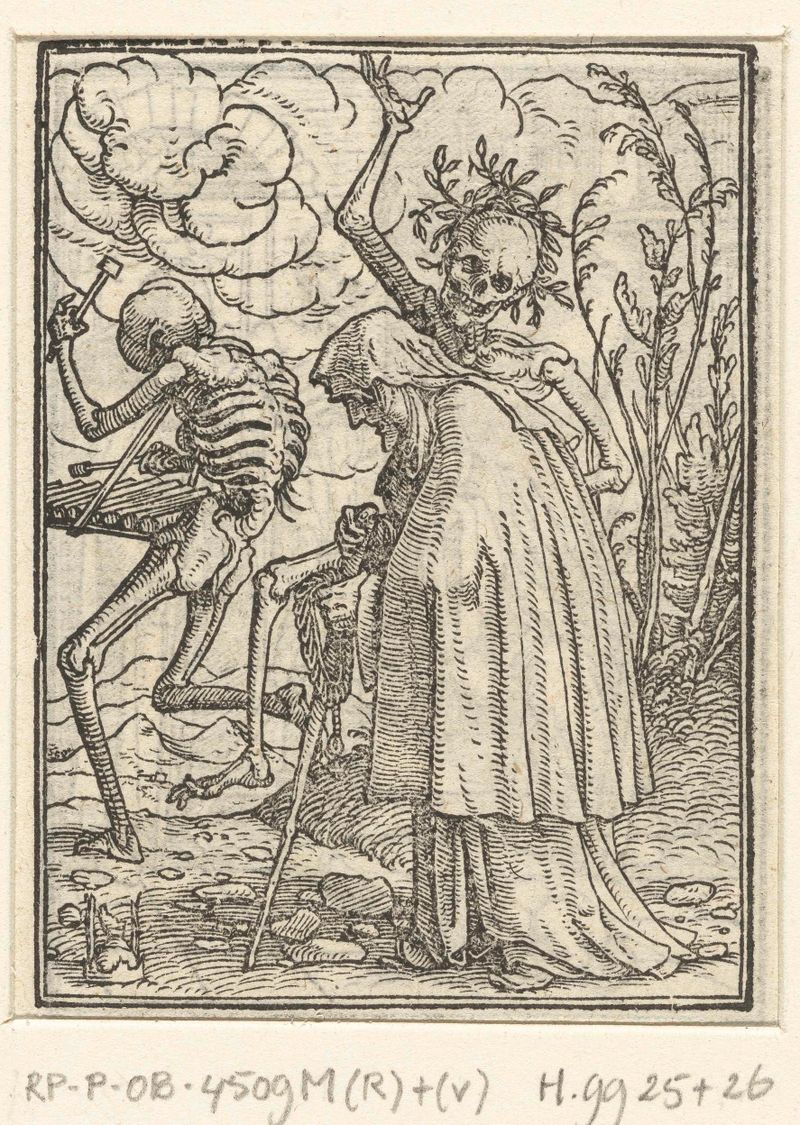
Oude vrouw en de Dood
Hans Holbein (II)
More Religious Art
Browse all →
The Return of the Prodigal Son
Rembrandt van Rijn

The Garden of Earthly Delights
El Bosco

Count Orgaz’ funeral
El Greco

The Hundred Guilder Print: the central piece with Christ preaching, the plate arched
Rembrandt van Rijn

The Descent from the Cross
Rogier van der Weyden

The return of the prodigal son
Rembrandt van Rijn