
Mozes toespraak tot het volk van Israël — History & Facts
What if silence could speak through light? In Mozes toespraak tot het volk van Israël, a profound stillness envelops the moment of revelation, as light bathes figures caught in a moment of collective anticipation. Look to the center of the composition, where Moses stands, his pose both commanding and inviting. The play of chiaroscuro accentuates the folds of his draping robes, rich in deep blues and reds, contrasting against the pale, expectant faces of the crowd. Notice how the ethereal illumination highlights the sacred scroll in his hand, symbolizing the weight of his message.
Each figure, though distinct, is united in a shared gaze, drawing the eye to the focal point of their devotion. The tension between the weight of prophecy and the vulnerability of the human experience is palpable. The gestures of the onlookers—some reaching out, others bowing their heads—depict a spectrum of faith and fear. Holbein ingeniously captures the interplay of hope and despair through the careful arrangement of figures, suggesting that revelation is not merely received but deeply felt.
The subtle differences in the expressions add a layer of emotional complexity, inviting the viewer to ponder the implications of Moses' words. Created in 1538, during a time of religious upheaval and reformation, the artist was working in Basel, Switzerland. Holbein was known for his meticulous detail and ability to convey psychological depth, aligning his style with the evolving humanist ideals of the Renaissance. The atmosphere of religious conflict surrounding him likely influenced his rendering of this moment, as he sought to capture the essence of faith and communal identity amidst a rapidly changing world.
More Artworks by Hans Holbein (II)
Browse all →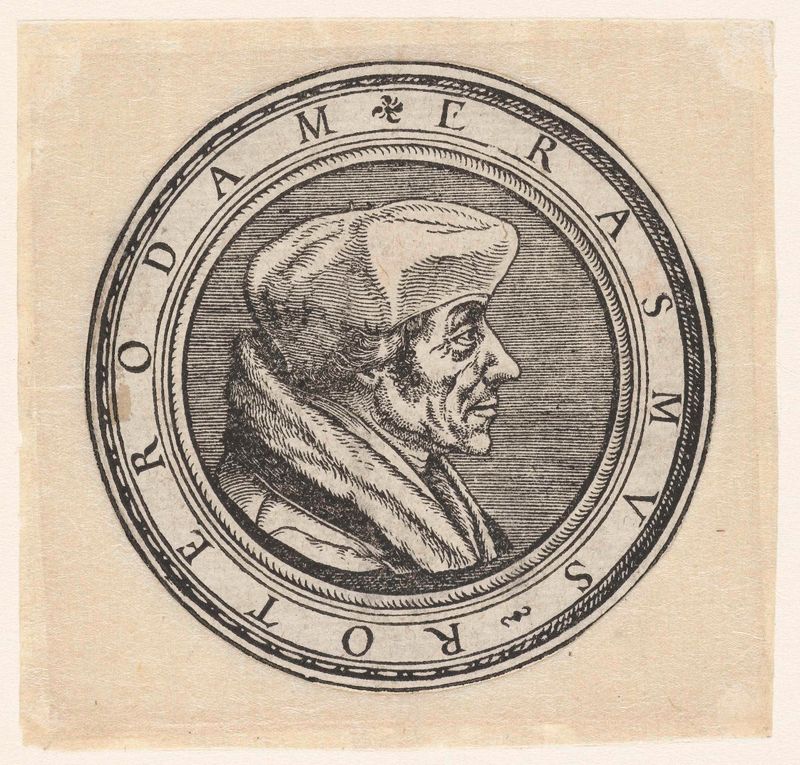
Portret van Erasmus
Hans Holbein (II)
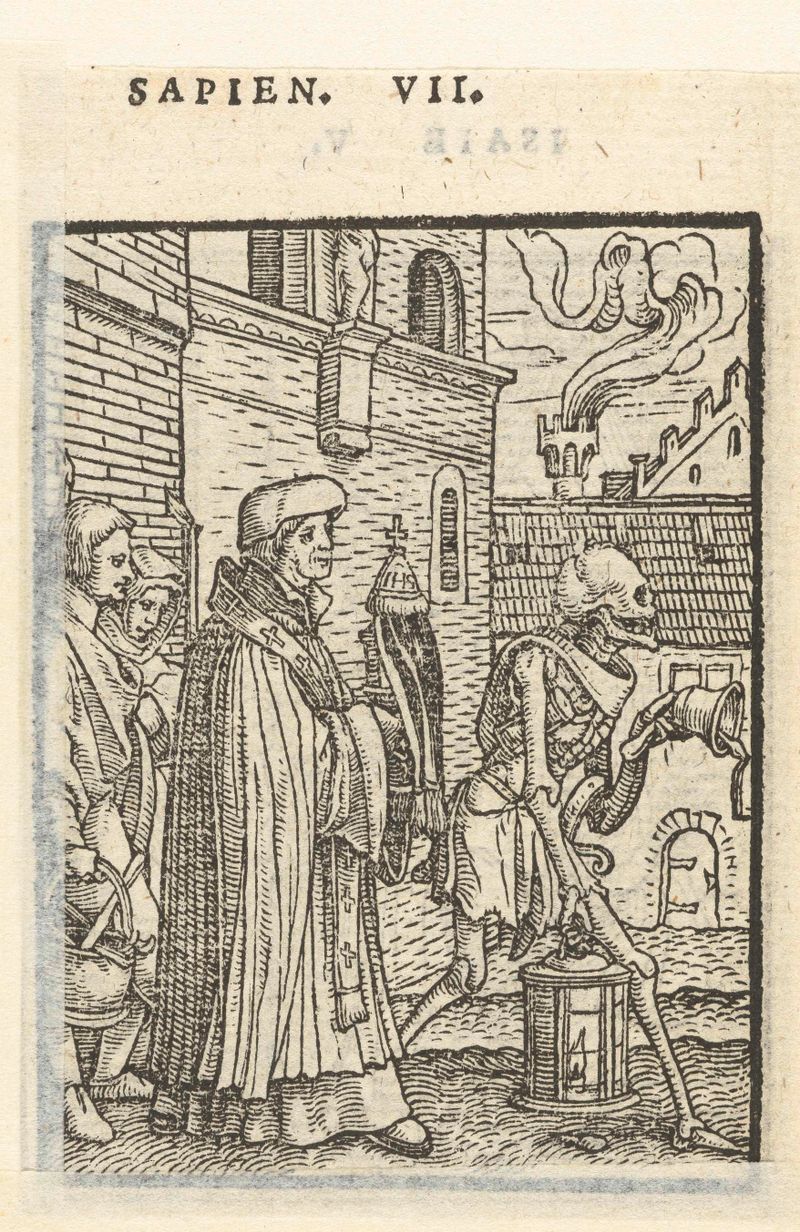
Priester en de Dood
Hans Holbein (II)
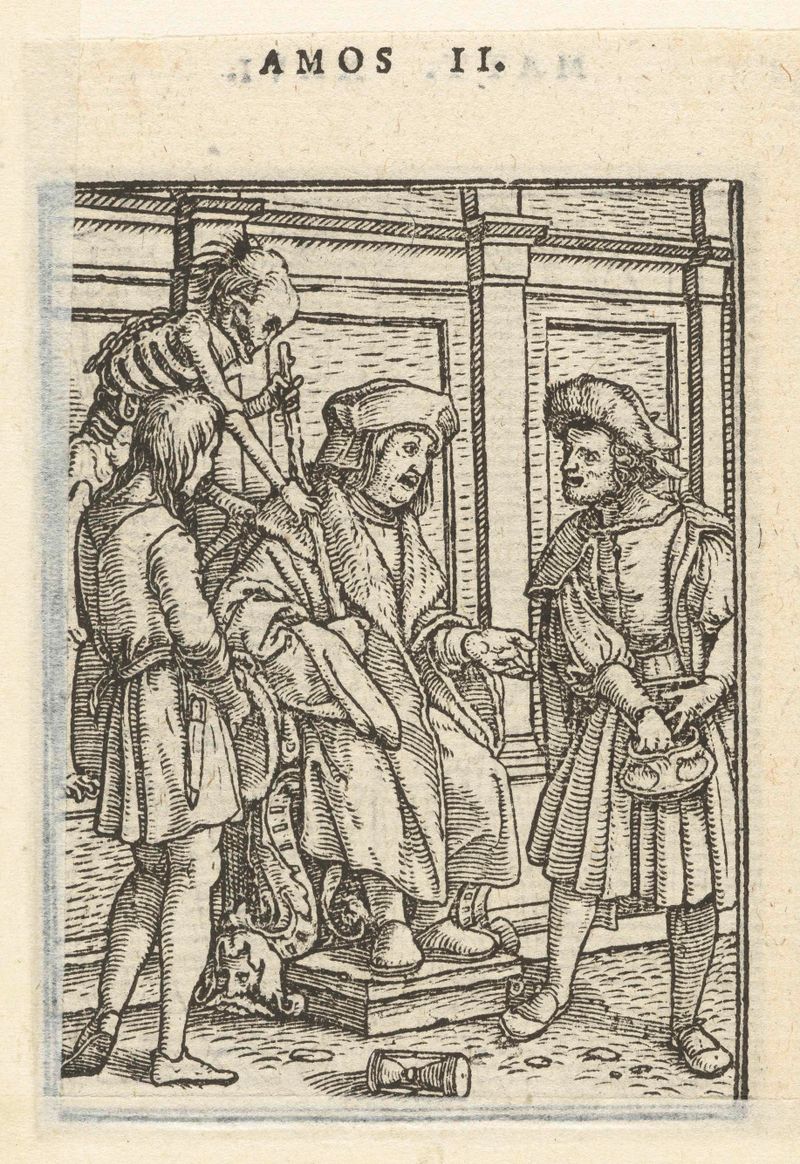
Rechter en de Dood
Hans Holbein (II)
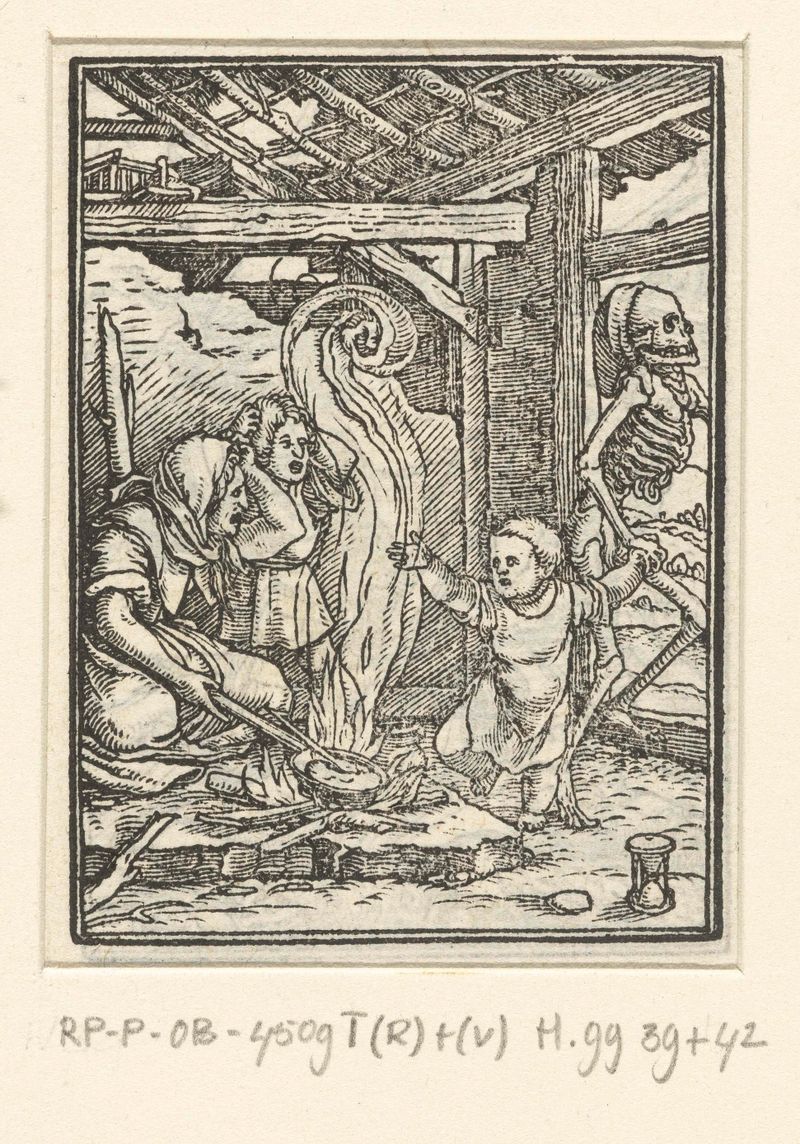
Kind en de Dood
Hans Holbein (II)
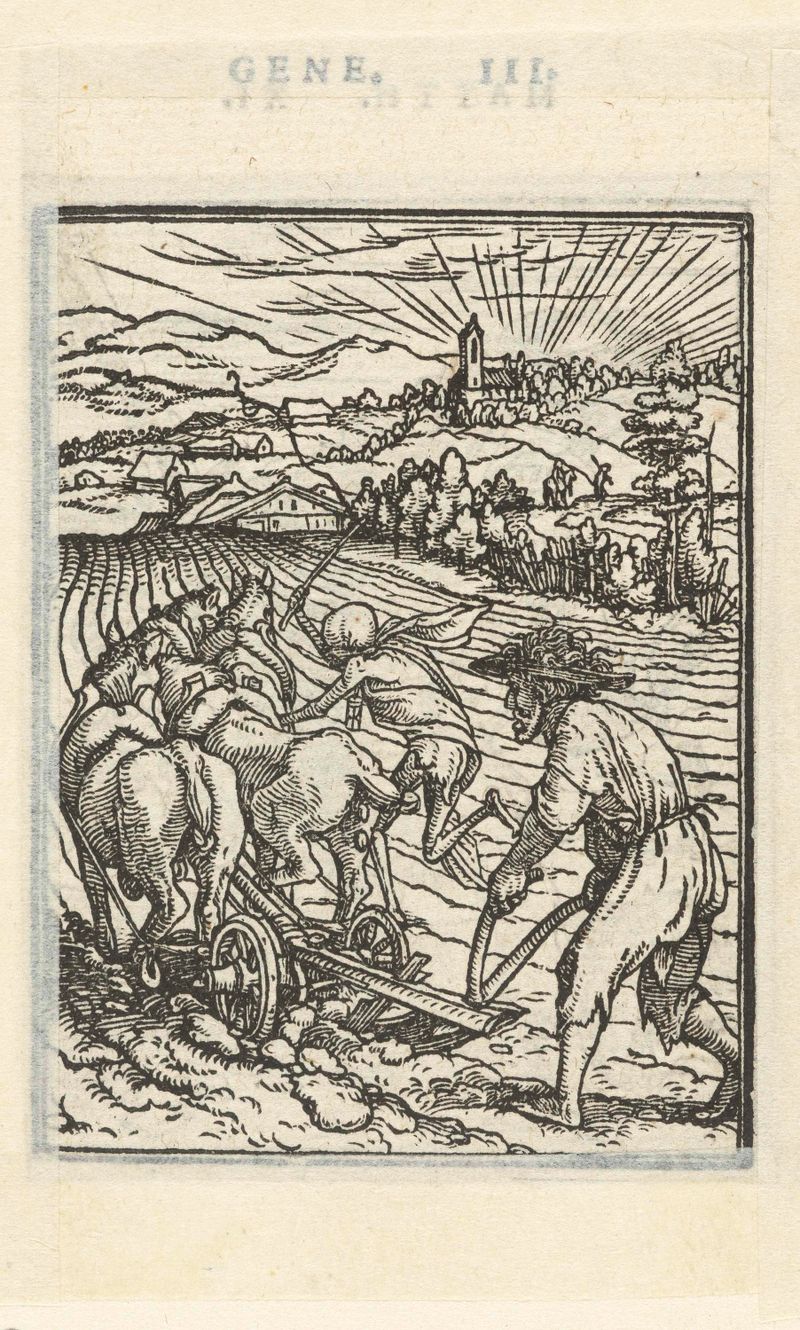
Boer en de Dood
Hans Holbein (II)
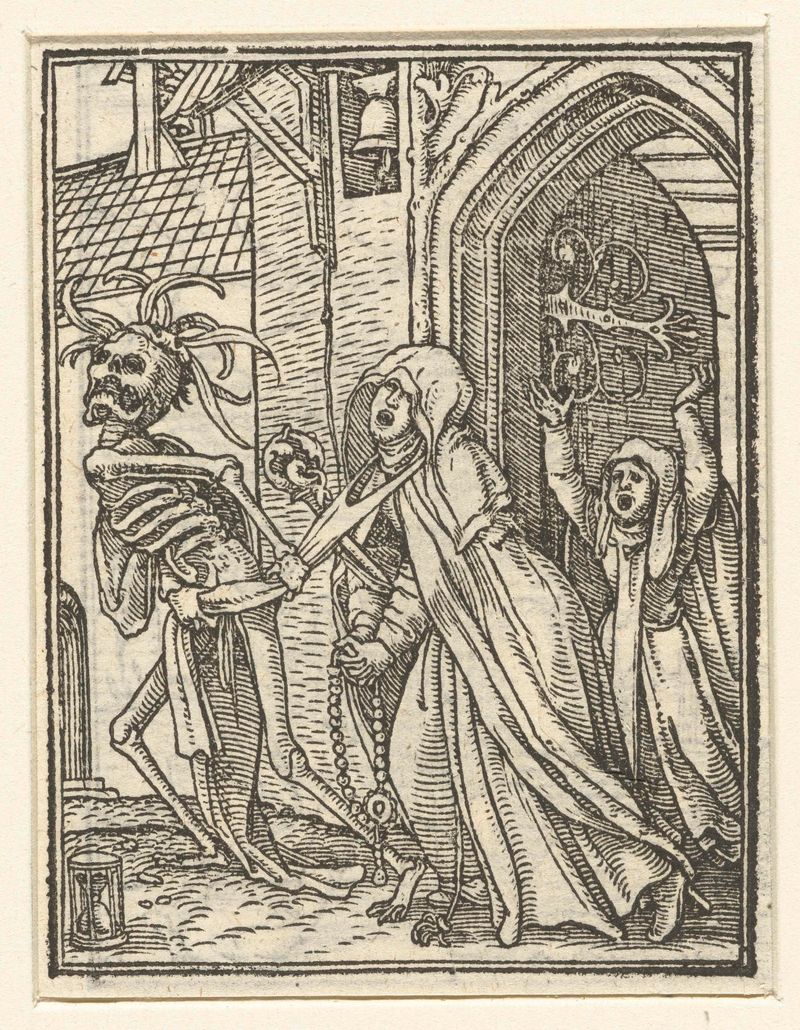
Abdis en de Dood
Hans Holbein (II)
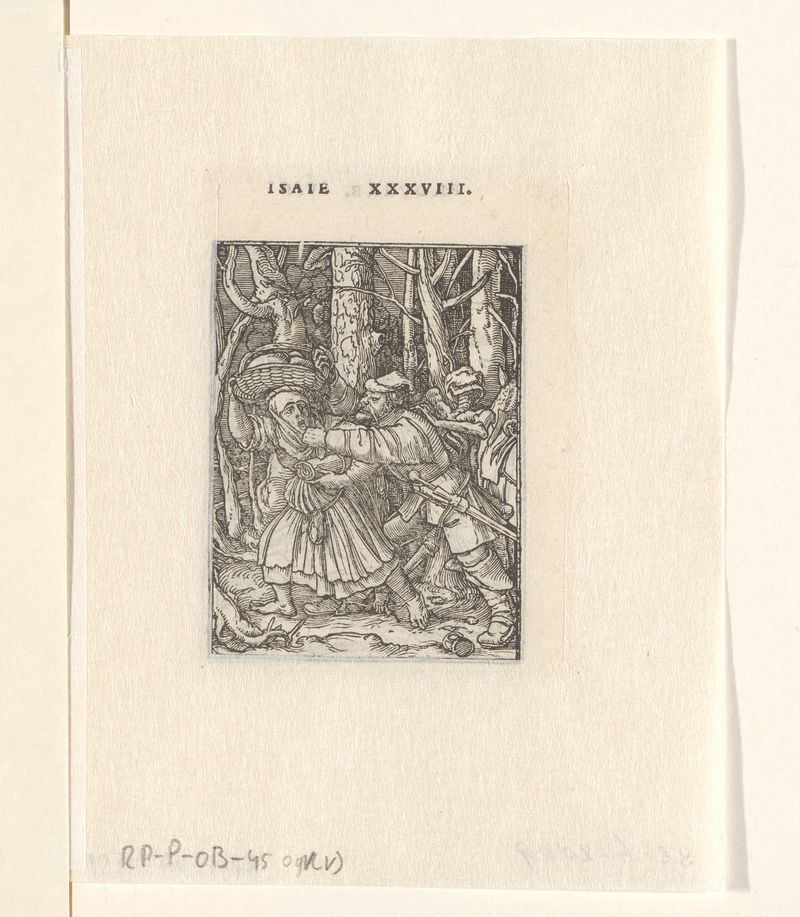
Dief en de Dood
Hans Holbein (II)
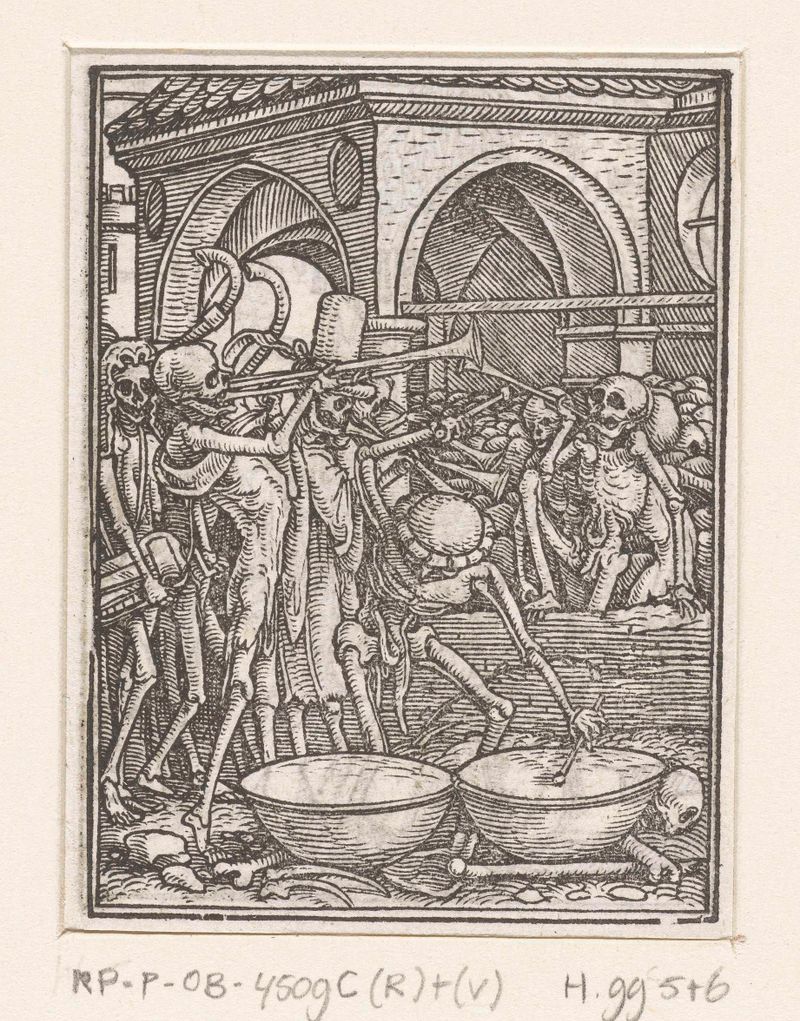
Skeletons Making Music from Dance of the Dead
Hans Holbein (II)
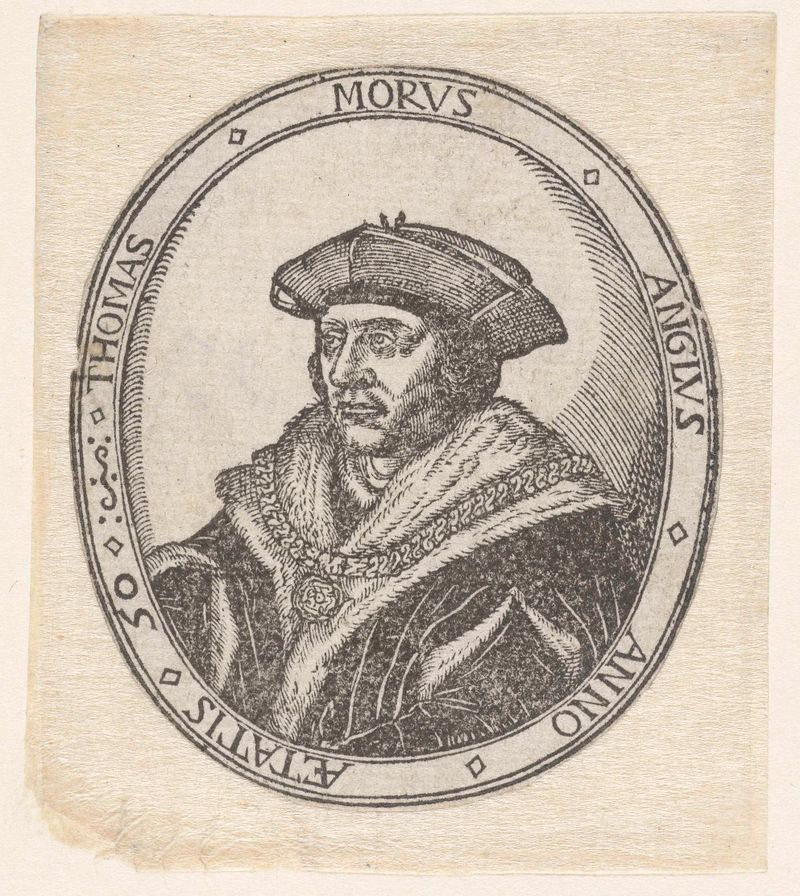
Portret van Thomas More
Hans Holbein (II)
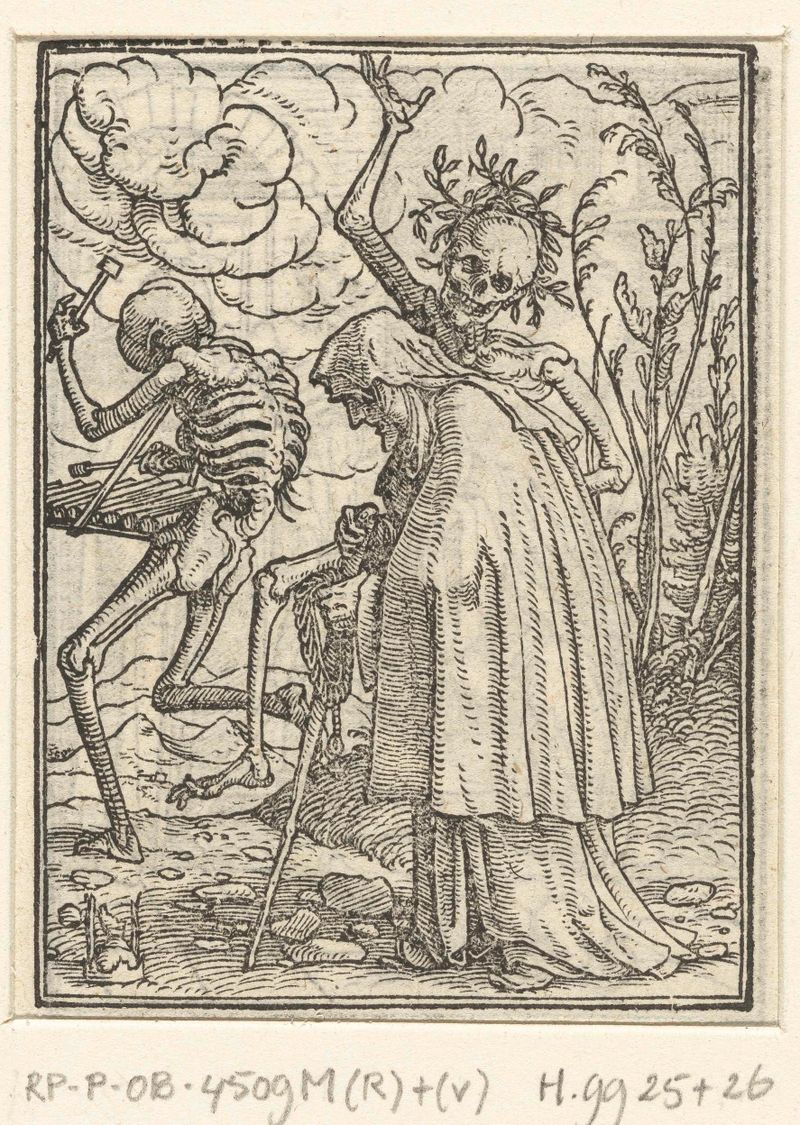
Oude vrouw en de Dood
Hans Holbein (II)
More Religious Art
Browse all →
The Return of the Prodigal Son
Rembrandt van Rijn

The Garden of Earthly Delights
El Bosco

Count Orgaz’ funeral
El Greco

The Hundred Guilder Print: the central piece with Christ preaching, the plate arched
Rembrandt van Rijn

The Descent from the Cross
Rogier van der Weyden

The return of the prodigal son
Rembrandt van Rijn