
Mozes veroordeelt de Midjanitische vrouwen en hun kinderen — History & Facts
In this moment of visual tension, longing permeates the scene, capturing the weight of judgment and consequence. Look to the center of the painting, where Moses stands resolute, a commanding figure draped in rich hues of deep blue and golden yellow. His posture exudes authority as he raises his arm, pointing decisively at the Midianite women and children, who occupy the foreground. The contrasting colors of the figures against a muted background enhance the drama, drawing the eye to both the protagonist and those he condemns.
Notice how the light filters in, illuminating their expressions — a mix of fear, defiance, and resignation. Hidden within this moment are deeper tensions: the juxtaposition of power and vulnerability, the weight of moral choices, and the complex threads of justice and mercy. The figures surrounding Moses, their bodies contorted in despair, speak to the fragility of life and the harshness of his decree. Each detail, from the intricate fabrics of their clothing to the anguished expressions etched on their faces, reflects a tumultuous emotional landscape that transcends the canvas. In 1538, Hans Holbein (II) created this work during the height of his career in Basel.
The artist was deeply influenced by the Reformation and the shifting religious landscape of Europe, capturing the moral dilemmas of his time in his art. Holbein's keen observation of human emotion and social commentary resonates throughout his oeuvre, making this piece a poignant reflection of an era grappling with faith, authority, and the consequences of choices made in the name of righteousness.
More Artworks by Hans Holbein (II)
Browse all →
Portret van Erasmus
Hans Holbein (II)
Priester en de Dood
Hans Holbein (II)
Rechter en de Dood
Hans Holbein (II)
Kind en de Dood
Hans Holbein (II)
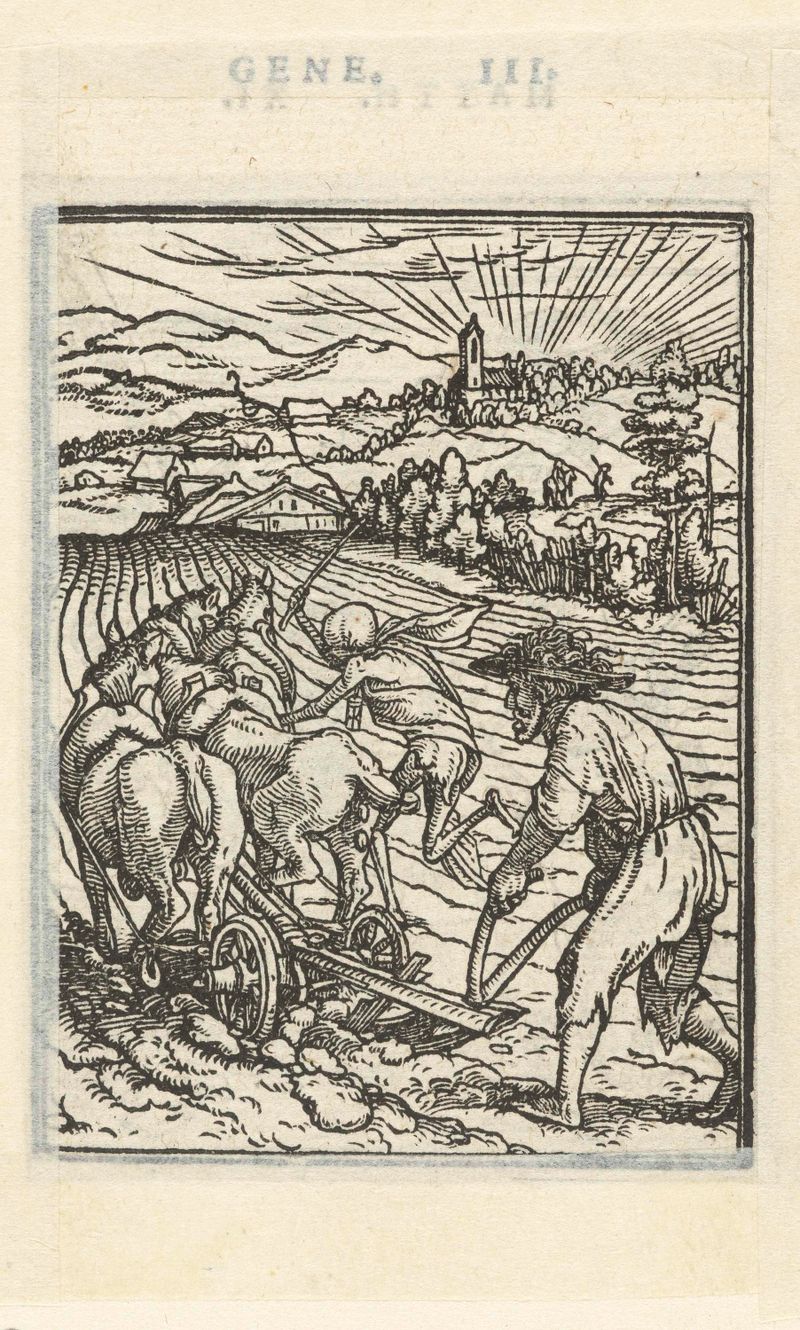
Boer en de Dood
Hans Holbein (II)
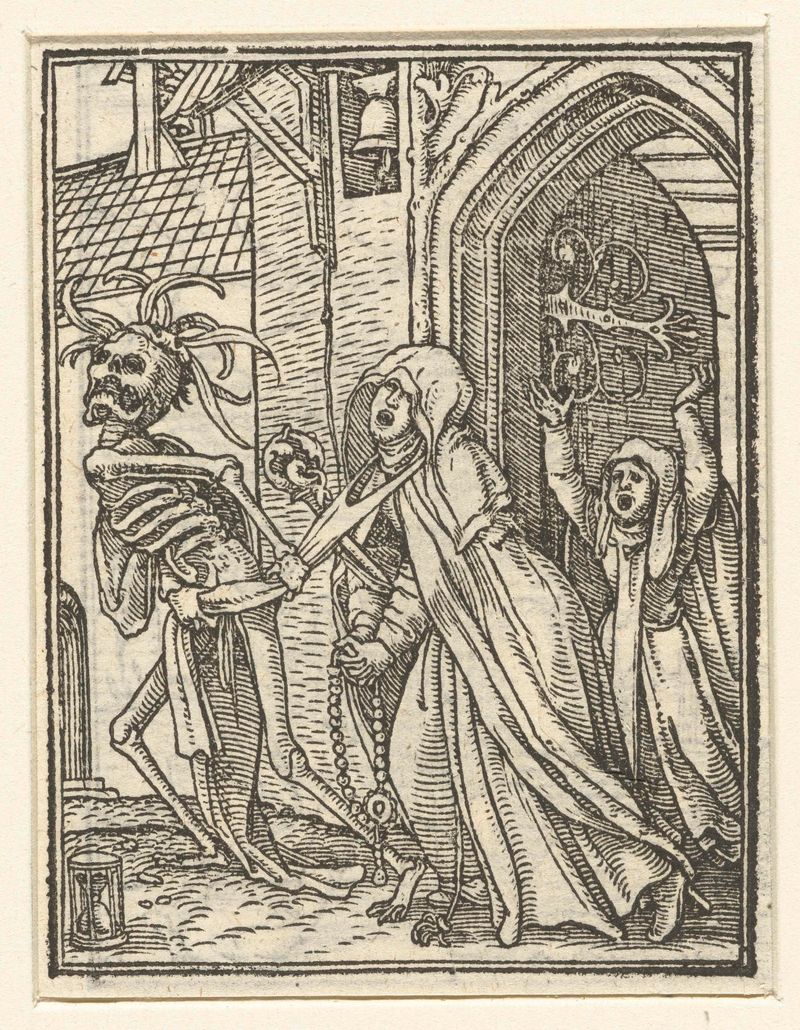
Abdis en de Dood
Hans Holbein (II)
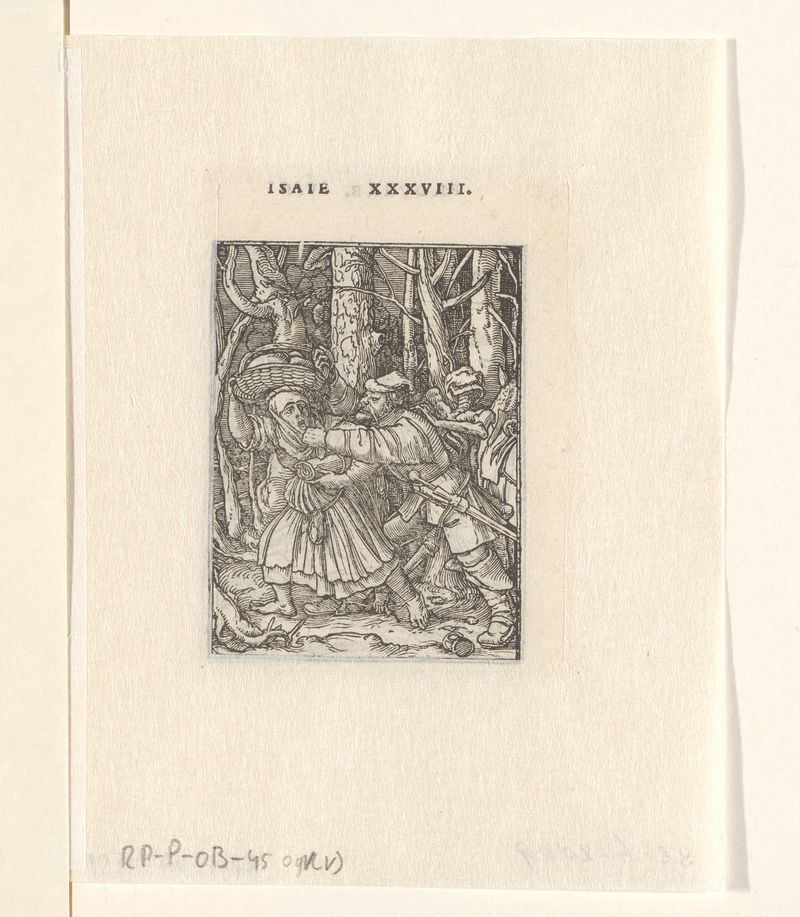
Dief en de Dood
Hans Holbein (II)
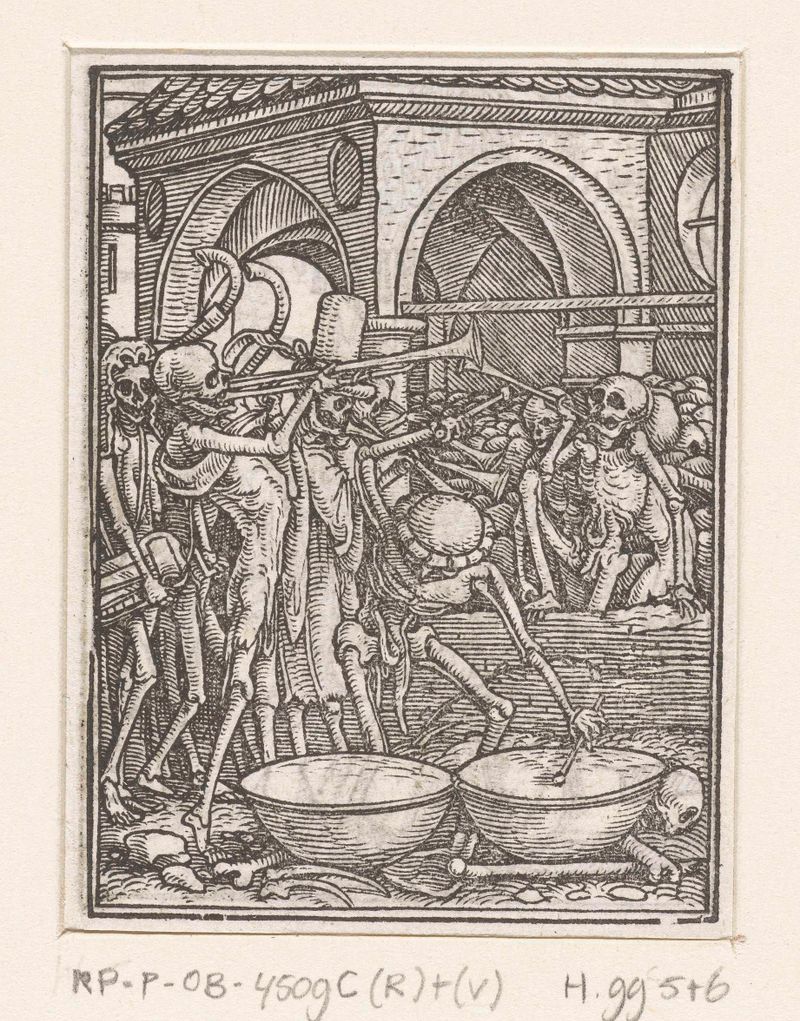
Skeletons Making Music from Dance of the Dead
Hans Holbein (II)
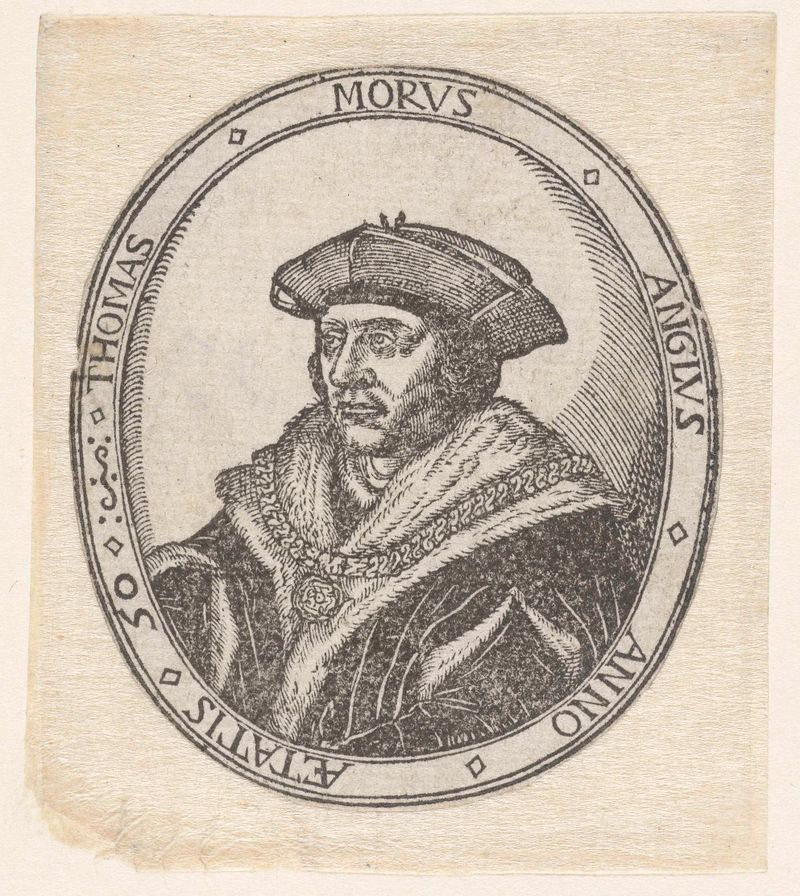
Portret van Thomas More
Hans Holbein (II)
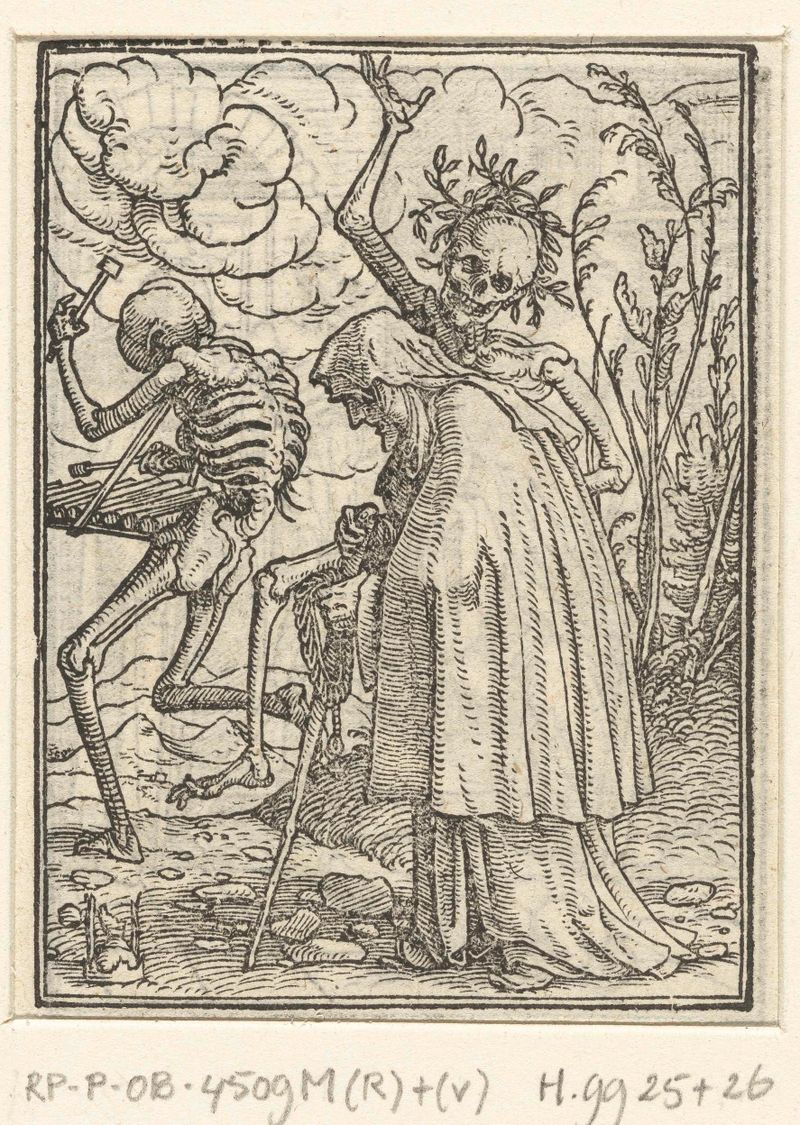
Oude vrouw en de Dood
Hans Holbein (II)
More Religious Art
Browse all →
The Return of the Prodigal Son
Rembrandt van Rijn

The Garden of Earthly Delights
El Bosco

Count Orgaz’ funeral
El Greco

The Hundred Guilder Print: the central piece with Christ preaching, the plate arched
Rembrandt van Rijn

The Descent from the Cross
Rogier van der Weyden

The return of the prodigal son
Rembrandt van Rijn