
Mère Grégoire — History & Facts
Did the painter know this moment would outlive them? As the brush strokes fell upon the canvas, a silent revelation flickered into existence, capturing the essence of a life both ordinary and profound. Look to the left at the elder woman, her weathered hands resting lightly on her apron, revealing the toil of years spent in labor. Notice how the muted palette of browns and greens envelops her in warmth, contrasting with the starkness of the white linen behind her. The subtle shift of light caresses her face, illuminating the lines etched by time, while her gaze, a mixture of wisdom and weariness, holds the viewer captive.
The composition draws you in, creating a sense of intimate familiarity. Beneath the surface, the painting explores the tension between dignity and struggle. Mère Grégoire embodies resilience, a symbol of the laboring class often overlooked in the grandeur of art. The simplicity of her attire contrasts sharply with the ornate frame that surrounds her, prompting reflection on societal values and the overlooked narratives of everyday heroes.
The way her presence commands the space highlights the quiet power of the ordinary, inviting deeper contemplation of identity and worth. Created in France between 1855 and 1859, during a period of profound social change, the artist captured a moment in time reflective of the burgeoning realism movement. As Courbet sought to challenge the artistic norms of his era, Mère Grégoire became a testament to his belief in depicting the unvarnished truth of life, positioning the working class within the pantheon of art. This work emerged during a time when he was eager to assert his vision against the backdrop of the 19th-century art establishment, making it a significant milestone in his career.
More Artworks by Gustave Courbet
Browse all →
Marine
Gustave Courbet
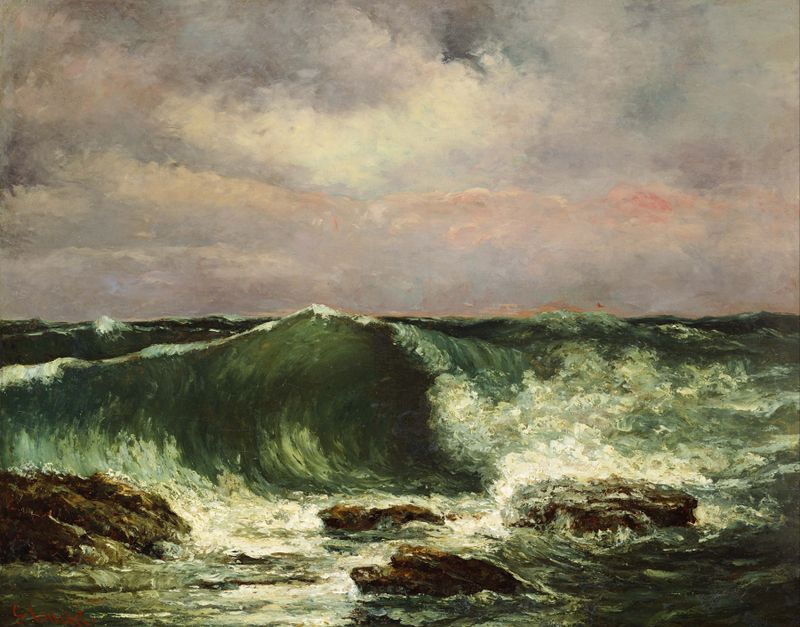
Waves
Gustave Courbet

Étretat; Les Falaises
Gustave Courbet
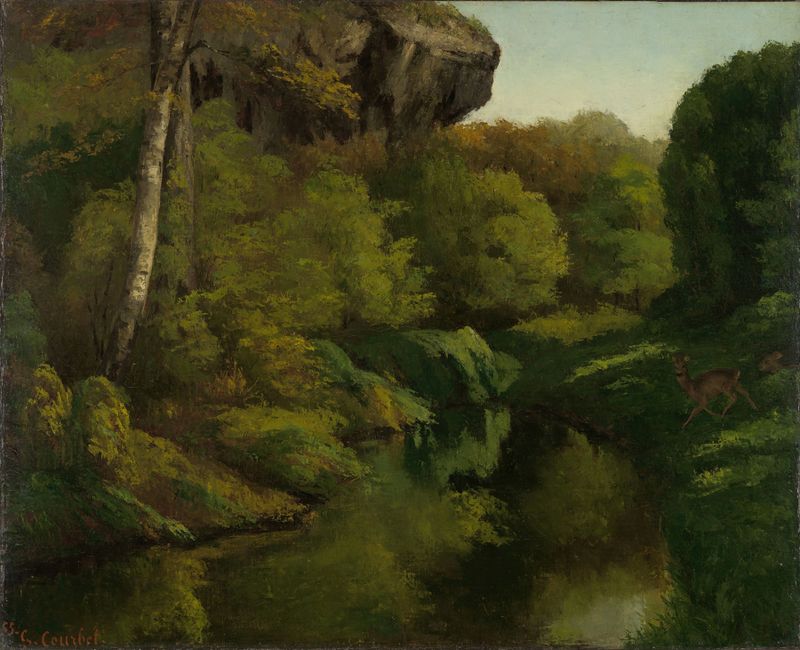
View in the Forest of Fontainebleau
Gustave Courbet
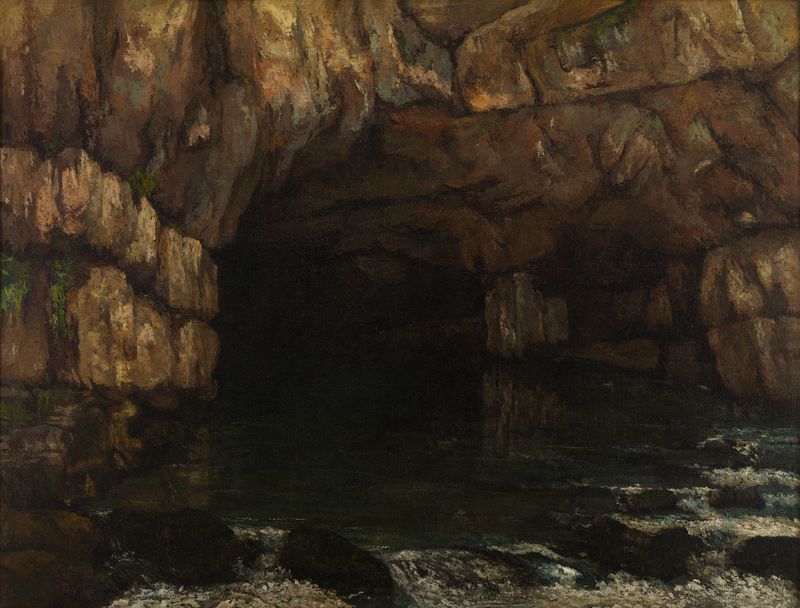
La source de la Loue (The Source of the Loue)
Gustave Courbet

Low Tide at Trouville
Gustave Courbet
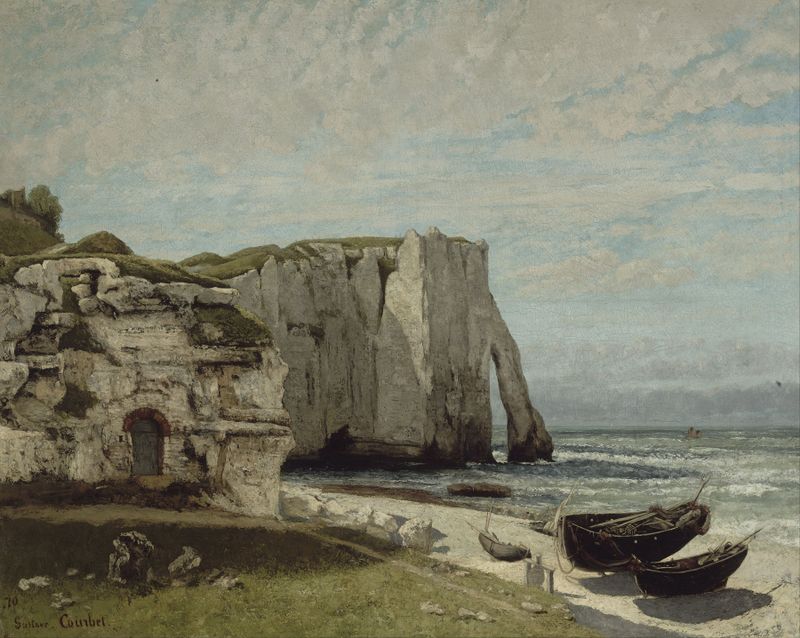
The Etretat Cliffs after the Storm
Gustave Courbet
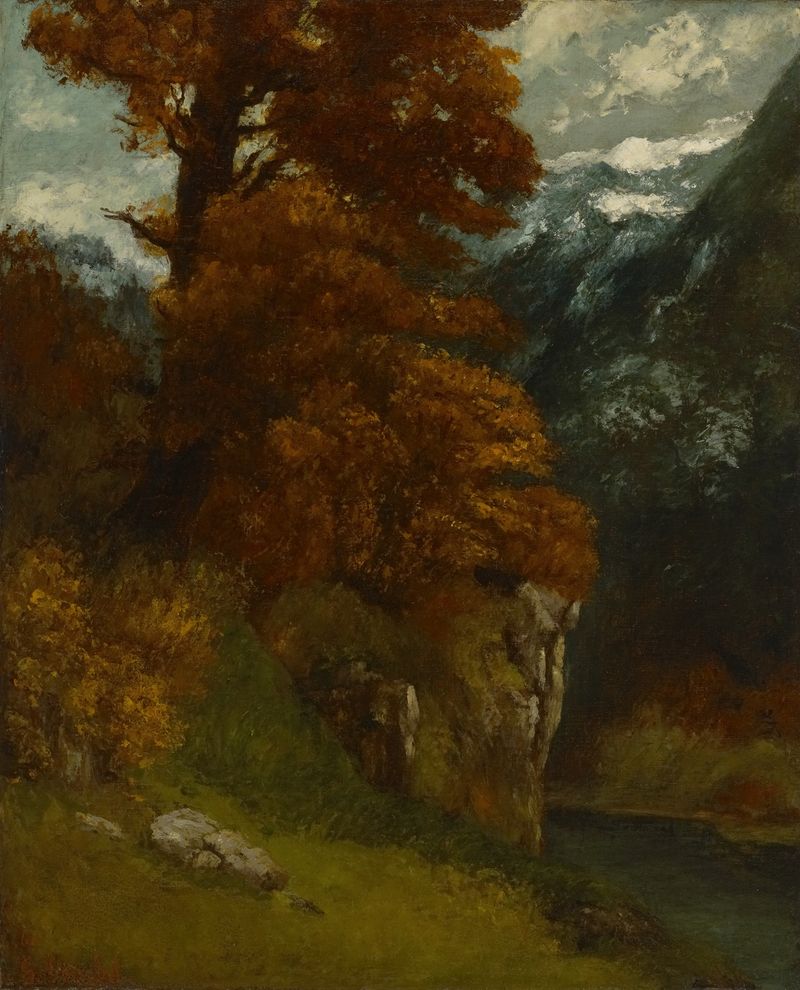
The Glen at Ornans (Bords du Doubs; Effet d’Automne)
Gustave Courbet
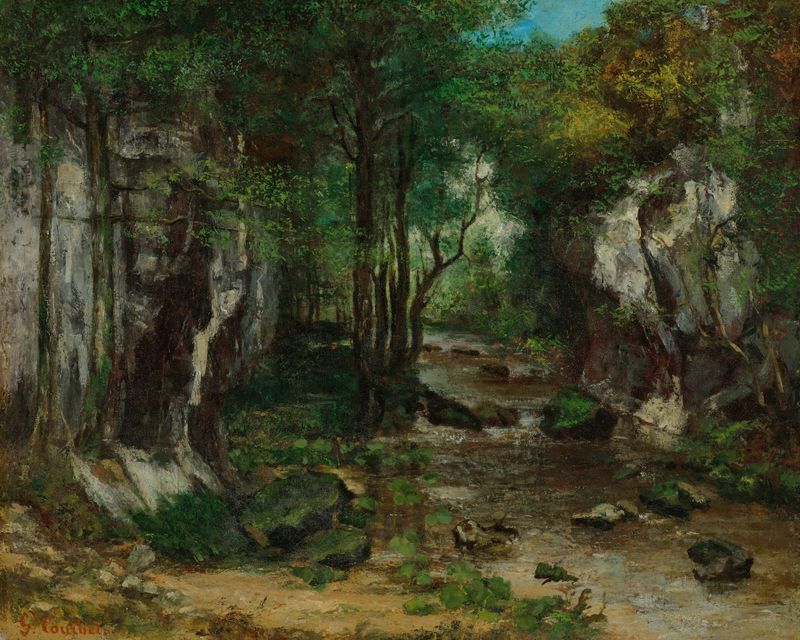
Le Ruisseau de Puits Noir
Gustave Courbet
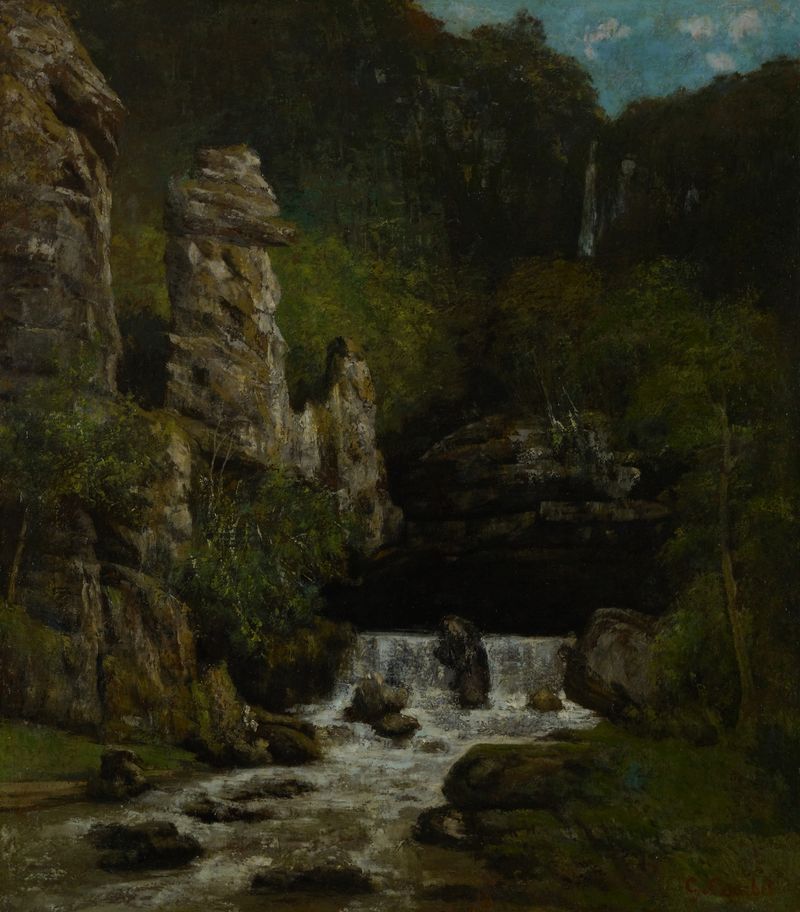
Landscape with a Waterfall
Gustave Courbet
More Portrait Art
Browse all →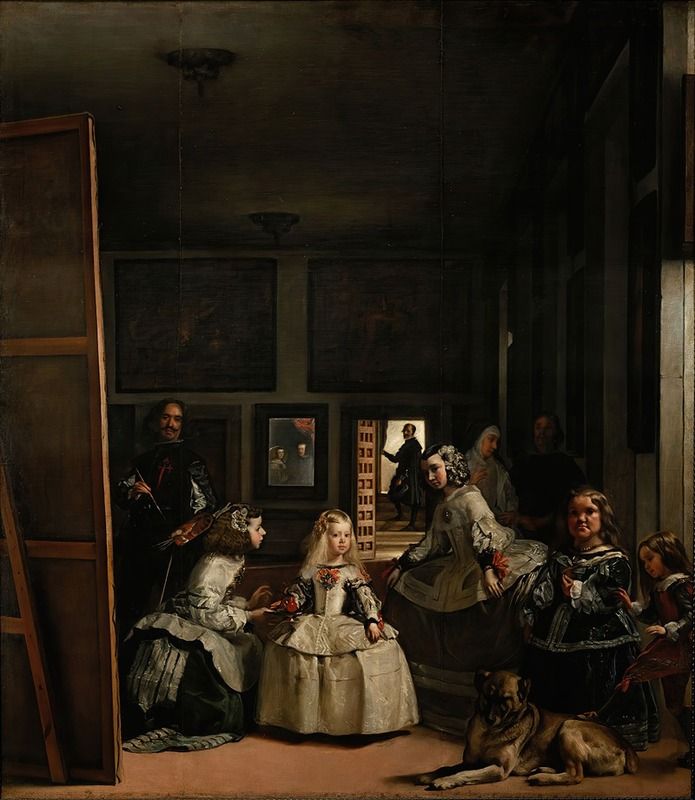
Las meninas
Diego Velázquez
Self-portrait with a Bandaged Ear and Pipe
Unidentified artist
Girl with a Pearl Earring
Johannes Vermeer

The Sampling Officials of the Amsterdam Drapers’ Guild, Known as ‘The Syndics’
Rembrandt van Rijn

The Hundred Guilder Print: the man seen on the back in the lower left corner
Rembrandt van Rijn

Portrait of Dr Gachet
Vincent van Gogh