
Mrs. William Wilberforce and Child — History & Facts
Few portraits of the early nineteenth century carry such a quietly significant connection to history as Mrs. William Wilberforce and Child by John Linnell. The sitter, Barbara Wilberforce, was the wife of William Wilberforce, the famed British abolitionist whose tireless campaigning led to the abolition of the slave trade in 1807.
While the precise date of this painting remains uncertain, it is known that Linnell moved in circles sympathetic to Wilberforce’s cause, and the portrait’s existence is a testament to the social networks that underpinned the era’s reform movements. The painting stands as a rare visual record of the private life behind one of Britain’s most public figures, offering a glimpse into the domestic world that supported and sustained the fight for freedom. At the heart of the composition, Barbara Wilberforce is depicted seated, her child nestled close, both rendered with Linnell’s characteristic attention to the warmth of familial bonds. The gentle embrace between mother and child, the soft play of light across their faces, and the careful rendering of textiles all speak to the values of nurture and stability.
Linnell’s choice to focus on an intimate, everyday moment—rather than a formal pose—distinguishes this work from the more stately portraits of contemporaries like Sir Thomas Lawrence. The absence of overt symbols or grand backdrops draws the viewer’s eye to the subtle dialogue of glances and gestures, suggesting that the true strength of the Wilberforce family lay in its quiet unity. The subsequent journey of Mrs. William Wilberforce and Child is not fully documented, and its early provenance remains somewhat obscure, a not uncommon fate for private family portraits of the period.
What is clear is that the painting reflects an important phase in John Linnell's career, when he was gaining recognition for his sensitive portraiture before turning increasingly to landscape. Today, the work is preserved in a public collection, where it invites viewers to consider not just the achievements of William Wilberforce, but the often-unseen support of those closest to him. The painting’s survival, despite the uncertainties of its early history, ensures that the quieter stories of reform and resilience are not forgotten.
More Artworks by John Linnell

A View Near Hampstead
John Linnell
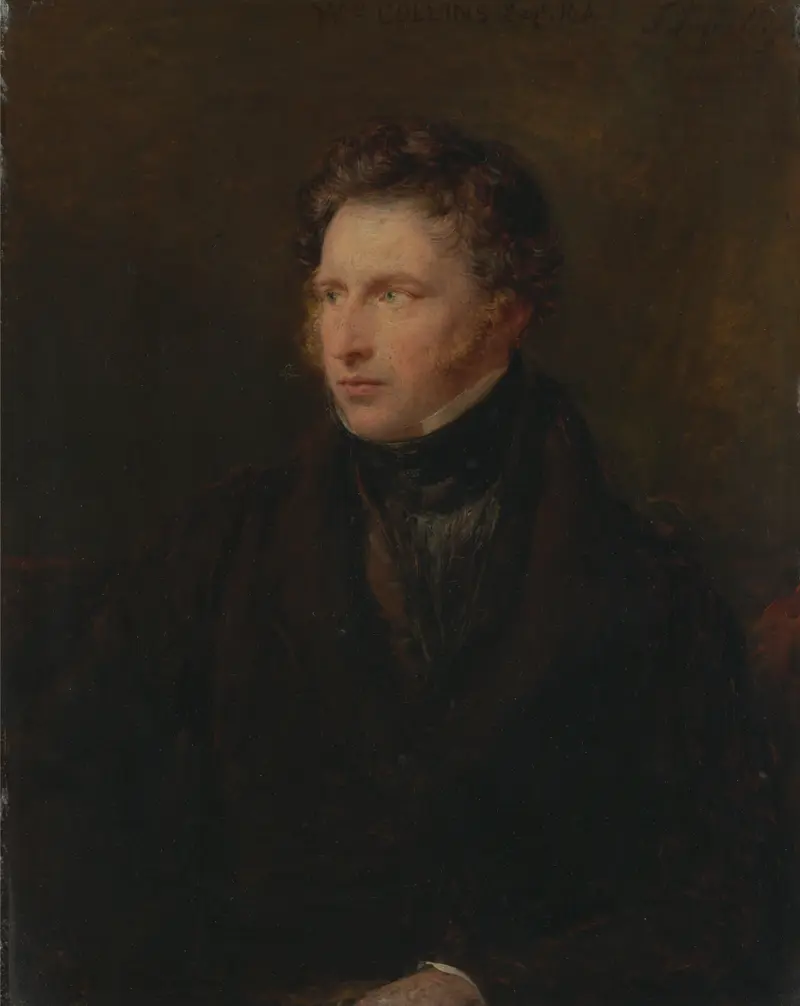
William Collins, R.A.
John Linnell
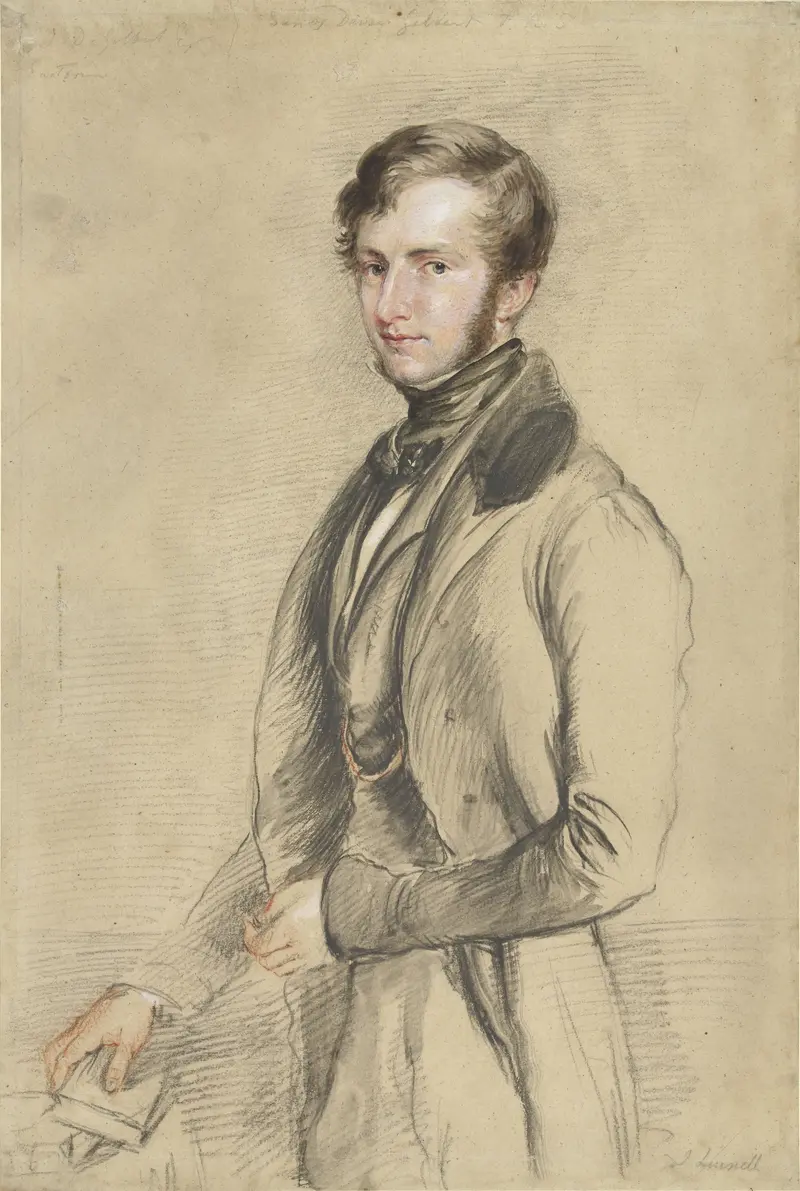
Portrait of John Davies Gilbert
John Linnell
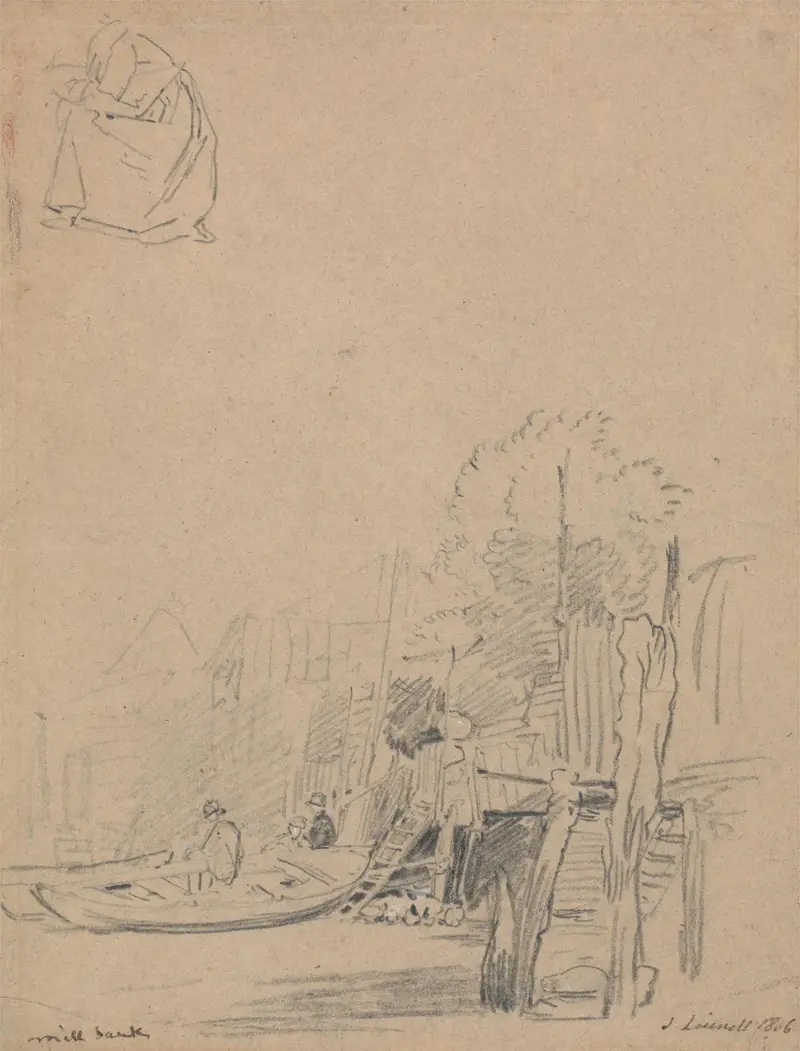
Millbank
John Linnell
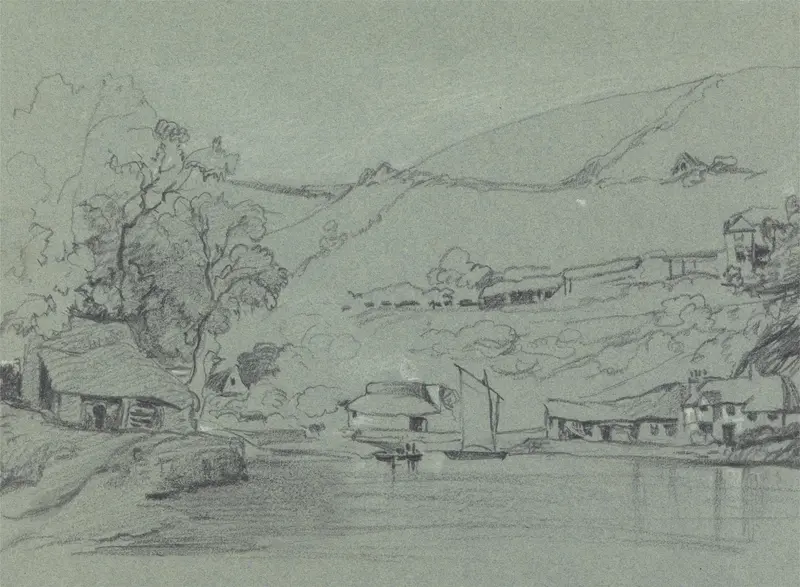
Scene in Kent
John Linnell
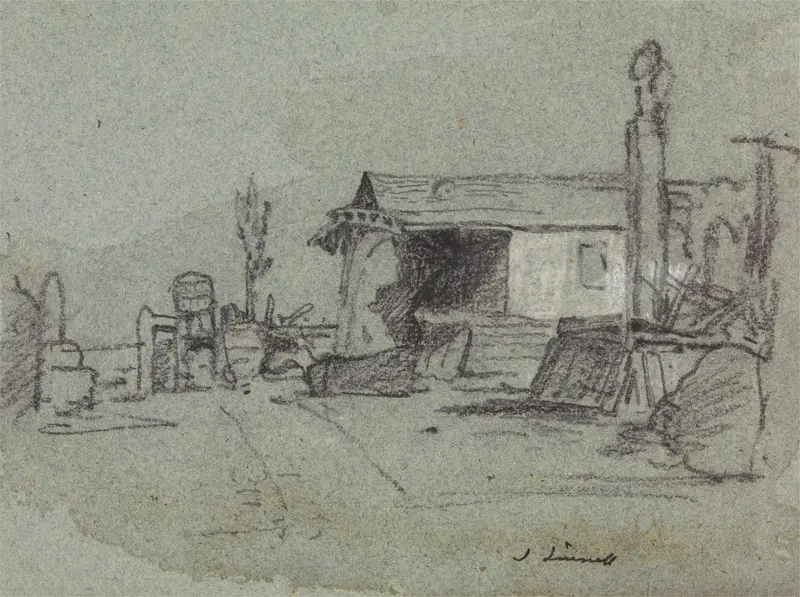
A Scene in the Edgware Road, London
John Linnell
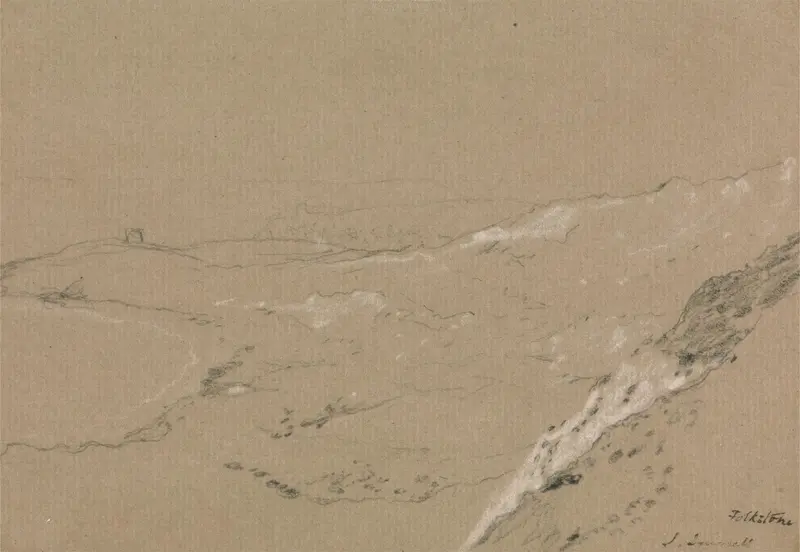
Folkestone
John Linnell
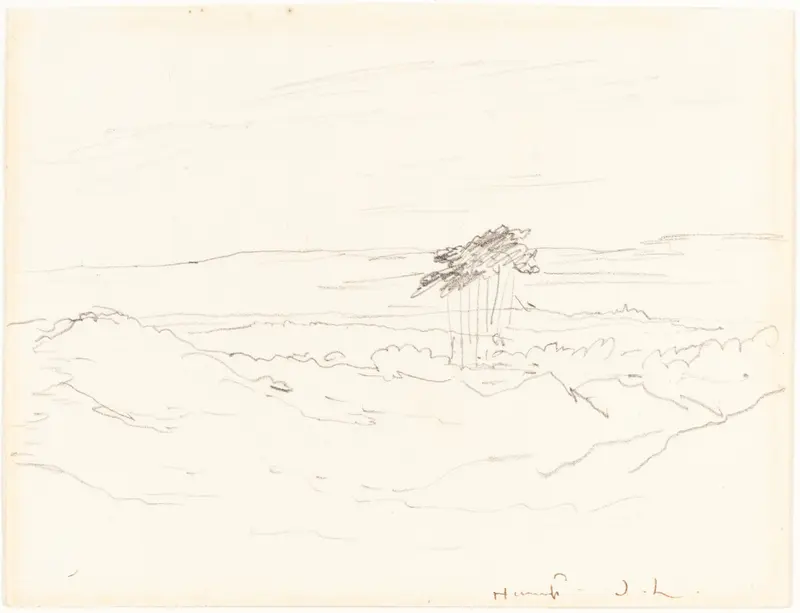
Hampstead Heath
John Linnell
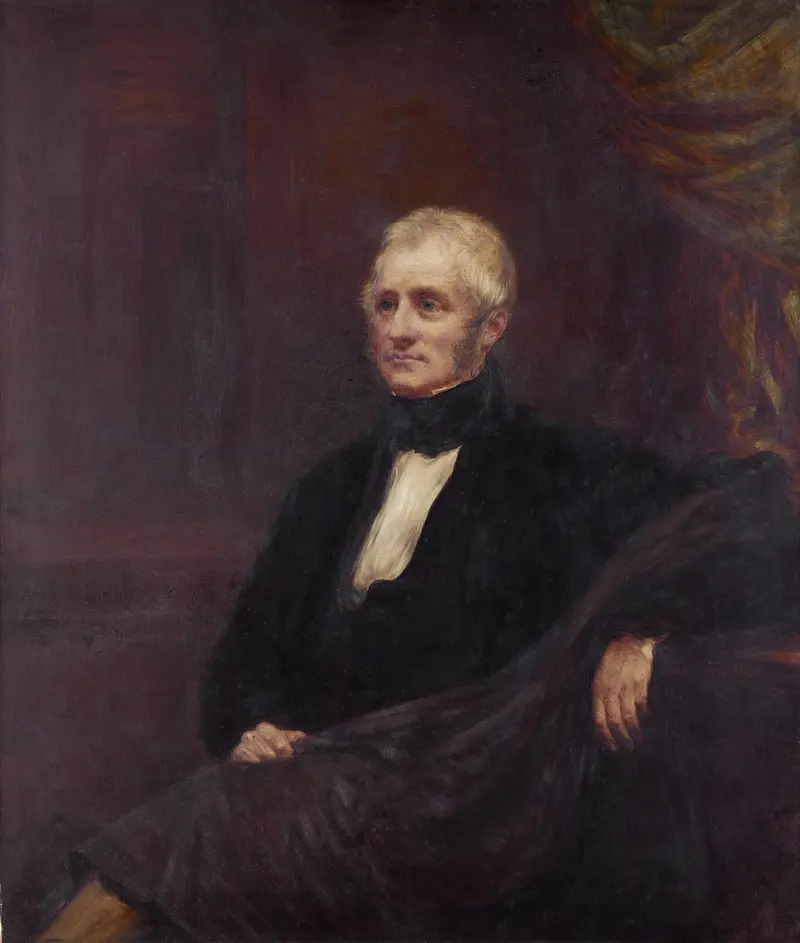
Henry Stephen Fox-Strangways, 3rd Earl Of Ilchester
John Linnell
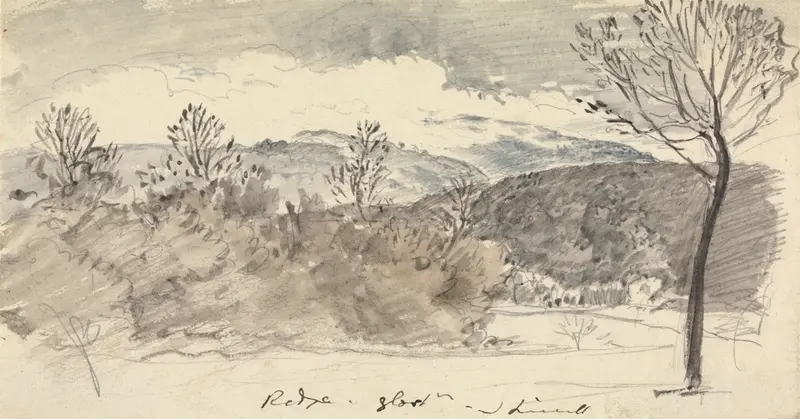
View at Mr. Sheppard’s, The Ridge, Gloucestershire
John Linnell





