
Mt. Katahdin and Turner — History & Facts
Is this a mirror — or a memory? In Mt. Katahdin and Turner, the landscape unfurls before us like a whispered secret, a fragile equilibrium between nature's grandeur and the human imprint upon it. Focus on the sweeping expanse of the canvas, where the jagged peaks of Katahdin rise majestically against a backdrop of swirling clouds. Notice how the light dances across the surface of the water, reflecting the mountain's grandeur while simultaneously inviting contemplation.
Church’s meticulous brushwork brings life to the foliage in the foreground, creating a lush vibrancy that contrasts with the cooler tones of the sky. The palette itself is a dialogue between warmth and chill, evoking the balance of serenity and awe inherent in the wilderness. Beneath this serene façade lies a tension between the sublime beauty of nature and the encroaching presence of human experience. The delicate reflections in the water suggest a transient moment—one that holds the weight of memory, and invites viewers to ponder their own connections to nature.
Additionally, the choice of composition leads the eye upward, suggesting an inherent aspiration or search for understanding, as if the viewer is invited to ascend alongside the mountain itself. Frederic Edwin Church painted Mt. Katahdin and Turner between 1860 and 1878, during a period marked by his deep engagement with the American landscape and Romantic ideals. Living in the wake of the Hudson River School movement, he sought to capture not just the physical beauty of such scenes, but their emotional resonance, reflecting both personal introspection and broader societal shifts in American art.
This work encapsulates his dedication to bringing the sublime essence of nature to the fore, engaging viewers in a dialogue about balance and connection.
More Artworks by Frederic Edwin Church
Browse all →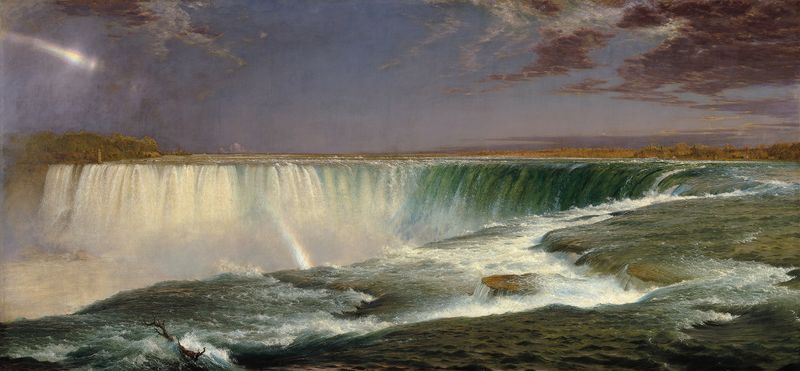
Niagara
Frederic Edwin Church
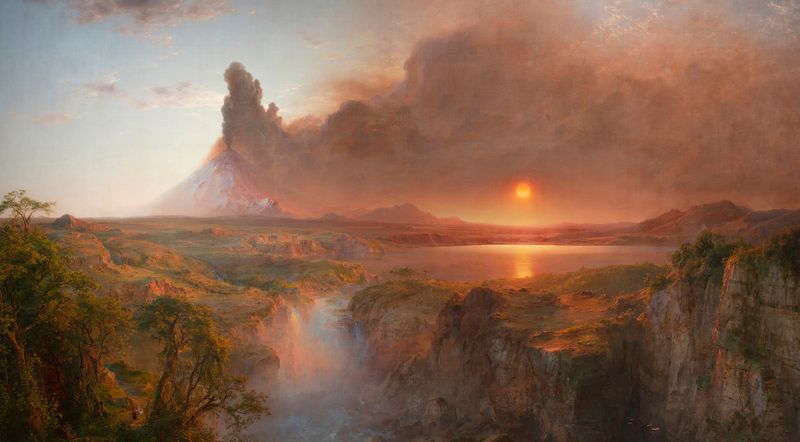
Cotopaxi
Frederic Edwin Church
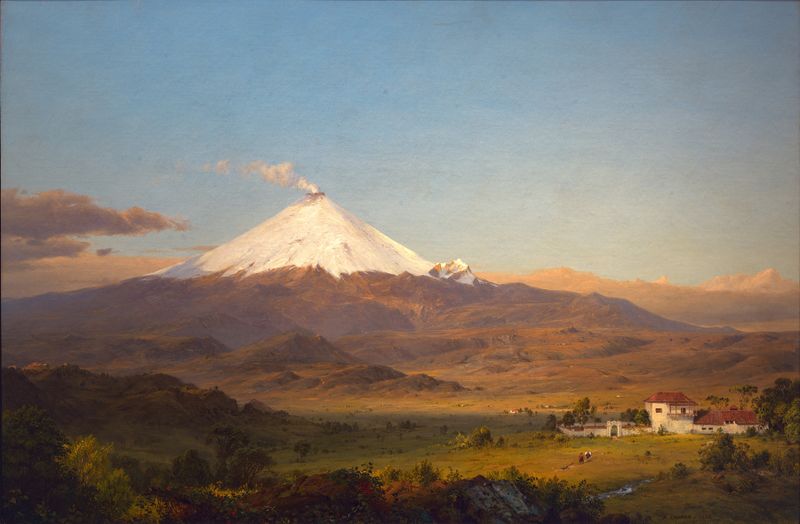
Cotopaxi
Frederic Edwin Church
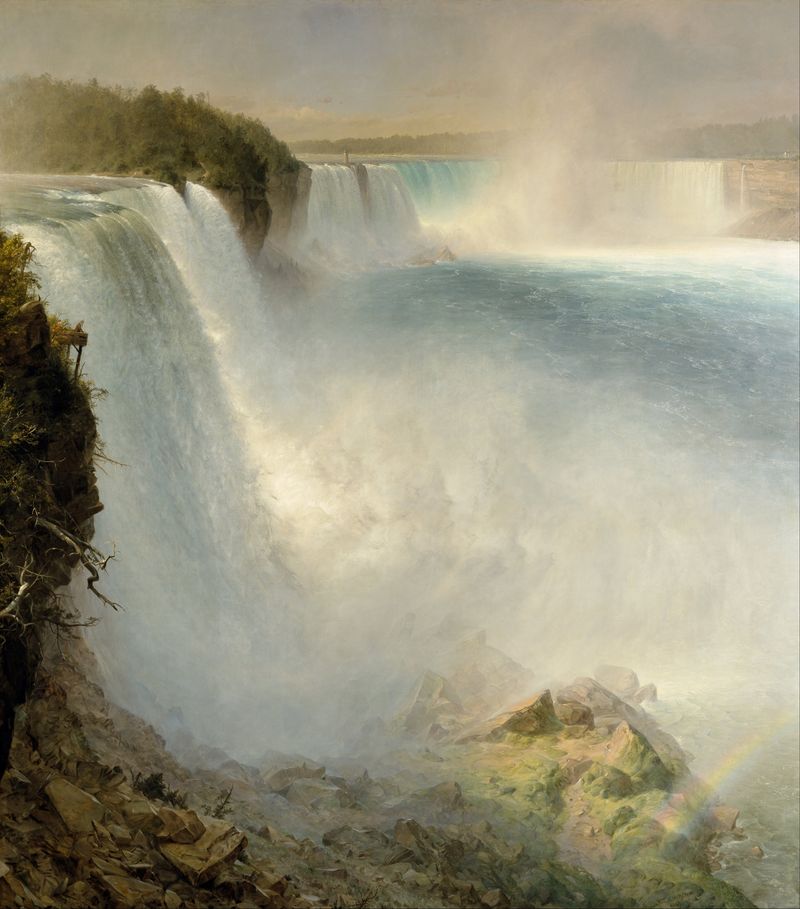
Niagara Falls, from the American Side
Frederic Edwin Church
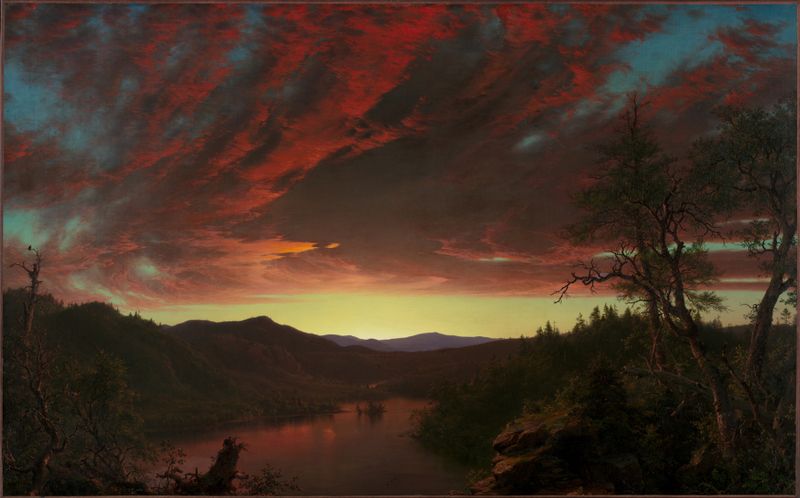
Twilight in the Wilderness
Frederic Edwin Church
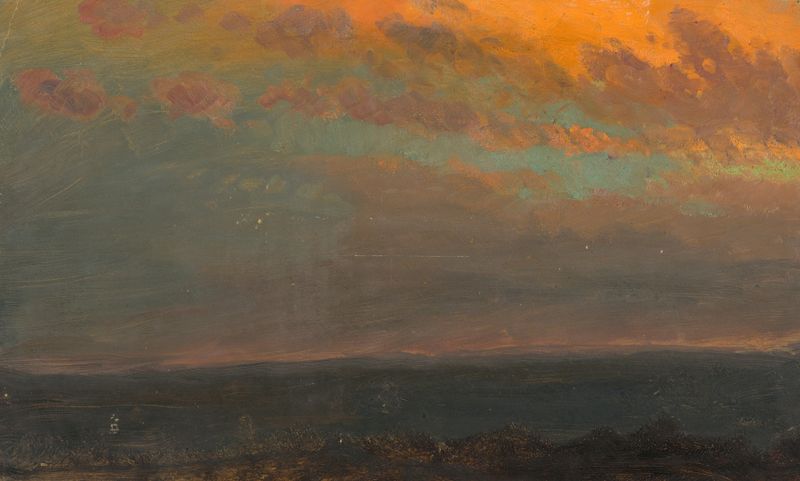
Hudson Valley at Sunset
Frederic Edwin Church
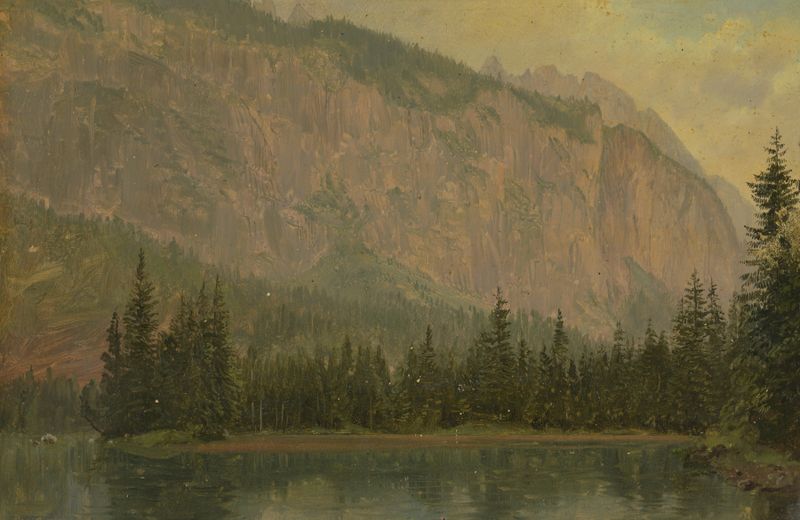
The Hintersee, near Berchtesgaden, Bavaria
Frederic Edwin Church
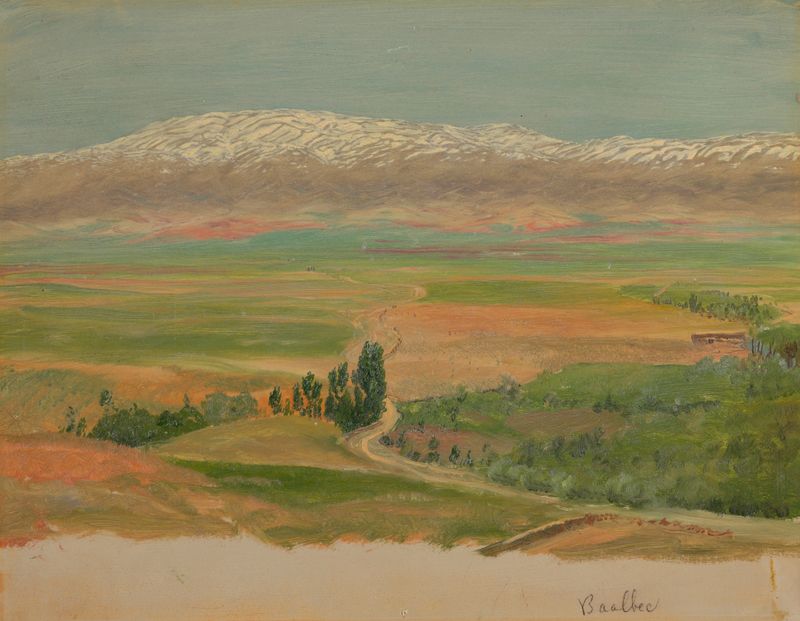
Mountains near Baalbec
Frederic Edwin Church
Aurora Borealis
Frederic Edwin Church
Cotopaxi
Frederic Edwin Church





