
Mt. Katahdin from the South West — History & Facts
What secret hides in the quiet of the canvas? The interplay of vibrant hues and tranquil landscapes invites us to explore the depths of emotion that color can evoke. Focus on the rich greens and soft blues of the foreground, where meticulous brushstrokes capture the lushness of the foliage. Notice how the light dances across the mountain's rugged terrain, casting shadows that suggest both majesty and solitude. The contrast between the bright sky and the earthy tones creates a harmonious balance, guiding your gaze towards the imposing peak that dominates the background. Delve deeper into the painting’s emotional landscape.
The towering mountain symbolizes both the grandeur of nature and the introspective journey of the soul. The subtle transition from shadow to light reflects a sense of hope intertwined with the weight of existence, as if the mountain itself watches over the viewer, embodying both strength and vulnerability. This duality invites contemplation on the relationship between humanity and the natural world. Frederic Edwin Church painted this work during the late 19th century, a period marked by the rise of the American Romantic movement.
In the years following the Civil War, the artist sought to evoke a sense of national pride and connection to the American landscape. Church, a central figure in the Hudson River School, found inspiration in the beauty of the untouched wilderness, creating a visual dialogue that resonated with a nation yearning for peace and reflection.
More Artworks by Frederic Edwin Church
Browse all →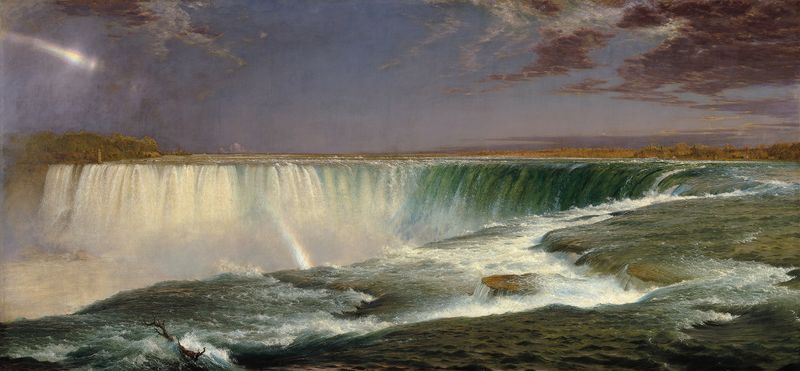
Niagara
Frederic Edwin Church
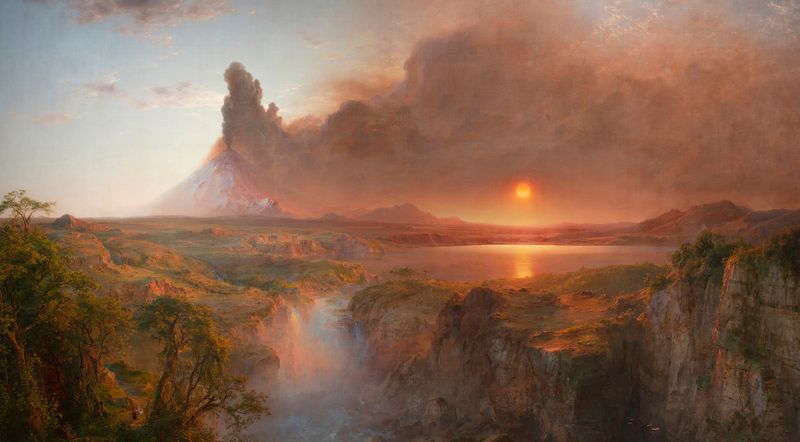
Cotopaxi
Frederic Edwin Church
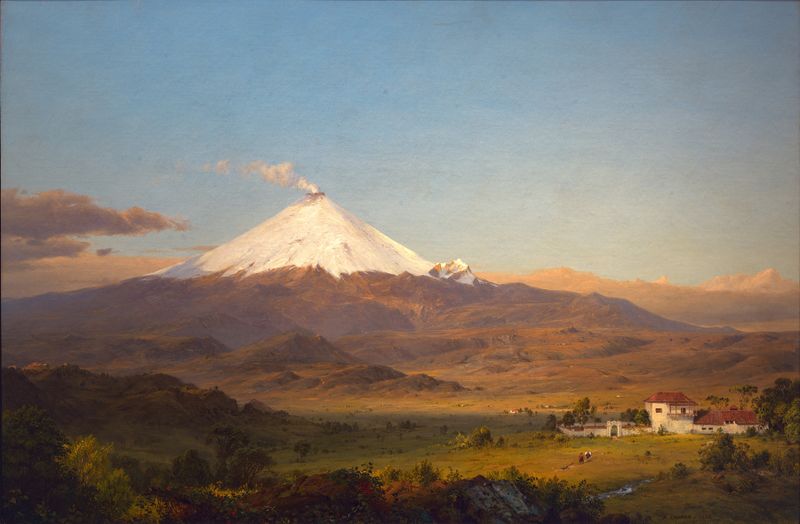
Cotopaxi
Frederic Edwin Church
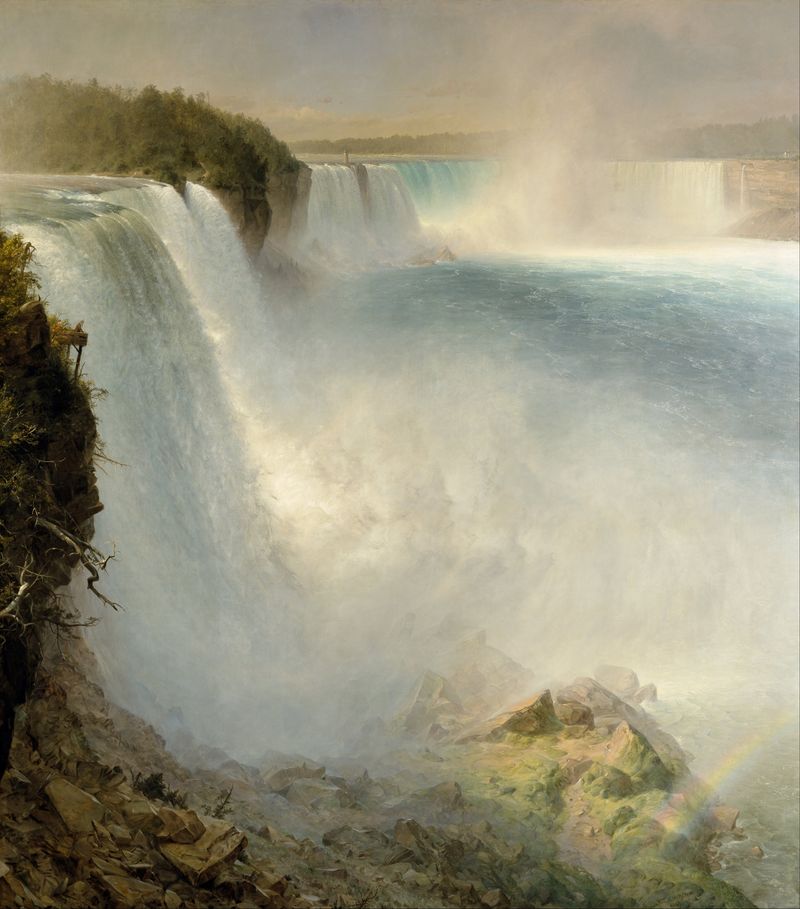
Niagara Falls, from the American Side
Frederic Edwin Church
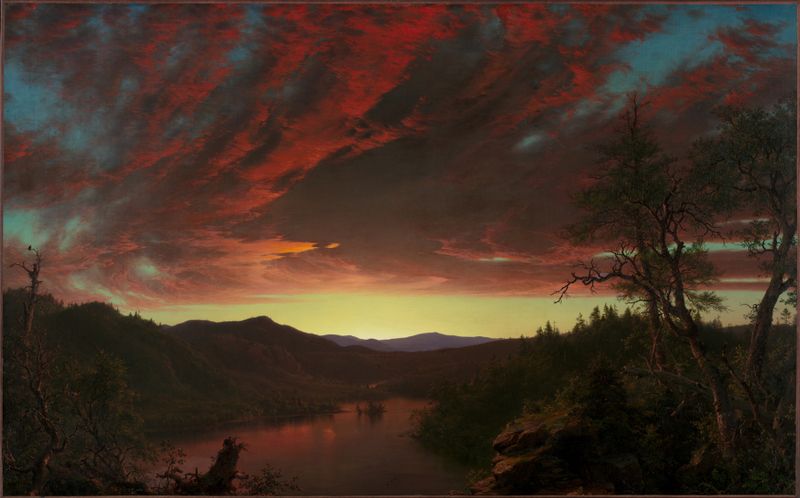
Twilight in the Wilderness
Frederic Edwin Church
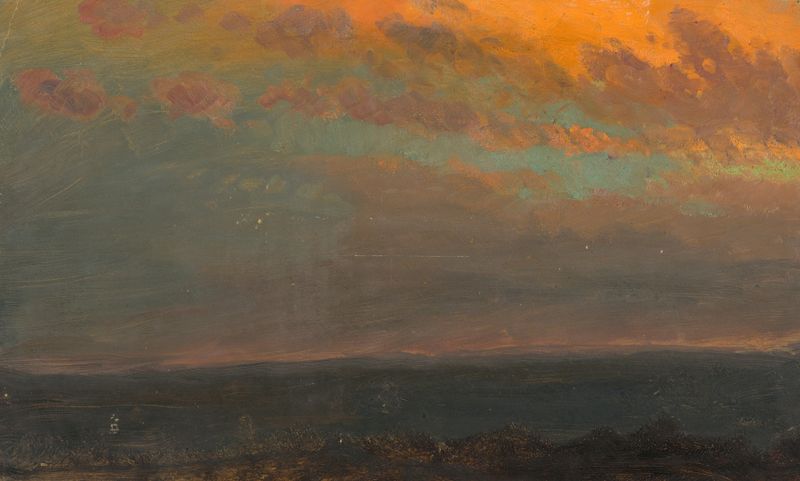
Hudson Valley at Sunset
Frederic Edwin Church
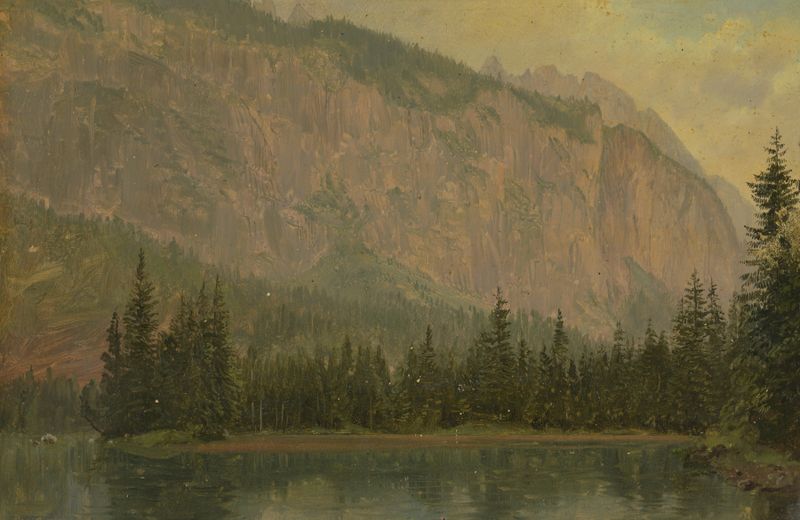
The Hintersee, near Berchtesgaden, Bavaria
Frederic Edwin Church
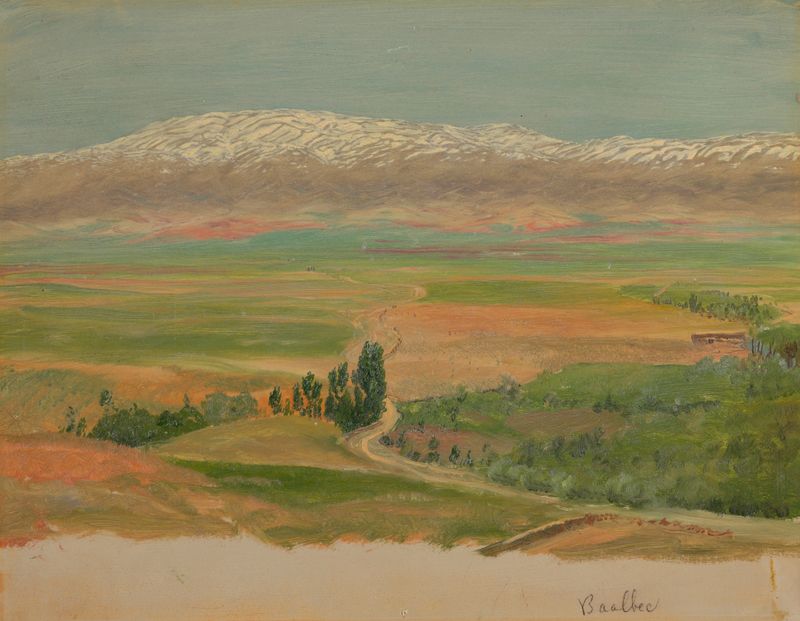
Mountains near Baalbec
Frederic Edwin Church
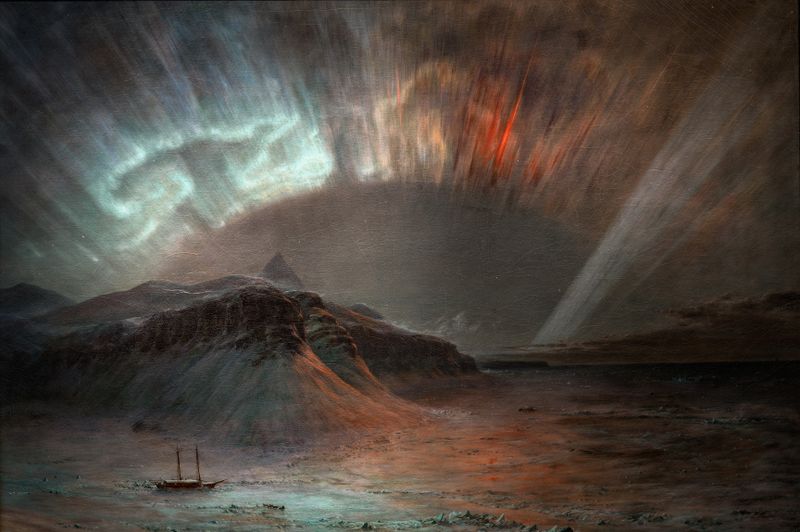
Aurora Borealis
Frederic Edwin Church
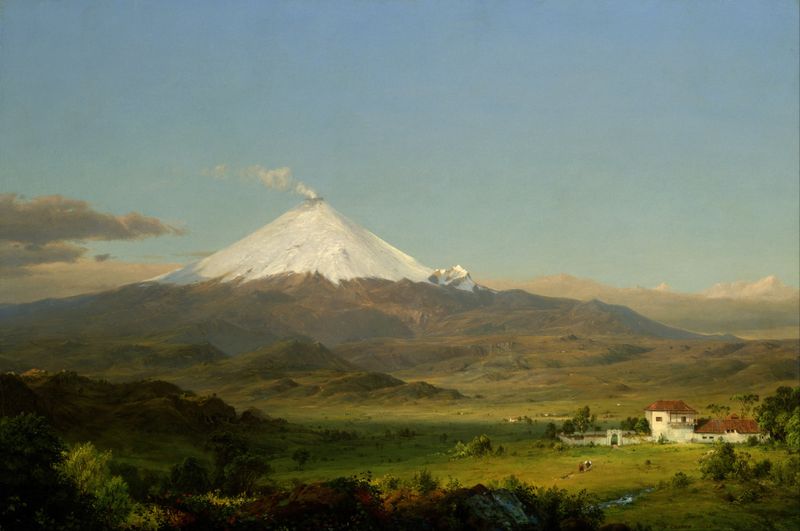
Cotopaxi
Frederic Edwin Church





