
Mt. Katahdin from Togue Pond — History & Facts
Did the painter know this moment would outlive them? In Mt. Katahdin from Togue Pond, the vibrant strokes of color create a living memory of nature’s grandeur, a timeless reflection of beauty captured in a fleeting moment. Look to the left at the shimmering surface of Togue Pond, where the soft blues and greens mirror the sky and the lush foliage. The majestic peak of Katahdin rises in the background, bathed in a majestic glow that draws your eye upward.
Notice how the light dances across the canvas, illuminating the brilliant oranges and golds of autumn leaves, contrasting with the cool serenity of the water, evoking a sense of harmony within the chaotic beauty of nature. Delve deeper into the subtle contrasts between the rugged mountain and the placid pond. The interplay of light and shadow creates a dialogue between serenity and strength, suggesting that tranquility can exist alongside the formidable. Each brushstroke speaks of a profound reverence for the wilderness, encapsulating the fleeting beauty of a moment that is both ephemeral and enduring. Frederic Edwin Church painted this piece in 1878 while residing in New York, a time when the Hudson River School artists were elevating American landscapes to monumental status.
Influenced by the ideals of romanticism and the growing appreciation for nature, Church sought to immerse viewers in the majestic beauty of the American wilderness, making it a defining moment within his illustrious career.
More Artworks by Frederic Edwin Church
Browse all →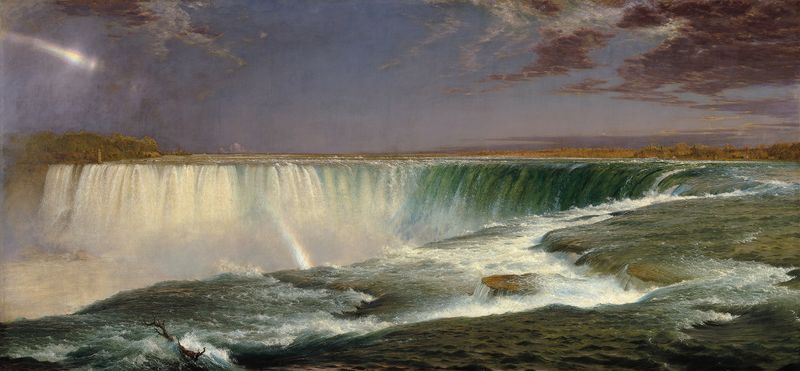
Niagara
Frederic Edwin Church
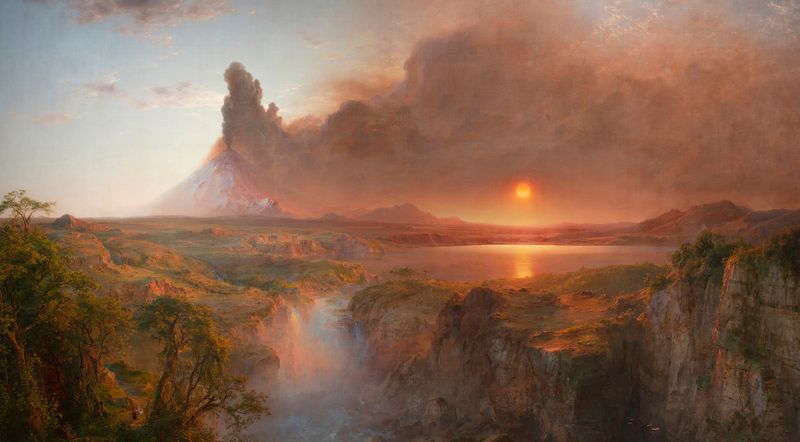
Cotopaxi
Frederic Edwin Church
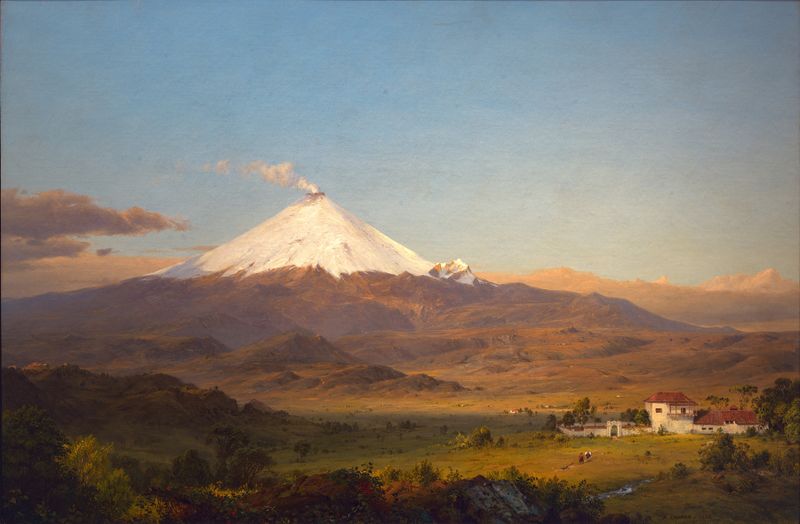
Cotopaxi
Frederic Edwin Church
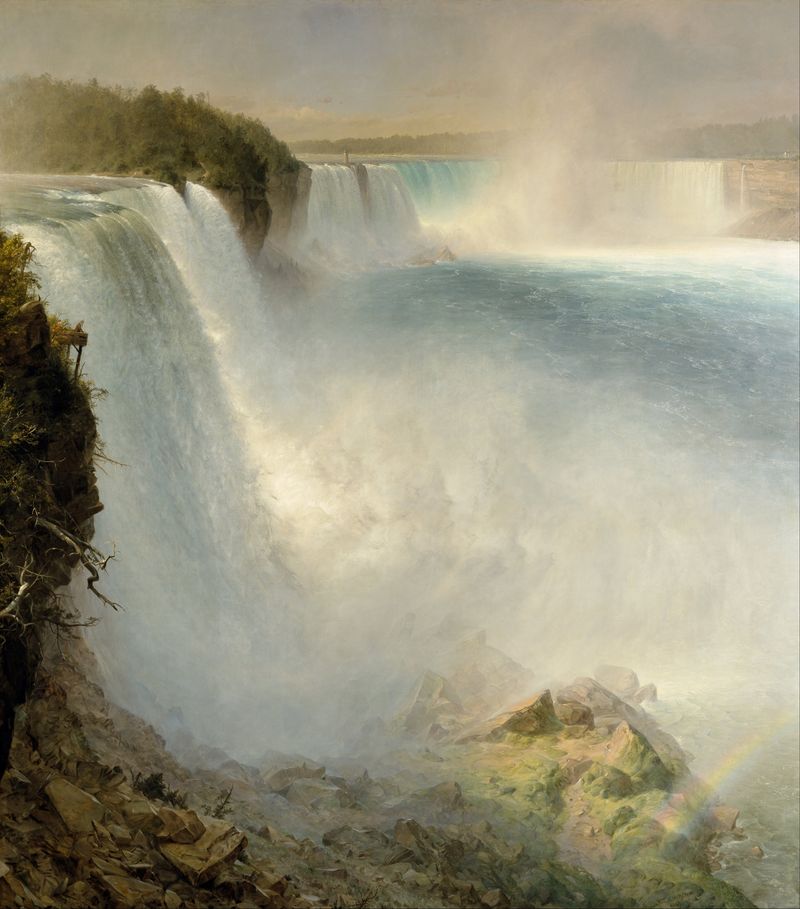
Niagara Falls, from the American Side
Frederic Edwin Church
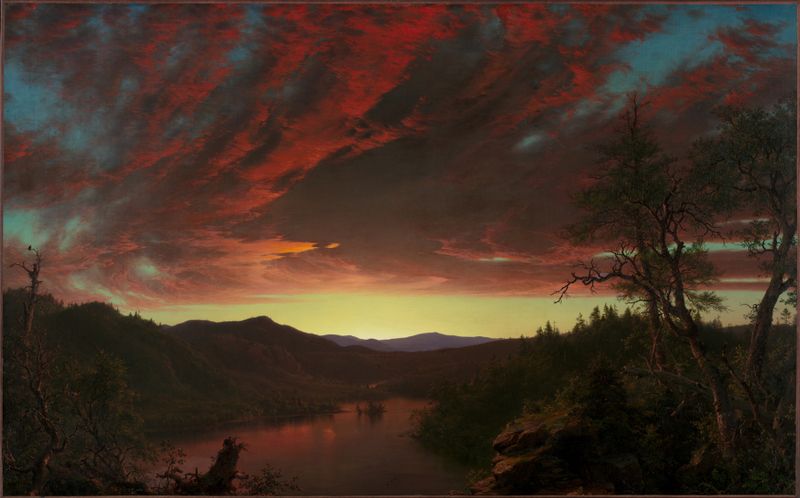
Twilight in the Wilderness
Frederic Edwin Church
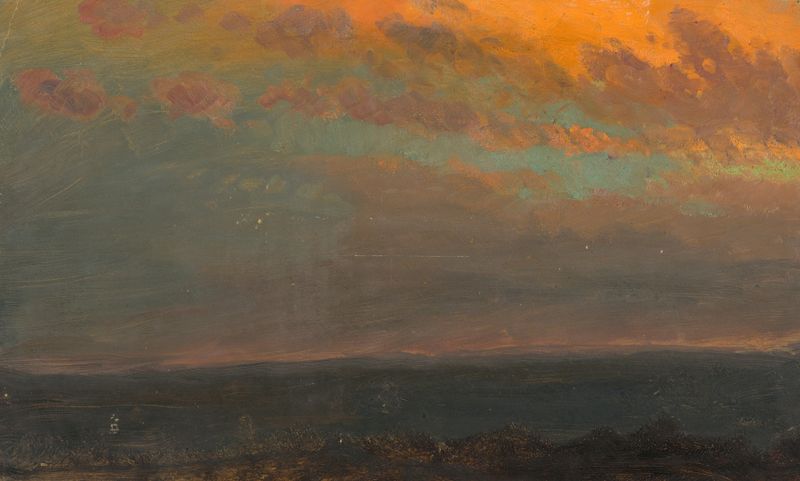
Hudson Valley at Sunset
Frederic Edwin Church
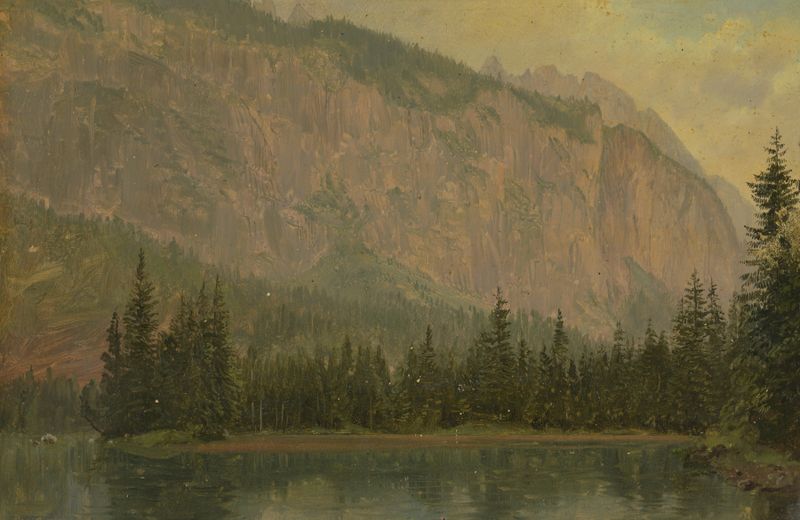
The Hintersee, near Berchtesgaden, Bavaria
Frederic Edwin Church
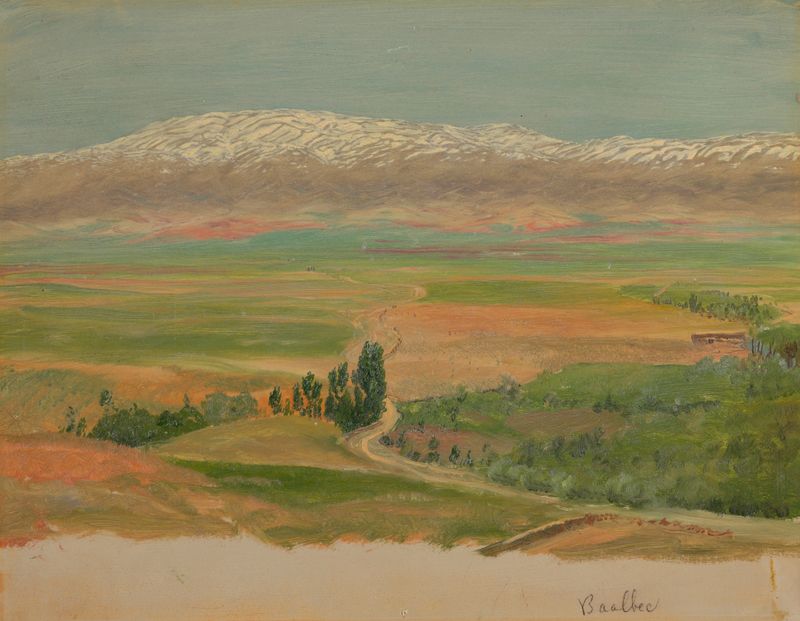
Mountains near Baalbec
Frederic Edwin Church
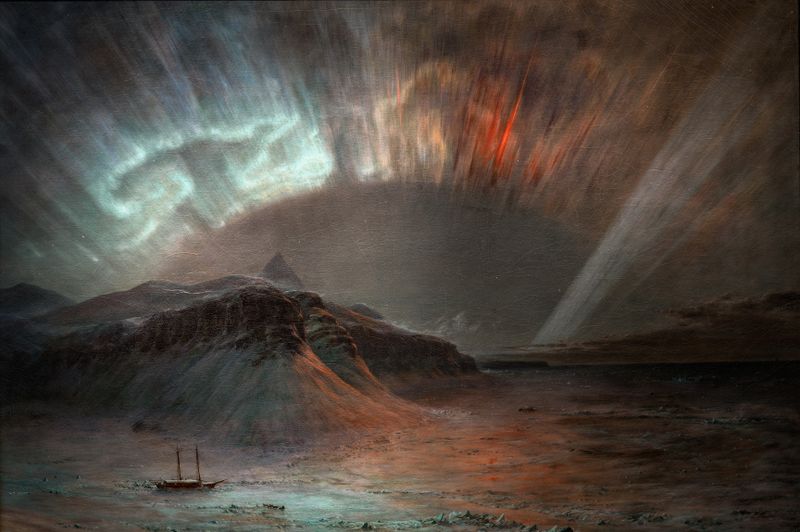
Aurora Borealis
Frederic Edwin Church
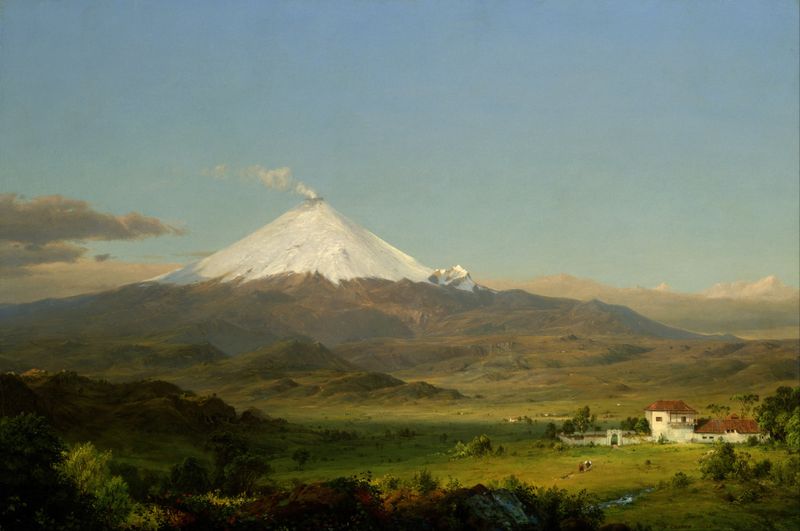
Cotopaxi
Frederic Edwin Church





