
Mt. Katahdin from Togue Pond — History & Facts
In the stillness of nature, we confront not only beauty but also the fleeting nature of existence itself. Focus first on the majestic splendor of the looming mountain, where the sharp peak of Katahdin pierces the clear sky, bathed in soft hues of blue and warm sunlight. Notice how the vibrant greens of the foreground create a lush contrast, framing the scene and drawing one’s gaze upward. The delicate play of light dances across the water's surface, mirroring the mountain's grandeur while inviting introspection about the serene yet transitory moment captured on canvas. Delve deeper into the reflections upon the pond, where the whispering waves and the rugged landscape evoke a sense of tranquility tinged with an awareness of mortality.
The rich colors not only celebrate the vivid beauty of the wilderness but also hint at the impermanence that shadows all of nature. Each brushstroke seems to resonate with a quiet reminder that even the most breathtaking vistas will eventually fade into memory. In the late 1870s, Church found himself reflecting on the sublime aspects of nature, influenced by the Romantic movement's ideals. Painting *Mt.
Katahdin from Togue Pond*, he sought to convey a profound connection between humanity and the natural world, embodying the era's emerging appreciation for the American landscape. It was a time of personal and artistic exploration, as Church grappled with the dualities of beauty and the inevitable passage of time.
More Artworks by Frederic Edwin Church
Browse all →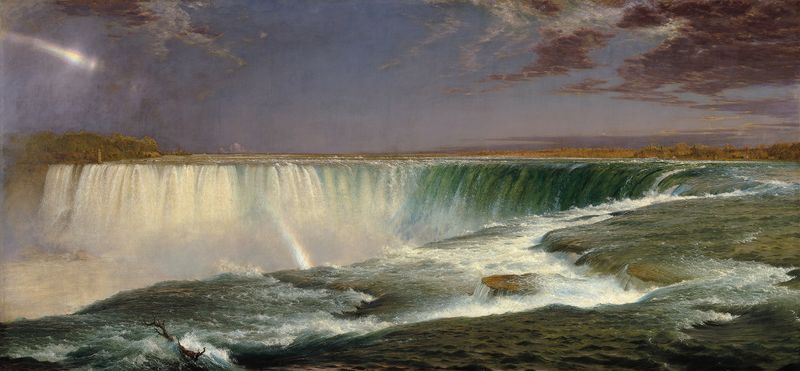
Niagara
Frederic Edwin Church
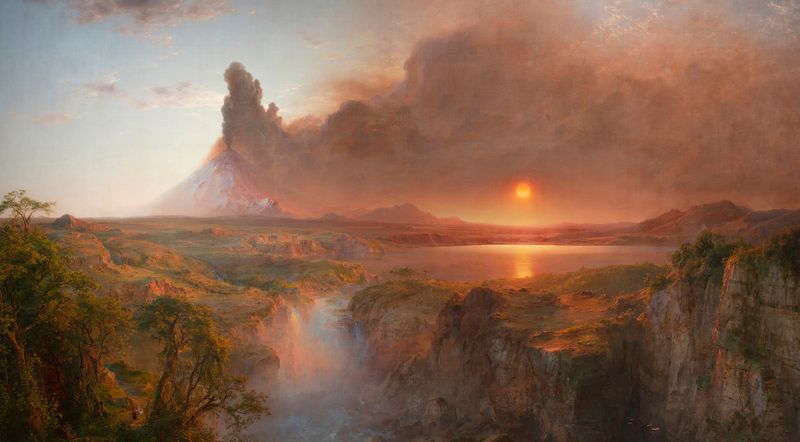
Cotopaxi
Frederic Edwin Church
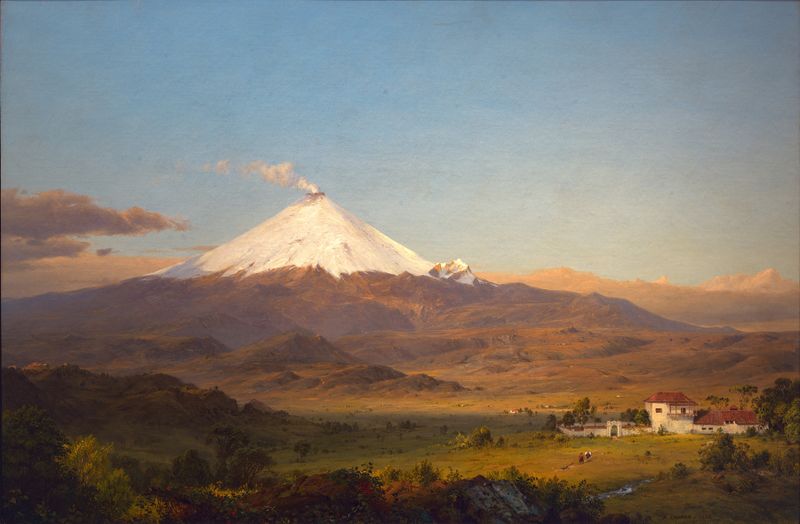
Cotopaxi
Frederic Edwin Church
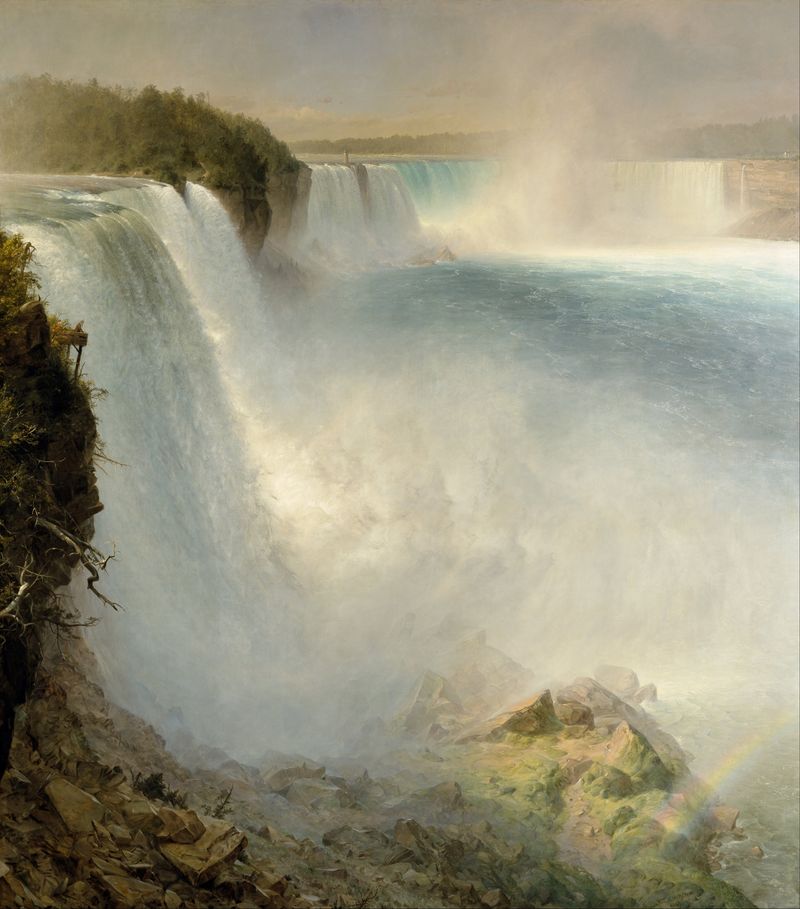
Niagara Falls, from the American Side
Frederic Edwin Church
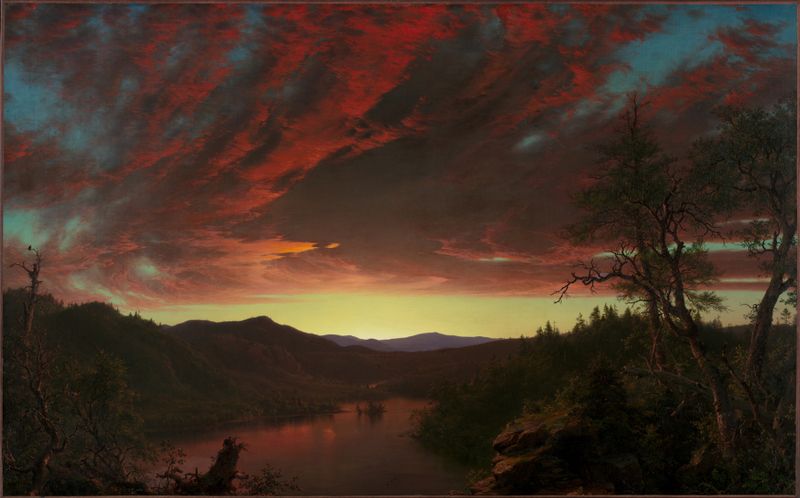
Twilight in the Wilderness
Frederic Edwin Church
Hudson Valley at Sunset
Frederic Edwin Church
The Hintersee, near Berchtesgaden, Bavaria
Frederic Edwin Church
Mountains near Baalbec
Frederic Edwin Church
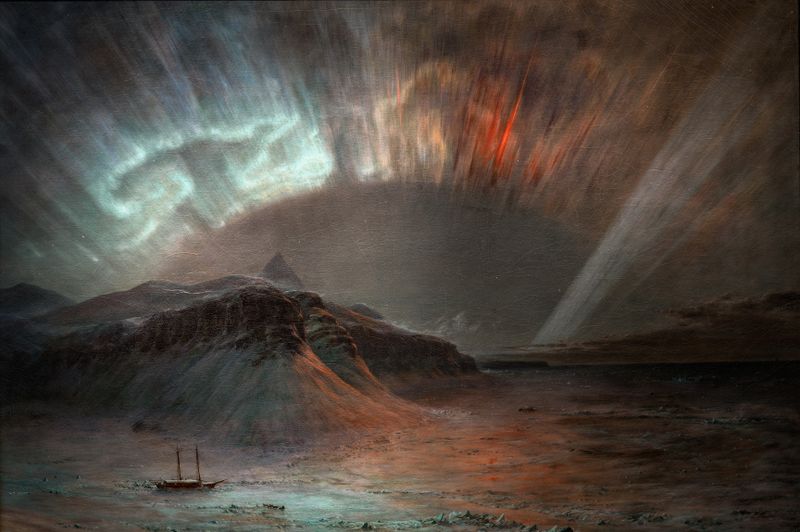
Aurora Borealis
Frederic Edwin Church
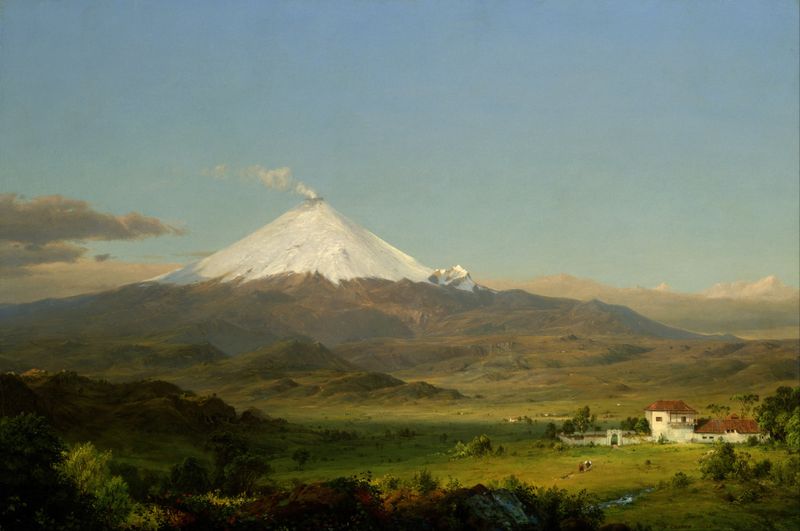
Cotopaxi
Frederic Edwin Church





