
Mts. Katahdin and Turner from Lake Katahdin — History & Facts
Did the painter know this moment would outlive them? The essence of time captured in a single frame speaks of nature's grandeur and humanity's fleeting presence within it. Focus on the sweeping panorama that unfolds before you. Look to the horizon, where the majestic Mts. Katahdin stand proudly against a sky brushed with hues of orange and blue.
Notice how the sunlight dances across the textured surface of the lake, reflecting the towering peaks, creating a mirage of connection between earth and sky. The vivid colors and meticulous detail reveal a masterful blend of realism and Romanticism, drawing the viewer into an almost sacred communion with the landscape. Yet, amidst this breathtaking beauty lies a profound tension — the inevitable passage of time. The clouds, billowing and luminous, suggest the ephemeral nature of existence, while the serene lake symbolizes stillness and contemplation.
The juxtaposition of the rugged mountains and the tranquil waters evokes a sense of permanence against the backdrop of transience. This duality invites reflection on our own legacies, as we ponder what we leave behind in the world. Frederic Edwin Church created this piece between 1860 and 1878, during a period of immense transformation in American art and society. He was a key figure in the Hudson River School, a movement emphasizing the sublime beauty of the American landscape.
As the nation grappled with its identity, the artist found solace in the natural world, channeling both his artistic aspirations and the cultural zeitgeist into this striking ode to nature's wonders.
More Artworks by Frederic Edwin Church
Browse all →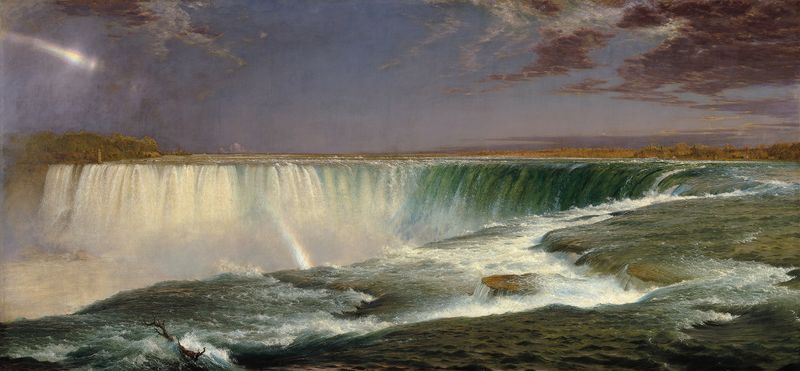
Niagara
Frederic Edwin Church
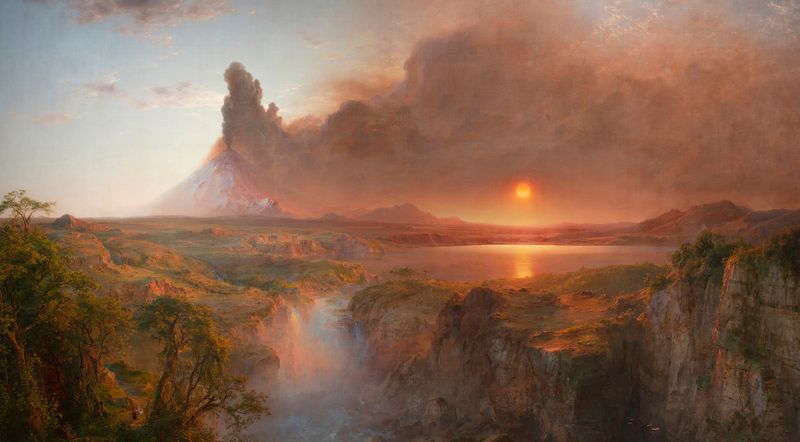
Cotopaxi
Frederic Edwin Church
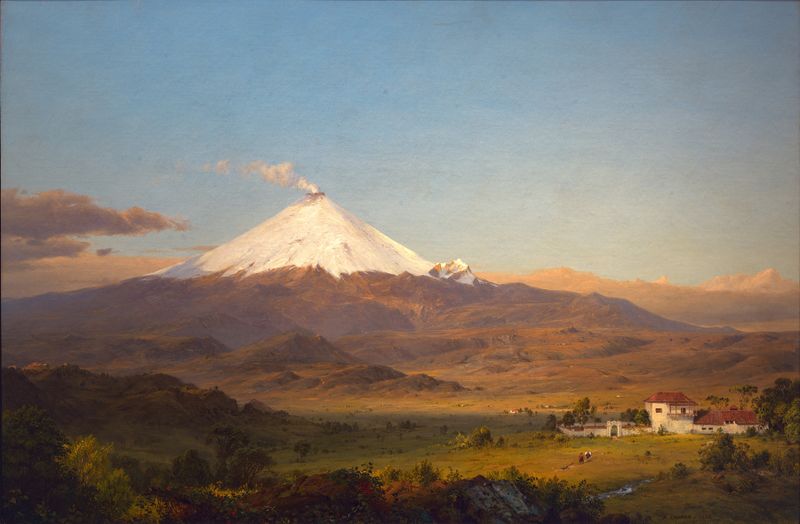
Cotopaxi
Frederic Edwin Church
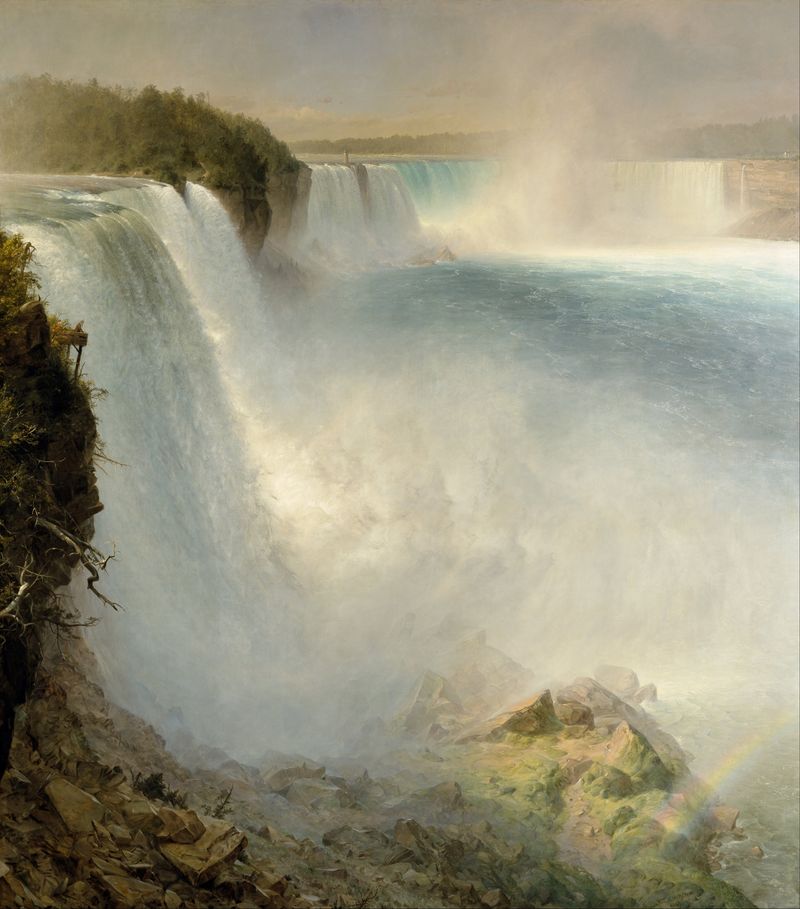
Niagara Falls, from the American Side
Frederic Edwin Church
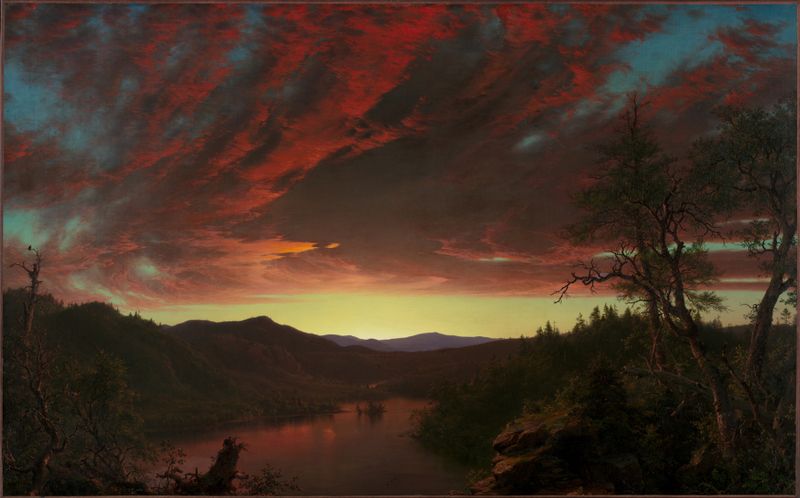
Twilight in the Wilderness
Frederic Edwin Church
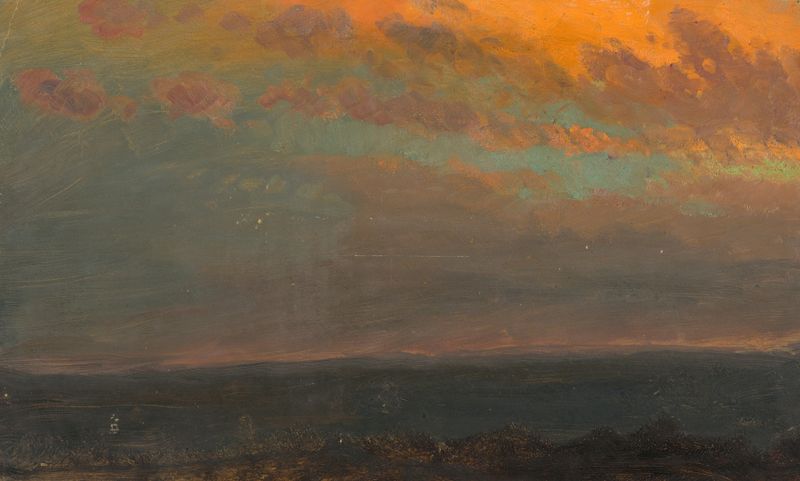
Hudson Valley at Sunset
Frederic Edwin Church
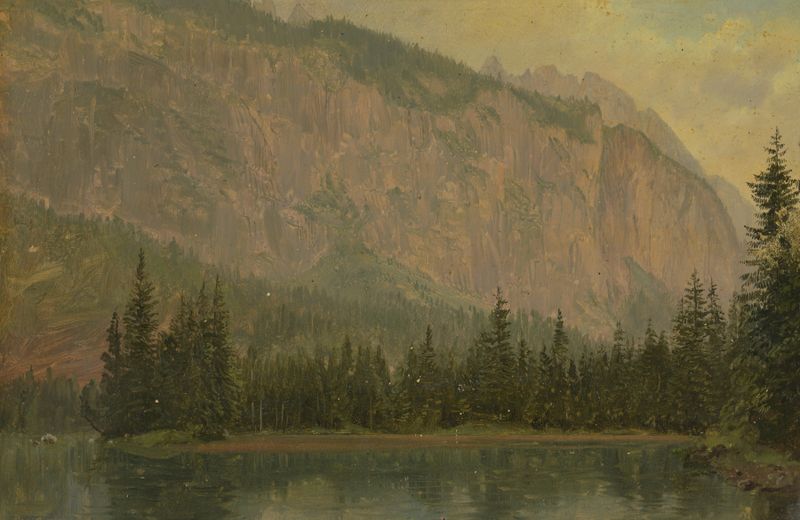
The Hintersee, near Berchtesgaden, Bavaria
Frederic Edwin Church
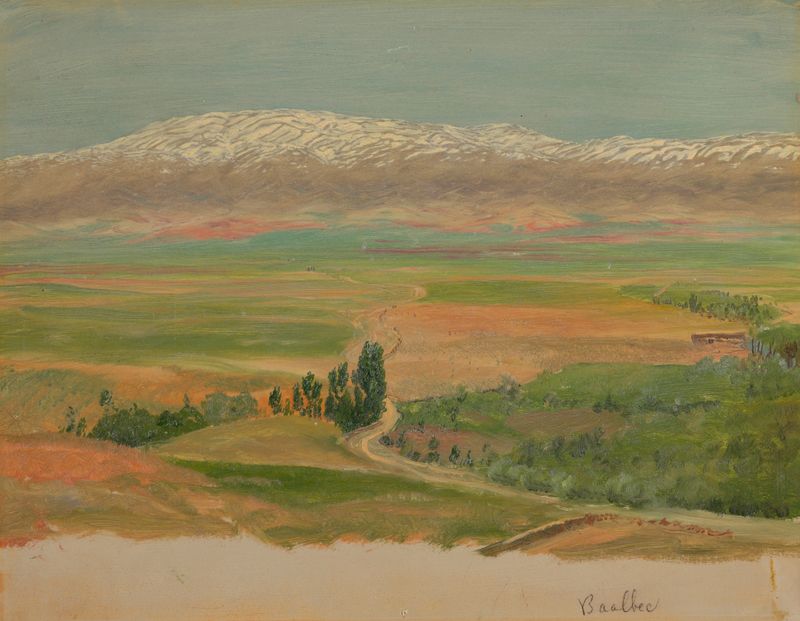
Mountains near Baalbec
Frederic Edwin Church
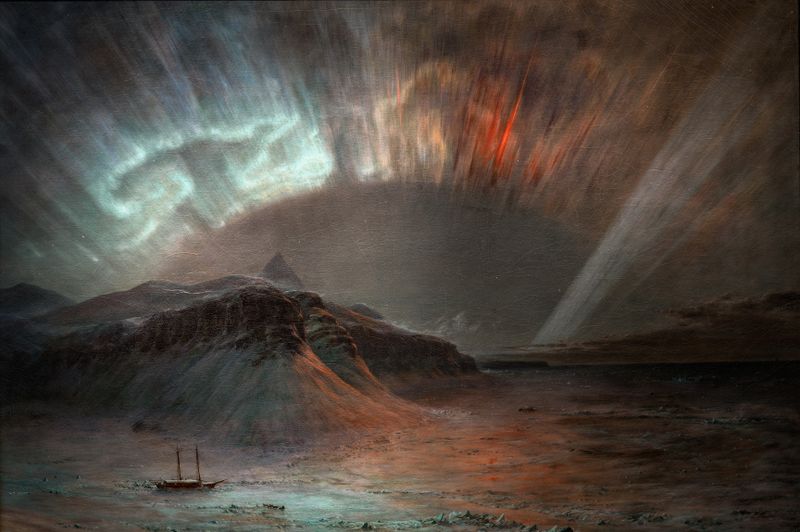
Aurora Borealis
Frederic Edwin Church
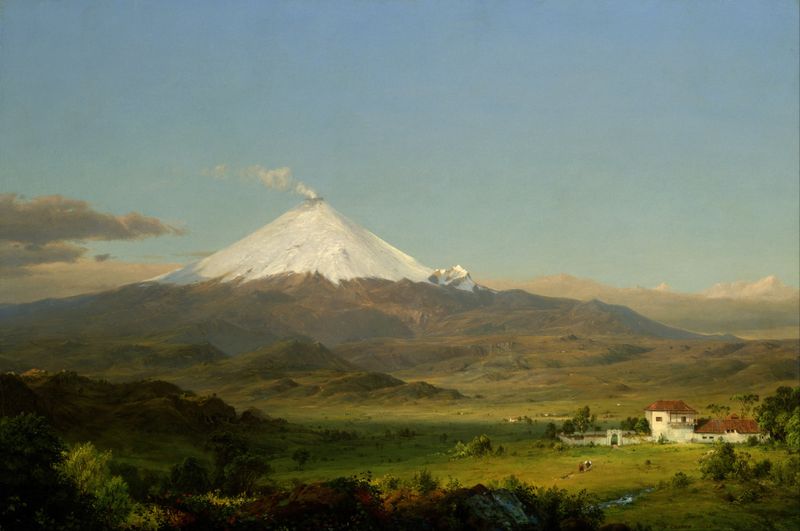
Cotopaxi
Frederic Edwin Church





