
Mühltal bei Amalfi — History & Facts
A mountain rises like a silent guardian over the clustered white buildings, its crags catching the afternoon sun while shadows gather in the valley below. The eye is drawn first to the arched stone bridge, half-shrouded in greenery, spanning a stream that glimmers with reflected sky. Two figures pause in quiet conversation on the path, their presence both grounding and fleeting, as if the landscape itself is the true subject.
The laundry hanging from a window, the Madonna painted above a doorway, and the wild vines creeping over old masonry all speak of a place shaped by both nature’s persistence and human routine. Light pours down the mountainside, guiding the gaze from distant ruins to the intimacy of daily life, and the palette—cool greens, warm ochres, sunlit whites—captures the sharp clarity of southern air. Painted by Albert August Zimmermann by 1888, this view belongs to a tradition of late nineteenth-century landscape painting that sought out the picturesque corners of southern Europe. Artists of this era, often traveling from northern countries, were captivated by the interplay of ancient architecture and rugged terrain, and collectors prized such works as windows onto an Italy both timeless and changing.
The painting’s presence in the Dorotheum collection today is a quiet testament to the enduring appeal of these scenes, even as history has kept few traces of their individual journeys. Every detail in this image invites the viewer to linger, to imagine the coolness of the stream and the warmth of the stone, and to wonder what stories these walls might tell.
More Artworks by Albert August Zimmermann
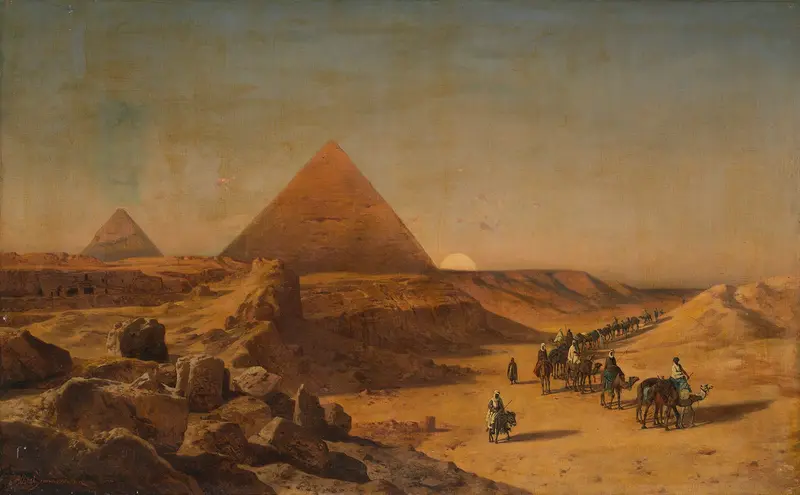
Pyramids
Albert August Zimmermann

Schwäbische Alb
Albert August Zimmermann
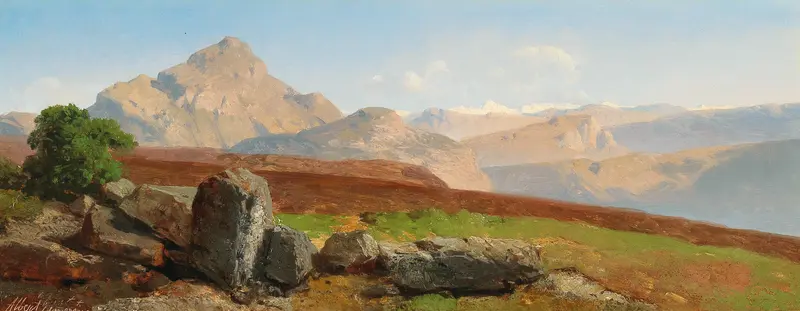
Mountain Landscape
Albert August Zimmermann
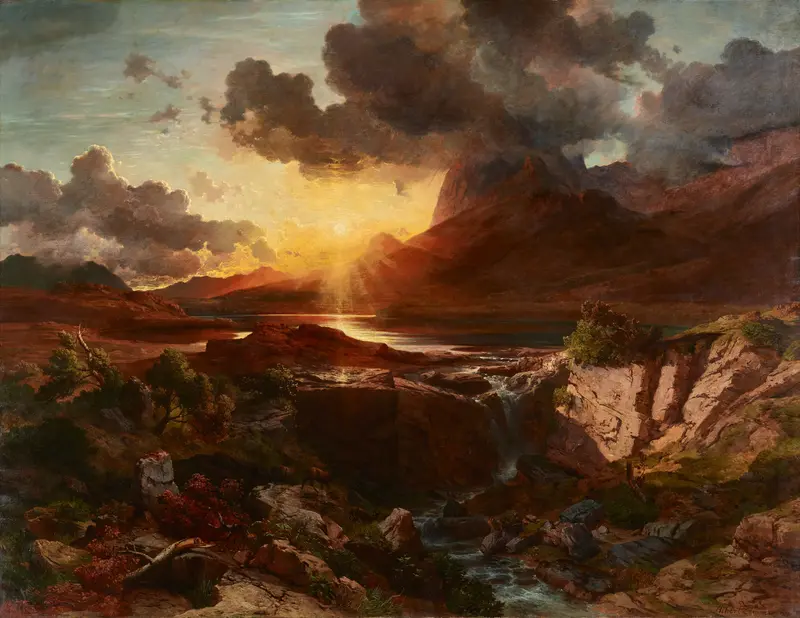
Sonnenuntergang am Hintersee in Berchtesgaden 13 Österreichische Galerie Belvedere
Albert August Zimmermann
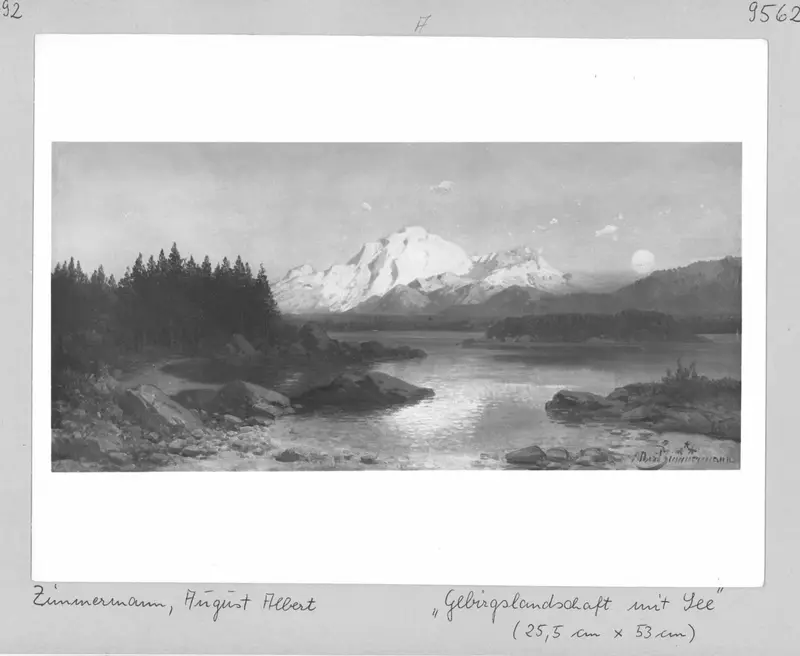
Mountain-landscape with lake
Albert August Zimmermann
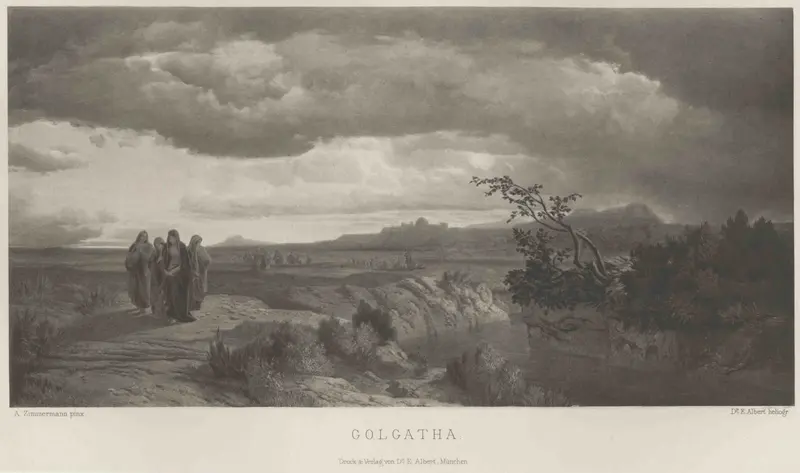
Golgatha
Albert August Zimmermann
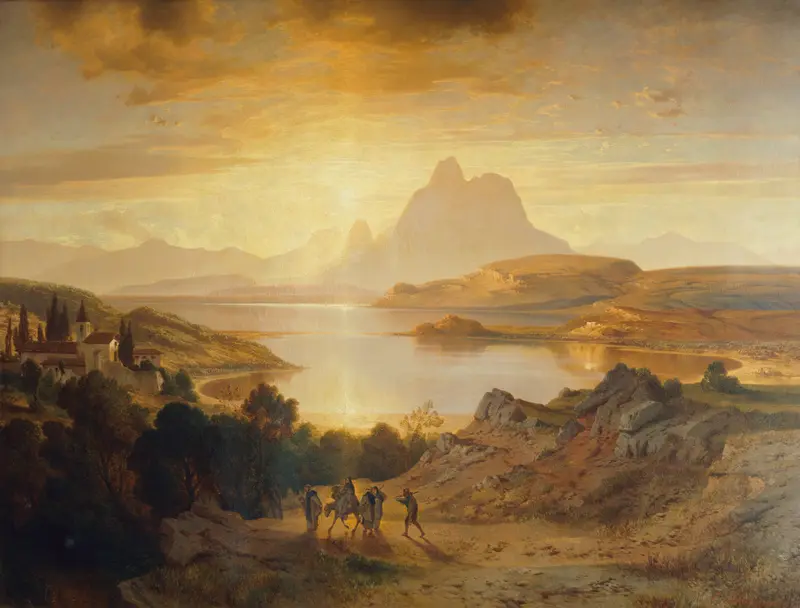
Lago di Lugano 65 Österreichische Galerie Belvedere
Albert August Zimmermann
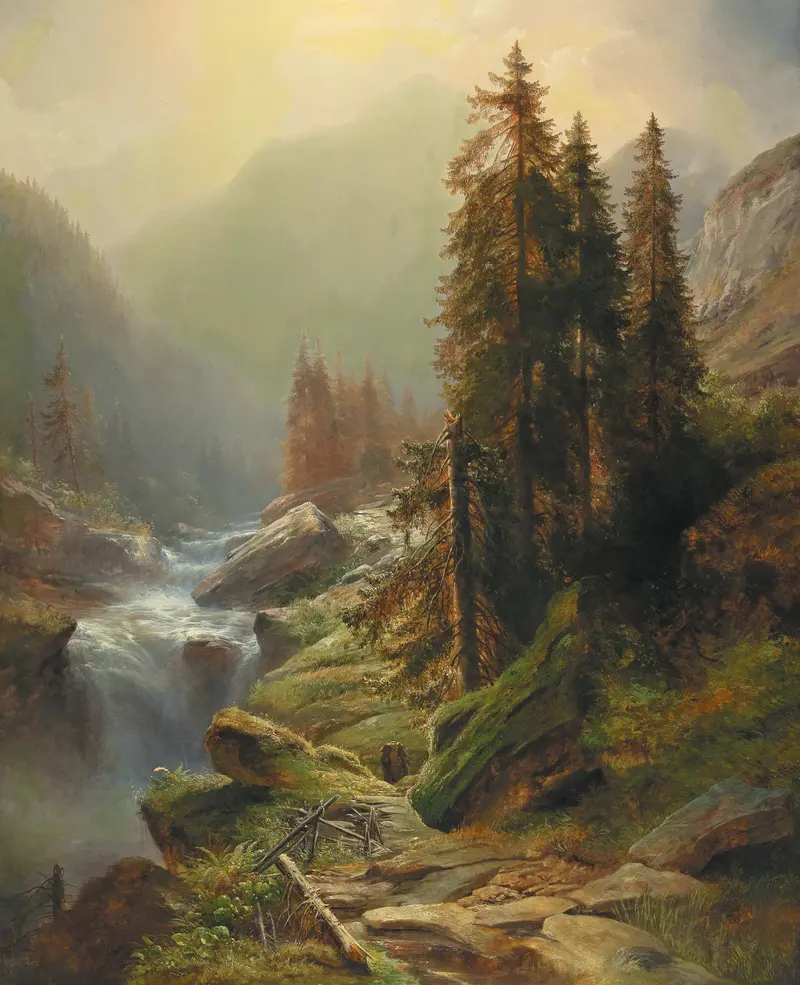
Large Mountain Landscape
Albert August Zimmermann
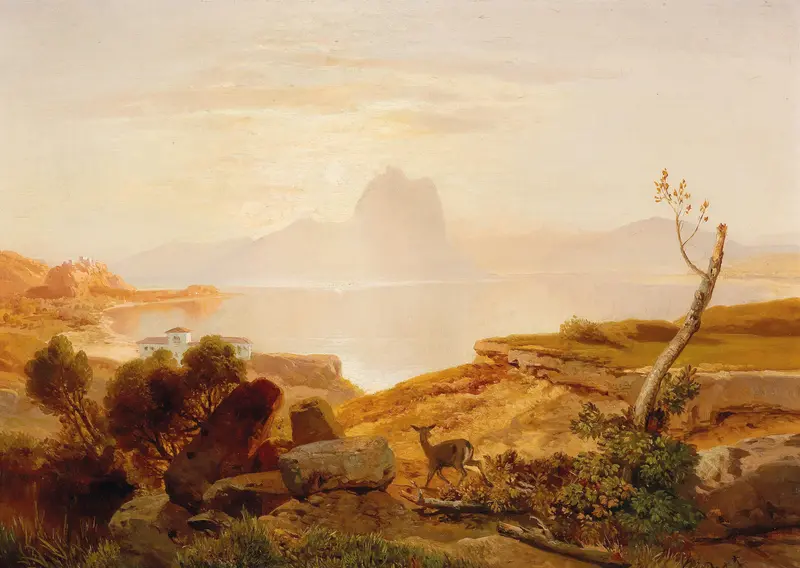
Partie am Como See
Albert August Zimmermann
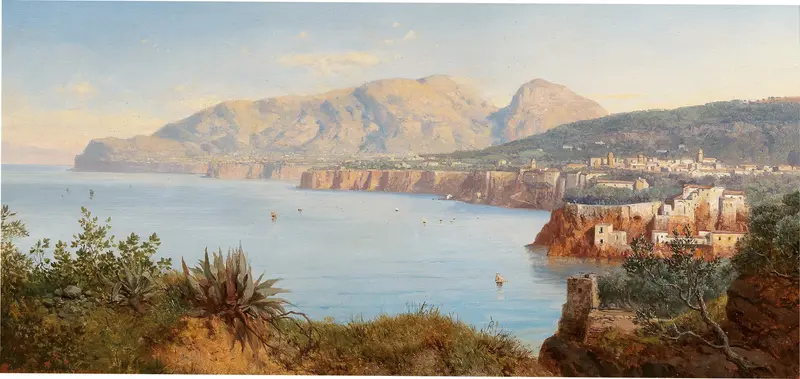
Coastal landscape in Sorrento near Naples
Albert August Zimmermann
More Landscape Art

The Starry Night
Vincent van Gogh

View of Delft
Johannes Vermeer

Water Lilies
Claude Monet

The Grand Canal, Venice, looking north-west from the Ca' Corner to the Ca' Contarini degli Scrigni, with the campanile of Santa Maria della Carità
Canaletto

Windsor Castle
Canaletto

The Grand Canal looking North-East from the Palazzo Dolfin-Manin to the Rialto Bridge
Canaletto