
Partie am Como See — History & Facts
A hush settles over the landscape in Partie am Como See, drawing the viewer into a world where the golden haze of late afternoon seems to suspend time itself. The eye is led from the rugged foreground, where a solitary deer pauses mid-step, to the tranquil expanse of water that stretches toward distant, mist-shrouded mountains. The light pools and glows across the scene, softening the outlines of villas nestled among trees and lending the entire view a sense of gentle anticipation.
Every element here serves a purpose: the deer’s presence signals a moment of quiet watchfulness, the angled trunk of a sapling frames the scene, and the rocky ledge in the foreground anchors the viewer to the earth before the gaze drifts outward across the lake. Painted by Albert August Zimmermann by 1888, this work belongs to a tradition of 19th-century landscape painting that celebrated both the grandeur and intimacy of nature. Such paintings were often sought by collectors eager to bring the beauty of celebrated sites—like Lake Como—into their homes, a testament to the era’s fascination with travel, natural wonders, and the picturesque. The genre thrived as artists responded to industrialization by seeking out places that offered a sense of peace and harmony.
While history has kept few traces of this particular painting’s journey, its presence in a modern collection reminds us how these quiet landscapes continue to invite viewers to linger, searching for stories in the play of light and land.
More Artworks by Albert August Zimmermann
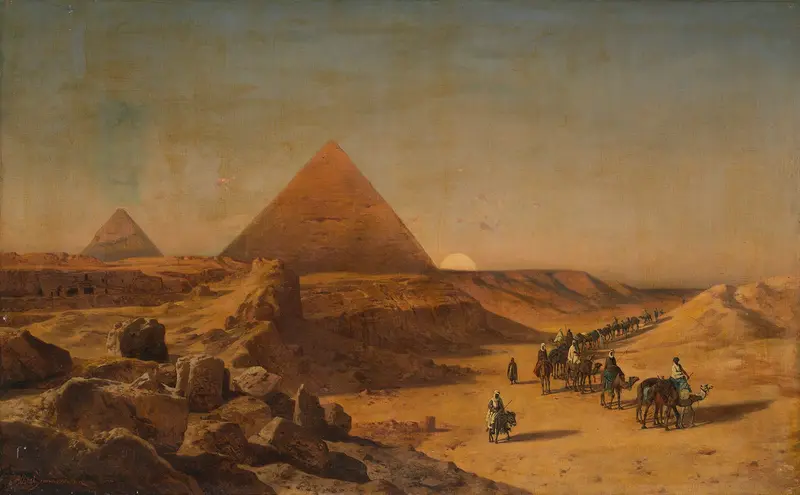
Pyramids
Albert August Zimmermann

Schwäbische Alb
Albert August Zimmermann
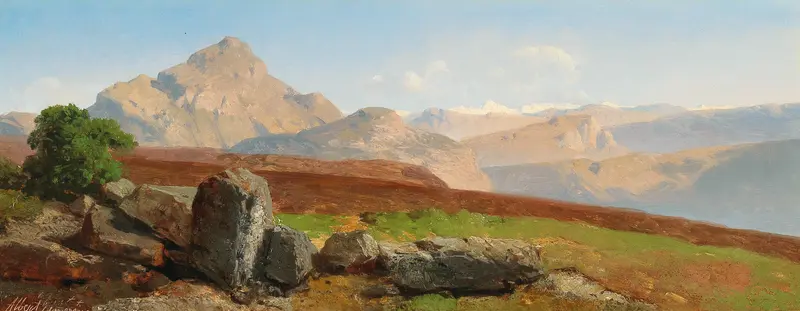
Mountain Landscape
Albert August Zimmermann
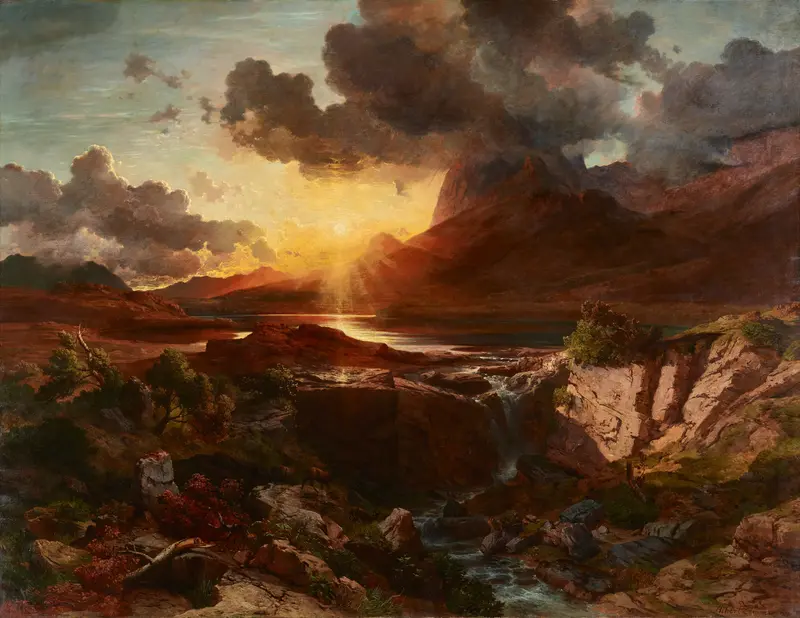
Sonnenuntergang am Hintersee in Berchtesgaden 13 Österreichische Galerie Belvedere
Albert August Zimmermann
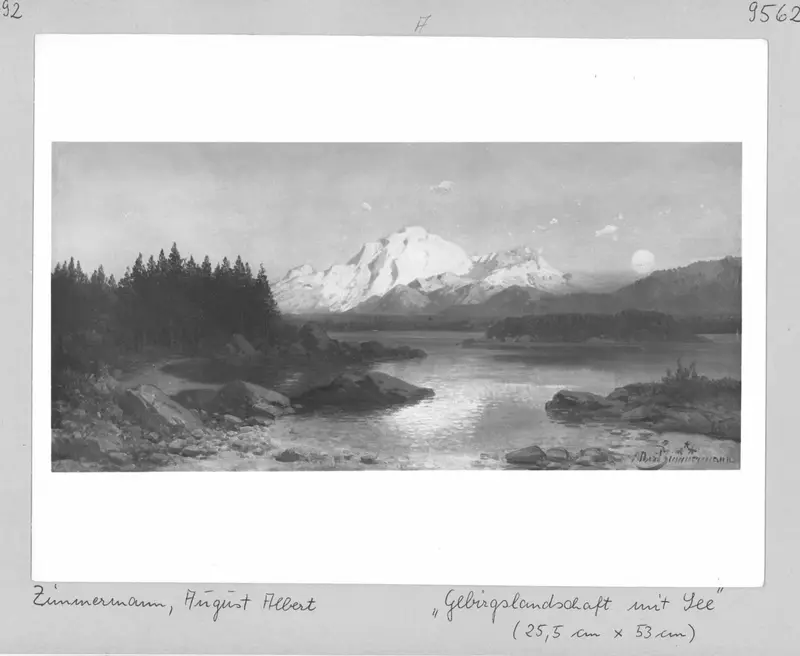
Mountain-landscape with lake
Albert August Zimmermann
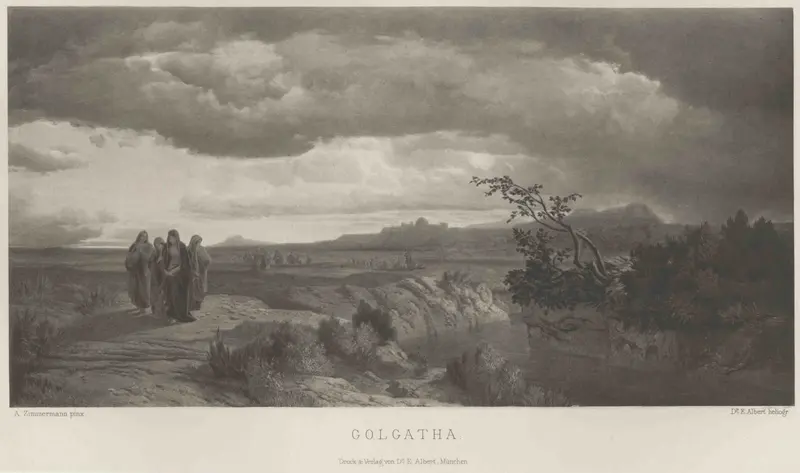
Golgatha
Albert August Zimmermann
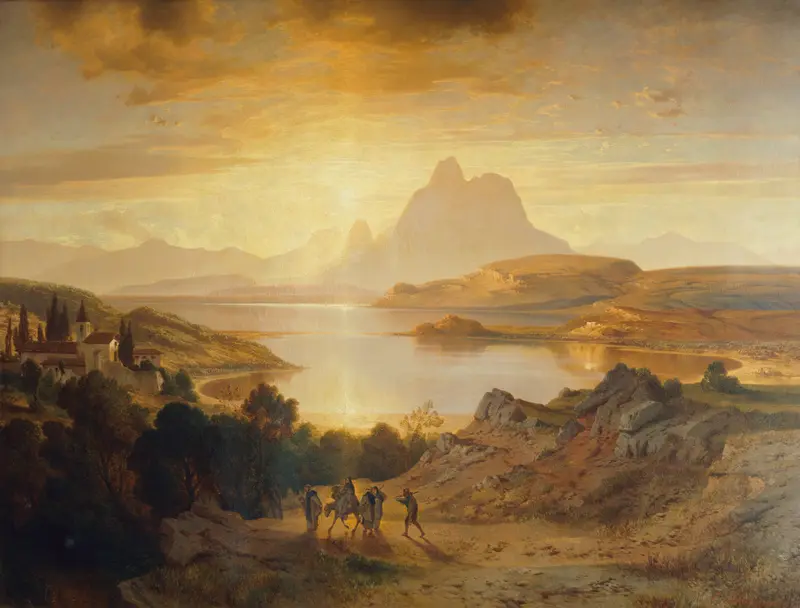
Lago di Lugano 65 Österreichische Galerie Belvedere
Albert August Zimmermann
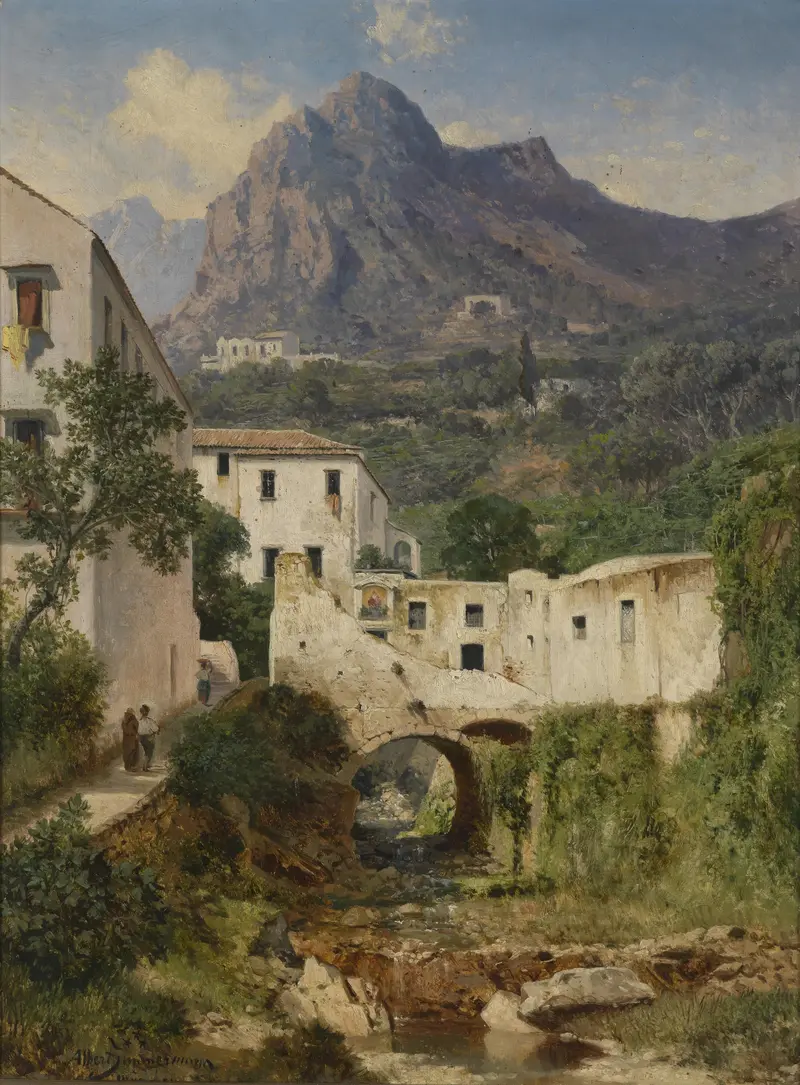
Mühltal bei Amalfi
Albert August Zimmermann
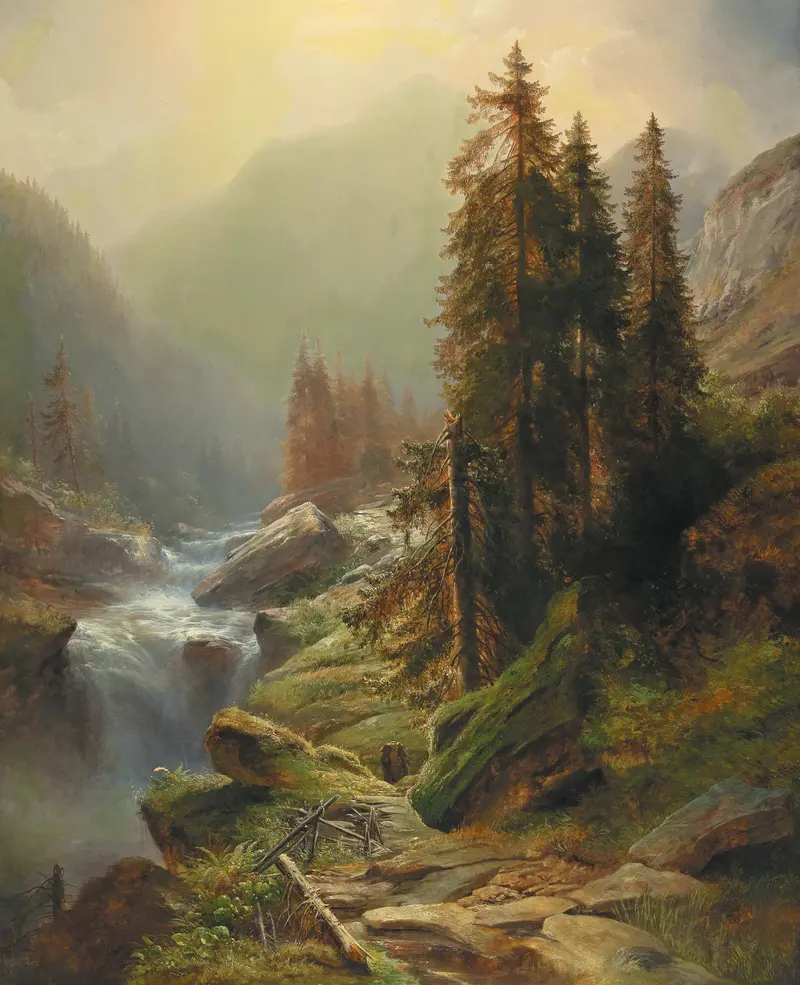
Large Mountain Landscape
Albert August Zimmermann
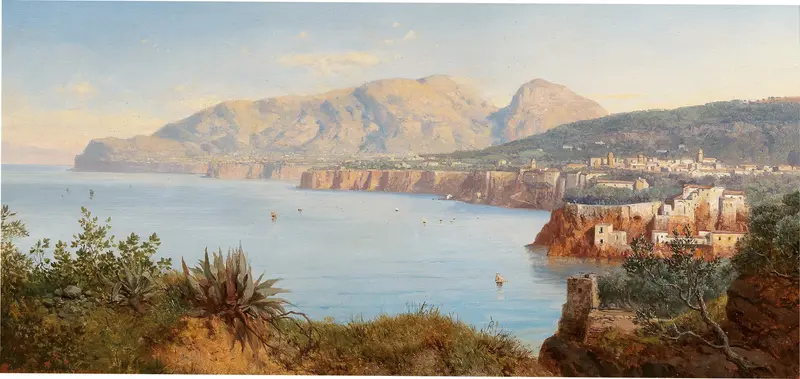
Coastal landscape in Sorrento near Naples
Albert August Zimmermann
More Landscape Art

The Starry Night
Vincent van Gogh

View of Delft
Johannes Vermeer

Water Lilies
Claude Monet

The Grand Canal, Venice, looking north-west from the Ca' Corner to the Ca' Contarini degli Scrigni, with the campanile of Santa Maria della Carità
Canaletto

Windsor Castle
Canaletto

The Grand Canal looking North-East from the Palazzo Dolfin-Manin to the Rialto Bridge
Canaletto