
Mulier Persiana — History & Facts
Who listens when art speaks of silence? In Wenceslaus Hollar's Mulier Persiana, the absence of sound resonates louder than any cacophony, drawing viewers into a world where the void is as powerful as presence. Look closely at the figure standing gracefully at the center. The delicate lines of her attire, draped elegantly, create a striking contrast against the stark white background. Notice how Hollar employs subtle hatching to define her form, inviting your gaze to linger on the intricate details of her clothing and the soft contours of her face.
The light plays gently across her features, emphasizing the elegance of her posture and the quiet strength in her expression. This artwork reveals layers of emotion—subdued longing, cultural significance, and a hint of mystery. The woman's downcast gaze suggests introspection, while her poised demeanor hints at an unspoken story. The void around her, rendered with minimal distraction, amplifies her presence and invites contemplation, transforming the viewer into a silent participant in her narrative.
The play between presence and absence challenges us to consider what lies beneath the surface of the depicted figure. Created in 1644, during a time of upheaval in Europe, Hollar's Mulier Persiana reflects both the personal and the political in his life. Living in the midst of the Thirty Years' War and its aftermath, the artist found refuge in his work, exploring themes of identity and cultural representation. This piece serves as a testament to the resilience of the human spirit amidst chaos, embodying the tension between visibility and obscurity that permeated his era.
More Artworks by Wenceslaus Hollar
Browse all →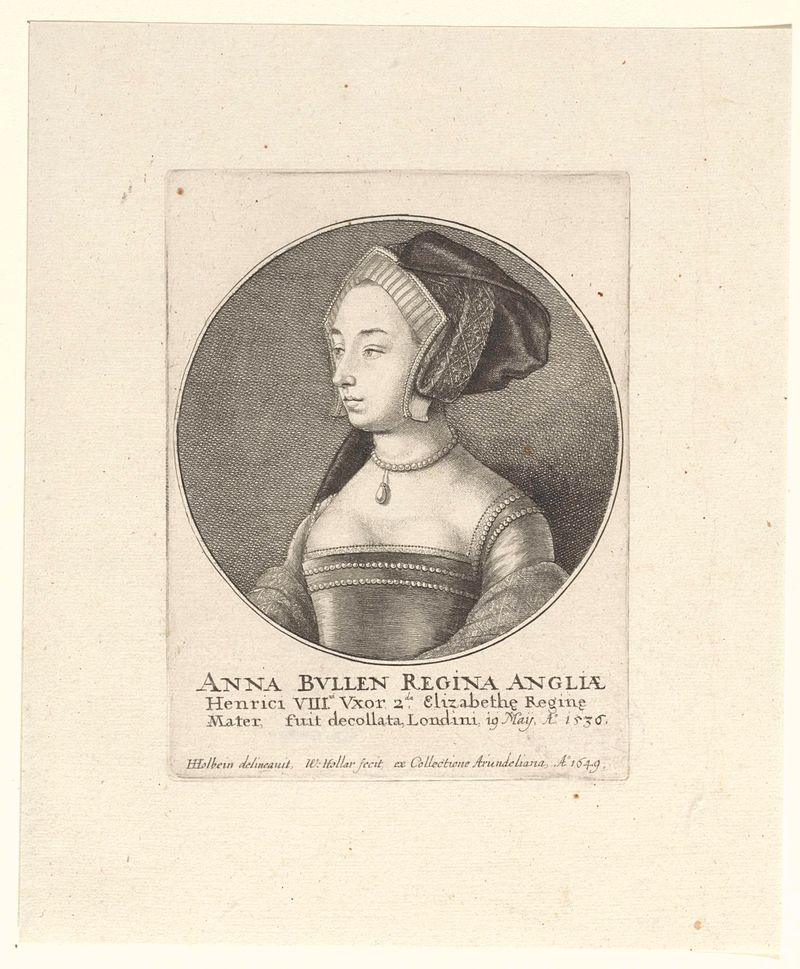
Portret van Anna Boleyn, koningin van Engeland
Wenceslaus Hollar
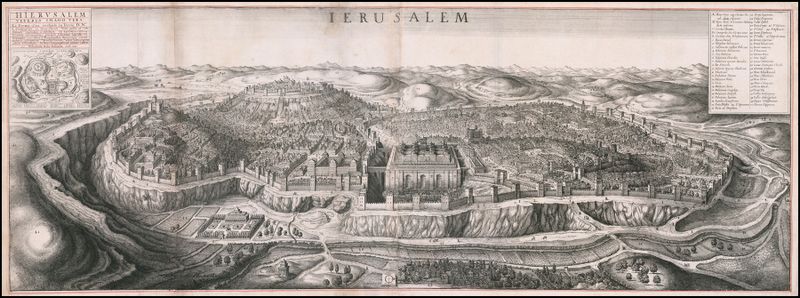
Bird’s eye view of Jerusalem
Wenceslaus Hollar
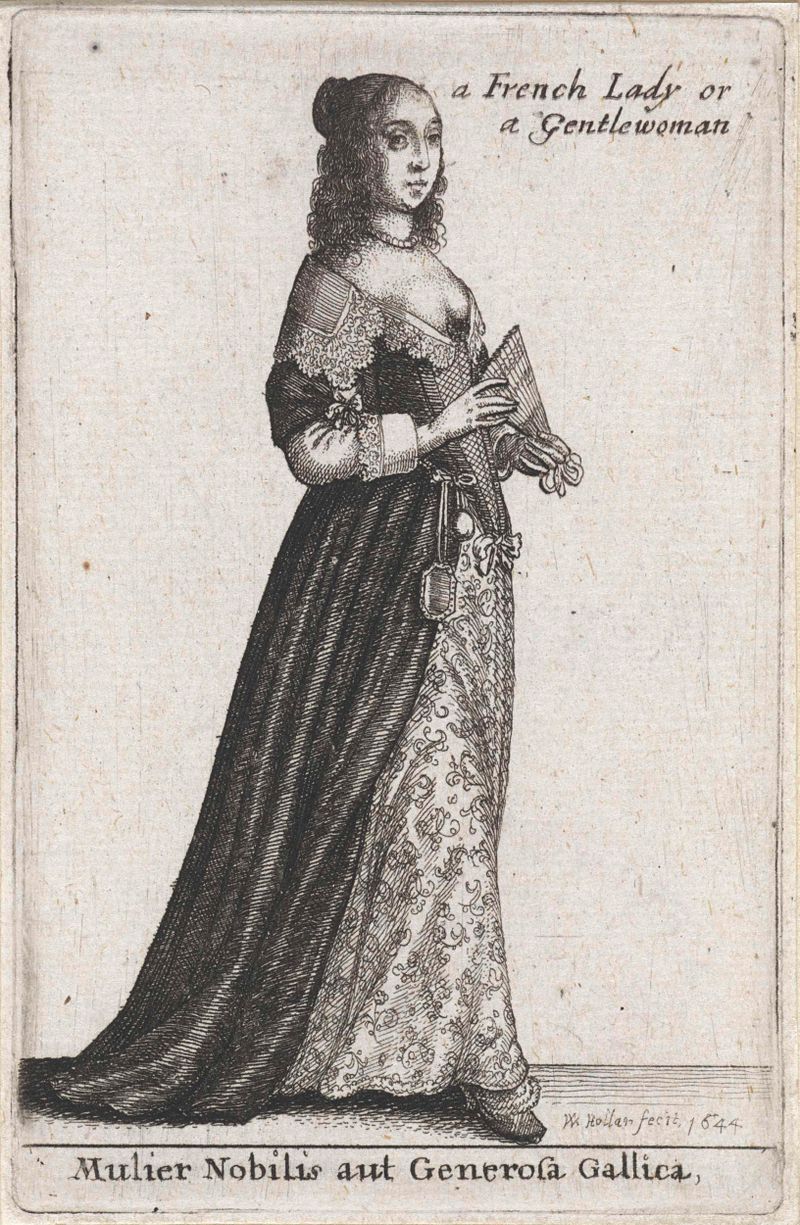
Mulier Nobilis aut Generosa Gallica / a French Lady or Gentlewoman
Wenceslaus Hollar
Titelprent voor: Ornatus Muliebris Anglicanus
Wenceslaus Hollar
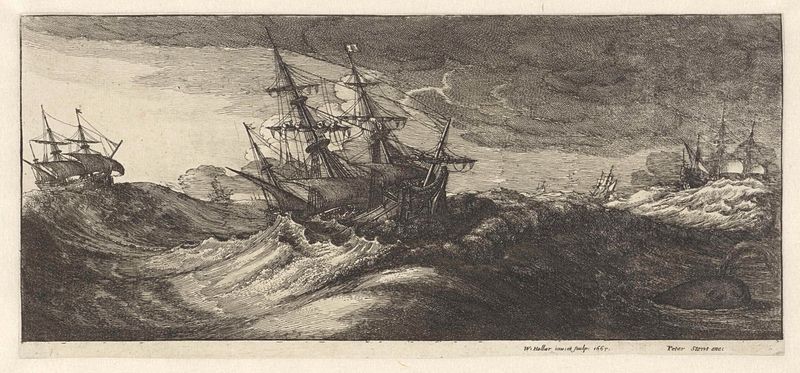
Oorlogsschepen en een walvis in een zeestorm
Wenceslaus Hollar
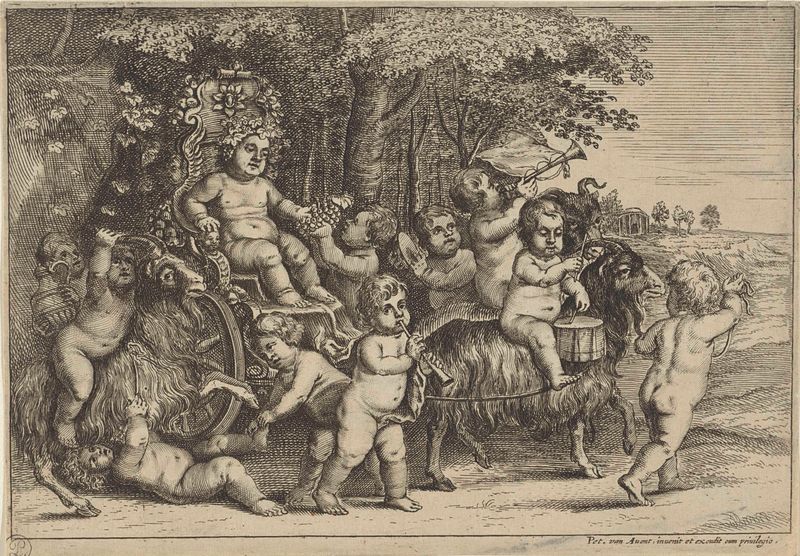
Optocht van bacchant en jongetjes op geiten
Wenceslaus Hollar
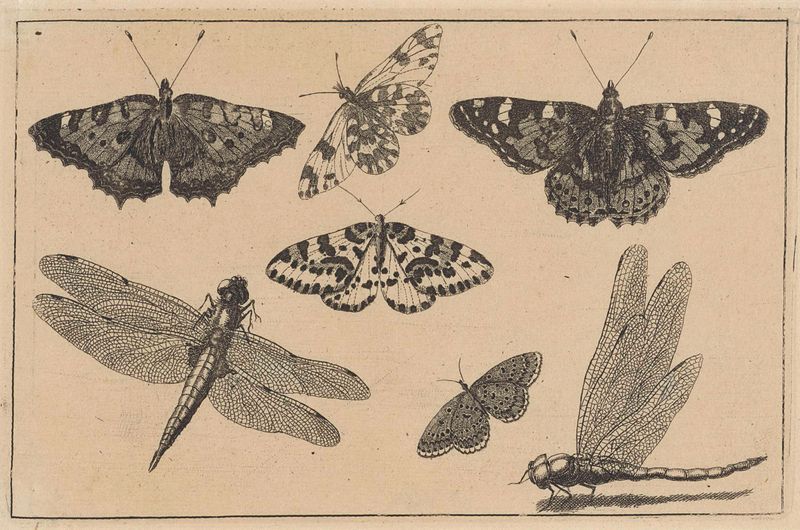
Twee libellen en vijf vlinders
Wenceslaus Hollar
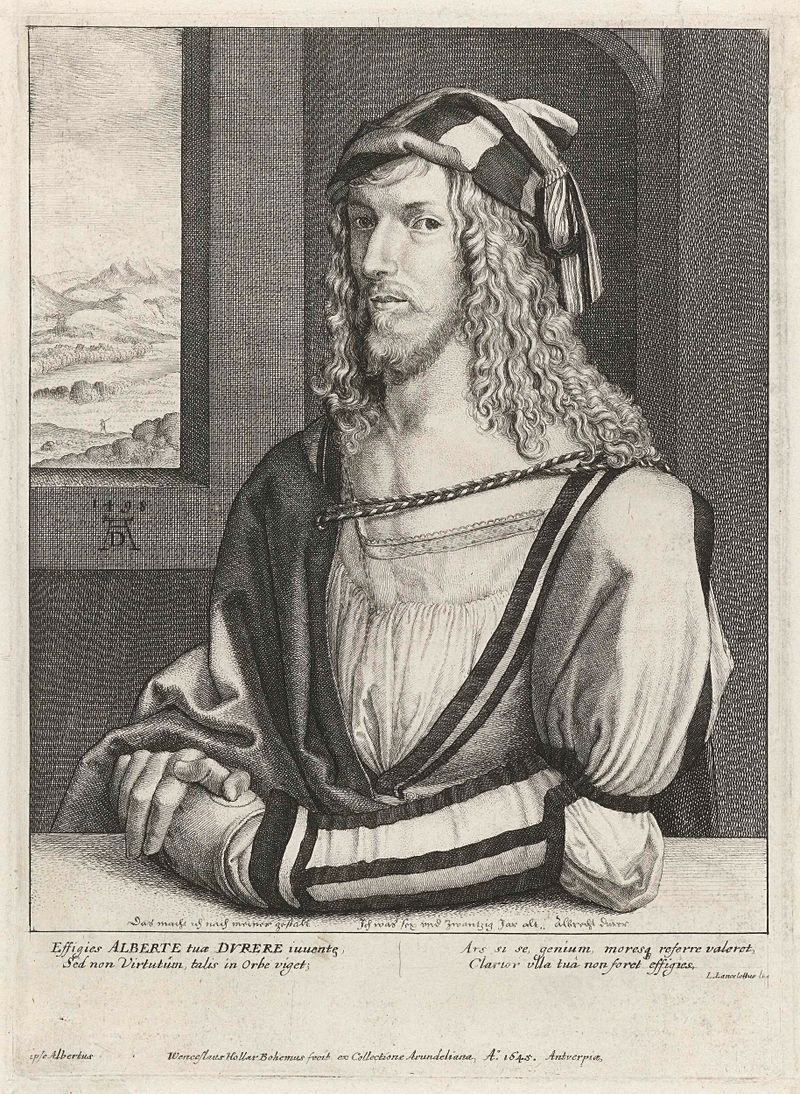
Portret van Albrecht Dürer
Wenceslaus Hollar
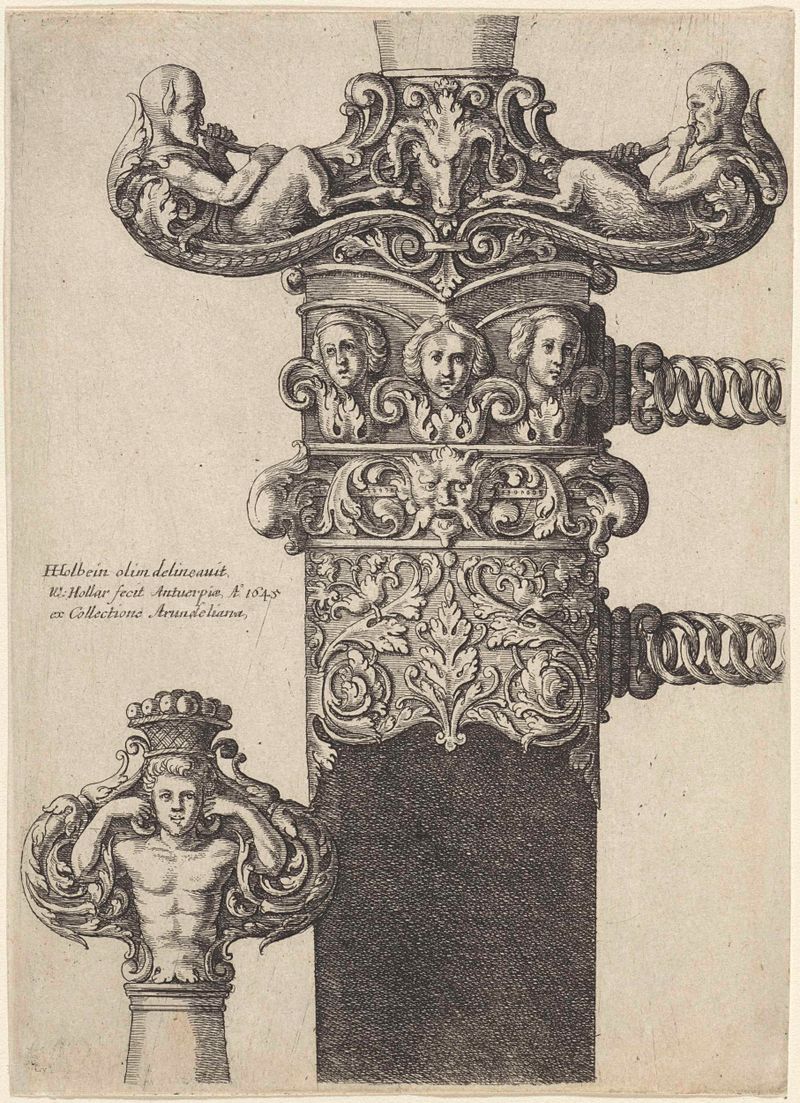
Ornamenteel ontwerp voor een dolk
Wenceslaus Hollar
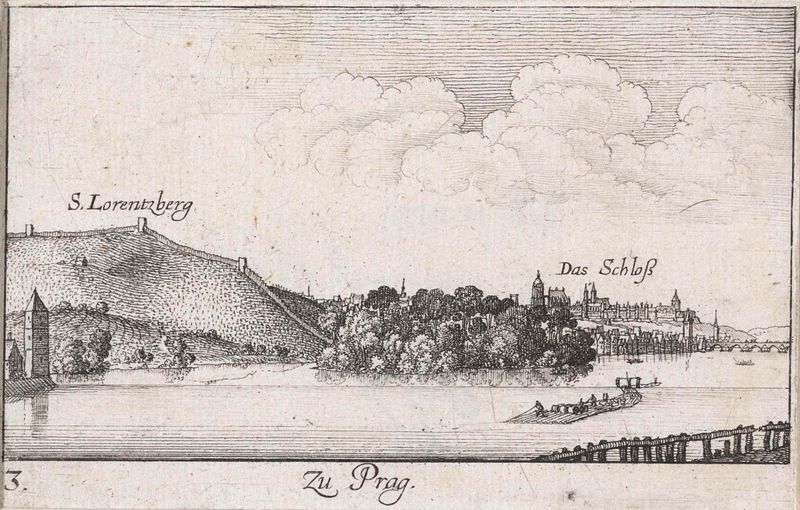
Gezicht op Praag vanaf de Moldau
Wenceslaus Hollar





