
Municipal house, or Deputation. — History & Facts
Where does light end, and longing begin? In the delicate interplay of illumination and shadow, beauty unfolds—a silent dialogue of yearning captured through brushstrokes. Look closely at the intricate details that make up the composition. Notice the soft light cascading over the ornate architecture of the Municipal House. The delicate interplay of warm creams and cool grays creates a harmonious balance, guiding your gaze across the façade.
The careful arrangement of figures, their postures poised yet reflective, invites you to explore their emotions, as their subtle gestures speak volumes, revealing the tension of the moment. Delve deeper into the layers of significance within the work. The juxtaposition of the grand architectural elements against the seemingly small, intimate figures reflects the contrast between societal duty and personal aspiration. Each character's expression captures a fleeting moment of contemplation, suggesting the weight of their roles amidst the grandeur.
The beauty of the scene lies not only in its visual splendor but also in the unspoken stories woven into the fabric of the collective experience. In 1869, C. Castro painted this evocative work during a transformative period for the arts in Europe. The atmosphere of burgeoning nationalism and the rise of civic pride influenced the artist's focus on public spaces and their social implications.
Creating Municipal House, or Deputation in this context allowed him to blend architectural beauty with poignant human emotion, providing a glimpse into the era's artistic aspirations.
More Artworks by C. Castro
Browse all →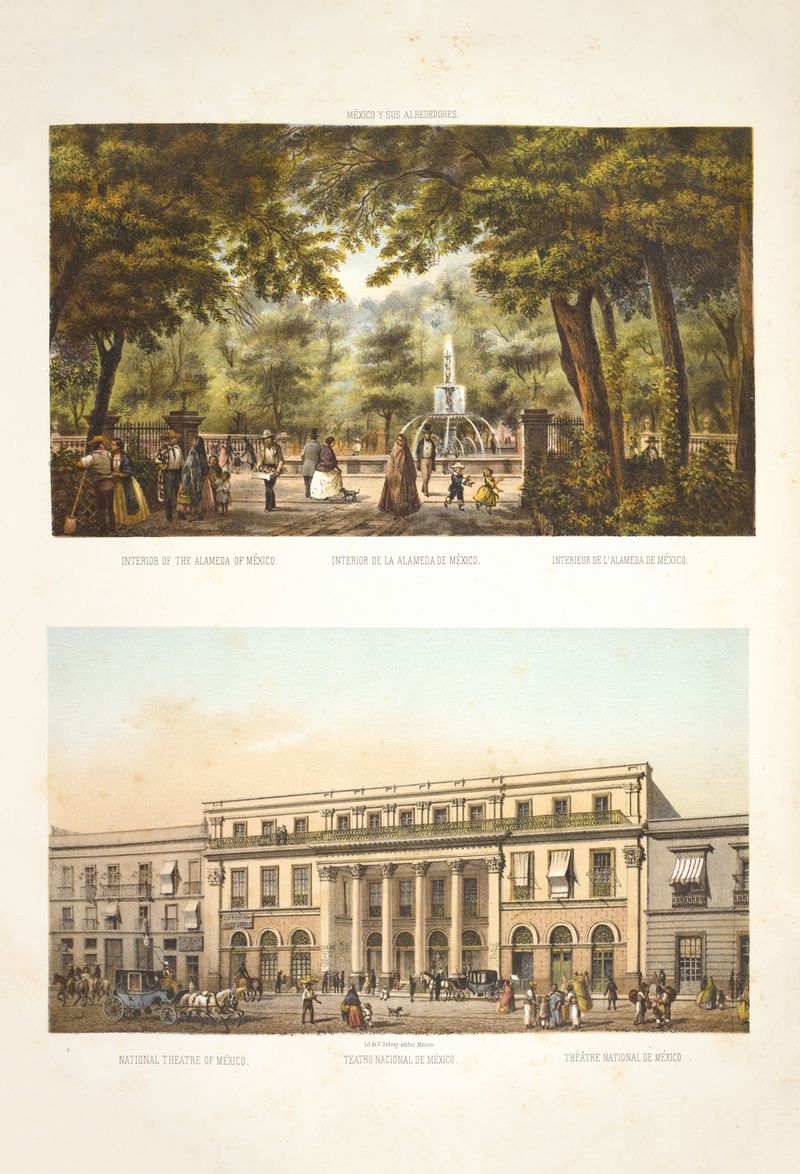
Interior of the Alameda of Mexico ; National Theatre of Mexico.
C. Castro
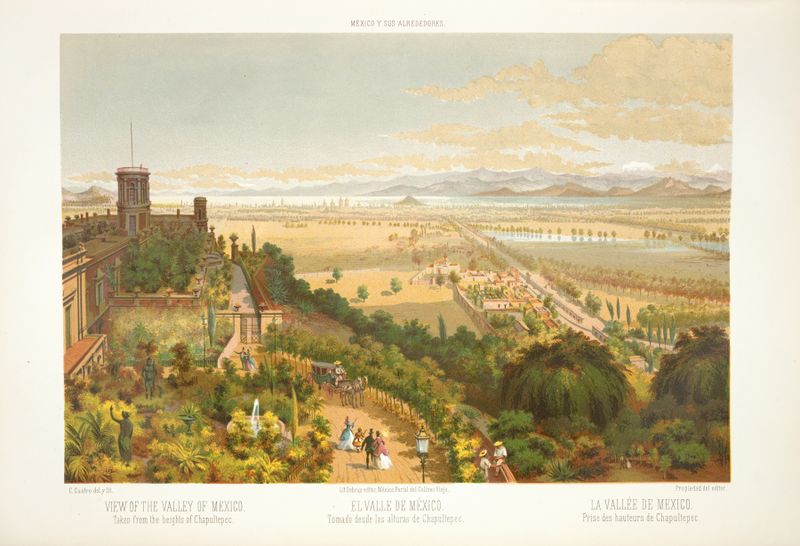
View of the Valley of Mexico, taken from the heights of Chapultepec.
C. Castro
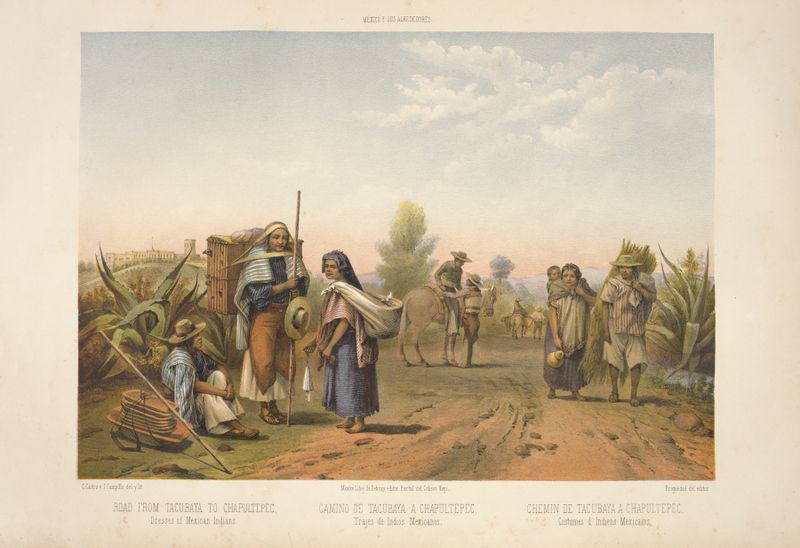
Road from Tacubaya to Chapultepec, dresses of Mexican Indians.
C. Castro
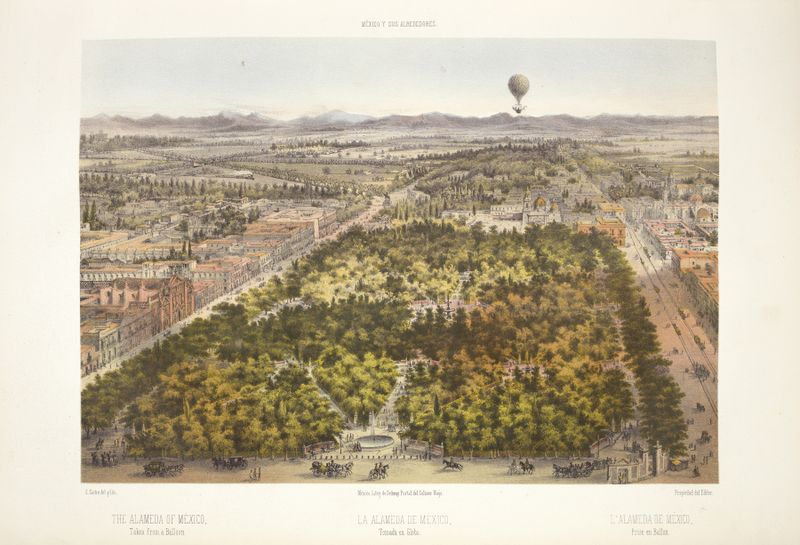
The Alameda of Mexico, taken from a balloon.
C. Castro
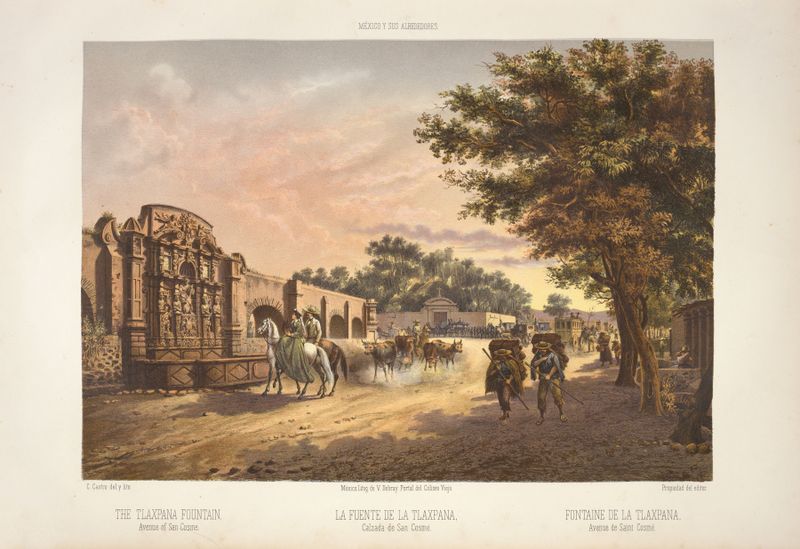
The Tlaxpana fountain, Avenue of San Cosme.
C. Castro
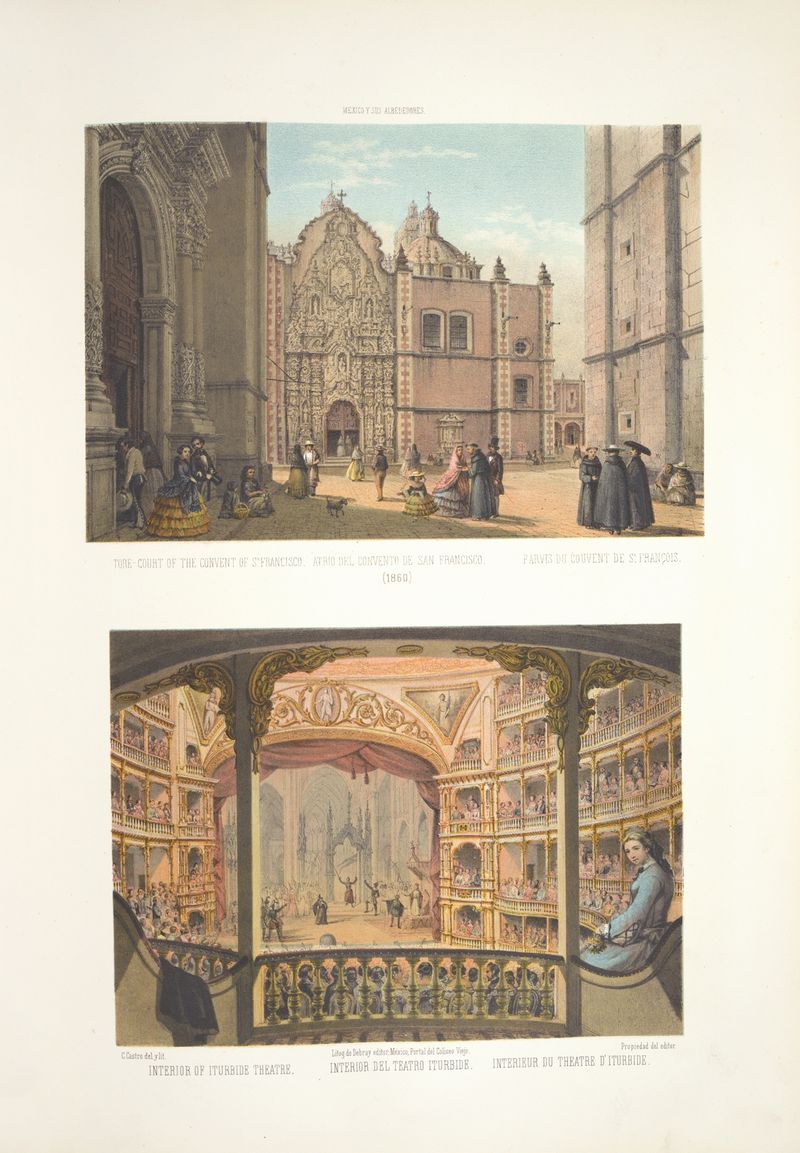
Tore-court of the convent of St. Francisco ; Interior del Teatro Iturbide
C. Castro
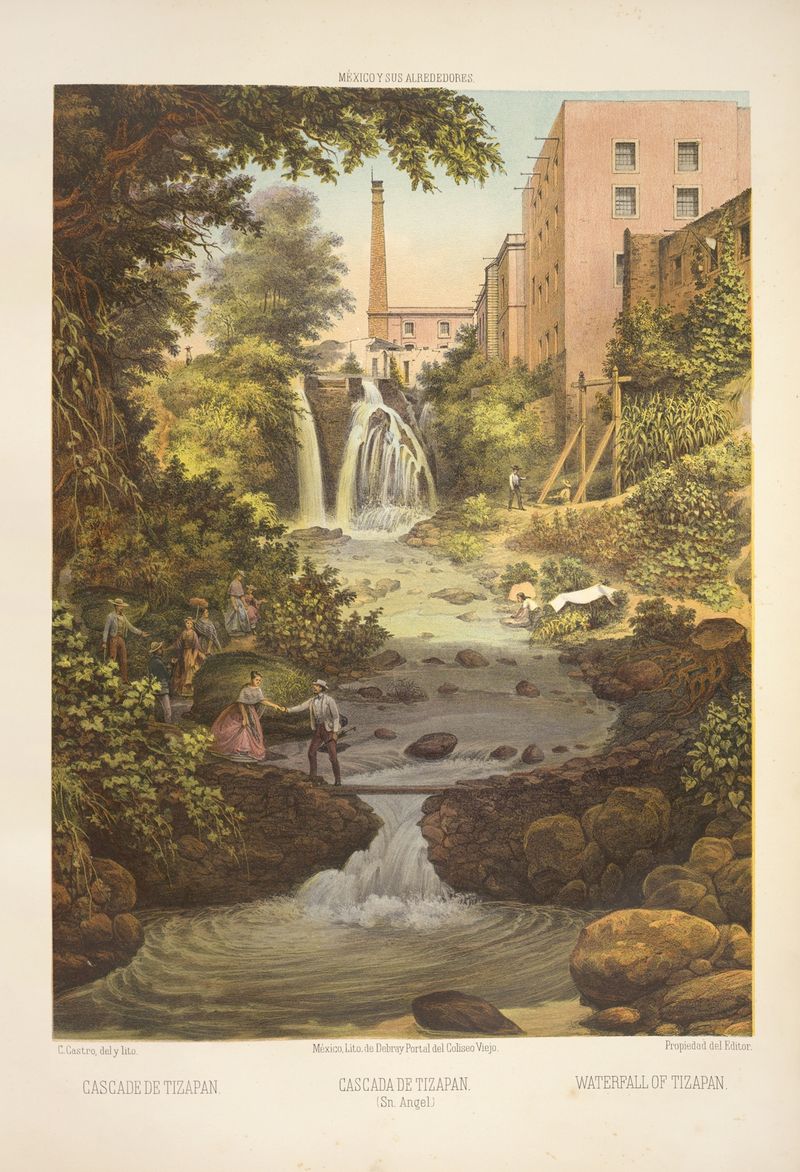
Waterfall of Tizapan
C. Castro
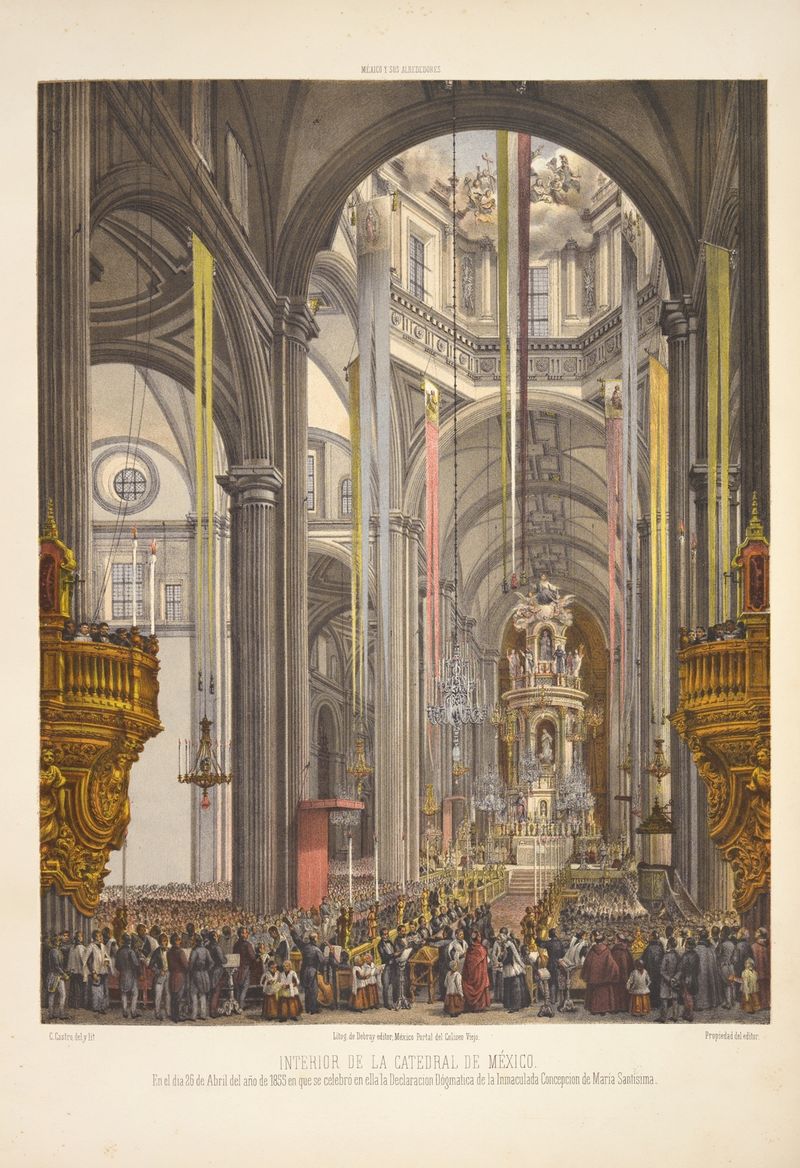
Interior de la Catedral de México. En el dia 26 de Abril del año de 1855 en que se celebró en ella la Declaracion Dógmatica de la Inmaculada Concepcion de María Santisima.
C. Castro
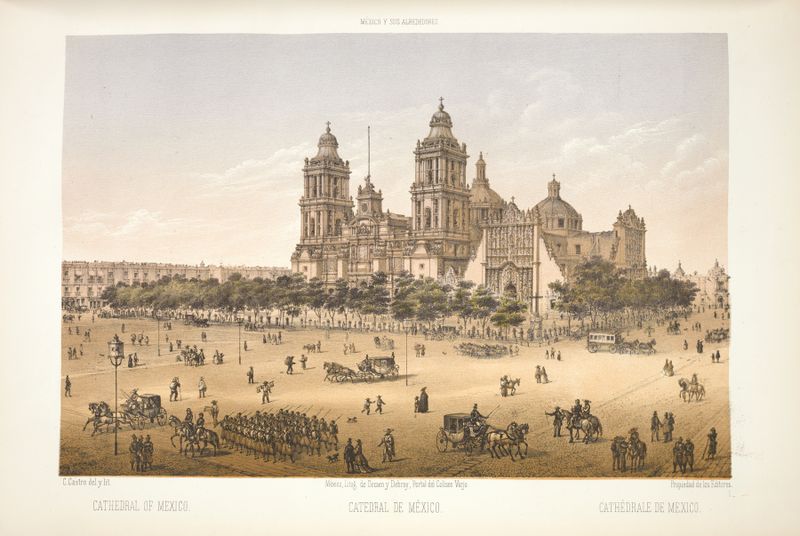
Cathedral of Mexico.
C. Castro
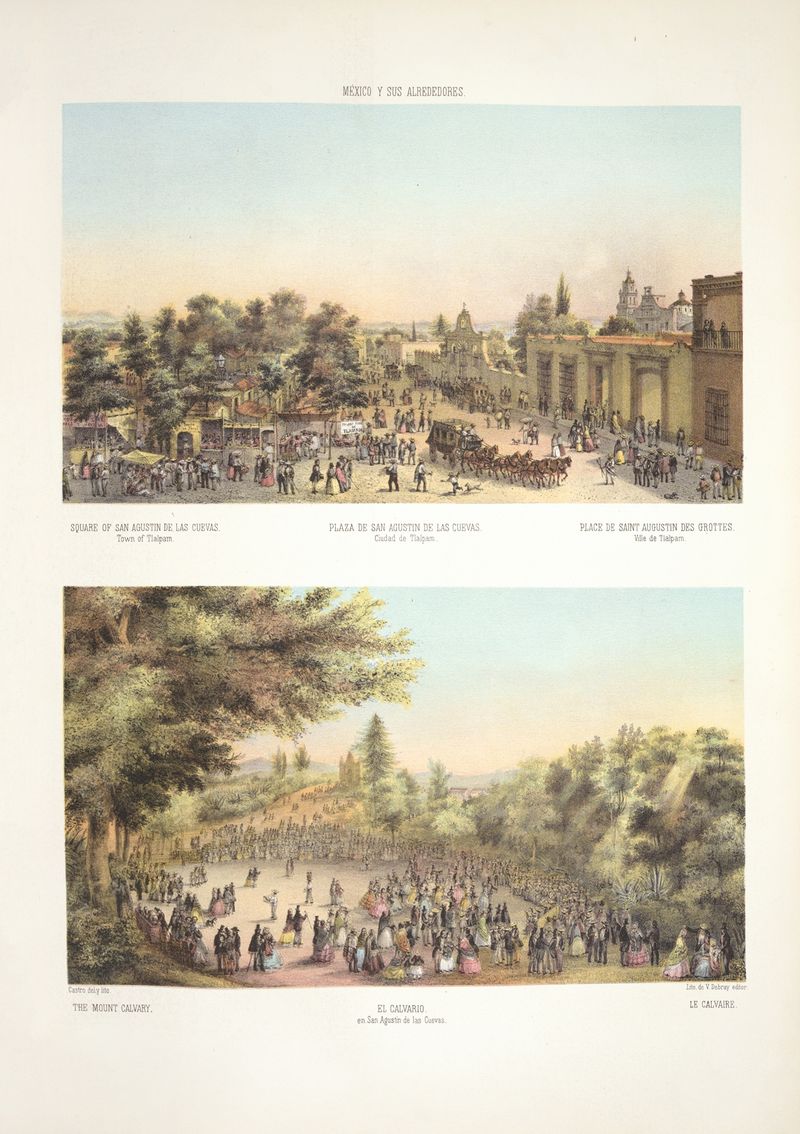
Square of San Agustin de las Cuevas, town of Tlalpam ; The Mount Calvary.
C. Castro
More Architecture Art
Browse all →
The statue of Liberty
Frédéric Auguste Bartholdi

View of Houses in Delft, Known as ‘The Little Street’
Johannes Vermeer

View of Houses in Delft, Known as ‘The Little Street’
Johannes Vermeer

The Cathedral in Rouen. The portal, Grey Weather
Claude Monet

The yellow house
Vincent van Gogh

The Church in Auvers-sur-Oise, View from the Chevet
Vincent van Gogh