
Musée du quai Branly Peintures des lointains Rue à Alger 03012019 — History & Facts
What first catches the eye in Rue à Alger is the way sunlight carves its way down the narrow passage, transforming rough plaster into a patchwork of gold and shadow. The street is almost empty, save for a lone figure in blue, lingering near a doorway at the end of the alley. Lebourg’s brushwork is loose, almost impatient, as if the heat of the day demanded speed; yet every stroke serves a purpose, from the leafy green breaking the monotony of the walls to the deep, mysterious shadow that anchors the scene.
The composition draws you forward, up the shallow steps and into the cool promise of the shaded threshold, while the pale, sun-bleached palette sets a mood of stillness and quiet anticipation. There is a sense of enclosure, but also of discovery—what lies just beyond the darkness? Painted between 1872 and 1877, this work belongs to a moment when European artists were fascinated by North Africa, seeking new light and new subjects far from the gray skies of home. Such scenes were often created for collectors hungry for images of distant places, their curiosity fueled by travel writing and colonial ambitions.
Rue à Alger now forms part of the Musée du quai Branly’s collection, as documented during its exhibition in 2018-2019, a reminder of how these images once shaped—and still shape—Western visions of the “elsewhere.” History has kept few traces of the everyday lives behind these walls, but Lebourg’s painting invites us to linger, to imagine, and to look again.
More Artworks by Albert Charles Lebourg

Le Jardin du Docteur Viau
Albert Charles Lebourg
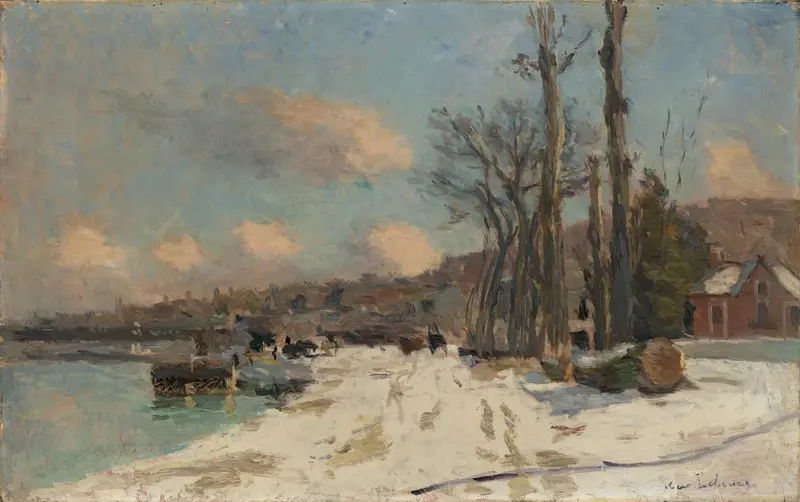
Snow Scene at Bougival
Albert Charles Lebourg
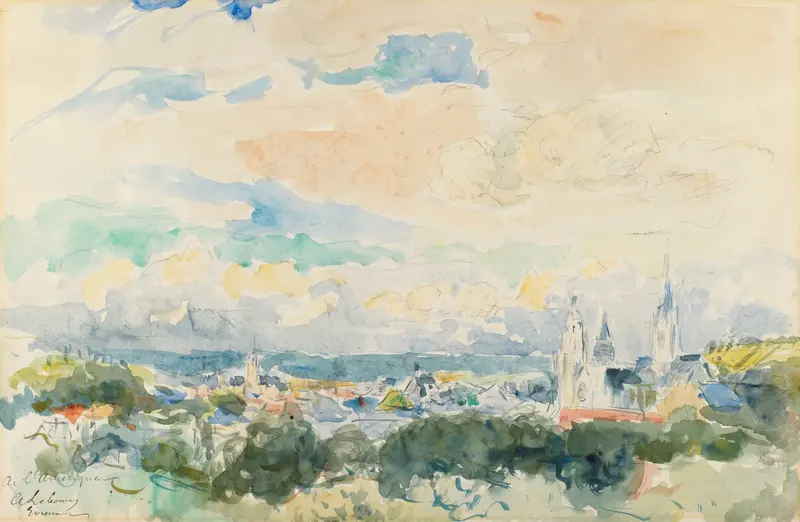
Sketch of a Village
Albert Charles Lebourg
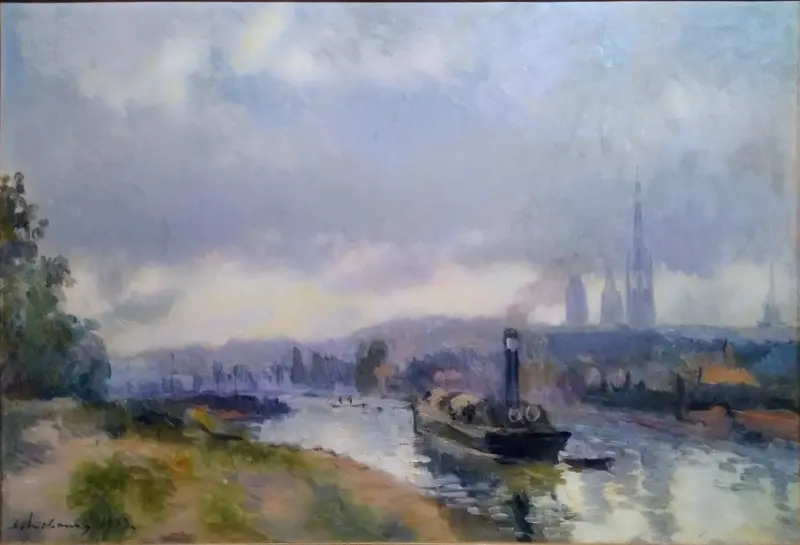
Remorqueurs à Rouen
Albert Charles Lebourg
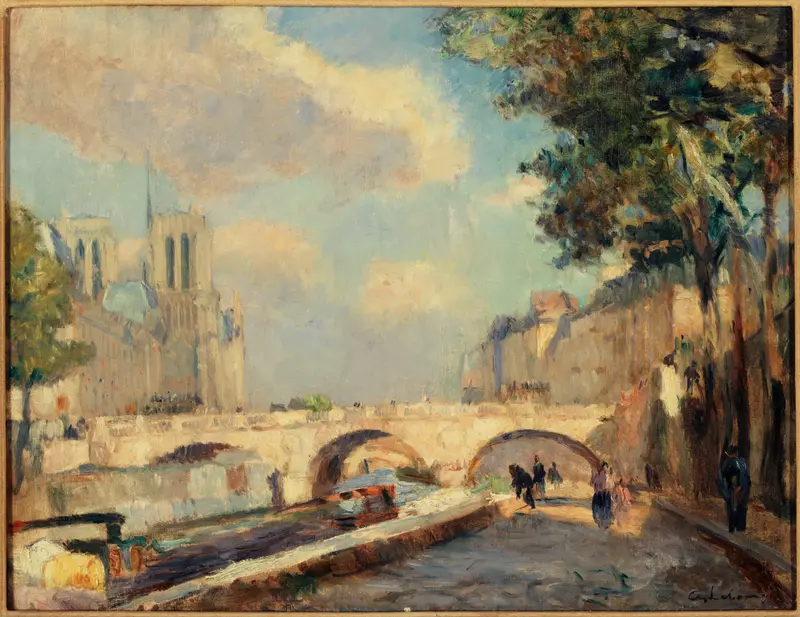
Le pont Saint Michel et Notre Dame, vus du quai des Grands Augustins P459 Musée Carnavalet
Albert Charles Lebourg
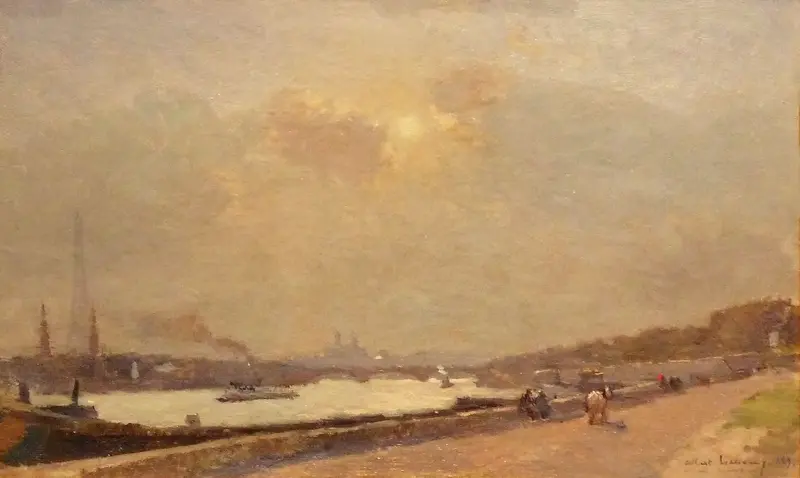
Banks of the Seine, Cours La Reine
Albert Charles Lebourg
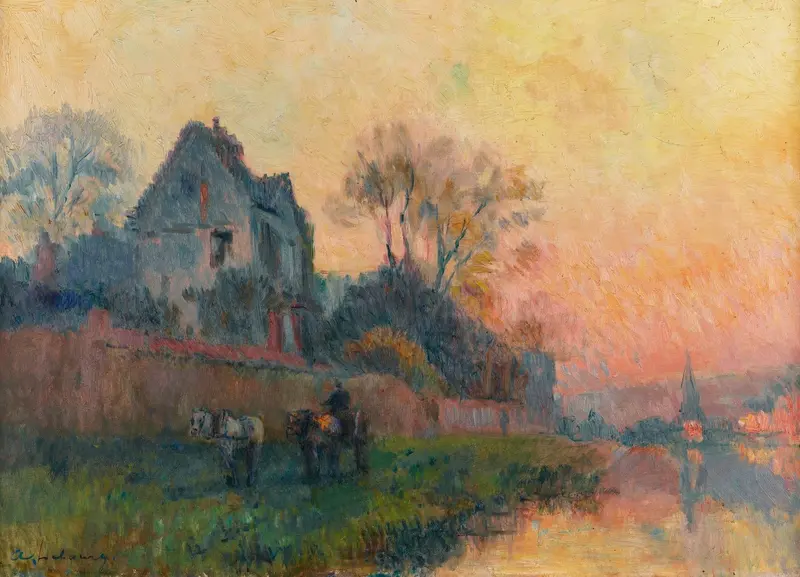
Bords de Seine à Chatou, oil on canvas, 46.4 by 65.1cm, 18.25 by 25.6 in
Albert Charles Lebourg
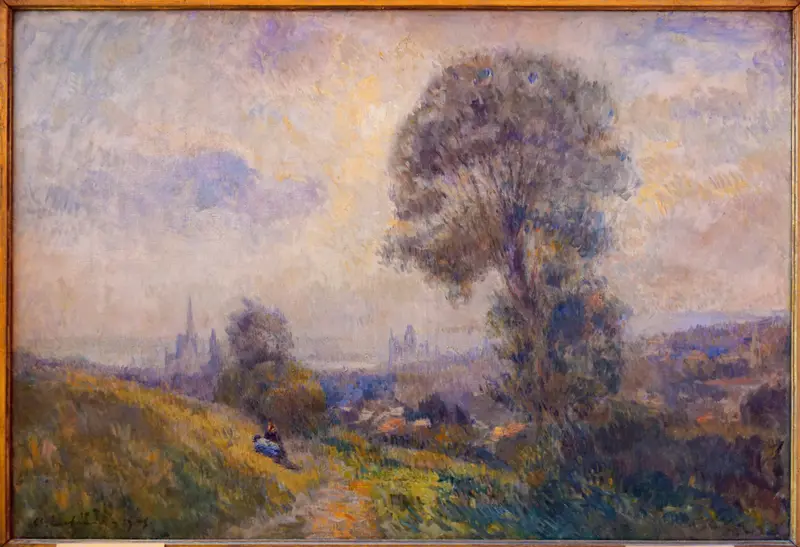
Camaret. The Harbor During a Thunderstorm
Albert Charles Lebourg
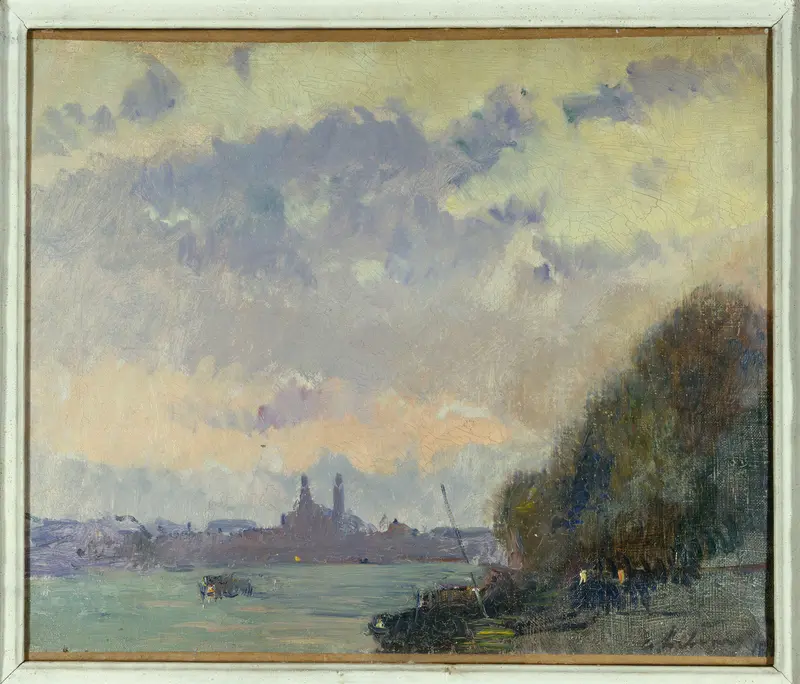
La Seine et l'ancien Trocadéro P2269 Musée Carnavalet
Albert Charles Lebourg
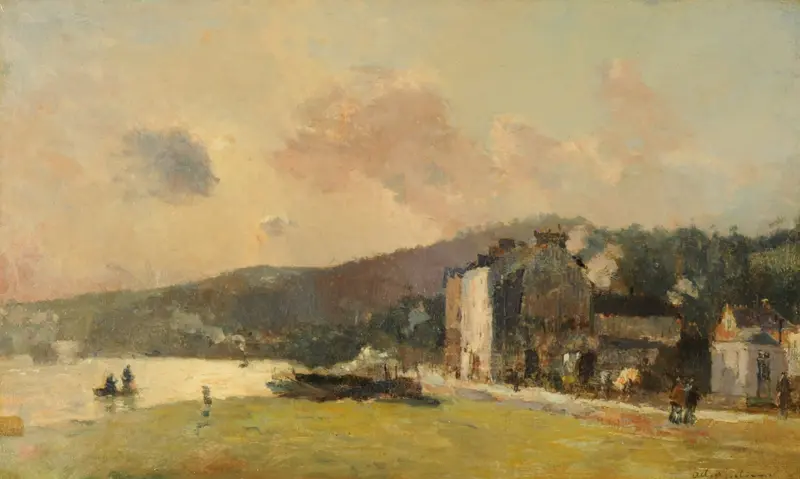
La Seine à Croisset, près de Rouen
Albert Charles Lebourg





