
Le pont Saint Michel et Notre Dame, vus du quai des Grands Augustins P459 Musée Carnavalet — History & Facts
The first thing that catches the eye is the way light seems to spill across the canvas, as if the city itself is exhaling after a rain. In Le pont Saint Michel et Notre Dame, vus du quai des Grands Augustins, Albert Charles Lebourg lets the sky dominate, filling it with clouds that move gently but insistently, their reflections shimmering in the river below. The famous towers of Notre Dame rise softly from the haze, less as stone than as memory, while the Pont Saint Michel arches quietly over the Seine, holding the city’s daily rhythms.
Figures stroll along the quai, their shadows stretching out in the late afternoon sun, some in conversation, others lost in their own thoughts. The brushwork is loose and alive, suggesting more than it defines—trees dissolve into dabs of green and ochre, and the water flickers with hints of movement, making the viewer feel the pulse of Paris without a single detail being overstated. Painted in 1890, this work belongs to a world in flux, when artists like Lebourg sought to capture not just the appearance but the sensation of the city. Paris was transforming: new bridges, boulevards, and the bustle of modern life all found their way onto the canvas.
Landscapes and cityscapes were no longer just records for patrons or souvenirs for travelers—they became a way for painters to experiment with light, color, and fleeting impressions. Though little is recorded about the specific journey of this painting, its presence today in the Musée Carnavalet—dedicated to the history of Paris—reminds us that the city’s spirit is often best found in the ordinary moments and shifting skies. Stand before it and let your eye wander, as Lebourg’s did, from the grandeur of Notre Dame to the quiet figures by the river’s edge.
More Artworks by Albert Charles Lebourg

Le Jardin du Docteur Viau
Albert Charles Lebourg
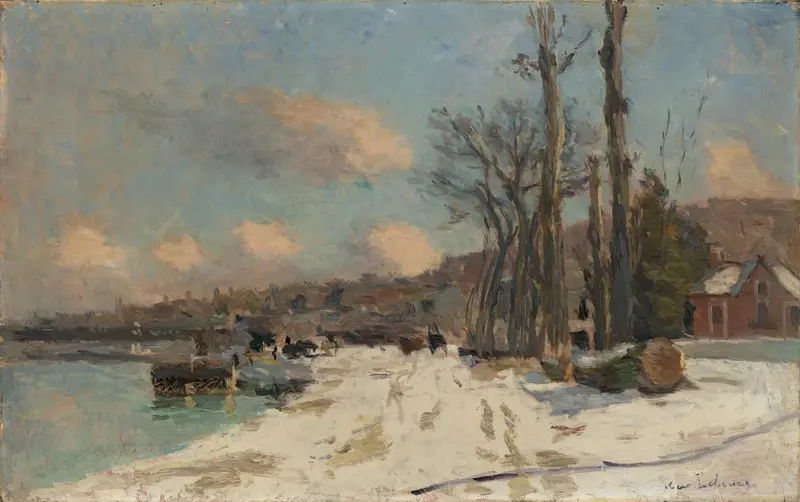
Snow Scene at Bougival
Albert Charles Lebourg
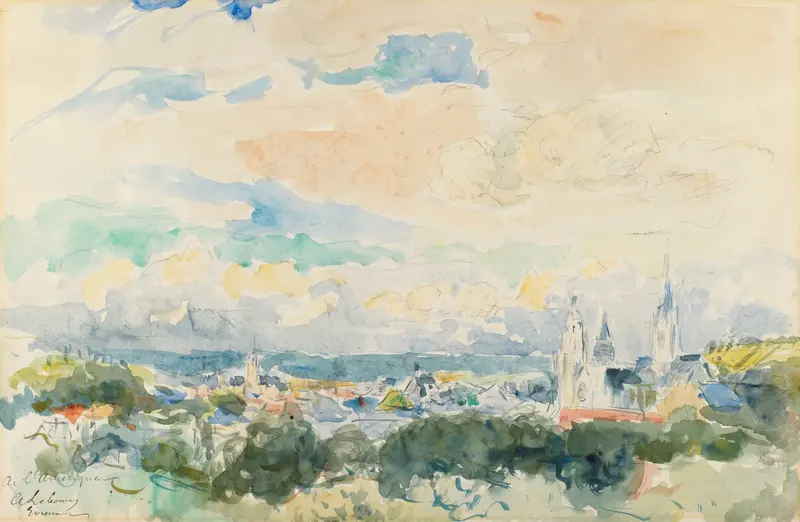
Sketch of a Village
Albert Charles Lebourg
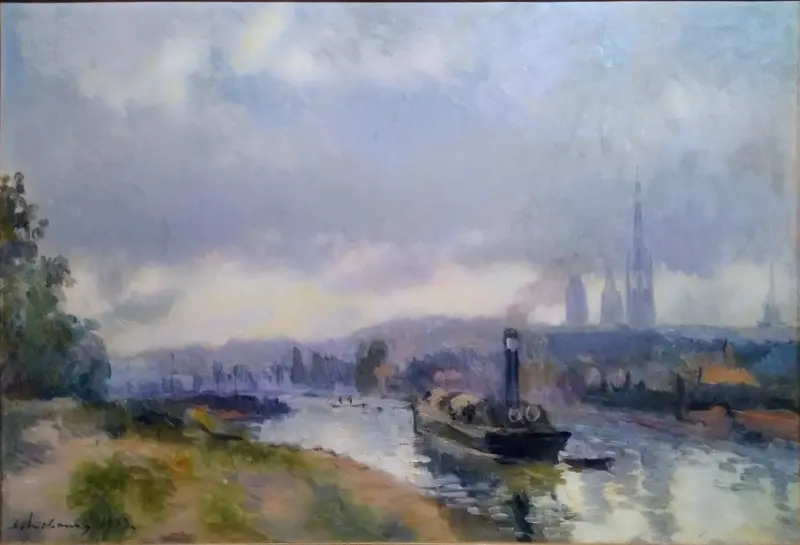
Remorqueurs à Rouen
Albert Charles Lebourg
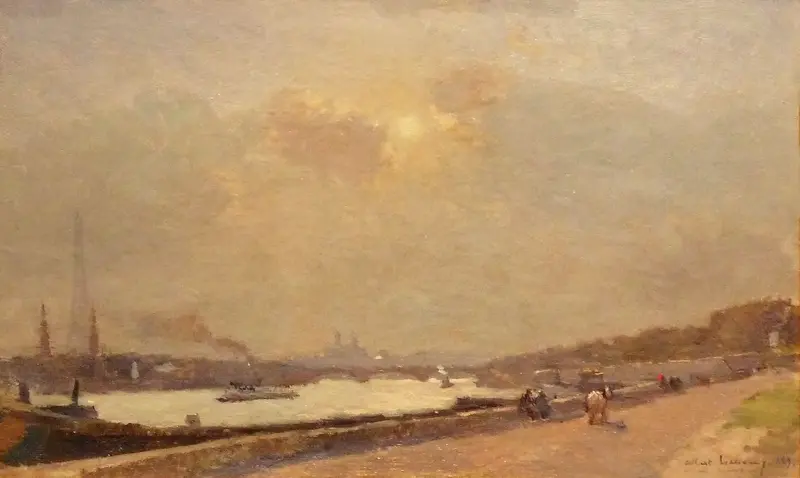
Banks of the Seine, Cours La Reine
Albert Charles Lebourg
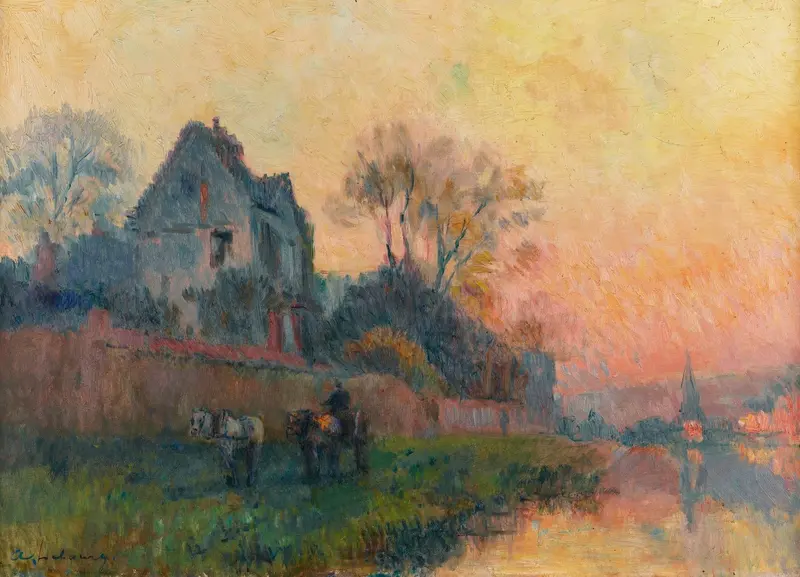
Bords de Seine à Chatou, oil on canvas, 46.4 by 65.1cm, 18.25 by 25.6 in
Albert Charles Lebourg
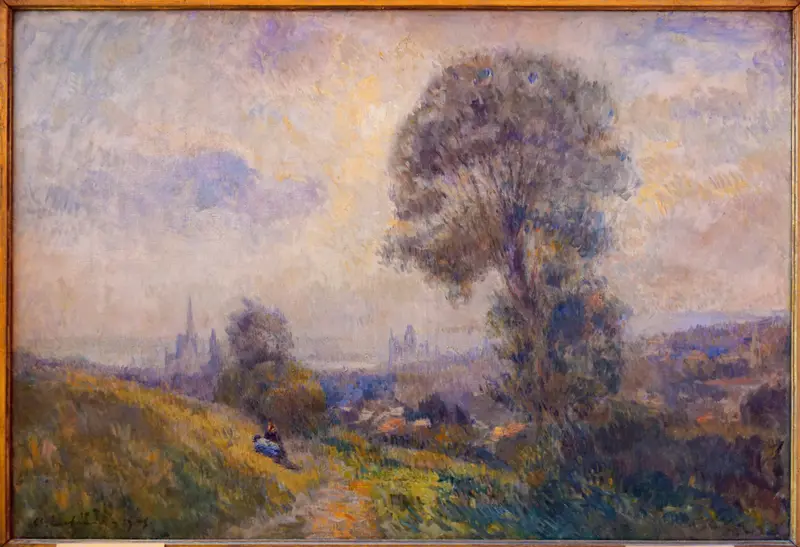
Camaret. The Harbor During a Thunderstorm
Albert Charles Lebourg
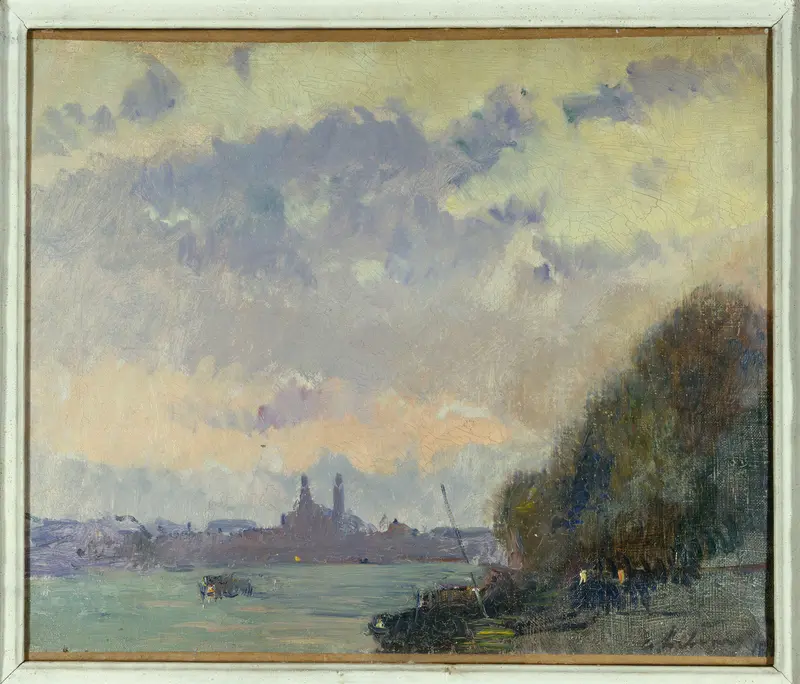
La Seine et l'ancien Trocadéro P2269 Musée Carnavalet
Albert Charles Lebourg
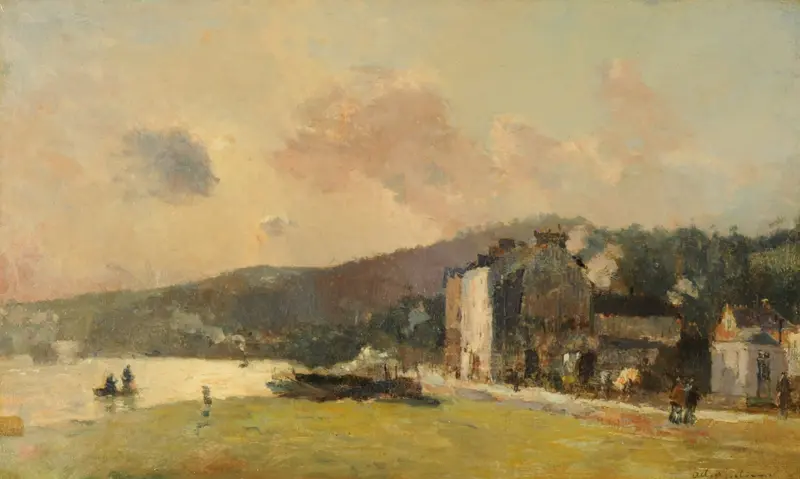
La Seine à Croisset, près de Rouen
Albert Charles Lebourg
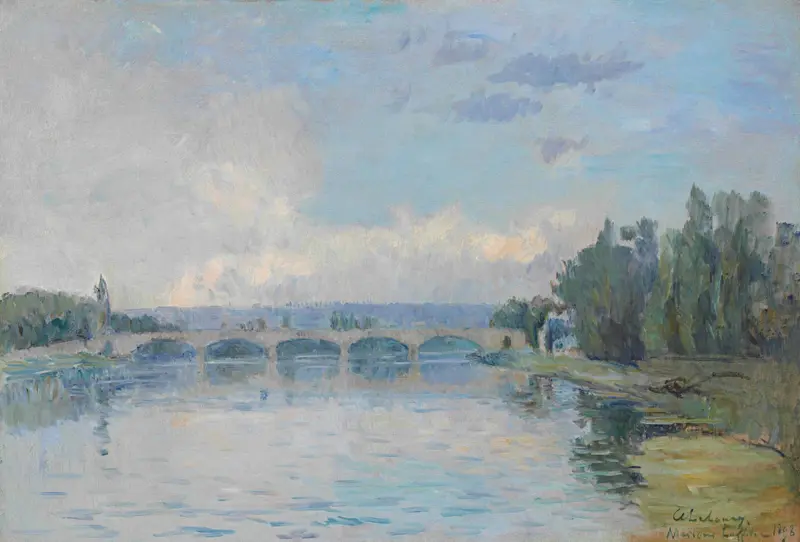
Le Pont de Maisons Laffittes
Albert Charles Lebourg
More Landscape Art

The Starry Night
Vincent van Gogh

View of Delft
Johannes Vermeer

Water Lilies
Claude Monet

The Grand Canal, Venice, looking north-west from the Ca' Corner to the Ca' Contarini degli Scrigni, with the campanile of Santa Maria della Carità
Canaletto

Windsor Castle
Canaletto

The Grand Canal looking North-East from the Palazzo Dolfin-Manin to the Rialto Bridge
Canaletto