
Musée Ingres-Bourdelle - Etude pour Jésus parmi les docteurs, 1866, Ingres, Joconde0607000 — History & Facts
When Jean Auguste Dominique Ingres turned his attention to the subject of Jesus among the doctors in 1866, he was approaching the end of a long and celebrated career, yet still searching for new ways to express old truths. What makes this particular study remarkable is that it was conceived decades after his first major treatment of the theme, showing the artist’s lifelong fascination with the tension between youthful innocence and learned authority. The work is one of several studies for a composition Ingres never completed, each revealing subtle shifts in his thinking about the scene’s drama and arrangement.
Ingres, then in his mid-eighties, was revisiting childhood faith with the wisdom of age. The scene unfolds at the heart of the Temple, where the twelve-year-old Jesus, separated from his parents during their pilgrimage, astonishes the learned doctors with his questions and understanding. Ingres chooses the moment of charged debate: Jesus sits calmly, his youthful face serene, while the elders lean in, their gestures a mixture of skepticism and fascination. The careful placement of hands—some raised in argument, others pointing in inquiry—translates theological discussion into a ballet of movement.
Light falls on Jesus, marking him as the spiritual center, while the surrounding figures dissolve into shadow. Compared to Albrecht Dürer’s more crowded and animated Christ Among the Doctors, Ingres’s approach is quieter, emphasizing psychological tension over spectacle. The study, now housed in the Musée Ingres-Bourdelle in Montauban, stands as a testament to Ingres’s relentless pursuit of compositional clarity and emotional truth. The exact medium remains uncertain, but the careful draftsmanship is unmistakably his, with lines that recall his early neoclassical discipline.
While the finished painting was never realized, these preparatory works have become objects of study in their own right, offering a window into the artist’s process. Today, the piece is valued not only for its subject but for what it reveals about Ingres’s late style—reflective, refined, and still searching for the perfect expression of faith and reason.
More Artworks by Jean Auguste Dominique Ingres
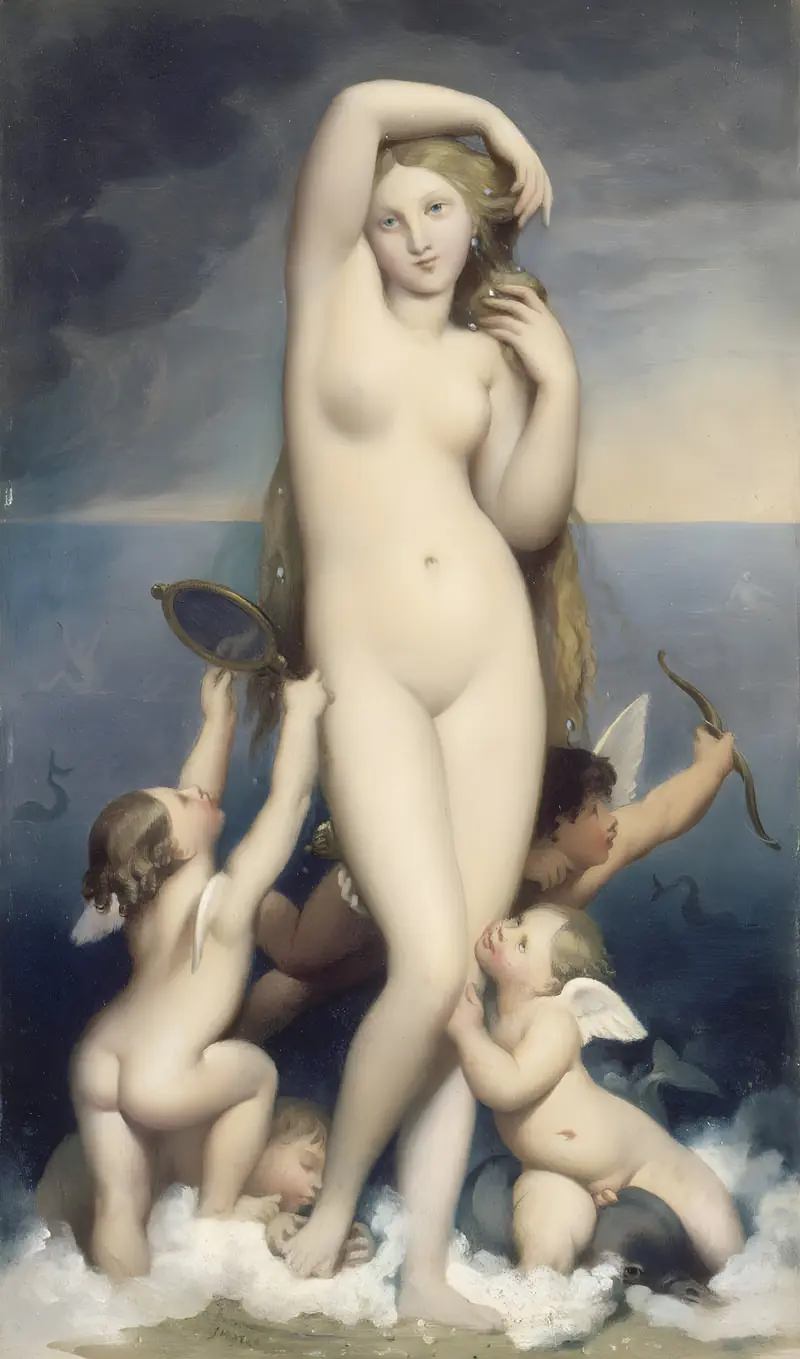
Vénus anadyomène
Jean Auguste Dominique Ingres
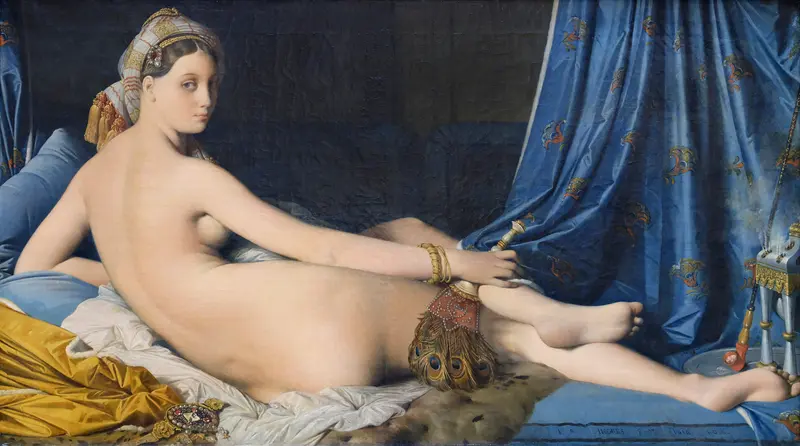
Grande Odalisque
Jean Auguste Dominique Ingres
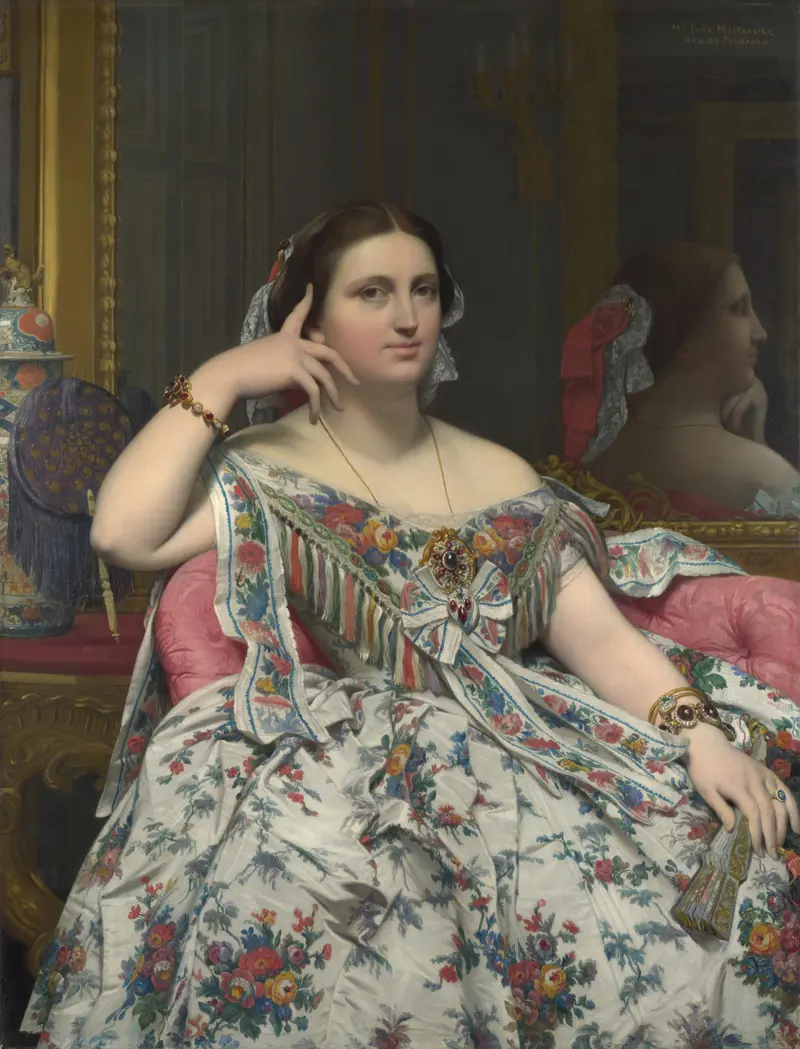
Madame Moitessier (seated)
Jean Auguste Dominique Ingres
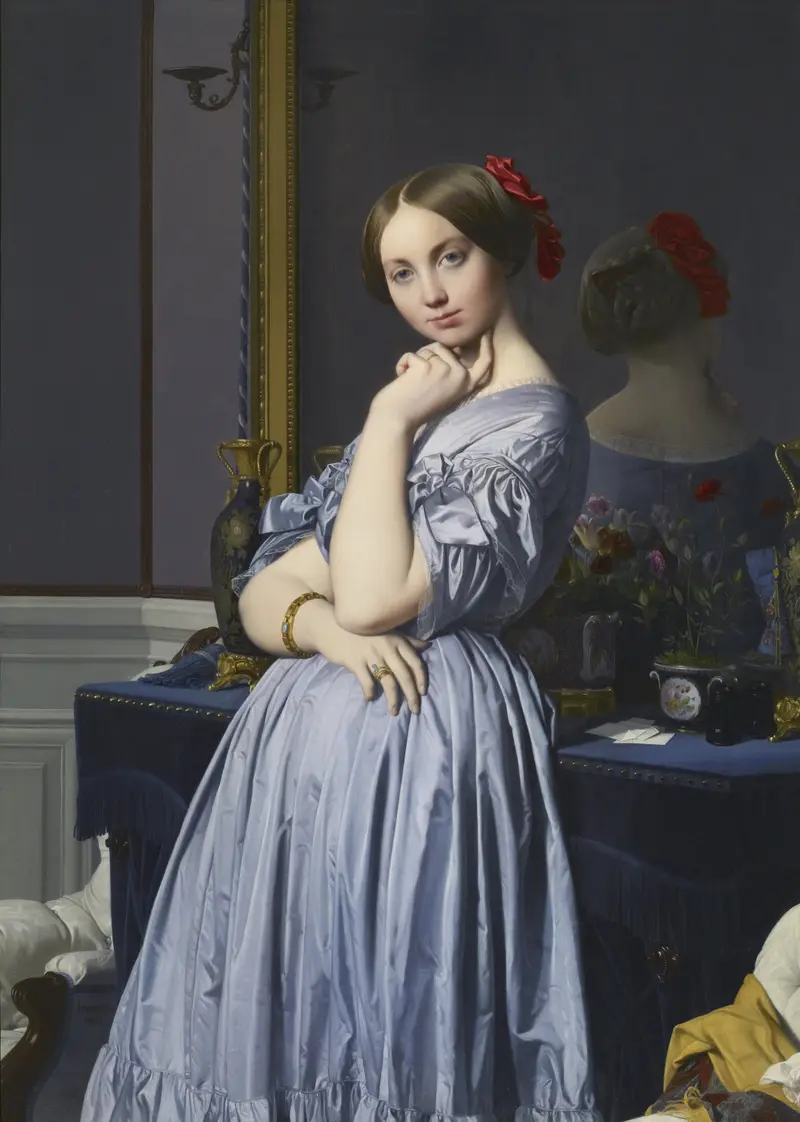
Portrait of Comtesse d’Haussonville
Jean Auguste Dominique Ingres
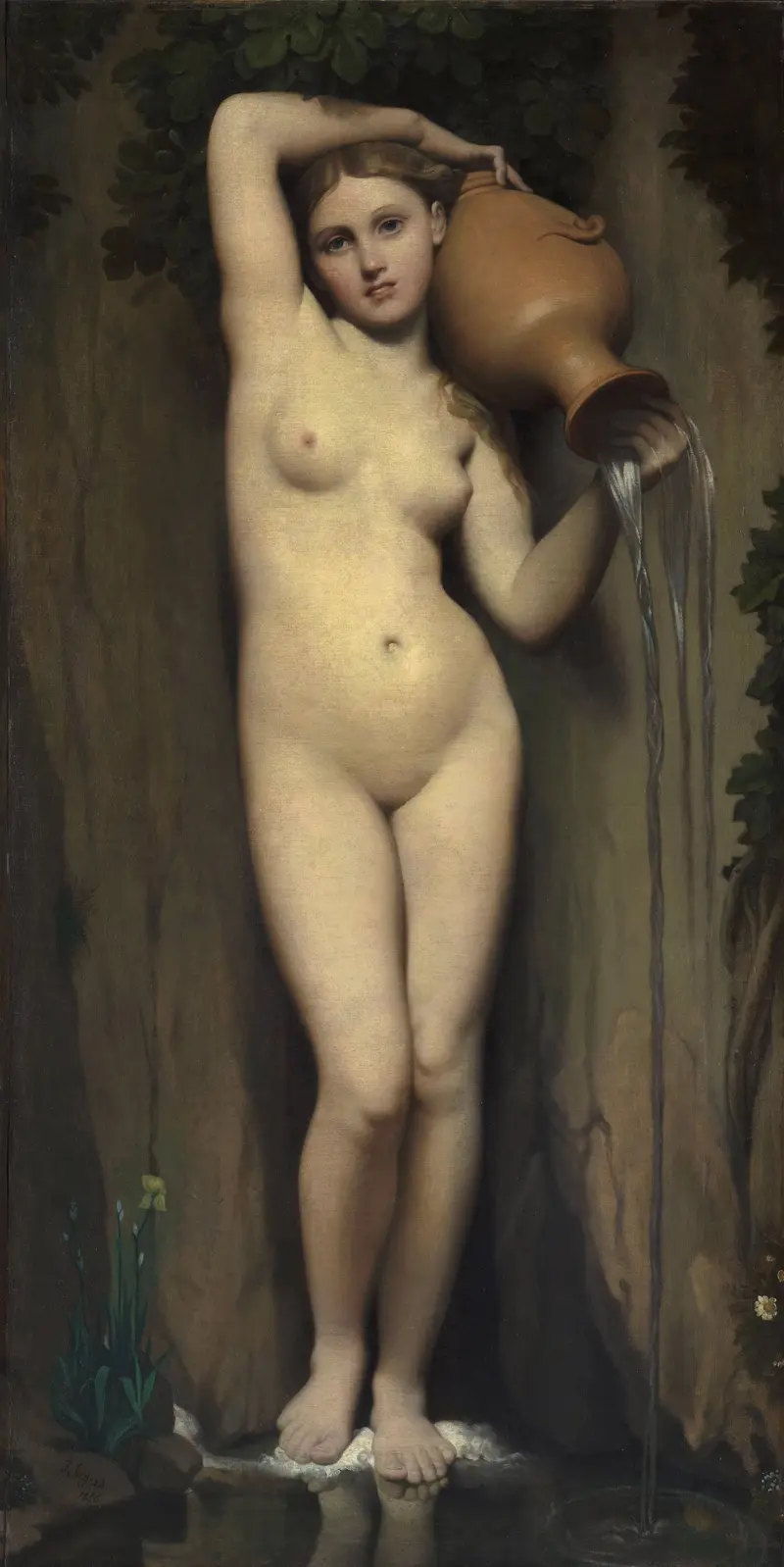
The Source
Jean Auguste Dominique Ingres
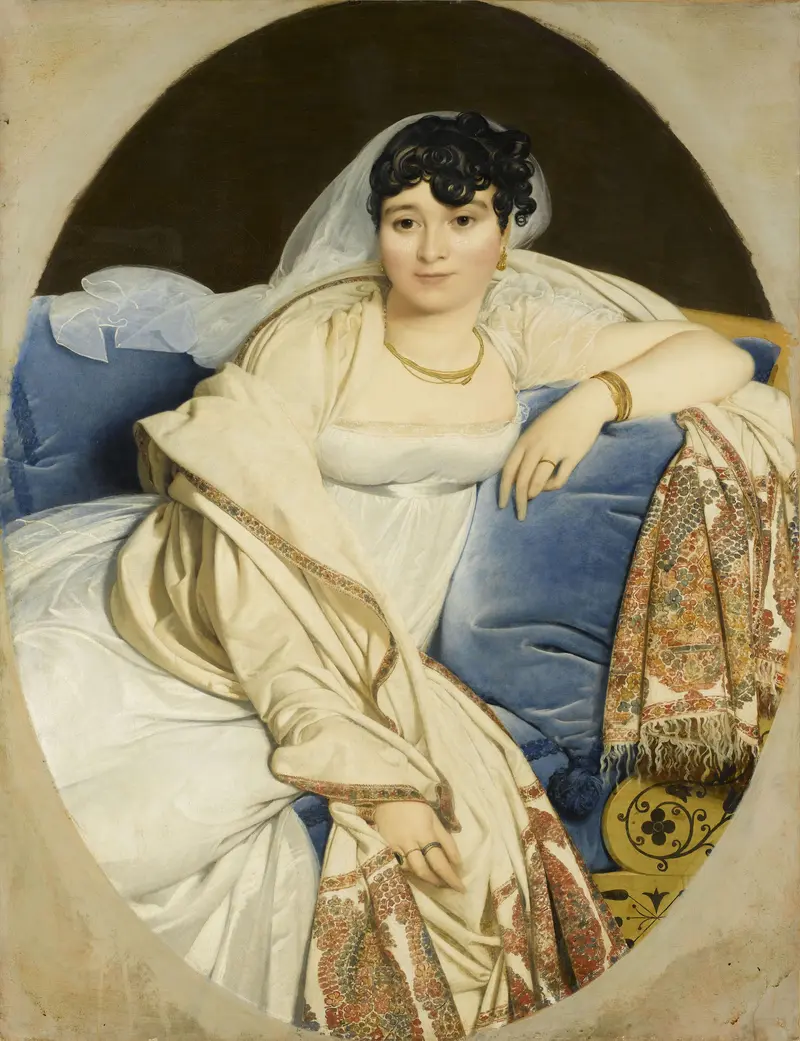
Madame Rivière
Jean Auguste Dominique Ingres

Madame Jean-Auguste-Dominique Ingres, née Madeleine Chapelle
Jean Auguste Dominique Ingres

Portrait of a Lady
Jean Auguste Dominique Ingres
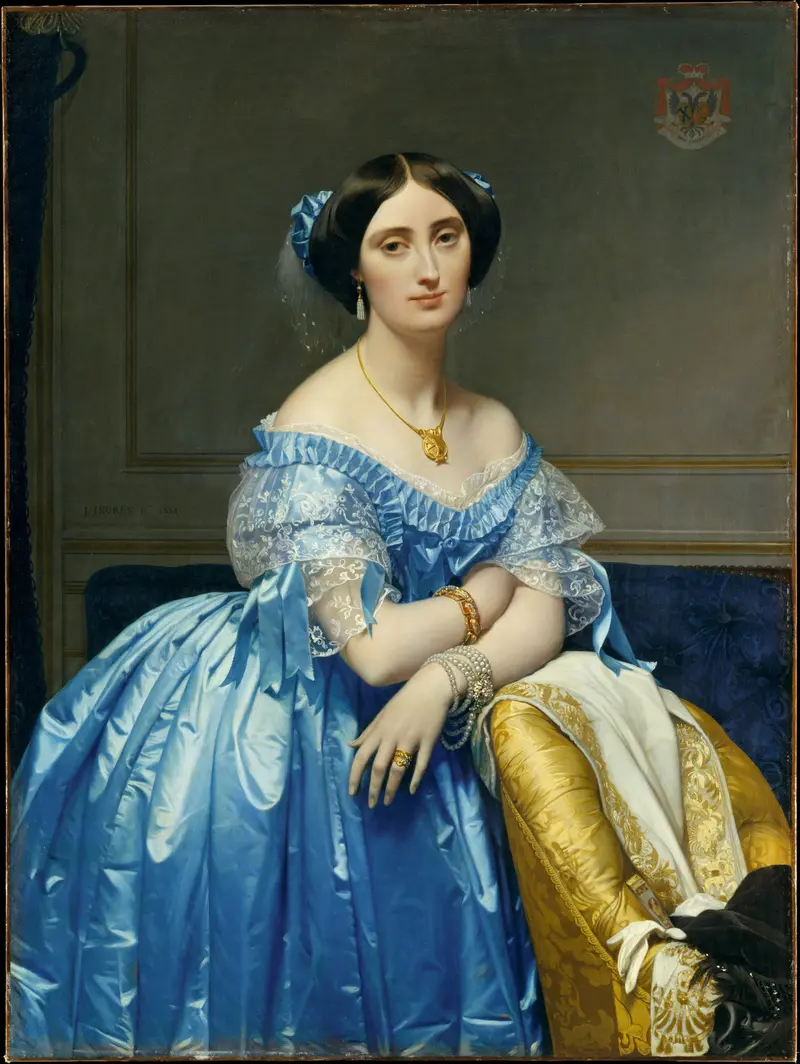
Joséphine-Éléonore-Marie-Pauline de Galard de Brassac de Béarn (1825–1860), Princesse de Broglie
Jean Auguste Dominique Ingres
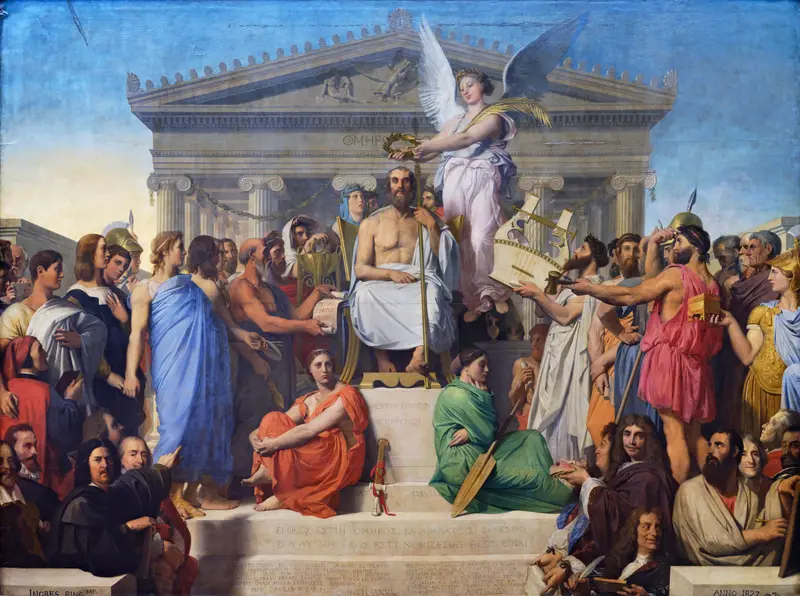
The Apotheosis of Homer
Jean Auguste Dominique Ingres





