
Muziek — History & Facts
Can beauty exist without sorrow? In Muziek, a harmonious interplay of sound and silence reveals the longing hidden within music's embrace, a poignant exploration of desire. Look to the left at the serene figure, her delicate hands poised as if cradling invisible notes. Notice how the warm, golden light bathes her face, creating an inviting glow that contrasts with the cooler tones enveloping the background. The meticulous attention to texture in her garment draws your eye, inviting you to trace the contours of fabric that suggest both elegance and vulnerability.
Each instrument sprouting from the canvas whispers tales of joy and melancholy, embodying the enchanting duality of music. As you delve deeper, consider the symbolism of the instruments—each one a conduit of unspoken emotions. The lute, slender and graceful, evokes intimacy, while the horn, bold and rounded, calls forth the heroic. Together, they illustrate the tension between the joy of creation and the ache of longing, intertwining desire with the bittersweet reality of existence.
The absence of a definitive audience amplifies this contrast, suggesting that music exists in both solitude and connection, forever caught in a dance between elation and heartache. Georg Pencz painted this work between 1539 and 1543 during a transformative period in the Northern Renaissance. Residing in Nuremberg, he was influenced by the burgeoning interest in humanism and the complexities of emotion in art. Amidst a backdrop of religious upheaval and shifting artistic paradigms, Pencz sought to capture the essence of human experience, intertwining beauty with the inevitability of sorrow.
More Artworks by Georg Pencz
Browse all →
Parabel van de zaaier
Georg Pencz

Parabel van de arbeiders in de wijngaard
Georg Pencz
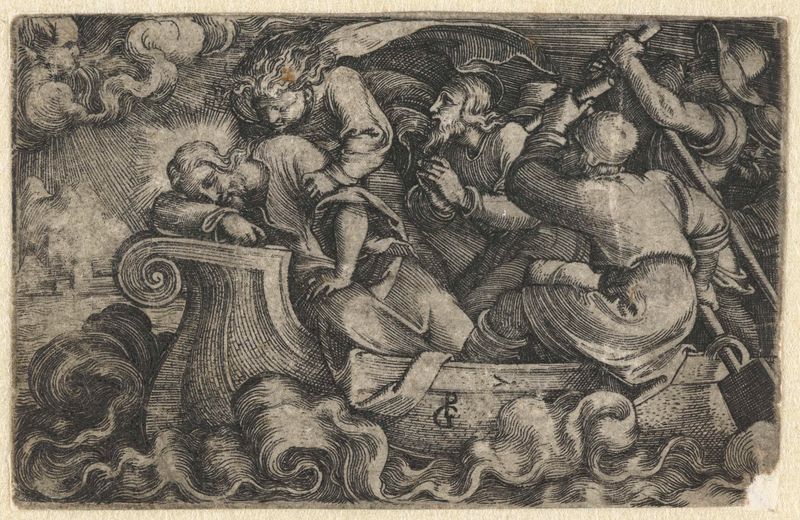
Discipelen wekken slapende Christus tijdens storm op Meer van Galilea
Georg Pencz

Afgunst (Invidia)
Georg Pencz
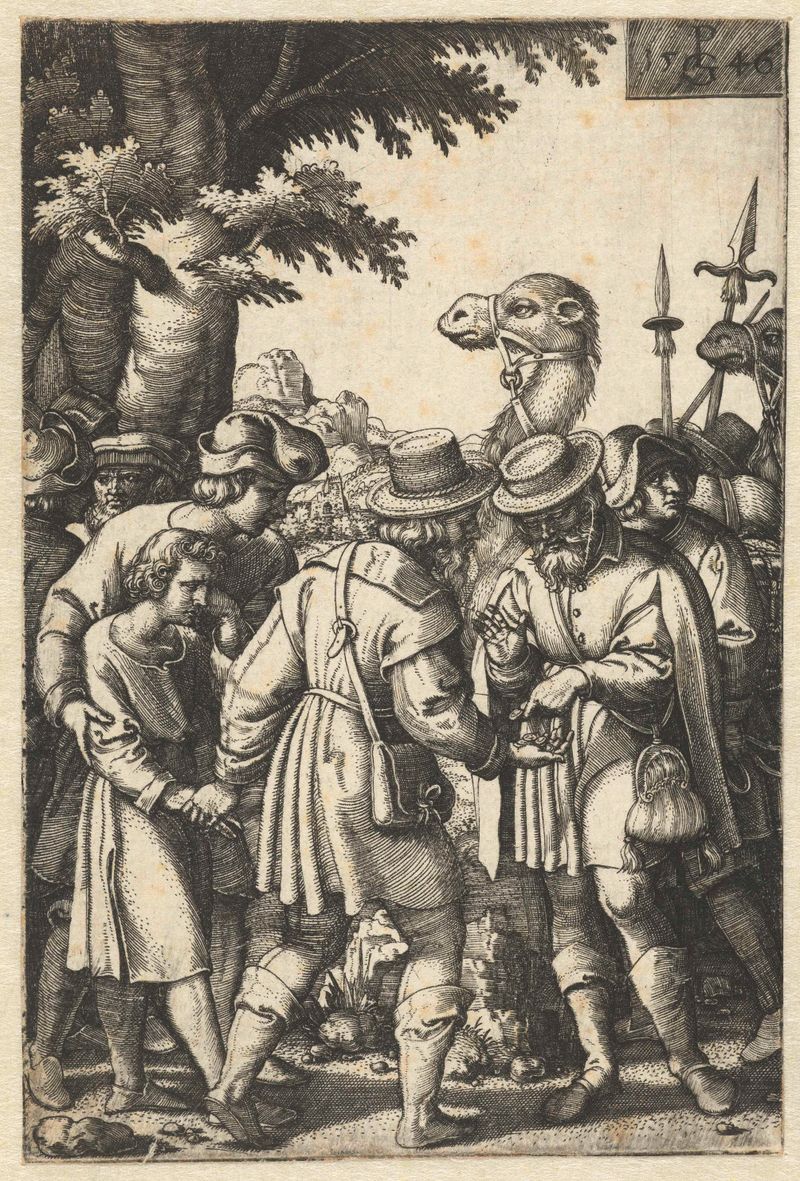
Jozef wordt verkocht aan kooplieden op weg naar Egypte
Georg Pencz

Aanbidding der koningen
Georg Pencz
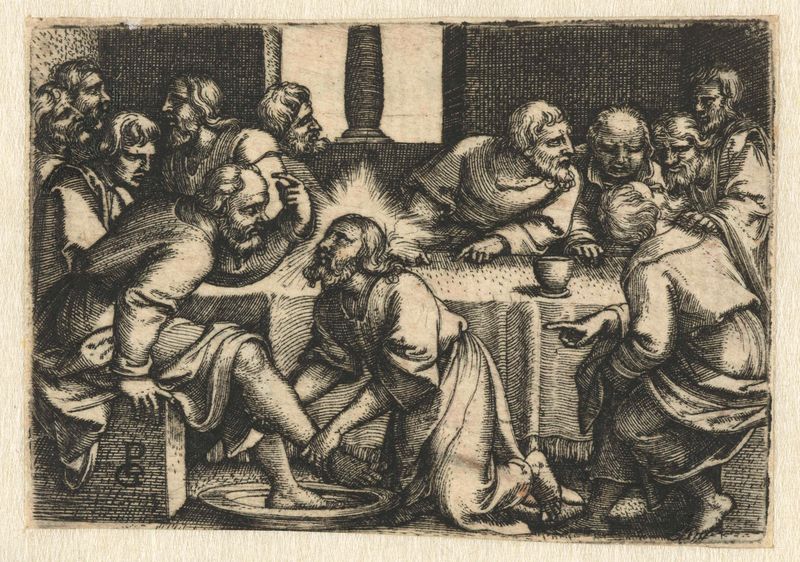
Petrus protesteert als Christus zijn voeten wast
Georg Pencz
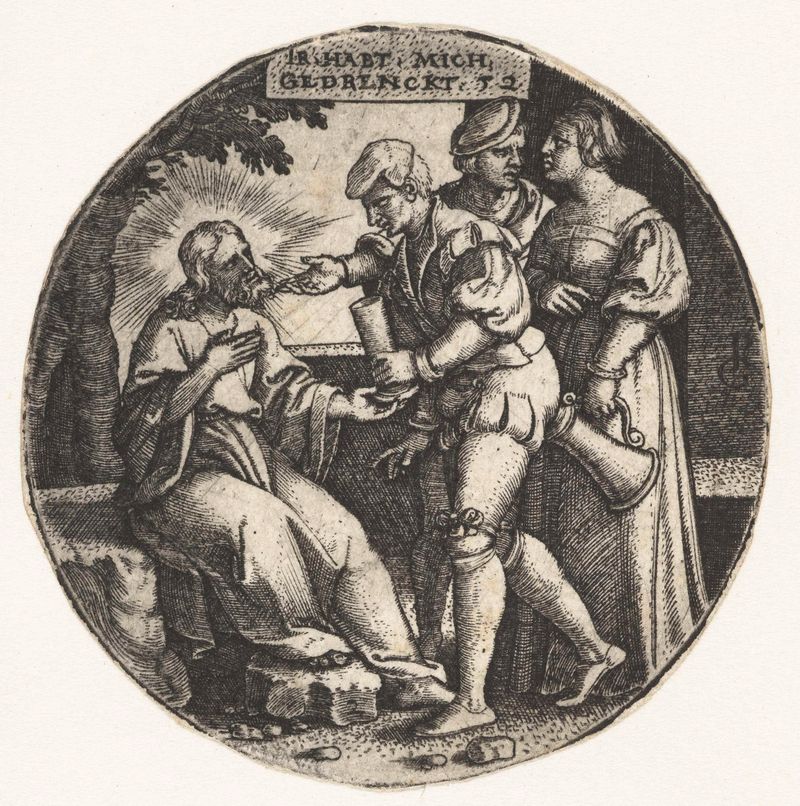
Christus heeft dorst en krijgt drinken aangeboden
Georg Pencz
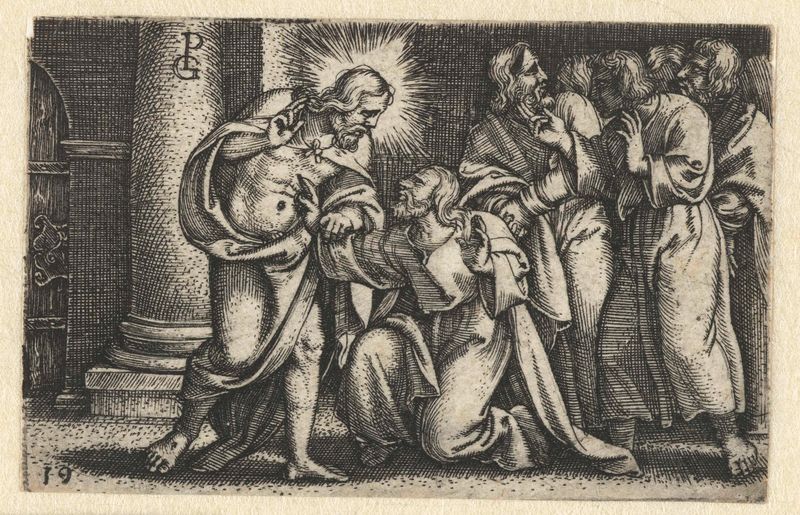
Ongelovige Thomas raakt wonden Christus aan
Georg Pencz

Offer van Abraham van Isaak
Georg Pencz





