Na Kalvárií v Košiciach — History & Facts
In the tension between chaos and order, we find the essence of existence laid bare, echoing the struggles of humanity itself. Look to the foreground, where the vibrant strokes of color clash like a tempest brewing. Here, the artist employs a palette of deep reds and chaotic blacks that swirl into one another, creating a palpable energy that draws the eye. Notice how the interplay of light and shadow beckons viewers to confront the tumultuous emotions encapsulated within the scene, while the horizon remains obscured, hinting at a world yet to be discovered. As you delve deeper, consider the fragments of form that jostle for attention — scattered silhouettes and interrupted lines suggest both movement and stagnation.
This tension embodies the struggle between despair and hope, a reflection of the societal upheaval following World War I. Each brushstroke holds significance; they reveal not just the chaos of the physical world but also the internal conflicts of the soul, bridging the gap between despair and a yearning for clarity. Created in 1921, this piece emerges from a pivotal moment in Konštantín Bauer’s life, as he grappled with the aftermath of war and the disarray it left in its wake. Working in Košice, his environment was charged with a sense of national identity in flux.
As the art world began to embrace modernism, Bauer sought to articulate the chaos of existence through his compelling visual language, capturing the raw essence of a society in upheaval.
More Artworks by Konštantín Bauer
Browse all →
Košický dvor
Konštantín Bauer
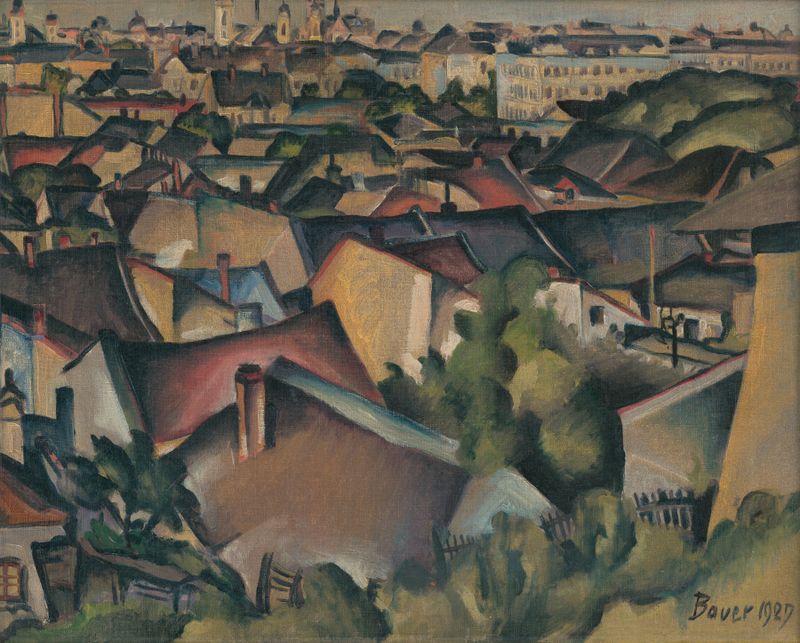
Košice na jar
Konštantín Bauer
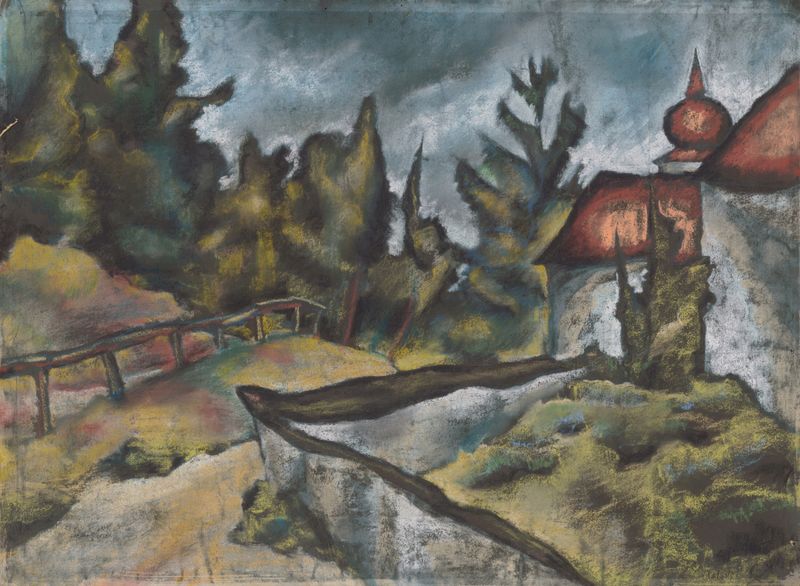
Košická kalvária
Konštantín Bauer

Košické strechy
Konštantín Bauer

Zo starých Košíc
Konštantín Bauer
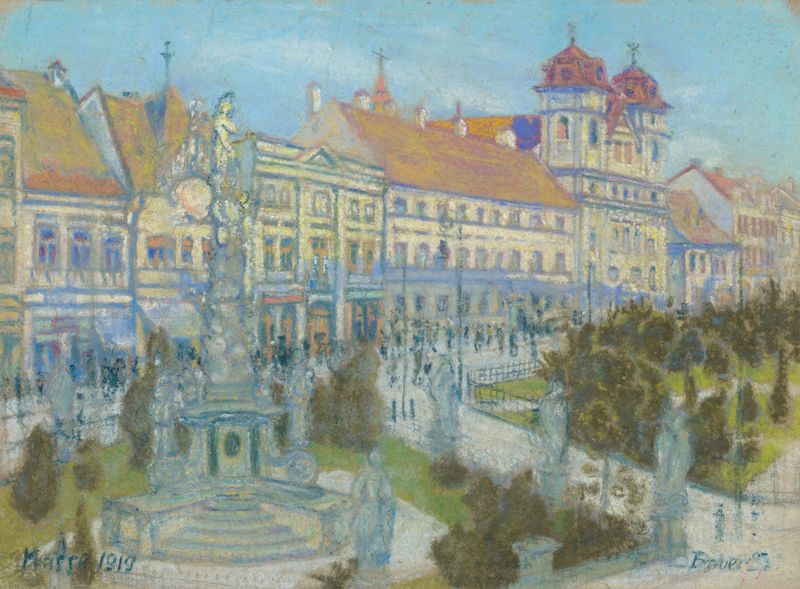
Na hlavnej ulici v Košiciach
Konštantín Bauer
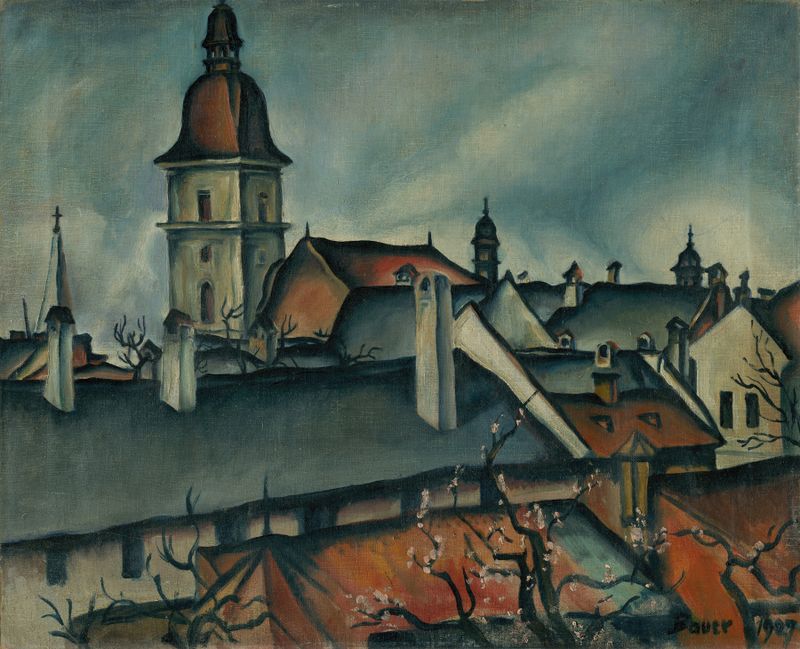
Pohľad na Košice
Konštantín Bauer
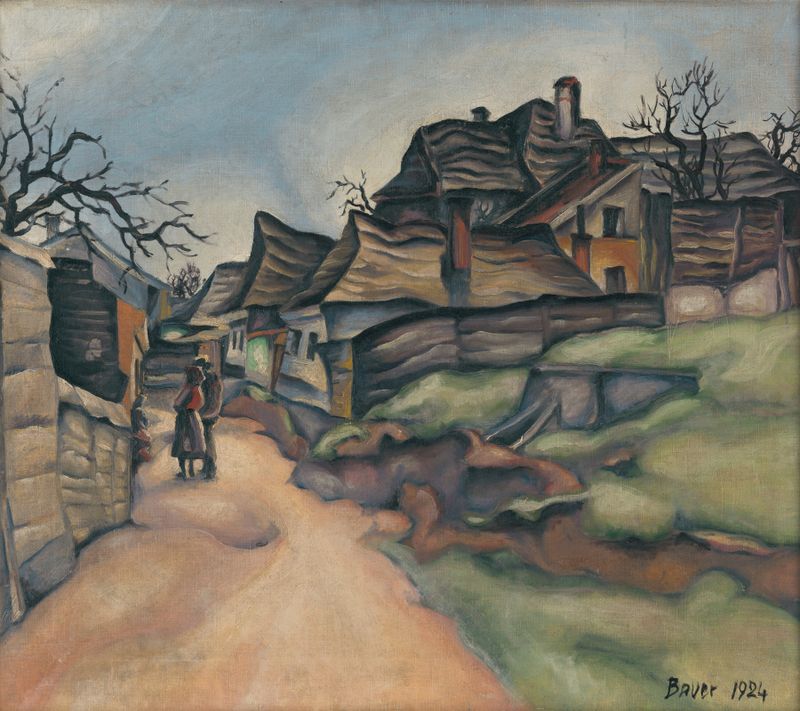
Domy na dedine s figurálnou štafážou
Konštantín Bauer
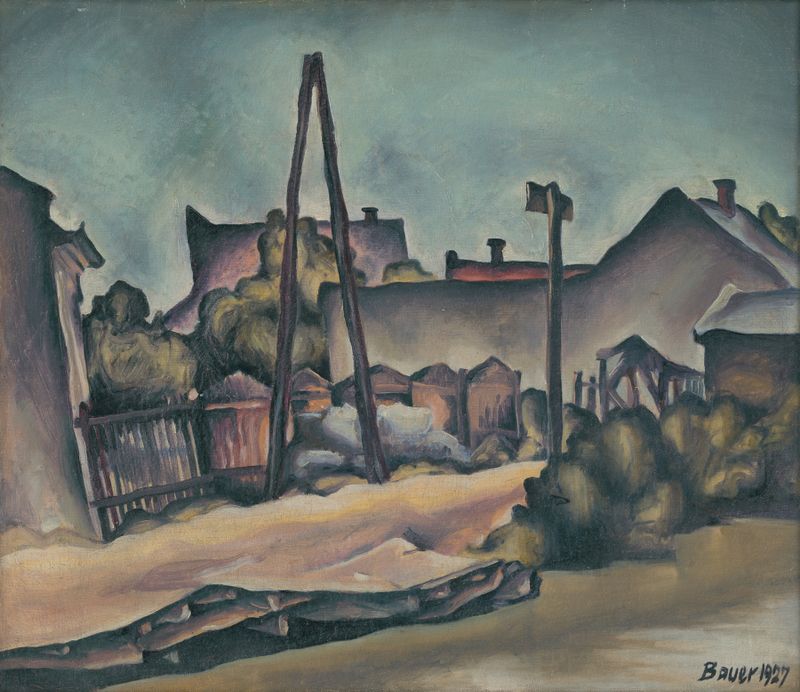
Na okraji Košíc
Konštantín Bauer

Vnútro košického dómu
Konštantín Bauer