
Nach der Jagd — History & Facts
Can beauty exist without sorrow? In Nach der Jagd, the interplay of triumph and loss invites us to ponder the delicate balance of existence. This artwork captures the aftermath of a hunt, evoking the tension between the thrill of conquest and the weight of its consequences. Look to the center of the canvas, where a proud hunter stands, his figure robust and commanding against the muted backdrop of a twilight sky. Notice how the golden light bathes the scene, highlighting both the hunter's fine attire and the lifeless form of a stag at his feet.
The rich earth tones blend seamlessly with the deep greens of the landscape, enhancing the organic connection between man and nature. The careful brushwork reveals textures that draw the eye, allowing you to linger on the contrast between the vitality of the hunter and the stillness of his prey. Hidden beneath the surface, the emotional tension reveals itself in subtle details: the hunter’s contemplative gaze, perhaps a moment of reflection on what has transpired. The stag’s serene expression contrasts poignantly with the excitement often associated with hunting, prompting thoughts of loss and reverence for the natural world.
This duality enriches the narrative, reminding us that every victory carries the weight of sacrifice, an echo of the life once vibrant. Wilhelm von Kobell painted Nach der Jagd in 1839 during a period marked by a growing disconnection between humanity and nature in the Romantic movement. At that time, the artist was immersed in the artistic community of Munich, navigating his own evolution while responding to the changing perceptions of nature and wildlife. This piece stands as a testament to his ability to encapsulate complex human emotions within the context of the natural world.
More Artworks by Wilhelm von Kobell
Browse all →
Der Postillon auf dem Weg nach Weilheim
Wilhelm von Kobell

Königsee with the Cliffs of St. Bartholomëe
Wilhelm von Kobell

Bauernwagen in bergiger Landschaft
Wilhelm von Kobell
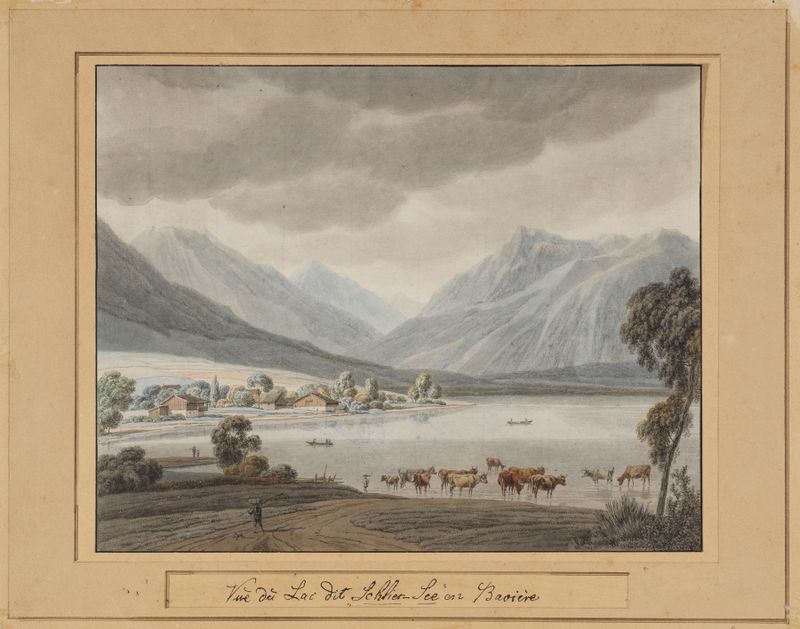
Schliersee
Wilhelm von Kobell
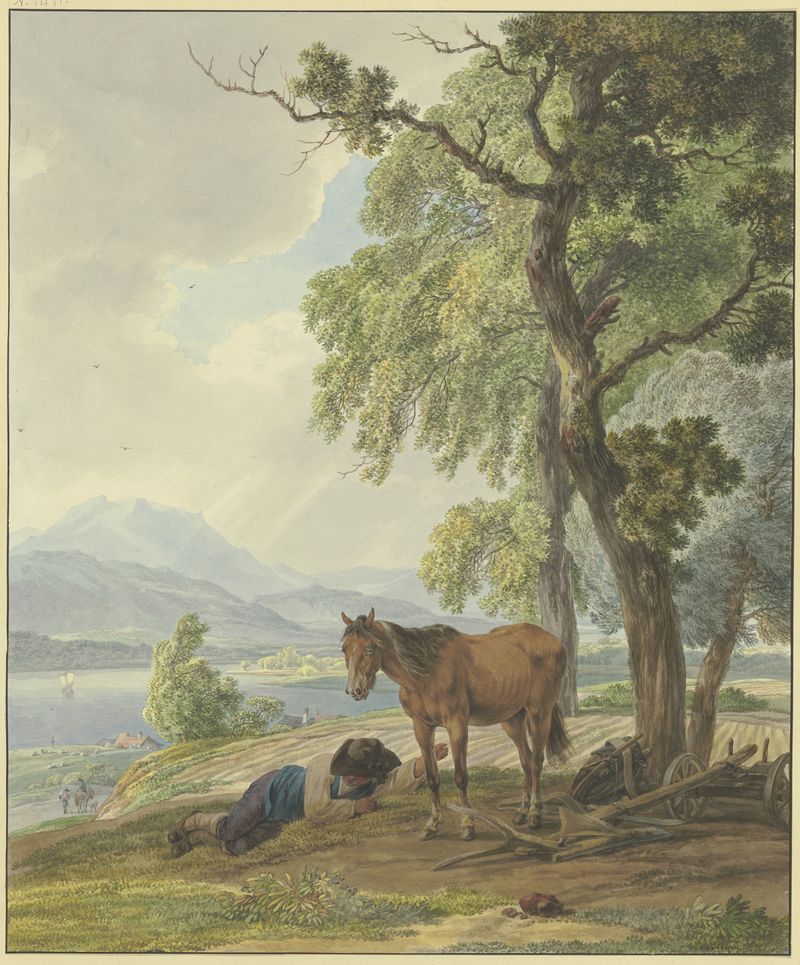
Ruhender Bauer mit seinem Pferd neben dem gepflügten Acker
Wilhelm von Kobell
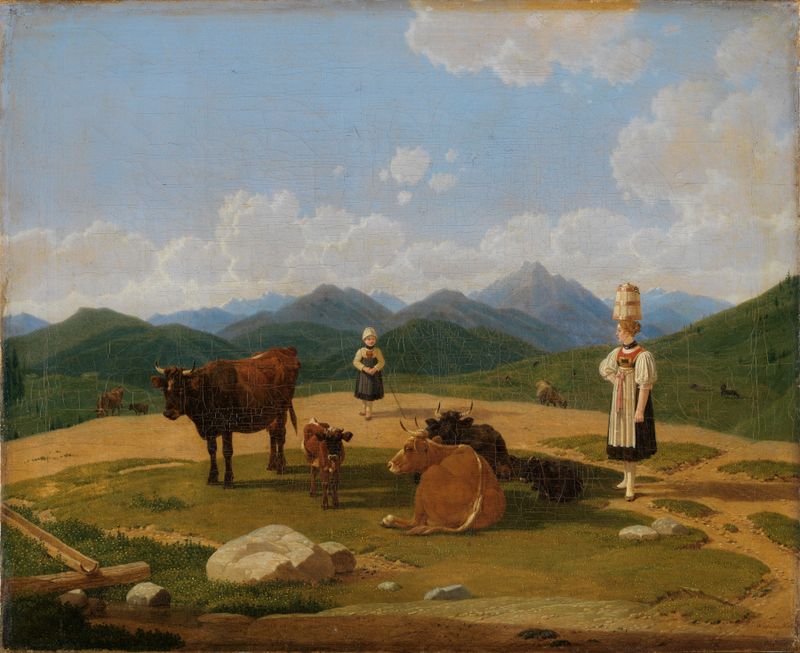
Auf der Alm
Wilhelm von Kobell
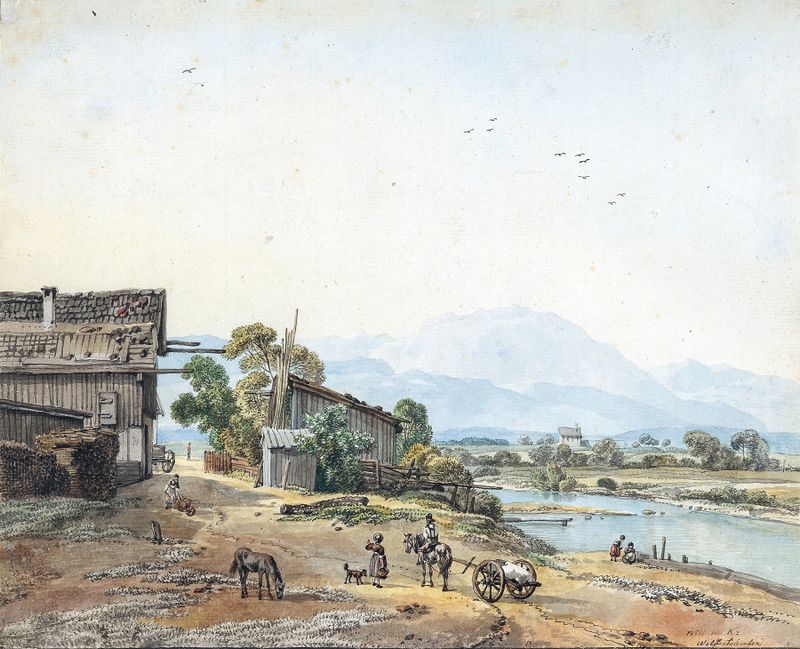
Wolfratshausen an der Loisach
Wilhelm von Kobell
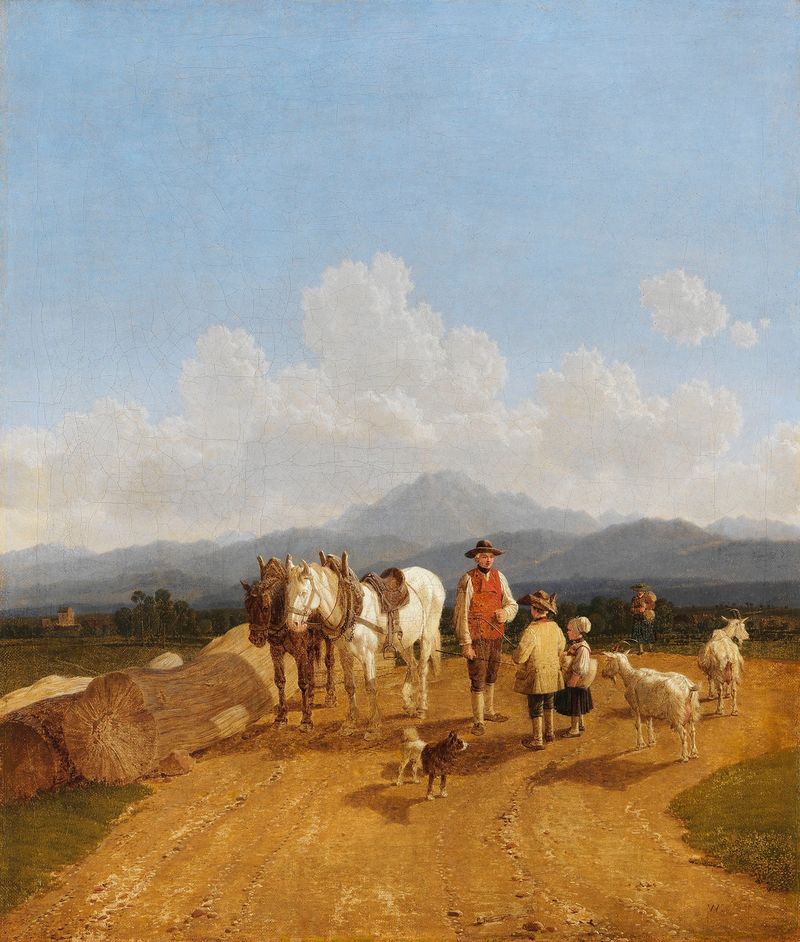
Bauer und Hirtenkinder in oberbayerischer Voralpenlandschaft
Wilhelm von Kobell

Begegnung auf der Landstrasse
Wilhelm von Kobell
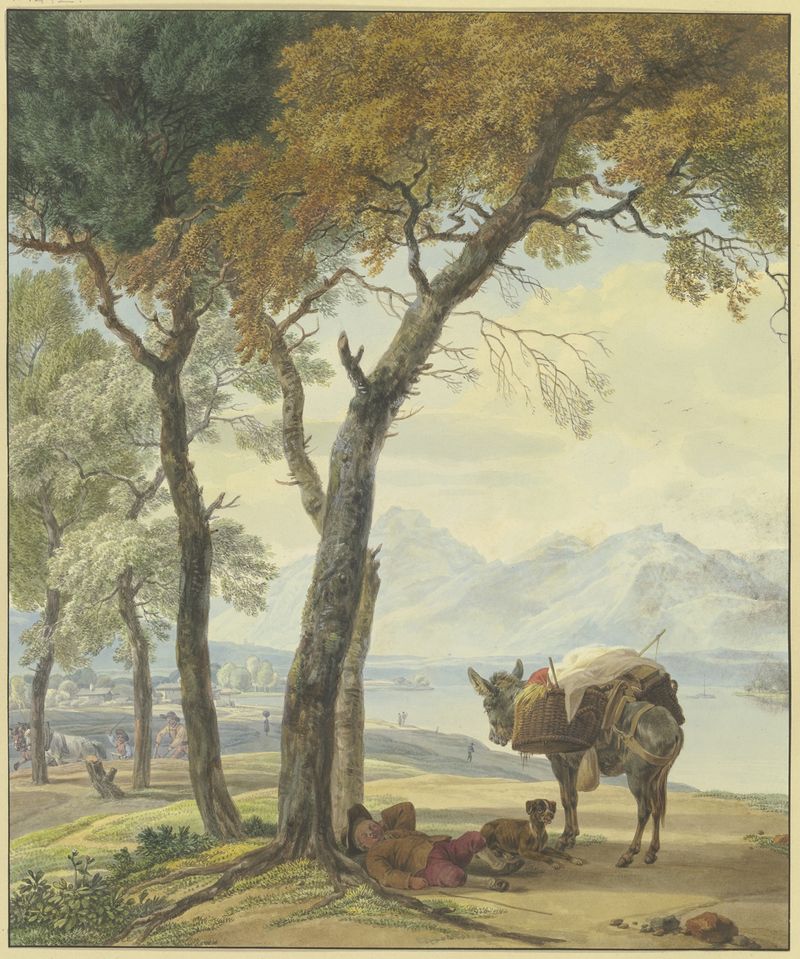
Schlafender Eseltreiber unter einer Baum an einem See
Wilhelm von Kobell





